
Stages Of Inequality: Gender Parity Challenges Persist On The Festival Circuit
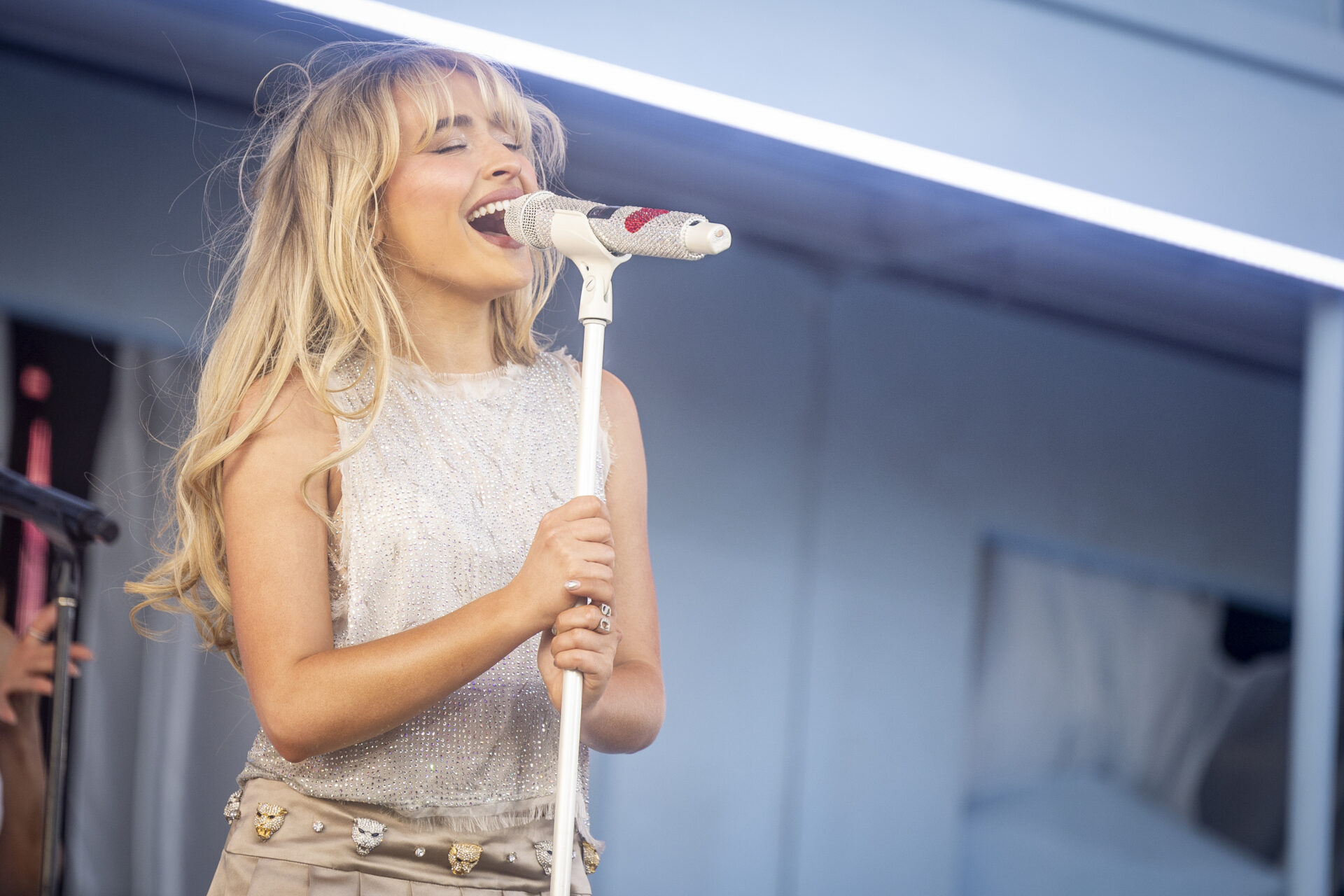
Walk into just about any concert venue or festival site and one will see a reflection of today’s diverse world, with fans of all ages.
A 2025 study from Luminate, however, revealed that young women are the ones leading the charge these days, outpacing young men in concert attendance and propelling female artists like Gracie Abrams and Laufey to larger venues.
It’s only natural for people to support artists who resemble them and share their experiences, but women and the LGBTQ+ communities don’t get that visibility as often as men do on the bills of major festivals, which have struggled with gender parity for years, as organizations such as Book More Women have noted.
Evaluating more than 2,000 artists performing across nine major U.S. festivals, including Governors Ball, Lollapalooza and Coachella, Book More Women’s most recent report saw a decline in female and nonbinary bookings. Women dropped from 23.7% in 2024 to 21.7% the following year, and nonbinary people from 1.2% to 1%. Male acts rose from 75.2% to 77.4%, and only nine of 27 headliners among the festivals evaluated were women.
That trend continues with the megafestivals this year. Notable events like Bonnaroo, Bourbon and Beyond and Bottlerock—all of which were included in Book More Women’s report—have only one woman among headliners.
The dearth of women and queer artists as headliners is a growing concern in the industry, but some promoters and agents told Pollstar the challenges festival bookers face including many would-be headliners opting to tour large venues globally and sometimes bypass the festival circuit altogether, limiting the festival talent pool.
But there are festivals that are making the extra effort, including one that has long dominated the music zeitgeist. Coachella will have women, Sabrina Carpenter and Karol G, headlining two of the three nights for the first time since 2017 and only the second time since its inception in 1999. It signifies progress and recognition of its consumers and what they want, something that many on the international front have been working toward as well.
One organization also calling for action is the nonprofit Keychange, which aims to create a more inclusive music industry and improve equity and representation beyond gender—including ethnic, cultural, socioeconomic and ability backgrounds—across all facets of the business.
The international organization calls on companies to make a pledge online to contribute to gender balance. More than 750 entities, from promoters to festival organizers to agencies, have taken the pledge, holding themselves accountable for their goals toward gender parity
“That pledge can be a driver for change,” says Lea Karwoth, project lead at Keychange. “It’s fascinating to see how the movement has spread and how pledge numbers are influenced by our work.”
Karwoth witnessed that influence firsthand working with the Reeperbahn Festival in Germany, which was one of the first to sign the pledge. She said it has had an effect on the offers the festival receives from promoters, bookers and labels, an indication that commitment to such a movement can have a positive effect on live music’s larger ecosystem.
Seventy-five of the signatories participated in Keychange’s most recent report, revealing that 50.3% percent achieved its gender balance target while 36.3% partially achieved it.
While some would be discouraged by such figures, Christina Hazboun, Keychange’s advocacy and knowledge manager, saw it as a positive that half of those who took the pledge and submitted to the report achieved their goals.
“You can’t force somebody to do something unless they believe in it, and so their driving force and belief (in the cause) is great,” Hazboun tells Pollstar. “So then, the gender diversity is becoming more embedded within the practices of festivals and the music industry.”
Karwoth also noted that there is a growing awareness among consumers, especially young people, which gives her hope, as they can have an effect on the economic aspects of festivals if they aren’t gender balanced.
Stacy L. Smith, a professor and researcher at the University of Southern California, spearheaded a report last year that stated there was little growth and not much acceleration when it comes to women working in the music industry, but expressed some optimism.
“Behind the scenes, women have not lost ground since the gains we saw last year,” Smith said in January 2025. “However, the numbers are not growing. Programs like Be The Change, Keychange, She Is The Music, Spotify’s EQUAL, Women’s Audio Mission, and others are supporting talented women who are ready to take on opportunities. These numbers can continue to grow if the industry looks to these organizations and the many qualified women ready to work as songwriters and producers.”
Carlie Webbert, a festival director for the female-forward indie event All Things Go in the D.C. area, told the Associated Press in 2024, “Booking at least a 50-60% female lineup should not be difficult.”
FREE
 Daily Pulse
Subscribe
Daily Pulse
Subscribe
 Daily Pulse
Subscribe
Daily Pulse
Subscribe