
‘Bringing Young, Disenfranchised Misfits Together:’ How Metro’s Joe Shanahan Helped Build Chicago’s Live Ecosystem
By Jason Roth, former Metro barback
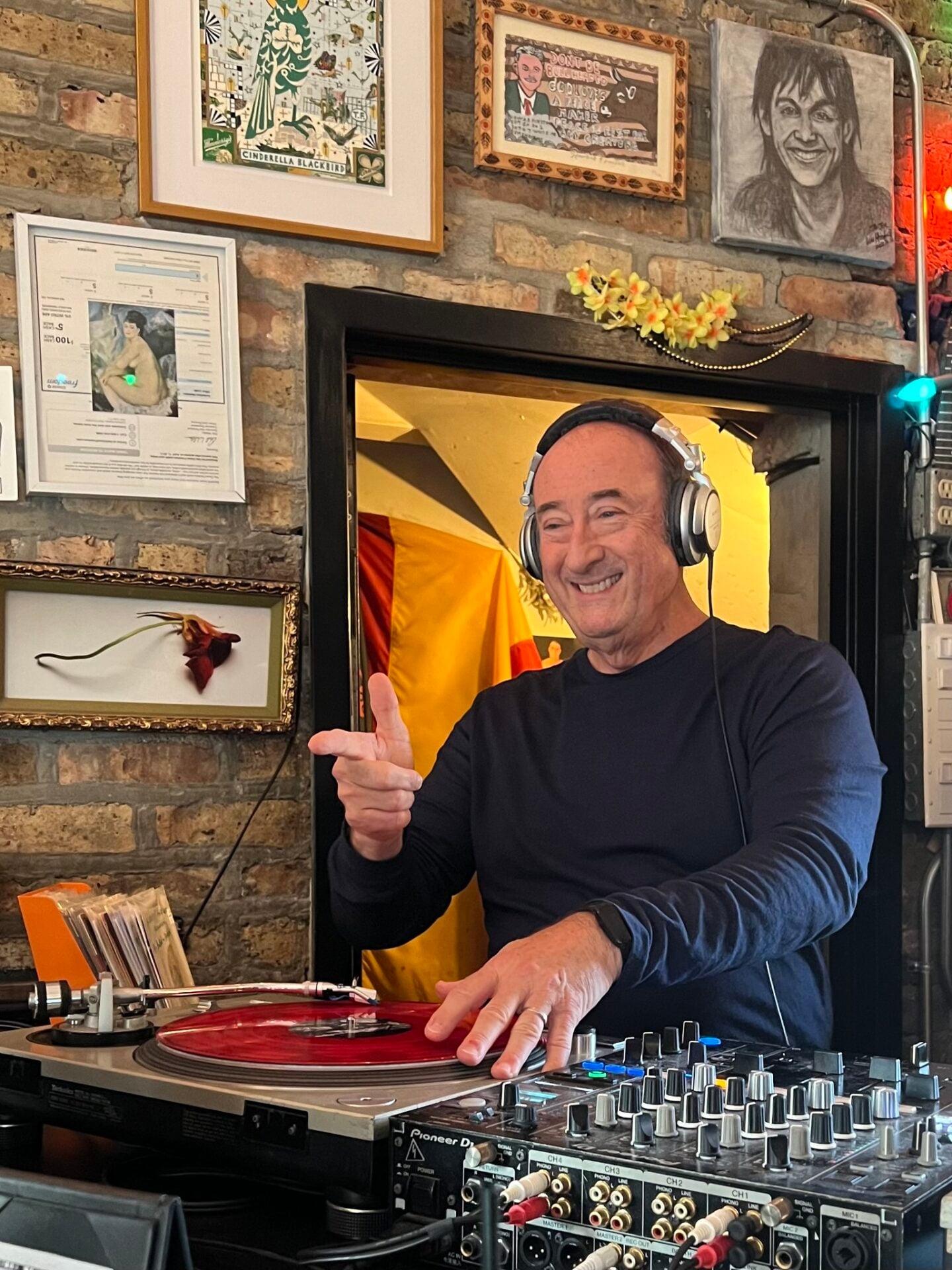
Joe Shanahan is widely beloved as the owner/founder of Chicago’s iconic 1,100-capacity Metro/smartbar club, but it goes deeper than that. Shanahan, who grew up on the city’s working-class Irish South Side, is the longtime den father to the city’s vibrant local music scene, a community-minded philanthropist who serves on the boards of multiple local charities, an impassioned uniter of diverse cultural tribes, a fierce advocate for his city and its citizens, a die-hard Cubs fan and dedicated family man, and, for decades, the guy with the best seat at one of the country’s most admired and artist-friendly clubs.
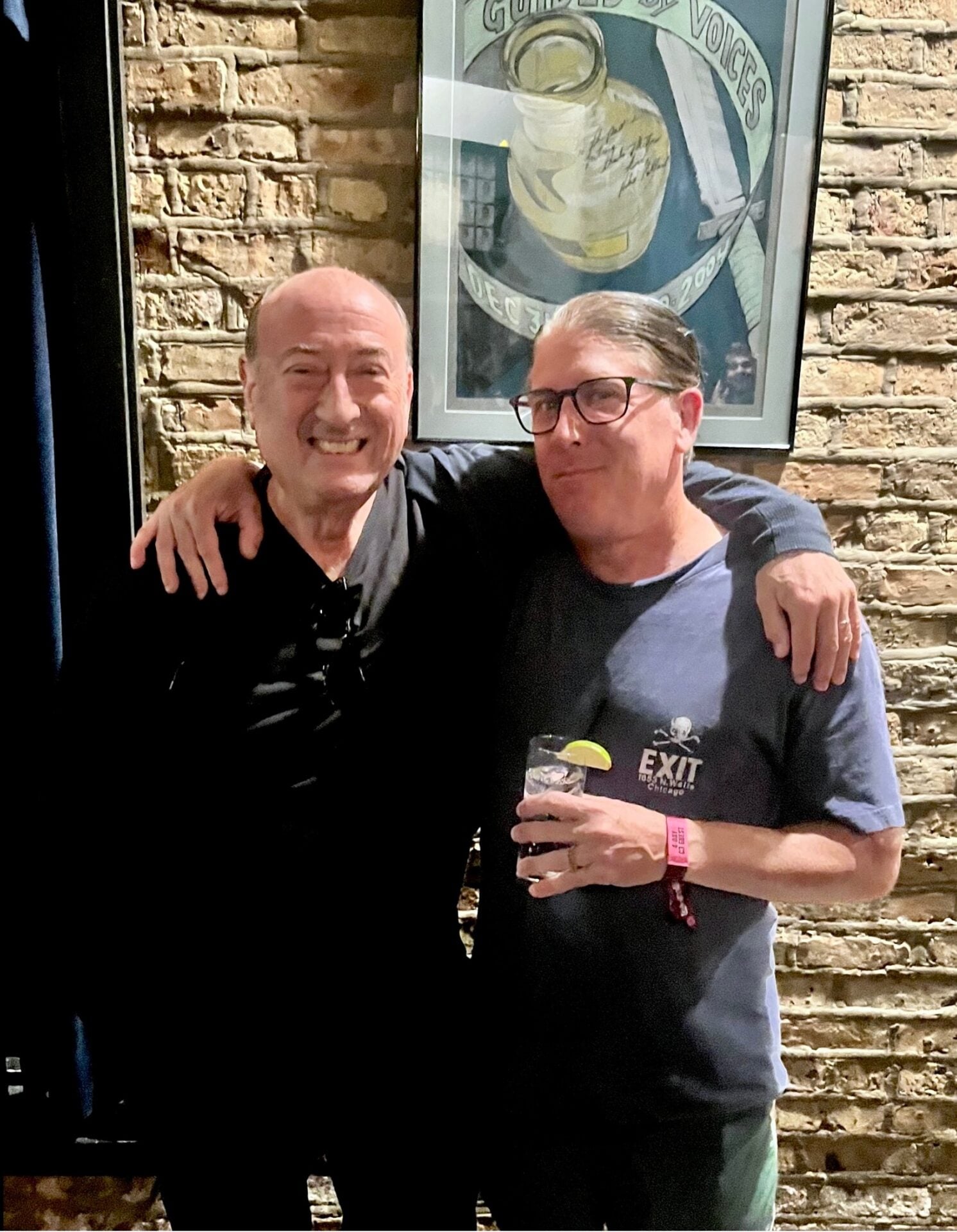
On the eve of Metro’s 45th anniversary, Shanahan shares his memories and perspectives on the evolution of Chicago’s unique live music ecosystem, and catches up with this writer, whom he hired as a scruffy Metro barback 35 years ago.
Pollstar: Let’s start with you. You were born on the South Side, right?
Joe Shanahan: Yeah, I was born and raised in the Beverly/Evergreen Park neighborhoods. Very Irish. It’s funny, I was DJing yesterday and showed someone the first record I ever bought: “Get Off My Cloud” by the Rolling Stones in 1967. I was 10 and saved up my paper route money to buy the 45. I still have it. I’ve been a record collector and music fan my whole life. I’d throw little dance parties in my garage for the kids in the neighborhood with the records I’d collect, and that’s how I started promoting myself. So I went from record collector to self-taught DJ who just liked sharing music—and that later played a big role in the creation of Metro. I’ve had the good fortune and directional motivation to work within music, but I don’t call it “industry.” I’ve always felt that music is much more important than just the dollars and cents because to me, the communal music experience is the highest of high art.
And then you moved up to DJing clubs?
Yes, by the time I was in college, I was beginning to understand, “Well, maybe if I go to the local bar or the local place to see live music, I can do my DJ thing there.” And what was happening at that time in 1976/1977 was punk rock. So I’m playing The Clash, The Sex Pistols, The Ramones, Blondie, Talking Heads, Richard Hell, X-Ray Spex, and the Slits, and I suddenly have these records that no one else has. And I’m driving back and forth from my college SIU in Carbondale [Illinois] to St. Louis and Chicago to buy more records.
The other part is that I also love dance music. I grew up listening to Motown and Stax, which was R&B, which led to disco and house music. And I never thought of music in terms of color. Is it good? Great. Will it make people dance? Will it make people think? Then I want that. So when I moved back to Chicago after college, the North Star for us was [revered Chicago record store/label] Wax Trax and [founders] Jim Nash and Dannie Flesher. I would go help them take out the trash or paint the record bins. We knew they were so important to our community and our scene and this local music ecosystem that was starting to grow, and that helped put Chicago on the map. It wasn’t New York. It wasn’t LA. It was really a scene unto itself, and a place like Metro hadn’t really been invented yet.
What do you think makes Chicago such a unique live music city?
It’s unique because it’s a major city, but the music scene sort of had to earn its stripes. New York and LA had the industry so built in around them. Chicago always had to push against the impression of being a flyover city, even in the early ’80s when we opened Metro, but what was starting to happen across the local club community was so strong: Lounge Ax, Batteries Not Included, The West End – smaller clubs that were starting to feed into larger venues like The Vic and the Riviera. It was more of a centrifugal force than just having a static club scene. More of that living ecosystem. You can compare that to what happened in places like Seattle and Minneapolis because Chicago, as big as it is, doesn’t fit the New York and LA model as much as it fits the smaller market model, which is more integrated and community-driven. And that’s just the rock clubs. Once you factor in the incredible range of blues, jazz, Latin, dance, and hip-hop rooms—all feeding off each other—you start to understand what really makes Chicago, Chicago.
It’s hard to think now, but was it a struggle to convince touring bands to come to Chicago in the early Metro days?
We were committed to Chicago not being shrugged off as a flyover city because we knew how strong the scene was. I spent a lot of time in New York and LA trying to convince bands to come to Chicago and making our case to agents and record companies. I think what helped us was realizing that Minneapolis also had a strong scene, and so did Cincinnati and St. Louis and Milwaukee and Detroit, so we expanded the ecosystem into a network. Things that would be at First Avenue or St. Andrews or Mississippi Nights or The Agora would play Metro when they came through Chicago, and vice versa. That’s when the Midwest started getting recognized more as a real market by the coasts. Those venues and promoters and bookers all talked to each other.
And it was still the day of the telephone – you sat on the phone for half an hour comparing notes about Material Issue and The Replacements, or Soul Asylum or Urge Overkill. That was kind of a golden era, to be honest, because it was about communication between venues and between buyers to cultivate an alternative kind of map. It was still word of mouth. The first show I booked was R.E.M. in 1982. They were still young and just scratching the surface, but they told everyone who would listen about Metro, that it was a great place with good people who would take care of you. And we did.
What effect did smartbar have on that early growth for Metro and the Chicago scene? It started as a sister basement bar with a couple of turntables and has since become one of the most important global destinations for house music and developing DJs.
smartbar was already running for around six months before we did our first show at Metro. I used to live down the street from my first loft on North Wells Street, where I sort of invented smartbar. I was inviting 20 or 30 people over and getting like 150 until 6 a.m., and my landlord finally said something, so that’s how smartbar started – out of that need. I was playing things like “The Magnificent Dance” by The Clash and “Blue Monday” by New Order. So this hybrid with disco was starting to happen, and the kids who were listening to punk rock suddenly wanted to dance. LCD Soundsystem perfected it later, but New Order did it first.
Then bands who played Metro started to want to spin records at smartbar like Massive Attack and Interpol and The Rapture. What really changed things was when we created a residency program for local DJs to support the community, which is something I learned from places like The Hacienda in Manchester and Paradise Garage in New York. There has never been a shortage of amazing house DJs in Chicago, but there had never been this sort of way to regularly showcase them. Some of those early residents have gone on to great success and still play the club on a regular basis – Derrick Carter, DJ Heather, Justin Long. It’s an important distinction that Metro was always programmed like a club; it wasn’t just a concert venue. We tried to program at least four to five nights a week of DJs, bands, video, art. It was a whole idea of bringing all of the young, disenfranchised misfits together in one place – gay, straight, trans, white, Black, Latino, punk …
Metro has a 45th anniversary coming up, and the historic Beaux-Arts building that has been its home is turning 100! Any anniversary plans?
I’ve been going to work at the same address — 3730 North Clark Street — for 45 years! It’s remarkable, but my most important job is the same – to serve artists and the community in the best way possible. It’s not about me – it’s about all the people that have supported Metro, not just the people walking through the door voting with their pocketbooks, but the four decades of talent buyers and stage crew and bartenders and other amazingly dedicated staff. We’re really fortunate to have created this community of people who just want to be around music and live for it. As for an anniversary celebration, I’ve been talking to our friends at Jam Productions, C3, the City of Chicago, and some favorite artists about some ideas. There are lots of lines in the water, but I’m not quite sure exactly what it will look like yet.
Let’s do a lightning round: Favorite shows?
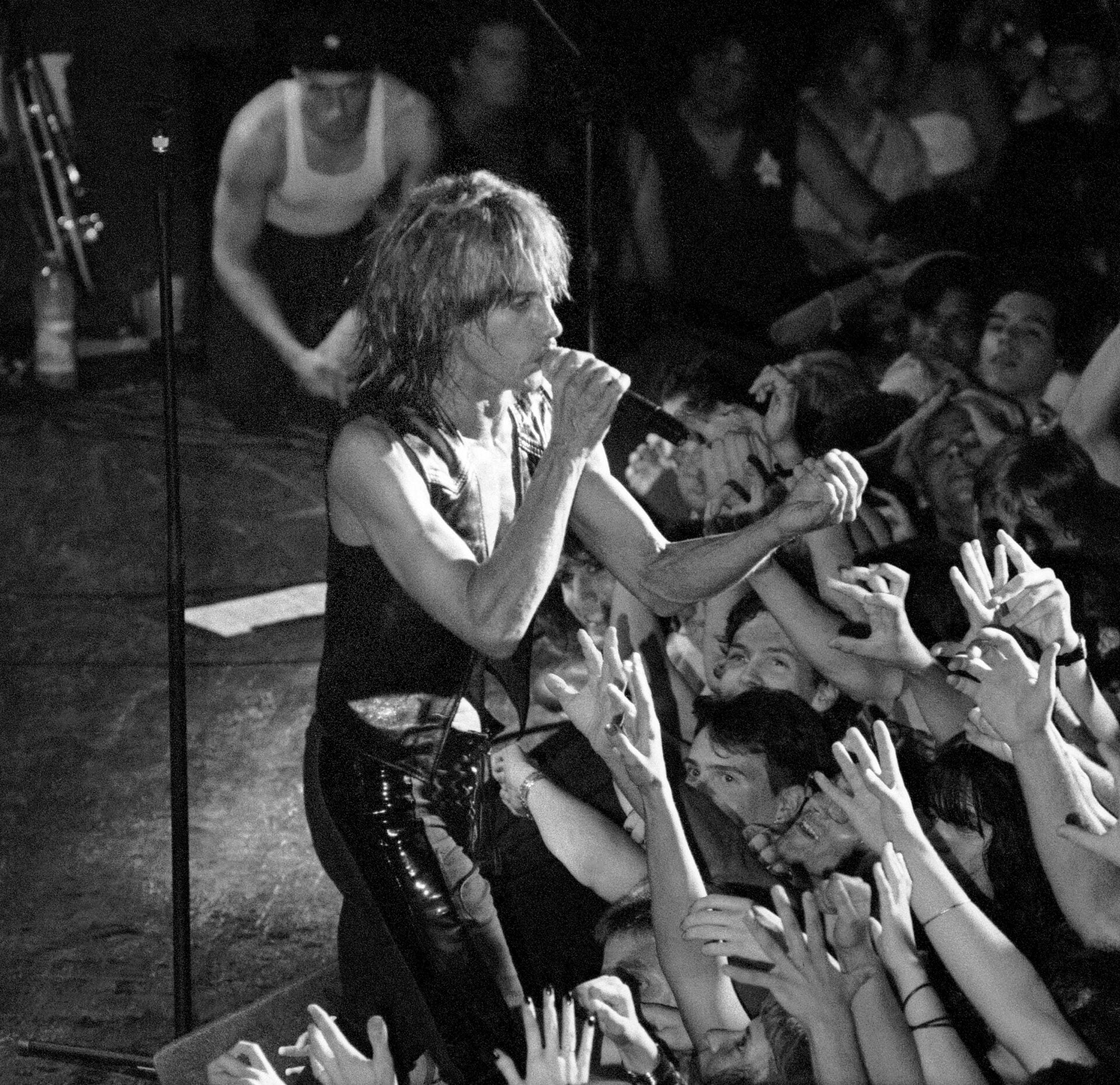
(Groan) That’s like making me choose between my children! But right at the top would have to be Prince on the “Lovesexy Tour.” Then Joe Strummer on the first Mescaleros tour. Our 40th anniversary show with Patti Smith. Iggy Pop in 1988. Probably the [late WXRT-FM DJ] Lin Brehmer Scholarship Fund concert with Mavis Staples.
Greatest lessons learned in 45 years?
Be kind to others. Always tell the truth. Music is the message.
Favorite barback?
You?
Correct.
FREE
 Daily Pulse
Subscribe
Daily Pulse
Subscribe
 Daily Pulse
Subscribe
Daily Pulse
Subscribe