
Expansive, Ferocious & Daring: The Best Of Miles Davis Live
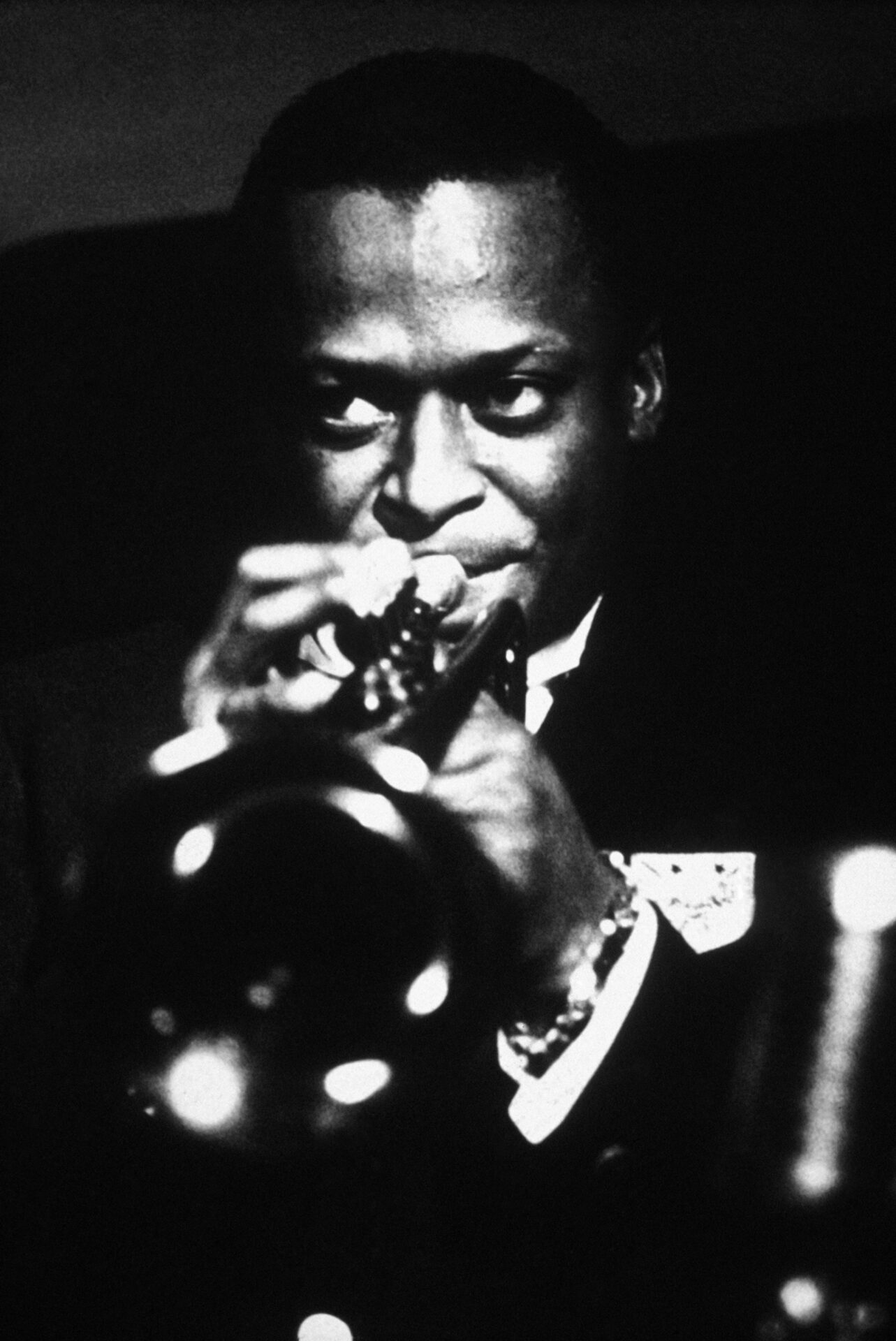
The accomplishments Miles Davis made in recording studios during his storied career are many and major. From guiding a wisely orchestrated assemblage on the Birth Of The Cool sessions as the ‘40s closed out, to helming the masterpiece of mood that is 1959’s Kind Of Blue, to conceiving the knotty electrogrooves of the hippie-era’s Bitches Brew, the discipline of securing perfect takes with a producer at the board surely enhanced the clarity and power of the trumpeter’s work.
The Rebirth Of Cool: Celebrating 100 Years Of Miles Davis
But a case could be made that the bandstand has been just as effective a laboratory for the triumphs the bandleader delivered through the decades. With the Davis Centennial upon us, lots of heads are turning towards the sprawl of creativity he oversaw before his 1991 passing. As far as recordings go, his canon contains a wealth of striking live releases, documents forged in the moment with no chance for second takes. Several capture vital ensemble interplay just as well as his studio dates. Some fans believe the best of them are even more expansive, ferocious and daring than their counterparts, and are thereby more representative of Davis’s dynamic art.
Miles made a point of surrounding himself with some of the most provocative soloists jazz has given us. In front of an audience, his charges had plenty of room to test ideas, challenge each other, and discover the key elements of whatever tune they were addressing.
But a question arises: with just under 40 live titles available–several in the form of multi-disc boxed sets–which releases deliver the most goosebumps? Part of the answer has to do with which Davis era you’re partial to.
The limber swing that drives In Person Friday and Saturday Nights At the Blackhawk, Complete marks the trumpeter’s interests during the spring of ‘61. It contains a “Bye Bye Blackbird” that makes a case for informality, creating a fertile environment for eloquence. Pianist Wynton Kelly submits a parade of breezy lines. Saxophonist Hank Mobley swoops through blues motifs. And the leader’s horn, pinched to perfection by his famous Harmon mute, dazzles with a casual genius.
The visits to the Newport Jazz Festival collected in Columbia’s artist-sanctioned “Bootleg Series” boast feats by several Davis squads as well. The summer of 1958 found saxophonist John Coltrane (also celebrating his centennial this year) and Cannonball Adderley, pianist Bill Evans, bassist Paul Chambers, and drummer Jimmy Cobb rampaging through everything from the spirited bop of “Ah-Leu-Cha” to the poignant bounce of “Fran-Dance.” Eleven years later, Davis returned to the posh seaside town with an electric band, appropriating rock’s aggression with the splashy eruptions of drummer Jack DeJohnette. The leader’s horn work on “Miles Runs The Voodoo Down” substantiates the song title at every twist and turn.
Then there’s Agharta, a key slice of the maestro’s mid-70s electric period, where he takes an Osaka stage flanked by two electric guitarists, one of the funkiest bassists he ever worked with, drummer and percussionist, and feisty saxophonist Sonny Fortune. The music pointed a gale-force wind towards the constricted funk of his Sly Stone-influenced On The Corner, its grooves becoming terra firma for an onslaught of fractious solos.
But as far as breadth and beauty go, the Centennial celebration has produced a major jewel of Davis’ career, the 10-LP/8-CD reissue of The Complete Live at the Plugged Nickel 1965. A rich portrait of radical invention, and perhaps the one Davis live album that might satisfy the needs of an audience interested in drama, frolic, turbulence, fluency, and adventure. In both scope and influence, it reminds us that clever musical gambits can be deeply entertaining – seven and a half hours of music in constant motion.
Recorded during Christmas week at a cozy club in a Chicago basement as Miles was returning to the stage after months of hip surgery recuperation, the date finds the trumpeter in less than perfect shape. He’d been out of commission for a spell and his lips weren’t at the apex of articulation. Didn’t much mar the action, though. In the large, his lines are impassioned, his phrasing ingenious.
What makes up for this slight wound is the band itself. Davis’s “second classic quintet” of pianist Herbie Hancock, bassist Ron Carter, drummer Tony Williams, and saxophonist Wayne Shorter had shared their first studio date, E.S.P., in the middle of August. It represented yet another advance in the icon’s sound. More ambitious, more mysterious, more enterprising. During Miles’ downtime, the group members were becoming impressive leaders in their own right, modernizing jazz with important records on the Blue Note label. Though some (Shorter mostly) were starting to contribute new compositions to Miles’ songbook, the leader still chose to apply their modern designs to yesteryear tunes such as “When I Fall in Love,” “Stella By Starlight,” and “If I Were a Bell.” Not exactly the younger musicians’ cup of tea.
Before the two-night stand, the precocious 20-year-old drummer suggested running a ruse on the boss, creating an “anti-music” atmosphere by messing with the tenets of their usual formula. Realigning tempos, upending expectations, sticking a shiv into the standard bandstand norms. The creative friction of such exploratory maneuvers being applied to old-school nuggets was palpable and seductive – the familiar being nudged towards the frenetic.
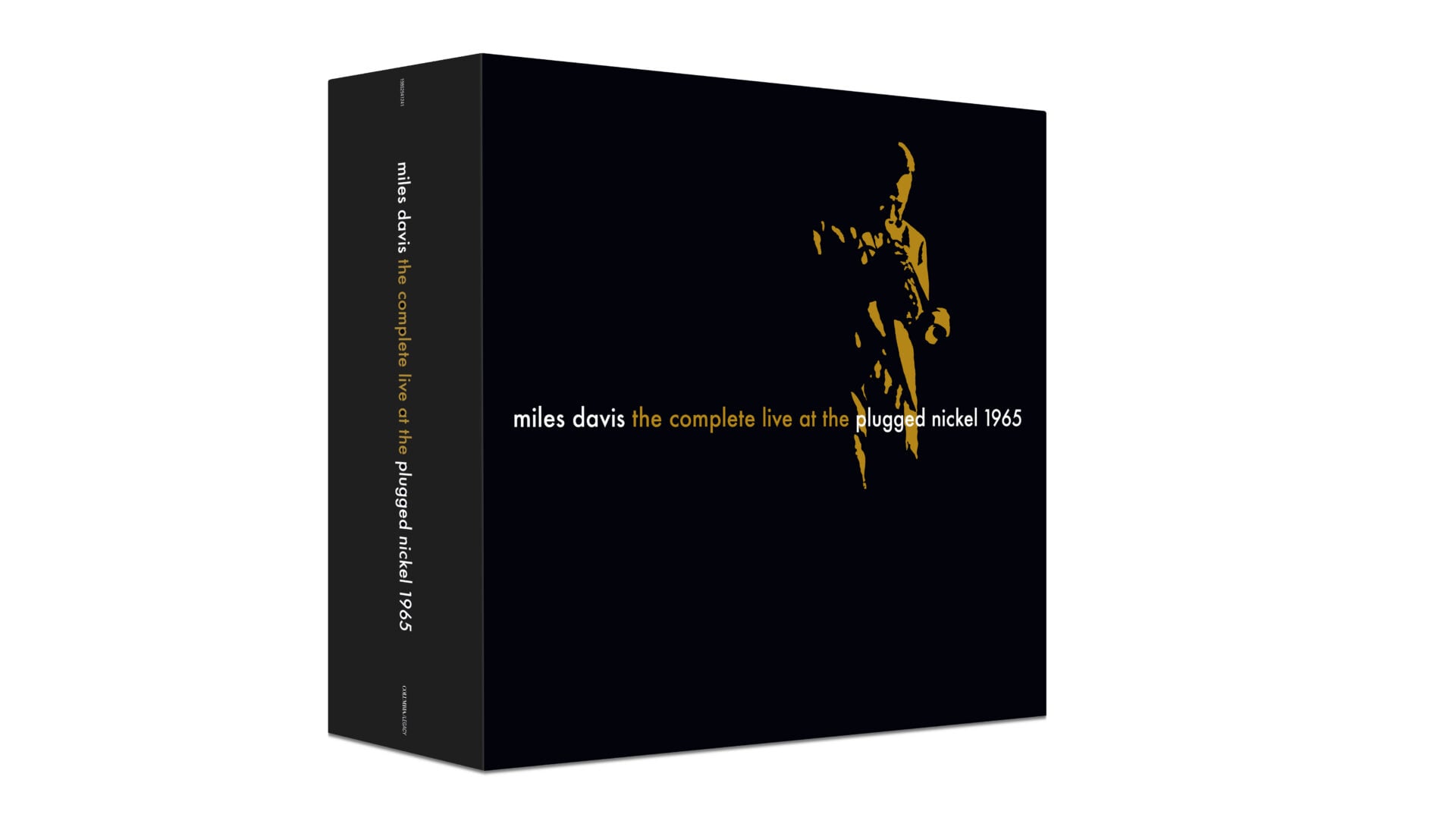
It’s plot mastermind Williams who cracks apart many of these tunes, hitting the gas and tapping the brakes in unexpected moments: zigging when he should be zagging. Quick-witted shifts, ride cymbal downpours, snare drum rumbles – his ploys keep everyone on their toes and give each member plenty of room to stretch. Hancock’s motifs are cunning, Carter’s are bold. After the first few sets, Miles starts to smell what’s happening and adjusts to his troop’s offensive with his own tenacious blues notions on a final spin through “I Fall In Love Too Easily.”
But Shorter’s choices are the most commanding. On almost every extended solo, his tenor is nurturing melody and goosing momentum even as he explodes predictable patterns. All without capsizing the band’s enviable balance. At one point on “Oleo,” he quotes “How Dry I Am,” but just a listen or three tells us he’s actually soaked by a tsunami of ideas regarding ways to push this music forward.
Long story short, The Complete Live At the Plugged Nickel 1965 contains enough inspired work to be considered a high-water mark in the Davis discography. Turns out that bending the rules can be a pathway to elation, as well as a chance to savor the fruits of audacity. Let these seven and a half hours be a riveting reminder for us all to acknowledge the centennial by grabbing tickets to a jazz show or ten.
FREE
 Daily Pulse
Subscribe
Daily Pulse
Subscribe
 Daily Pulse
Subscribe
Daily Pulse
Subscribe