
Agency Intel: How CAA’s Matt Galle And Mike Marquis Helped T-Pain Find New Audiences, One Festival At A Time
It wouldn’t be a festival season without T-Pain. The inventive singer, rapper and producer known for redefining pop music and hip-hop with his use of auto-tune in the 2000s has established himself as festival darling in recent years, drawing large crowds and reintroducing smash hits like “I’m Sprung,” “Buy U a Drank,” “Bartender” and, of course, “I’m N Luv (Wit a Stripper)” to a new generation of music fans.
That kind of success is not only a testament to his music but also his authenticity, which permeates from his vulnerable interviews and livestreams on Twitch. T-Pain doesn’t shy away from an honest conversation, opening up about fame, depression and how his contemporaries responded to his music. Some in the hip-hop and R&B community ostracized the singer for popularizing auto-tune, but he was one of the few who used it with purpose, not to enhance his vocals, which are exceptional without the tool, but rather to create a melodic tune that stays with a listener.
Over time, T-Pain received his much-deserved roses as his innovation continues to inspire today’s rappers, and his legacy has finally led to box office success with the help of his agents at Creative Artists Agency.
Matt Galle and Mike Marquis, who left Paradigm for CAA in 2021, have worked with the hip-hop star for over a decade, and they are starting to see the fruits of their labor with T-Pain’s successful headline tours, which was seeded by his festival appearances and shows in smaller venues. He performed in major events like Rolling Loud, Bonnaroo and Coachella, and went on to have a successful tour in 2025, including two sold-out concerts at the iconic Red Rocks Amphitheatre. The trek moved more than 120,000 tickets, and he’s back on the festival circuit this year. He’s already performed at Okeechobee Festival and Shaq’s Bass All-Stars in March, and the hip-hop star will be at Freely Fest, New Orleans Jazz Fest and Riverbeat later this year.
Galle and Marquis talked to Pollstar about their history with T-Pain, using the festivals to rebuild his live career and how the artist reintroduced himself to audiences by livestreaming during the pandemic.
Pollstar: Tell me about your relationship with the artist and how it’s developed over the years.
Mike Marquis: We started with T-Pain around 2015. We connected with him through mutual friends. He was looking for a new agent, and we took it on just being fans of his music and knowing that he has a lot of hits. The thing at the time when we started working with him was that he never really developed a touring business when he had big songs. He was playing a lot of one-offs, but it was not really a cohesive strategy to grow his hard ticket touring business playing clubs and theaters as a headliner.
So we took it on, and the first couple of years were one-offs, colleges and playing wherever would pay him enough. By 2017, we convinced him to go out and play 500-capacity rooms, built from the ground up. There really was no money in it. It was very low compared to what he would make playing colleges, but he wanted to do it. … And we sold the whole thing out.
We worked at Paradigm at the time. We did that tour and then we did the next step up from that in 2019 and we sold out the 1,000 to 1,500-capacity rooms across the country. Pandemic hit, and T-Pain—an incredibly intelligent guy and creatively driven—really got into streaming. He just figured out how to grow his audience through these digital platforms and connect with different age groups and demographics.
We came out of it in 2022 and did our first tour back after the pandemic, and it sold out again in rooms twice the size. Since then, it’s sort of been like clockwork. In 2023, we did the next tour and sold out larger rooms.
We’ve been trying to figure out how to get that last rung of the ladder to get to the top, from going to boutique 5,000 capacities to being a true amphitheater or arena act and selling out concerts. Part of that step for his development was that he always wanted to play festivals and play in front of the widest audience and be on the main stage to have people see him as a real performer, not just as a producer or as a featured artist.
We had a specific plan in 2025 to go out and hit all the major festivals, and these are places we have been pitching for since the beginning, since we signed him. It took all these steps and selling the tickets to get those promoters and festival talent buyers to see the vision, and we managed to knock them down. Last year, we did Coachella and Stagecoach, and then we did Govs Ball and Lollapalooza and ACL. He had massive sets. Promoters sent us drone shots of the stage, and it was the biggest crowds they’ve had on those stages.
It was a full-circle moment for him. I think the world started to recognize him as a force, and he stands out from other artists of his era, and is a real ticket seller and a real entertainer who can deliver a star-quality show.
It’s fascinating to see the markets he’s hit during that time, and it can certainly lead him into other territories. What can you tell me about going through the festival circuit and how important it was for T-Pain as a live performer?
Marquis: For festival buyers in recent years, it’s been challenging with hip-hop because a lot of artists are commanding big fees without the data and ticket sales to back it up. Whether it’s the quality of the performance or the production or cancellations or crowd control issues, I think it’s been challenging for these buyers to find somebody in the hip-hop space that’s reliable and will deliver the show that everybody wants and be super professional and have the hits. People go to a festival to hear hits, and when you watch Pain’s set, you realize every song is baked into your brain. For us, it was finding that window of opportunity to do it with him, and part of the strategy was to try to do them all. If we could do them all in the same year, then it creates a storyline versus if you do Bonnaroo one year, it’s great, but it happens in a vacuum.
Our strategy was if you could tell the story over and over once a month throughout the whole year, then, all of a sudden, people say, “Holy shit. T-Pain is taking over the festival, and every one of these sets is massive.”
Matt Galle: COVID came, and he started streaming on Twitch every day, and he became one of the most-streamed artists on Twitch, crossing platforms. He wasn’t just a nostalgia act anymore. He became a modern act with a younger audience, which was cool to see. As Mike said, we hammered Coachella, literally, for eight years in a row, and told them this is why you need to book him.
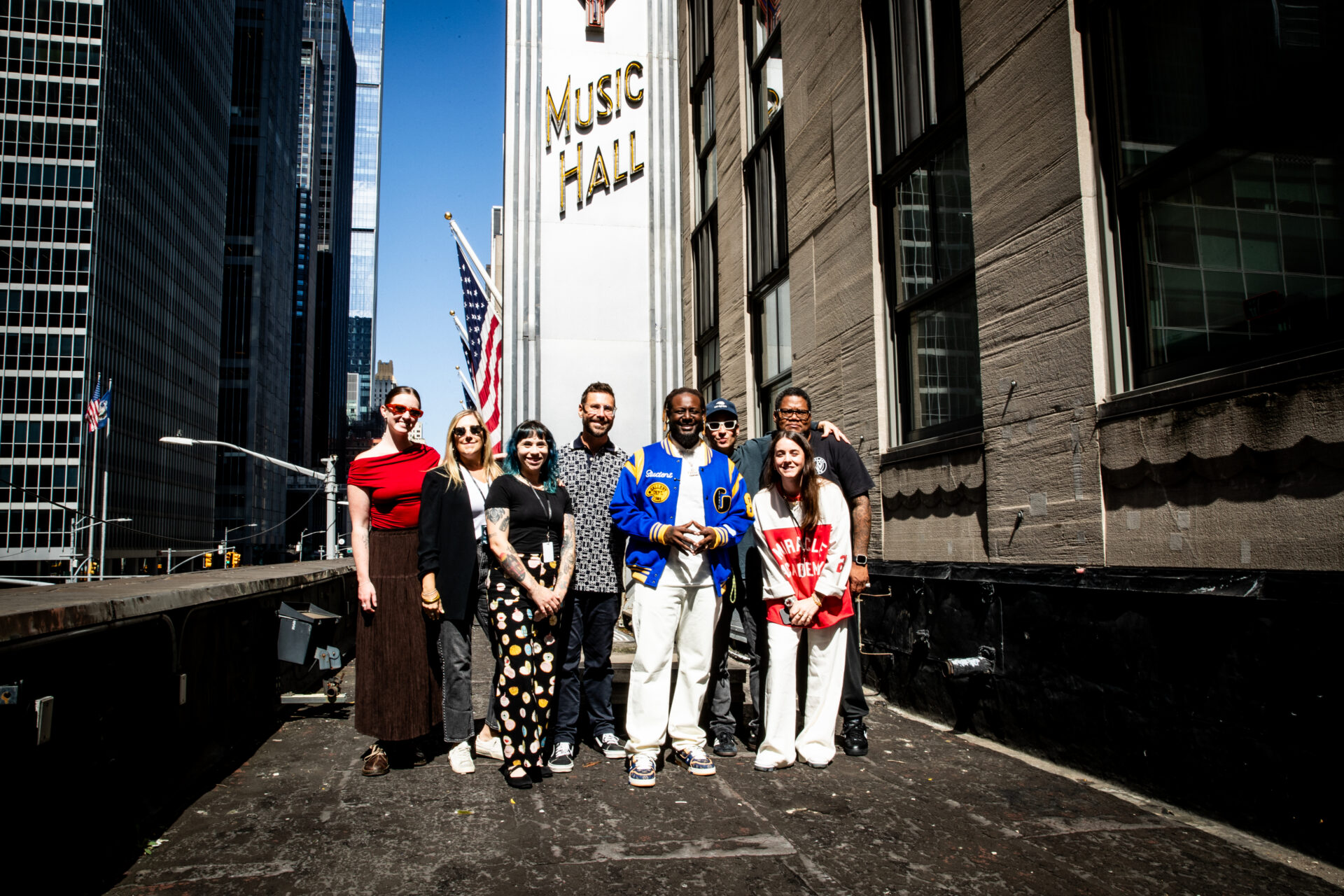
We kind of backdoored it a bit. Two years ago, he was booked at the Heineken House, which has an actual stage at Coachella, and he became the most requested artist on the app out of most of the artists in all of Coachella. So [President and CEO of Goldenvoice] Paul Tollett, who runs Coachella, was like, “We need to bring him back. Not enough people were able to get into the Heineken House area to see him.”
And so he focused on musically dropping cover songs, covering some country and rock acts. We didn’t want him to be limited to certain festivals. We started pitching country festivals, and he did it in the past year. He was doing country, electronic A-list festivals, a lot of them with livestreams. He leaned into having a different production and team on every festival, which was really cool. He came out of pocket and spent his own money on a lot of these festivals just to make it super amazing for everybody watching on the livestream, which was awesome to see.
Last fall, we put him in 6,000-10,000-capacity rooms, and they all sold out. We added Radio City in NYC, and he sold it out in minutes. The goal was to get him to Madison Square Garden, which we believe he will, and continue developing him as a hard ticket where he’s selling 20,000 tickets a night, and then do that in the rest of the world in the next couple of years.
Part of your strategy was also having T-Pain support Pitbull in 2024, and I know a few people who came away surprised from his performance, so all of it obviously worked.
Marquis: I would say the common denominator was, and Matt touched on this, with the production. Since we started working with him, he has really leaned into the idea that every show has to be special, and that you leave the show wanting to talk about it and blown away. It feels like it’s a bit of a lost art now at a lot of shows. It just feels repetitive, where you’re watching it and you feel it once, and it’s over. With Pain, there’s something magnetic about it, and his show is just fun to a point where people want to see it again. That was the key to this step-by-step build that we put together.
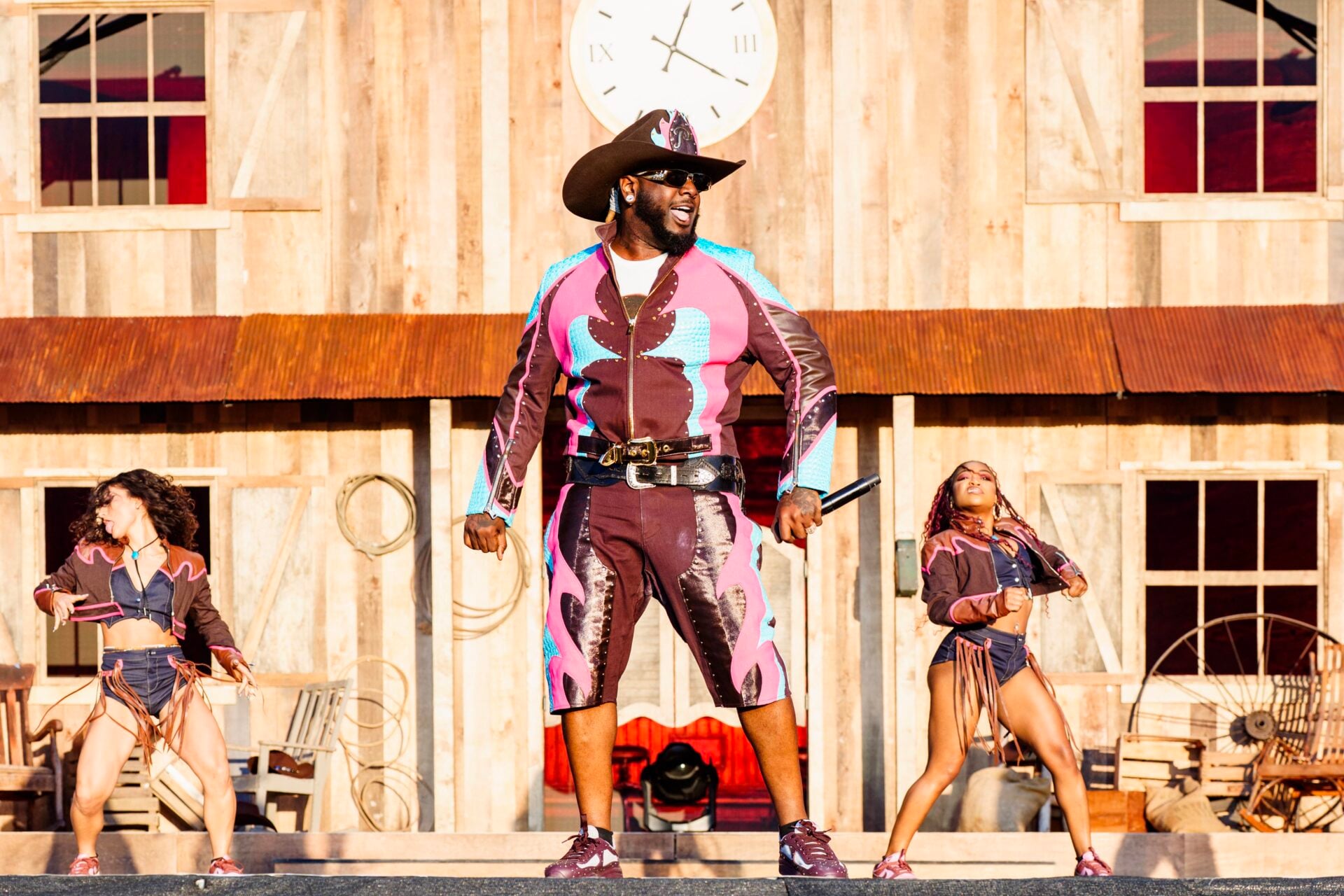
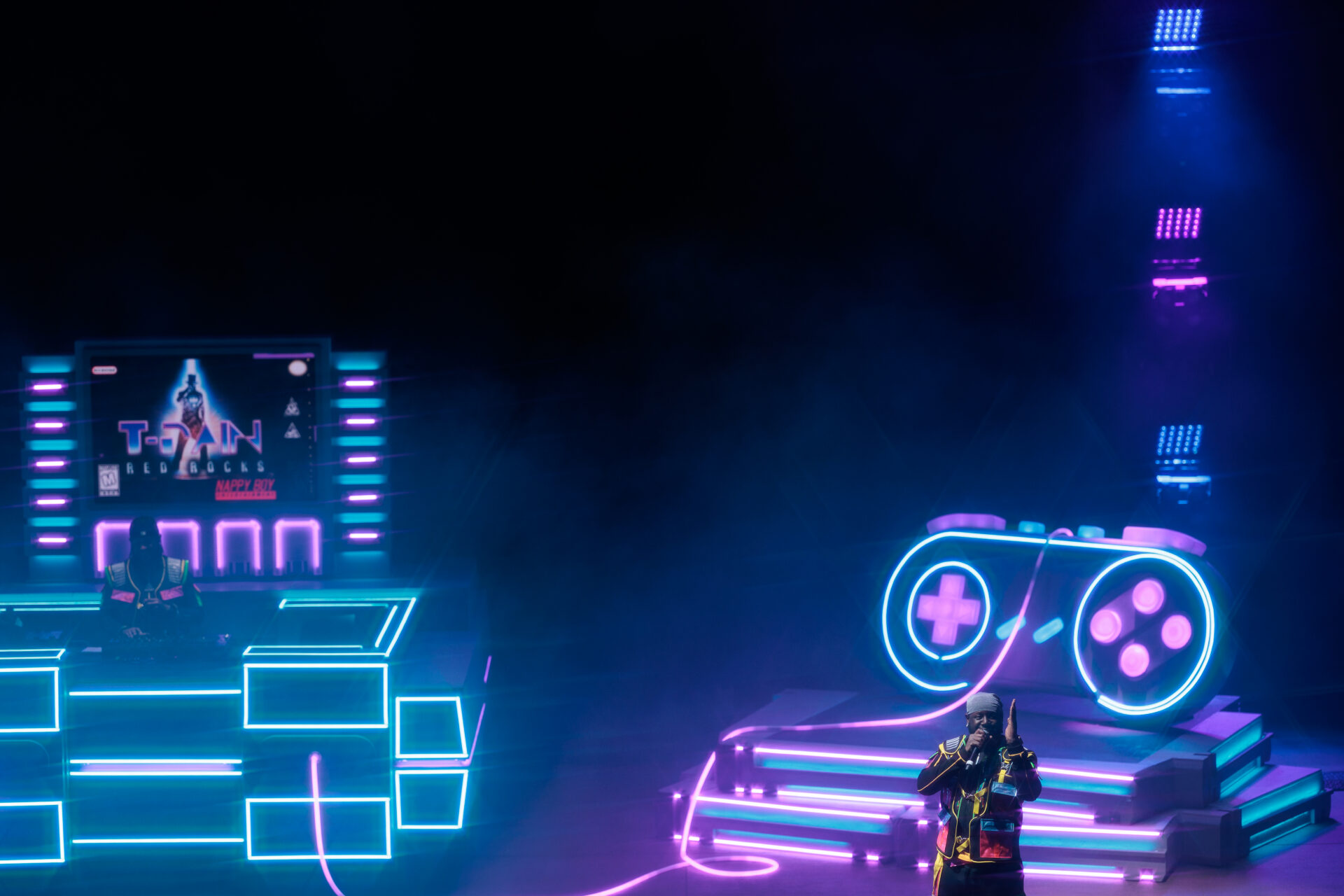
At all these festivals, he did a different show. There was one show where he had a whole saloon built out at ACL, and it was really cool. That fit the festival, and then Lollapalooza was what looked like a big Nintendo on stage with lasers. It had a video game concept with an image that matched the theme, and he was really investing in that creativity.
Galle: One other thing I wanted to add about Twitch: he was making more from streaming than he was from playing concerts. That challenged Mike and me to raise the bar and figure out how to raise his price and status as a touring artist and bring him to become a headliner. He’s selective and picks the things that he thinks are special.
His streaming on Twitch is really interesting because it validated him as a knowledgeable, innovative artist. I’ve seen some of the streams, and he’s very specific, talking about the production process and his career. It’s very informative and certainly makes him more authentic, giving fans a better understanding of him as an artist. Did he ever consult with you guys about that venture?
Galle: I don’t know a whole lot about it, but his team tells us that he does that all himself with his Nappy Boy team. It’s helping. He’s an entrepreneur and is involved in so many different lanes. And they’re all connecting, making him more appealing to brands and events.
You guys mentioned how he didn’t have much of a touring business. How does that happen to artists, especially to those with many hit songs, for agents like you to swoop in to help them reclaim that in their careers?
Marquis: It has a lot to do with experience. When a young artist who’s in the very first moments of their career has hit songs, they don’t have a lot of perspective. Sometimes, they come from different economic backgrounds, not having a lot of money growing up, and it feels like it’s their opportunity to just make as much money as they can early in their career. And the idea of investing in growing something just feels secondary to taking the biggest opportunities. Sometimes, those things don’t accomplish the same goal.
T-Pain had a bunch of huge songs really quickly, and he was being pulled in a lot of directions and being brought in to work with bigger and bigger artists. I think the idea of touring as development and developing his own live audience was just a backseat to more glamorous stuff that was happening at the time.
There are a lot of artists who experience that, and it takes a leveling out to have a fresh look at what you want to do moving forward.
To Pain’s credit, when we started working with him, he knew that he wanted to grow the touring business. He had seen enough, and he was a smart enough person that he had a perspective after being in the business for 8 or 10 years, and he was like, “Shit. I messed up the first time by not investing in these places, but I want to do it again. I’m still young. I can do this.” And he deserves credit for that.
Galle: What really helped us turn a corner and make him into a headliner was after his NPR Tiny Desk. He was the only artist who did it twice. There was so much press and people were like, “Wow, I gotta come see the show live.” He’s such a good singer, too. That really was cool to see.
It was also great to see him sell out Red Rocks Amphitheatre. Was there any night in particular for you guys that stood out and really encapsulated T-Pain’s story?
Marquis: His 2025 shows at Red Rocks were Oct. 28 and 29, and the previous year were Oct. 30 and 31. So technically, it was four shows within one calendar year, and they all sold out, so it was about 36,000 tickets near Denver.
We told him that the night of the show, and he was super excited. When we started booking him, we booked him at the Bluebird Theater in Denver, which is 500 capacity. Then we booked him at The Gothic, which is 1,100. Then it was the Ogden, which is 1,600. Then it was The Mission Ballroom, and that was about 3,500. And then we went to Red Rocks. He really did every single step.
Those shows were really special and cool because booking Red Rocks is a challenging thing to do.
You guys really didn’t cut any corners.
Marquis: And his team, too, by the way. We got to mention them. He runs his own company, Nappy Boy, but his manager and day-to-day partner, Nicolette Crothers, is amazing. She’s great to work with and an incredible pro. His road manager, Dex Sweat is equally amazing. It’s a whole team effort where everybody works super well together. Everybody communicates really well and is loyal to each other and doesn’t fall into some of the traps that a lot of Pain’s contemporaries deal with.
How do you keep the momentum going?
Galle: The goal is to continue to grow him as a headliner in bigger rooms like arenas and theaters around the world and as a festival headliner. He wants it, and we want it, too. He’s super hungry, and we’re just trying to keep up with him. He has all these amazing ideas.
Note: This story has been edited and condensed for clarity.
FREE
 Daily Pulse
Subscribe
Daily Pulse
Subscribe
 Daily Pulse
Subscribe
Daily Pulse
Subscribe