
Pollstar Live 2026! Social Responsibility and Live Music: Repping the Artist’s Values on the Road
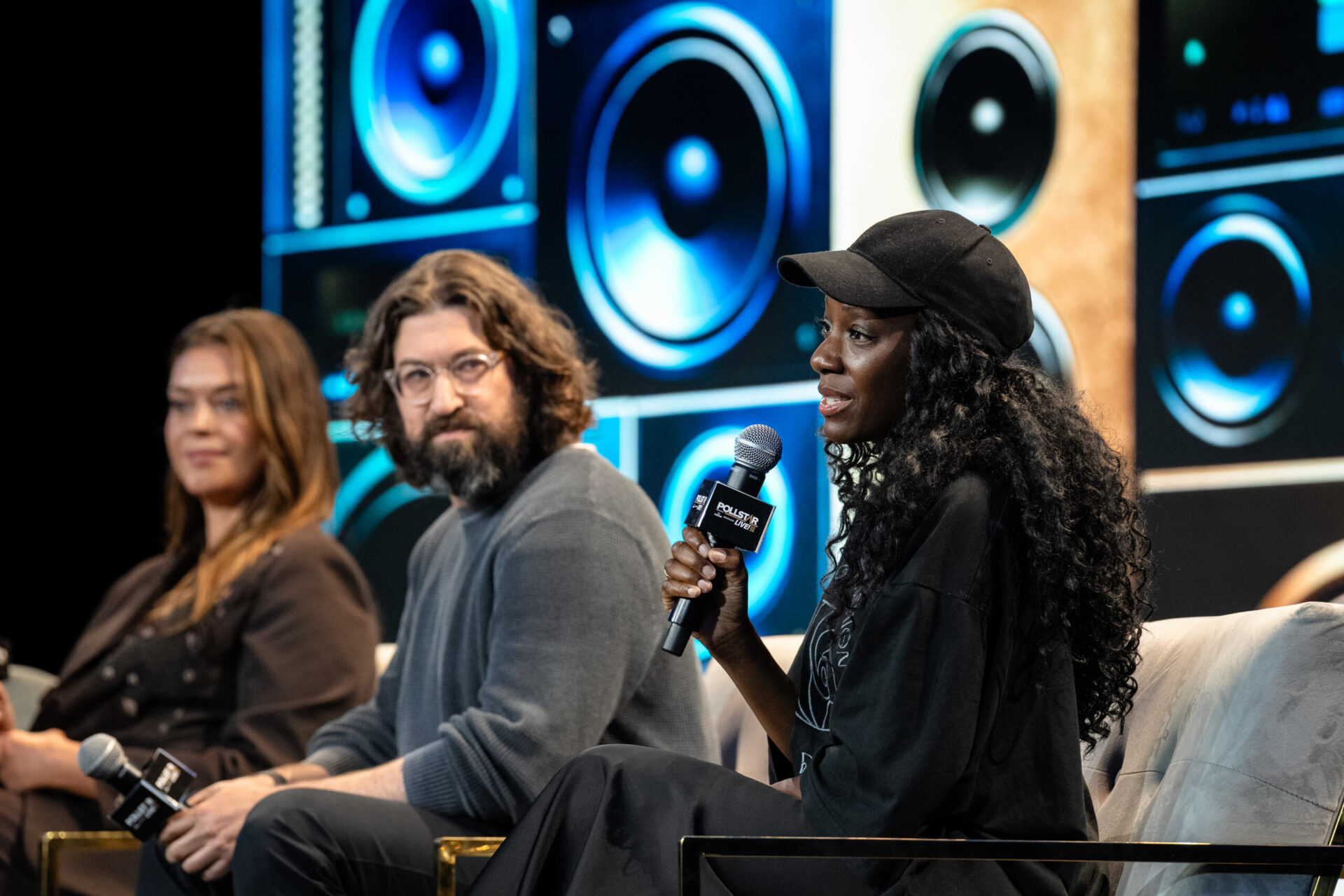
Social Responsibility and Live Music: Repping the Artist’s Values on the Road
Moderator:
Theresa Wolters, Executive Director, MusiCares
Speakers:
Jason Cabello, Co-Founder/Executive Director at Elsewhere program by Recovery Unplugged
Hilary Gleason, Co-Founder / Executive Director, Backline
Dr. Chayim Newman, Co-Founder, Amber Health
Samata Pattinson, founder/CEO, BLACK PEARL
When it comes to mental health and the live music industry, Dr. Chayim Newman, co-founder of Amber Health, points out that “as an industry we’re new at this. For the first 50 years we swept things under the rug and we didn’t look at the wellbeing of the people behind the scenes.” He explained that some artists may want to support the mental health of their teams and don’t know how.
Speaking on the Pollstar Live! panel “Social Responsibility and Live Music: Repping the Artist’s Values on the Road,” he added, “At Amber Health, things are driven by clinicians, people who are trained how to understand the data that informs what good care actually looks like in this industry. .. When we think about artists’ values, the pivot is to shift from performative and flashy to that which actually makes a difference, especially when it comes to things like mental health.”
Amber Health, which provides tailored mental health care for folks working in the music industry via a team in which all of the members also come from the industry, has worked with artists including Olivia Rodrigo, Ed Sheeran, Billie Eilish, Green Day and Beyoncé.
Newman later emphasized that rather than being a responsibility, “it’s damn sure an opportunity. [Artists] have an opportunity using their platforms, their resources, their voices, to stand for things … that matter.”
The panel also included Hilary Gleason, Co-Founder / Executive Director of Backline, which connects musicians, touring professionals, venue staff, crew and their families with critical mental health resources and wellness care. Earlier this year Backline – which has worked with artists including Noah Kahan and Chappell Roan, launched B-LINE, a mental health and crisis support line created exclusively for the music industry that will provide confidential support from trained counselors 24/7.
Gleason spoke out about the importance of being proactive rather than reactive when it comes to mental health care and how Backline has seen the benefits where artists who are utilizing care for their teams are able to sustain the same crew rather than facing quick turnover.
Asked by moderator Theresa Wolters, Executive Director of MusiCares, if Backline has seen a pivot in how people talk about mental health since the nonprofit was launched in 2019, Gleason commented that it depends on the artist and the team behind them.
On the plus side, Gleason said that the pandemic really normalized having gone through a mental health challenge or a family member going through it – and it’s become easier to talk about since then. She added that some artists may still be afraid to talk about mental health challenges because it could come across as ungrateful.
“All we can do is provide the resources,” Gleason said. “We’re more focused on helping people than spreading the word.”
Panelist Jason Cabello is the Co-Founder/Executive Director of Elsewhere, a behavioral health program designed specifically for touring professionals and powered by Recovery Unplugged Behavioral Health. He’s worked in multiple sectors of the music industry, including artist management, and has been candid about his experience overcoming addiction.
“More often than not I’m sent in as a fixer when someone has serious substance issues,” Cabello said. He advised that artists undergoing treatment should wait to be a spokesperson and instead focus on their own recovery – “especially if they’re high profile … take care of yourself first and with your team, figure out how to talk about it publicly.”
The conversation turned to sustainability with panelist Samata Pattinson, who is the founder and CEO of BLACK PEARL, a sustainability organization working across fashion, music and entertainment. The organization’s work includes curating Sustainable Fashion Guides for Billie Eilish’s “Hit Me Hard And Soft The Tour.”
“I feel most passionate about making sure people have access to information. … People can make better choices when they’re educated. We have to make it culturally relevant. That’s the ethos of BLACK PEARL,” Pattinson said.
She noted that when it comes to sustainability, there’s always room to keep learning – and there’s no “graduation date” when engaging with an artist or organization.
“We just started working with Roc Nation … We’re in this, we’ll keep learning. It’s a school with no graduation in sight. It’s OK I’m still learning, there’s no judgment there,” Pattinson said. She added that it’s important to help take away the judgement of people thinking they need to know everything before they speak on it.
Moderator Theresa Wolters agreed, saying, “We don’t have to be experts to care passionately about a subject.”
FREE
 Daily Pulse
Subscribe
Daily Pulse
Subscribe
 Daily Pulse
Subscribe
Daily Pulse
Subscribe