
Pollstar Live! 2026: Before, During & After The Show: Whose Responsibility is Sustainability?
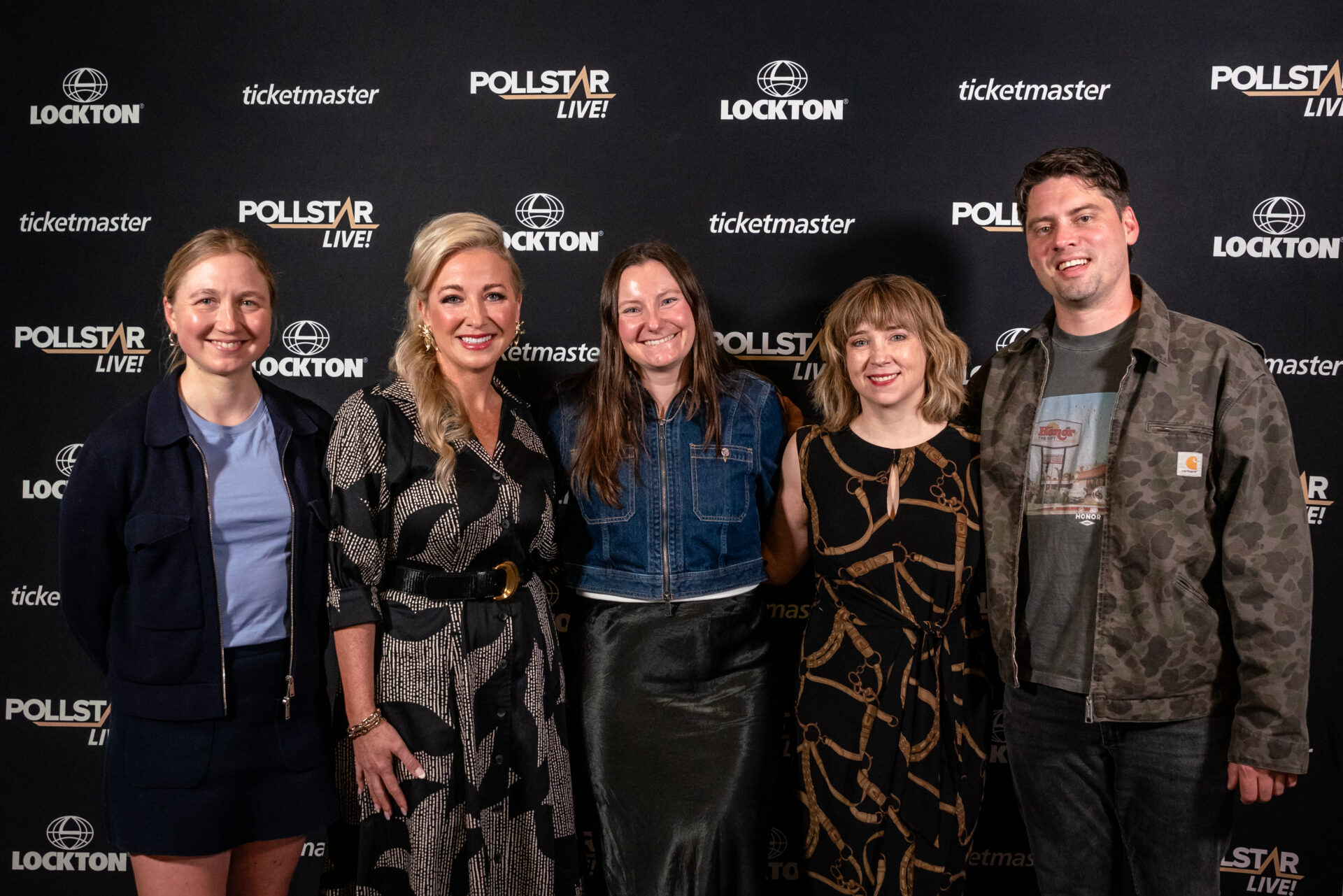
Before, During & After The Show: Whose Responsibility is Sustainability?
Moderator:
Emily Lindhal – Director of Sustainability, Oak View Group
Speakers:
Dylan Siegler – SVP, Head of Sustainability, Universal Music Group
Anders Rahm – Founder, Raw Cereal
Alycia Gilde – Chief Strategy Officer for Climate Action Partnerships, Los Angeles County Internal Services Department
Hanna Grahn – Head Sustainability & Climate Action at Spotify
To answer the question “Before, During & After The Show: Whose Responsibility is Sustainability?” is simple. Everyone in the music ecosystem has a role to play including the artist, record label, promoter, streaming service, production and transportation companies – and beyond, as well as the cities hosting tour dates and festivals. Of course, putting that into practice is a little more complicated.
As Dylan Siegler, SVP, Head of Sustainability at Universal Music Group, put it during the Pollstar Live! panel discussion on April 16: “It takes a village to do this.”
Alycia Gilde, who serves as Chief Strategy Officer for Climate Action Partnerships at Los Angeles County Internal Services Department, noted that it’s all about having a mentality of “everyone’s in this together” – and examining how you can meet everyone where they’re at.
“I think at the end of the day we want this to not only be an economic way we live but we’re seeing how it’s promoting a more prosperous future,” Gilde said. “Sustainability isn’t something that’s holding us back or making it more difficult to move forward but [it should be looked at as the] very fabric that’s integrated into our future, how we live.”
Anders Rahm, founder of event design studio Raw Cereal, which provides full service event production, spoke about the importance of education and communication – and when working with vendors and artists, bringing up sustainability early on. As he explained, he might ask if there are any sustainable initiatives the artist would support, as well as pointing out the most efficient light fixtures and/or the benefits of rentals.
“Some direct examples on the fabrications side, when we’re building a show, often the question is are we going to build something new or utilize a rental or something we’ve used in the past,” Rahm said. He shared how Kid Cudi wanted to be 30 feet up in the air, floating above the crowd and the Raw Cereal team was able to retrofit something the Jonas Brothers had used rather than building something new – a sustainable win. On the other hand, there’s instances when artists prefer the company to build them something new – or specify they don’t want other artists to use it in the future.
Later in the conversation Rahm quipped “people like money, they really do,” and noted that sometimes it means spending “more money in the forefront when buying high quality products to save money later.”
The panelists discussed other innovative ways to incorporate sustainability in innovative ways, from the Sounds Right initiative, in which royalties from songs in which nature sounds were incorporated into the music were donated to biodiversity conservation, to Universal Music Group’s project to repurpose old merch that hadn’t sold.
“We need to essentially make available the infrastructure and products so [artists] can become more sustainable … Some T-shirts that were tucked away in a warehouse in the Nashville area … we broke those garments down into fibers and HALO-TEX rewove them into new cotton. This became an entirely recycled blank. Those are now available for bands to take on tour or for really any of our customers to purchase from Bravado and Fame House, our merch divisions,” Siegler said.
The panel discussion concluded with a call to remain hopeful about the world becoming more sustainable and bringing about change, while avoiding perfectionism.
“Perfect is the energy of good. Just start. … it doesn’t have to be super sustainable, [the] greenest event ever, just start and build it from [there],” said Hanna Grahn, Head of Sustainability & Climate Action at Spotify.
She added, “I’m very biased but I always think about [streaming music] when it comes to changing behavior. Most people don’t think twice about sharing music … you can truly change behavior in a very short time period so I’m very positive about all of this.”
FREE
 Daily Pulse
Subscribe
Daily Pulse
Subscribe
 Daily Pulse
Subscribe
Daily Pulse
Subscribe