
The Aluminum Trap: Why the Live Event Industry’s Next Big Move Must Be Reusable Cup Systems (Guest Post)
By Crystal Dreisbach, CEO of nonprofit organization Upstream
Few things compare to live music. The experience of being in a crowd, in a room with thousands of people, all there for the same moment — that’s irreplaceable. What is replaceable: the carpet of single-use cups and containers left behind when it’s over. The live event industry generates roughly 3 billion single-use cups a year, contributing to the intersecting crises of waste, pollution, and climate. Swapping one disposable material for another doesn’t touch any of that. It just changes the color of the problem.
This year, the color may be silver. There’s a concerning trend toward promoters shifting to single-use aluminum cups. I want to be direct about what that is: not a climate solution, but a material swap. And material swaps, however well-intentioned, are how industries stay stuck.
I’ve spent my career at Upstream, and before that at Don’t Waste Durham, looking at the big picture of waste. The reality is that single-use aluminum is a climate trap. While it carries a halo of recyclability, life-cycle analysis tells a darker story. Single-use aluminum performs worse than plastic reusables on nearly every environmental measure, especially carbon emissions. The upstream impact — from bauxite mining to energy-intensive smelting — creates a staggering footprint that a single trip to a blue bin cannot offset.
Not to mention, these cups are often plastic-lined, making them a hybrid product that complicates the very recycling story they sell. In the high-contamination environment of a concert, “recyclable” rarely means “recycled.”
In the 90s, we were told recycling was the answer. Then came compostables, which often end up in landfills due to a lack of industrial infrastructure. Now, the industry is repeating the pattern with aluminum.
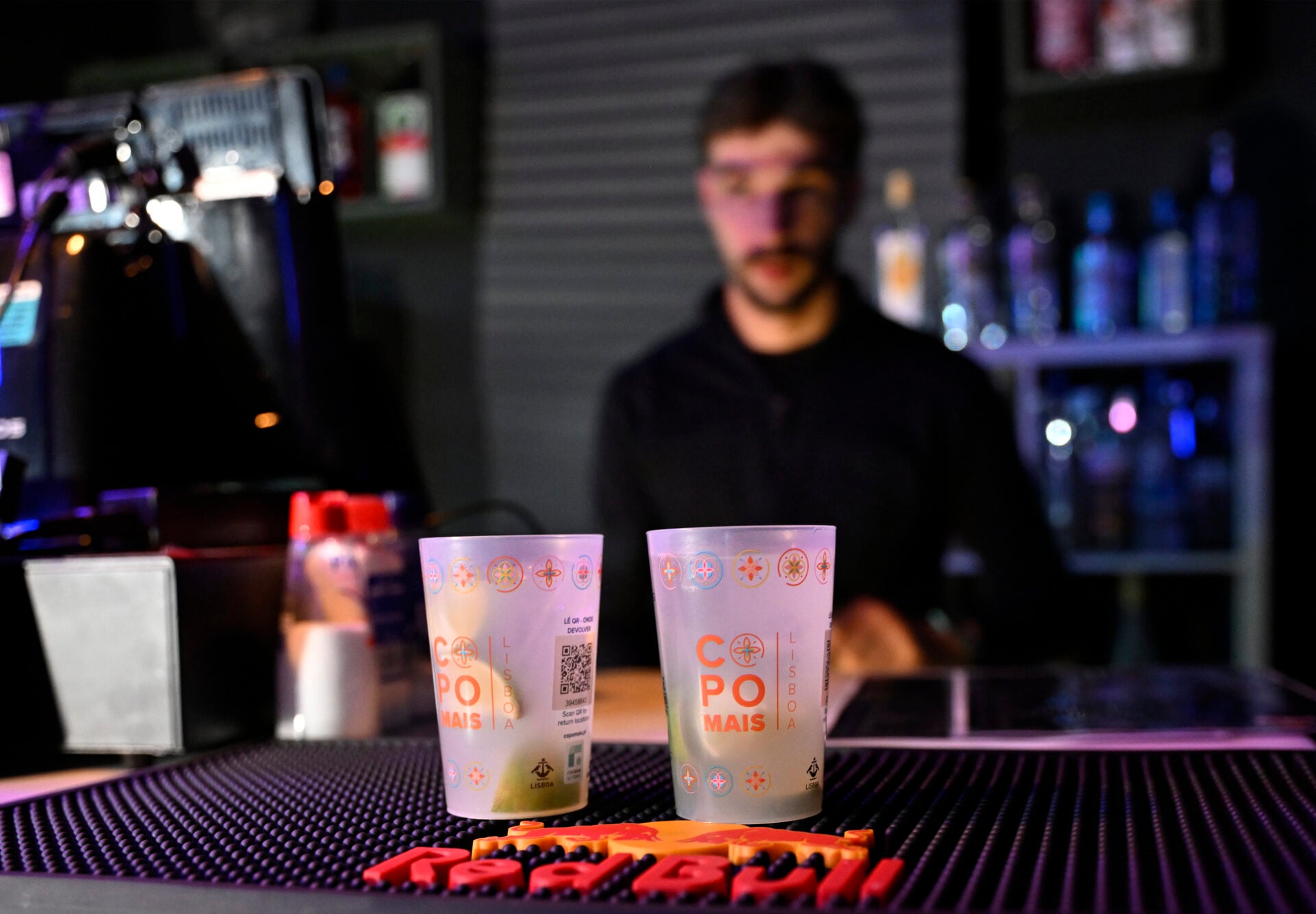
To truly lead, the industry must move past the material-swap game and embrace genuine reuse. Unlike single-use alternatives that merely put a new label on trash, reusable foodware systems are designed to keep resources in play and out of the environment. These systems are not only viable but superior. In addition to the environmental benefits, reuse systems are easy to implement, can save venues money, and can drive revenue. Reusables leave single-use aluminum in the dust when it comes to climate impact and resource preservation. Leading reuse service providers for events are showing us the wins firsthand, and making the case for the Live industry to throw its weight behind reuse and accelerate the already increasing momentum. This isn’t a boutique nice-to-have — it is a scalable, tech-enabled solution that respects both the planet and the fans who are tired of seeing a carpet of trash at their favorite shows.
When a venue implements a reuse system, they aren’t just managing waste; they are preventing it. A reusable cup only needs to be used a few times before it outperforms every single-use option — plastic, paper, or aluminum — in terms of energy, water, and CO2 impact.
In fact, Climate Pledge Arena shifted away from using aluminum cups to using durable reusable cups last summer to remain “the world’s most sustainable arena” — presumably when the initial “sponsorship” subsidies ran out and aluminum’s negative environmental impacts became clear. By eliminating the old single-use aluminum cups, Climate Pledge will cut down on a million single-use products per year.
AEG and NIVA are showing their commitment to reuse, steering clear of the aluminum trap and significantly reducing waste by transitioning to reusable cup programs. Among other AEG sports and music venues, Peacock Theater and Crypto.com Arena went to 100% reusable cups in 2024, making the latter the first major sports and entertainment venue in California to fully transition to a reusable program. The year before, Moda Center became the first arena in the U.S. to implement a venue-wide reusable cup program.
Choosing single-use aluminum just makes a broken system worse. It keeps us tethered to an extractive, take-make-waste model that the planet can no longer afford. This Earth Week, I challenge venue owners and promoters to look beyond the shiny recyclable label. Don’t settle for the aluminum trap. The future of live music isn’t disposable — it’s reusable. That is the only encore our planet can support.
Crystal Dreisbach is the CEO of Upstream, a nonprofit organization that creates the enabling conditions for the reuse economy to scale through policy, financing, and cultural transformation. She has spent 15 years using her experience as an early operator of reuse systems, high-confidence research, and vetted science to show how treating reusable packaging as circulating assets — not disposable commodities — can build economically resilient systems while addressing the climate crisis. Crystal’s work has been featured on PBS, NPR, Fast Company, and The Guardian. She holds an MPH and is a Returned Peace Corps Volunteer.
FREE
 Daily Pulse
Subscribe
Daily Pulse
Subscribe
 Daily Pulse
Subscribe
Daily Pulse
Subscribe