
Building On A Legacy: How Celia Cruz Manager Omer Pardillo Continues To Expand The Late Salsa Icon’s Influence Across All Media
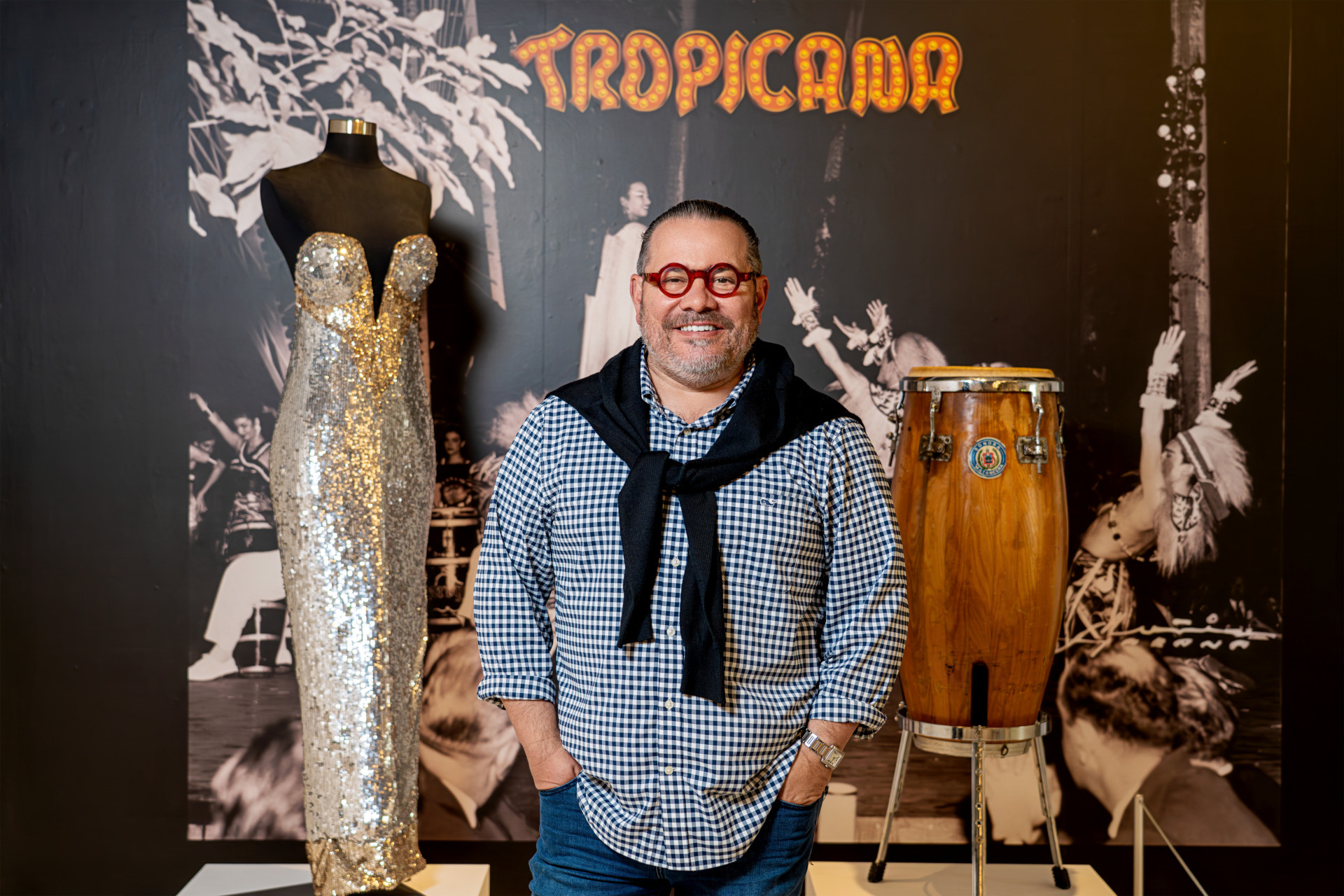
Nearly 23 years after her death, Celia Cruz is as relevant as ever in the music industry with a major exhibit at the National Museum of American History in D.C. and snippet of her song “Quimbara” played during Bad Bunny’s memorable Apple Music Super Bowl LX Halftime Show.
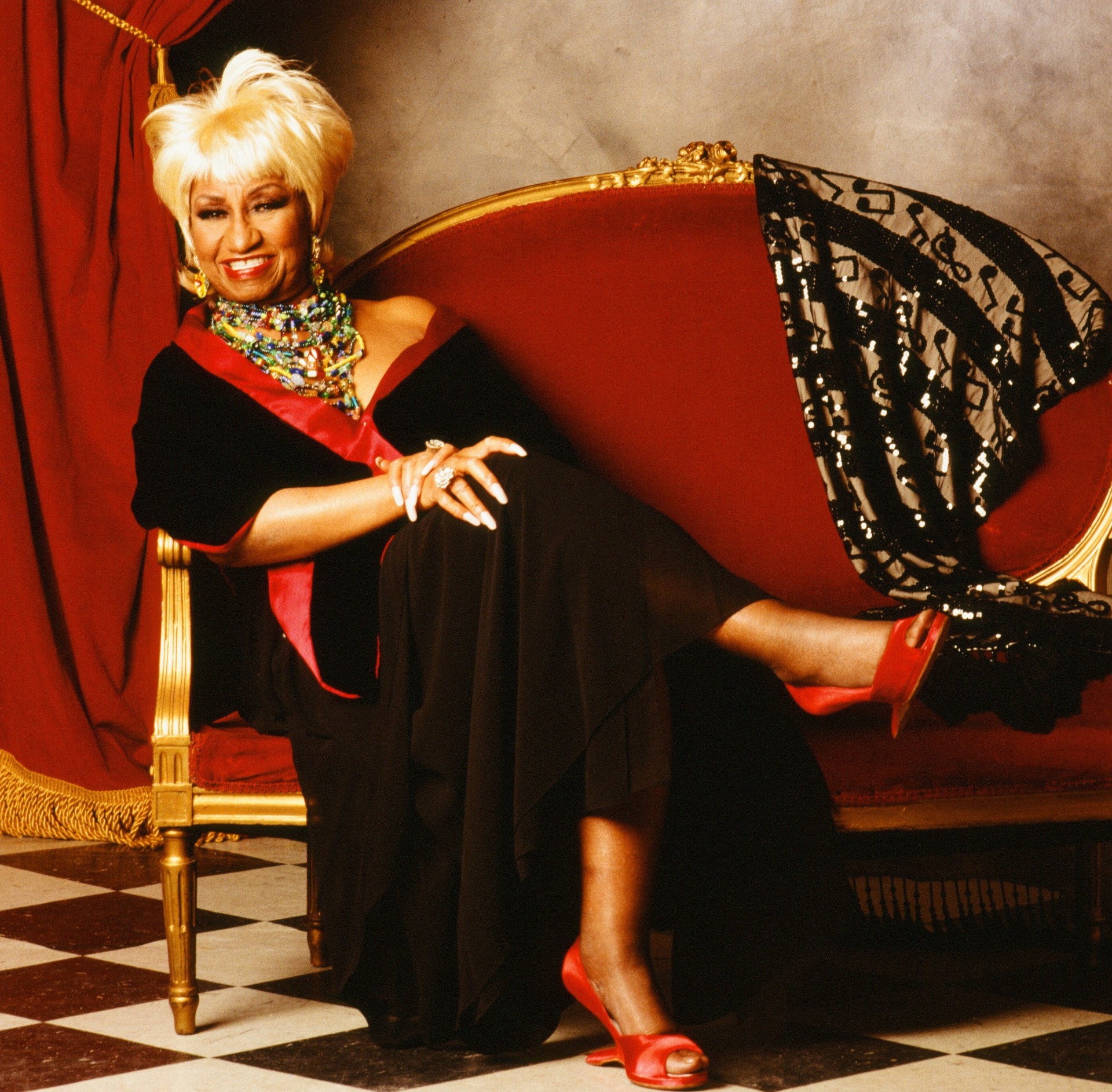
Tens of thousands mourned the Cuban American icon during her funeral in July 2023, and millions more today keep her legacy alive by listening to her songs on music platforms—Cruz has nearly 7 million monthly listeners on Spotify and multiple tracks with hundreds of millions of streams—collecting the special U.S. Mint’s American Quarter coin that featured the singer, which made her the first Afro-Latina to appear on a quarter and purchasing her Latin Grammy-nominated commemorative album En Vivo: 100 Años de Azúcar from Loud And Live Studios.
To this day, Cruz’s flame enkindles a Latin music business that has taken center stage, and credit for the growth of her legacy over the years goes to Omer Pardillo, who began managing the salsa legend in 1998 and continues to manage her estate.
It’s no easy feat to oversee someone’s work and legacy, expand the artist’s influence and business, and respect their (and their family’s) wishes. It’s a delicate balance Pardillo is always cognizant of when he’s pitched business opportunities, and his efforts to preserve and cement Cruz’s legacy paid off in the biggest way when The Rock and Roll Hall of Fame announced the Queen of Salsa will be inducted later this year via its Musical Influence category, marking the first time a Spanish-language artist is being honored by the Rock Hall.
The fiesta Cruz jumpstarted nearly eight decades ago is as vibrant as ever, and Pardillo spoke to Pollstar about that legacy, as well as his relationship with the Latin music legend, managing her estate and the fulfillment of seeing her influence grow over time.
Pollstar: I know you started in the music business working in publicity for major artists, including Marc Anthony and Tito Puente. When did you start working with Celia Cruz?
Omer Pardillo: My life, first of all, is pretty much Celia Cruz since I was 17 years old. I had the great honor of meeting her when I was 14 years old through a friend of the family. When I was 17 years old, I needed to take a class, an internship, so I went to RMM Records. It was a boutique label out of New York, where salsa was happening with Marc Anthony, India, anybody who was who in the salsa world was signed to the label.
I got my internship, and Celia comes two months after, and her prior manager, Ralph Mercado, sees that I’m talking to her. He comes out of the office and says, “Hey, what are you doing talking to that kid?” Celia says, “I know him. I know the family; we’re friends.” Being at the right time at the right place. Ralph Mercado was a great manager and gentleman I admire, and I owe a lot of my career to him because I learned a lot from him. He goes, “You know what? Celia is Cuban. Anything related to Celia Cruz, get Omar involved.” So I started doing what interns do: video copies at the time and press kits. Then I became her publicist for about three years and then I went to road managing Celia because Ralph didn’t travel.
When I was 23, she decided that she was leaving her former management, Ralph Mercado. We were coming back from the Grammys, and she called me. We’re taking the red-eye flight, and she said she needed to talk to me. I sat next to her, where her husband, Pedro, always sits, and she said, “We’re leaving Ralph, and we think you can be our manager.”
I told Celia, “There’s two ways it can go: I can take your career to the next level or destroy your career because of the lack of experience.” And she was a smart lady. She goes, “Omer, if something goes wrong, I’m the one asking you.”
I mean, I knew the business, I knew the promoters and I knew what was happening, but at 23 years old, to manage an icon, it’s tough. But I have to say I had great support from Emilio Estefan, who’s a dear friend, and we changed everything: new label, new account and new publicists. That started my management era until the day she passed, and I was so blessed that Celia, in her will, decided that I was her executor. I’ve managed her estate, and my life is Celia Cruz, career-wise.
That’s an amazing story. You had to learn about managing an artist on the fly, which must have been a challenging transition. What can you tell me about transitioning to managing her estate, and how you’ve adapted to that role?
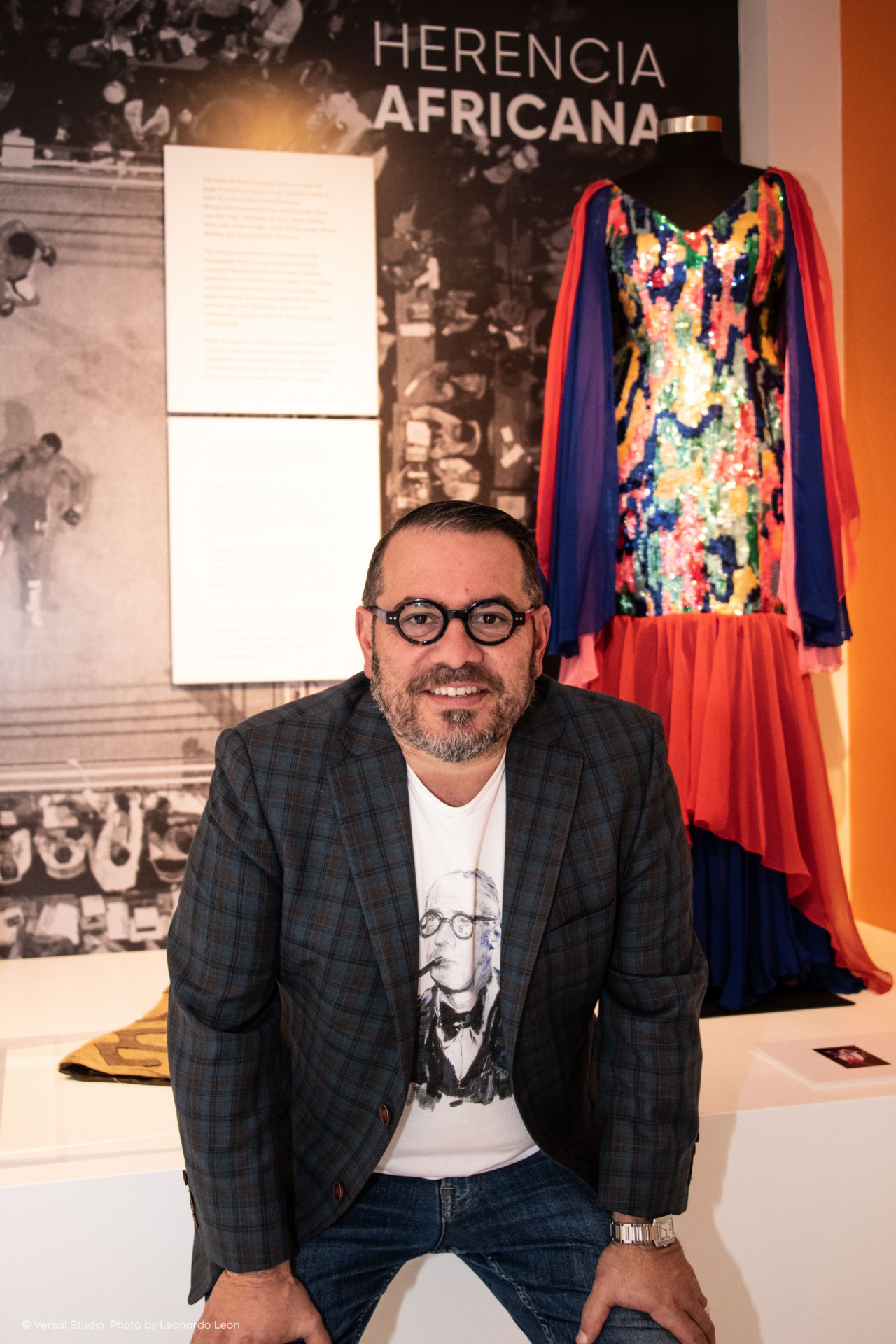
In the beginning, it was difficult because she wasn’t here. We were putting ducks in a row, but I was blessed that Celia was a very organized person. She had every award and display, scans of newspapers of her life for the past 60 years. We started with exhibits, and she was one of the first Latinas to have a permanent exhibit at the Smithsonian. In 2004, a year after she passed, we started that exhibit and started doing traveling exhibits.
It was there I learned that even though she’s not here physically, there was a brand and her catalog, her music. I mean, Celia has over 6 million listeners a month on Spotify. She’s very relevant throughout the years.
Celia was very ahead of her time with the way she dressed, and the new generation is discovering Celia through social media over the past seven years, and some learned about her music through their parents and grandparents. It makes it easier because we have so many assets to post to enhance her legacy.
I imagine her relevance has also grown because of the rise of Latin music. We just saw Karol G shine at Coachella and Bad Bunny amaze people at the Super Bowl. These acts find ways to break new ground while honoring what came before, and Celia is one of those artists who is often sampled and mentioned by today’s stars.
We have done duets with some of Celia’s tracks. There’s a track called “La Negra Tiene Tumbao,” and it was one of the first times salsa and reggaeton were merged back in early 2001. Several months ago, we also had a duet with a Colombian artist [Andrés Cepeda], so those are the things we do to keep Celia relevant to the next generation, and we’re always looking for partnerships and opportunities with younger acts. We’re blessed because Celia is very respected, and most of those collaborations, the artist comes to us.
How has technology helped people like you, Omer, who manage an artist’s legacy after they have passed away, to make an estate more valuable?
Social media and music streamers help us tremendously. When she passed 23 years ago, none of that existed. It has only grown her fan base, not only in the U.S. but internationally, too. We try to do a good job on her Instagram page, Facebook and her official channels. Those avenues are great, and with AI, we’re obviously looking into the future. I’m not completely convinced of AI yet. That’s me, though. I’m 53 years old, but I think that’s part of the new generation. We’ve talked to a couple of companies about it, and how they can maybe develop her voice or something that sounds like her, and there are also companies like ElevenLabs, which recently did a project with Maya Angelou, and it was spectacular. You hear her speaking, but it’s all AI.
But really, you also have to take care of everything with Celia. It’s difficult for me to make a decision for someone who isn’t here. She trusted me. So every time I make a decision, I have to think if she would like it and make a plan. I’ve been approached by a lot of brands and things that I know she wouldn’t do, so I have refused things. We’ve had some beautiful partnerships with brands, but I sometimes have become the police chasing names and quality control because people grab the name, do a tribute, and don’t ask for permission. I’m with lawyers all the time, as you can imagine, sending cease and desist letters. It’s difficult to make an artist who isn’t here more relevant, and you have to become very creative.
Some have explored such creativity through holograms or lifelike visuals to make audiences feel as if the artist is still here. One example that comes to mind is Argentinian rock band Soda Stereo touring using the image and voice of frontman Gustavo Cerati, who died over a decade ago. But what are your thoughts on some acts being revived using that technology on the live circuit? Do you think it can hurt an artist’s legacy?
I think it helps. We’ve been approached by a couple of companies to do something like what they did with Cerati. We haven’t closed any deals like that yet because I think you need to enhance it with an experience. Just a full concert by Celia, even if you’re the biggest fan, through a hologram, isn’t enough. You need something else. I’m sure we’ll do something in the future, but I don’t know when.
So far, we’re working on a couple of projects, like a documentary, and those are more realistic. This year, we’re celebrating the centennial, and that has opened the doors for a lot of things. What happened with the Rock and Roll Hall of Fame was unexpected.
How did you find out that she was going to be inducted into the Rock Hall?
When we got the email, I wondered if it was a real email. I was surprised, man, because about 10 years ago, we sent a proposal to them and a formal letter saying that she should be inducted.
She’s not being inducted for rock, though she did three rock songs, but they’re doing it for legacy and her impact in the music business. I mean, two years ago her face was on a U.S. coin. I saw that and thought that was the biggest thing she was going to get and now comes the Rock and Roll Hall of Fame. So I’m like, what’s next?
It’s just so impressive how she touched her fans with her voice and persona and way of being. Celia was an icon, but she was very humble. Celia was a light for Latinos, someone they could look up to. She came here in the ’60s with nothing, and she was one of the first Latinas to appear on American TV, one of the first Latinas to play more than 20 shows at Madison Square Garden.
She did this all as an immigrant, and she’s an example of what we are.
To have someone like her, an immigrant and Spanish-language artist, comes at an important time when the Latino community can use some good news. It seems like everything really came together for her to be recognized. What could this mean for the community and Latin artists?
I think it marks that Latinos are very important in the U.S. and we’re finally getting credited and recognized. That’s something Celia fought for many years. She was proud of being Black and a Latina. It’s about time that we’re getting recognized by the Rock Hall of Fame, especially an Afro-Latina woman who did without speaking much English.
Music transcends, and now we know language transcends. And it’s important [because it sends the message of] we’re here as immigrants, and we’re here as people who do good things and people who help the country. Many of us are American citizens, but we’re here to help represent the country, not forget our heritage, which is key in Celia’s case. Santana is the other Latino in the Rock Hall of Fame who’s never forgotten that he’s Mexican American. The importance of keeping heritage, who you are, but at the same time dealing with American culture and feeling proud of both, that is something that Celia carried through her music, her persona.
With Celia’s achievement and the fact that Bad Bunny’s Spanish-language album won the most coveted Grammy, it’s a remarkable time for Latin music. Has it opened other opportunities for you to maybe venture out and work with other artists or in other avenues of entertainment?
The past five years, I’ve been solely dedicated to Celia. She has become a full-time job. Before, it was part-time, but I consult with Loud And Live’s Nelson Albareda, and I’ve done tours with some of their artists that they work with, but every year, Celia grows more, so it’s become a full-time project.
Sometimes you think the next year will be slower, but it’s not. We have a concept called “Celia Sinfónica,” which is Celia’s music with a symphony, and we’re touring with that now to Spain, Mexico and Venezuela. It’s constant touring, and now we have two tours going on, including “Celia Vive,” which is a smaller tribute concert.
It’s project after project.
With the centennial of her Celia, are there any projects in other media?
Well, we’re always working on a movie, on a biopic about Celia. It’s in the very early stages. The documentary that I mentioned, and potentially a musical on Broadway that features her music and story. There’s never been a salsa musical until Buena Vista Social Club, which is Cuban music, and it’s been done very well for years.
For years, I’ve wanted to do this, but when I saw Buena Vista, I got the push to do it. Celia has to be on Broadway. She has made such an impact on music and it’s so unique, and I think she deserves a Broadway show. We’re in the early stages, but we’re there working on it. Those three projects have me going.
With Celia Cruz having that kind of impact on the industry and people over 20 years later, you’ve managed to grow her estate and legacy while keeping each venture authentic to the artist, which many agents and managers have told me is a challenge with social media and brand partnerships.
It’s a lot to consider. It’s a labor of love and a lot of thinking and consulting with the family. I just want to keep things right and have the right approach to these things.
FREE
 Daily Pulse
Subscribe
Daily Pulse
Subscribe
 Daily Pulse
Subscribe
Daily Pulse
Subscribe