
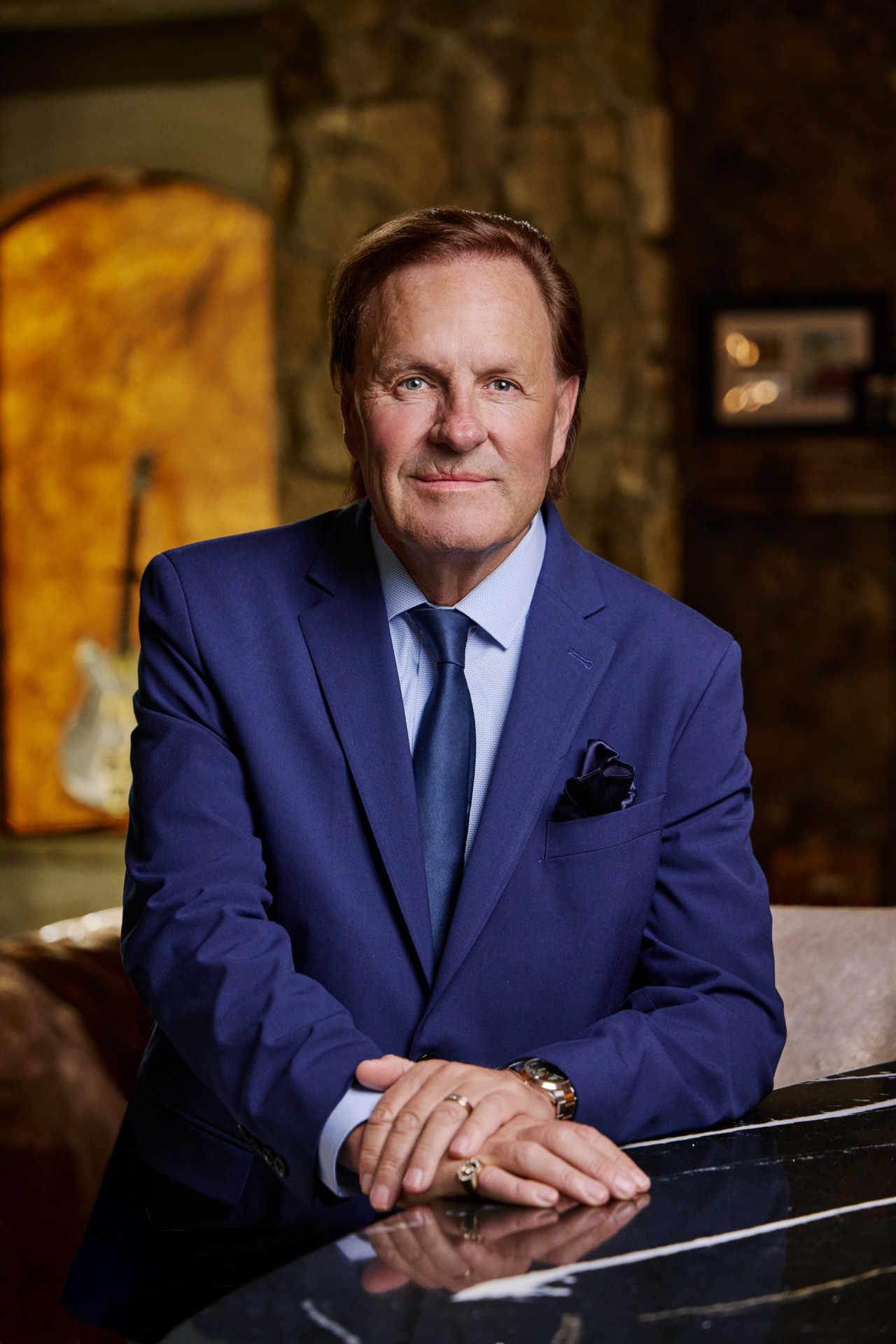
Executive Profile: Keeping It Rolling With Country Thunder’s Troy Vollhoffer
Festival booking is often about not just identifying what’s going to be hot by the time the event rolls around, but before it blows up — getting the next big thing before the rest of the world catches up can add buzz, not to mention land top talent at a discount.
Country music, much like other genres in the post-Spotify era, moves quickly, meaning superstars can blow up in a matter of weeks, well after festival lineups are booked.
However, more and more in the country space, the genre’s longevity has proven a strength, with a larger talent pool spanning multiple generations and sub-genres within the wider country music scene while still serving a specific lifestyle element.
“The kid who was growing up in the early 2000s who’s now a big music consumer was listening to the Keith Urbans and the Brooks and Dunns and Blake Sheltons, and now, they’re turned on to Zach Top, Red Clay Strays and there’s new stuff to tap into like the Ella Langleys of the world,” says CEO and president of the mutli-city Country Thunder festivals, with five major events in North America. “When you say there’s something for everybody, everybody really can enjoy it. And from a demographic standpoint, it’s more than just all classic or brand-new country. We have our success mixing within the genres.”
Vollhoffer is a veteran in the live event production and country music festival space, with Country Thunder over the past 20 years becoming a staple of the country music calendar, with multiple multi-day events in the 20,000 to 30,000-capacity range and featuring talent including Luke Combs, Morgan Wallen, Chris Stapleton, Miranda Lambert, and Lainey Wilson, growing with the genre and changing with the times.
With Country Thunder Arizona (April 9-12) and Florida (May 8-10) under his belt already, and looking ahead to events in Alberta, Saskatchewan and Wisconsin, Vollhoffer shared some more insight with Pollstar.
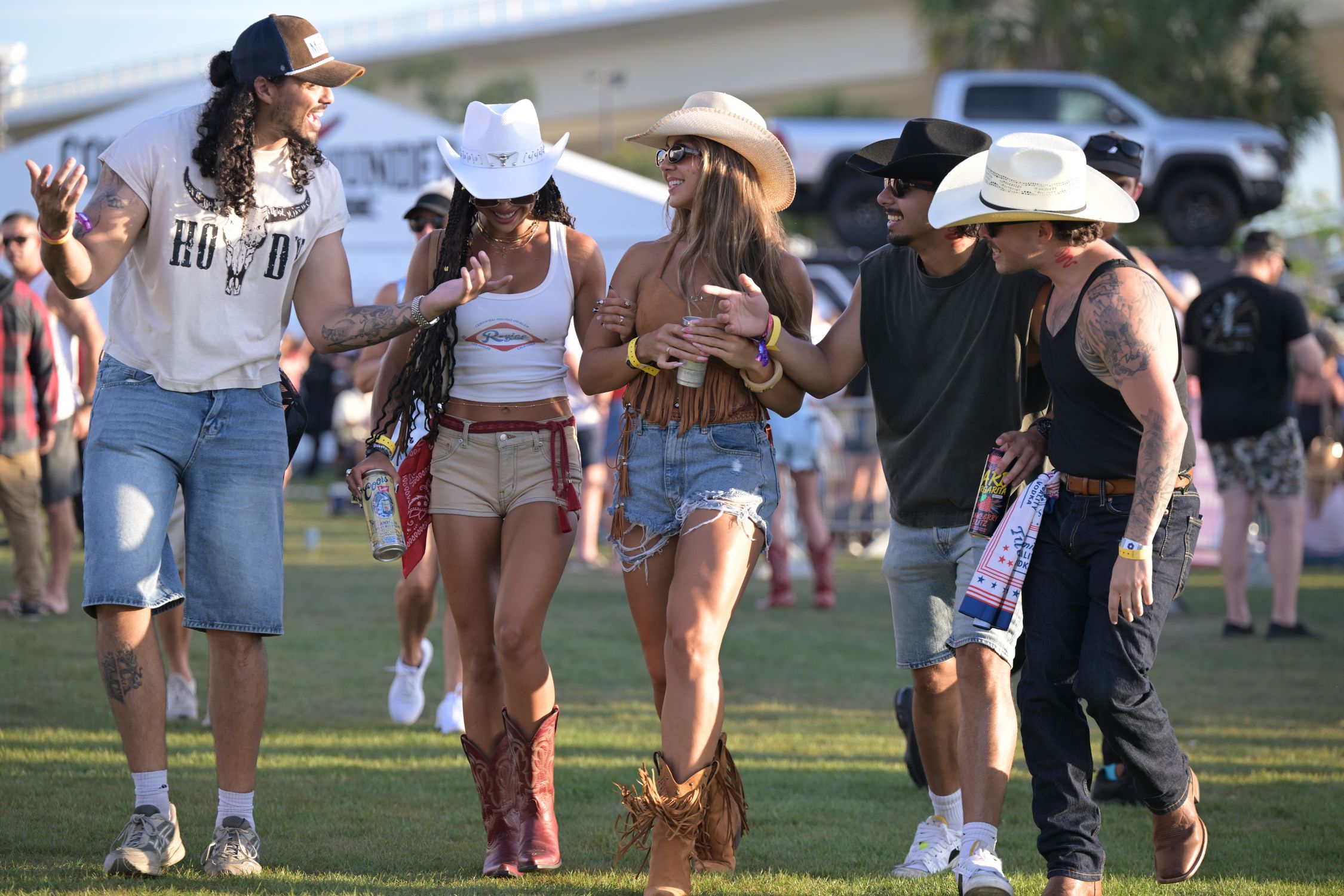
Pollstar: Your Arizona Country Thunder, in Florence, was topped by Gavin Adcock, Lainey Wilson, Zach Top and BRooks & Dunn. How did it go?
Troy Vollhoffer: Arizona was awesome. We had great crowds, and what was awesome was once we finished the festival, we went on sale with 2027 – holy smokes, we’re already in ‘27, right? — and had an unbelievable onsale, which was a real blessing and a real bright light looking forward to ‘27. We didn’t have any acts announced yet, so that’s a really good sign. We’re probably about 60% sold out already. So camping will be sold out probably by the end of next week. That’s 8,000 camp sites.
No one says any of it is easy. Care to share some of the biggest challenges in keeping the thunder rolling?
The biggest challenge in the format is booking a year in advance and knowing who’s going to be happening or still at the same level, 365 days later from the time you book them. Sometimes in this genre, artists will get super hot and all of a sudden they’re not (laughs).
Stadiums are probably the biggest challenge to the festival business. Everything is cyclical, and I’ve seen the different trends throughout the years that I’ve been in this business. There was a downtrend in the late ‘90s, and we were doing the production for festivals and they just couldn’t pay their bills. So just to keep the route alive, we took over the festivals and started building them. We were doing some of the biggest festivals in America at that particular time, and we looked at the good ones and learned from them, and looked at the bad ones of not what to do. That’s kind of how we honed our skillset.
How about the biggest changes in that time?
Well, over the course of the last 25 years, touring has become a big deal whereas it was probably Alabama in the late ‘80s as the first country act to take out full production, with like a rock show, four semis full of gear. That’s when it started. There were only one or two acts that could actually pull that off. Randy Travis was one and then later on in that era, Alan Jackson and then obviously Garth Brooks, but that was it. The rest were basically putting the backline underneath the bus and playing weekend warrior stuff. From a booking standpoint, the agents have a lot more options to facilitate their clients.
Then you have when Live Nation became Live Nation where SFX and started buying up independent promoters. That changed the game, too, because now all of a sudden they’re doing one buy and guaranteeing the artist X amount of dollars over X amount of dates. That changed everything. It’s been a very interesting road seeing how the actual business itself changed. And I think it’s changed for the good. I don’t think it’s a negative thing. I think it’s a real positive thing.
Your events vary a bit from location, but what’s the general format and concept?
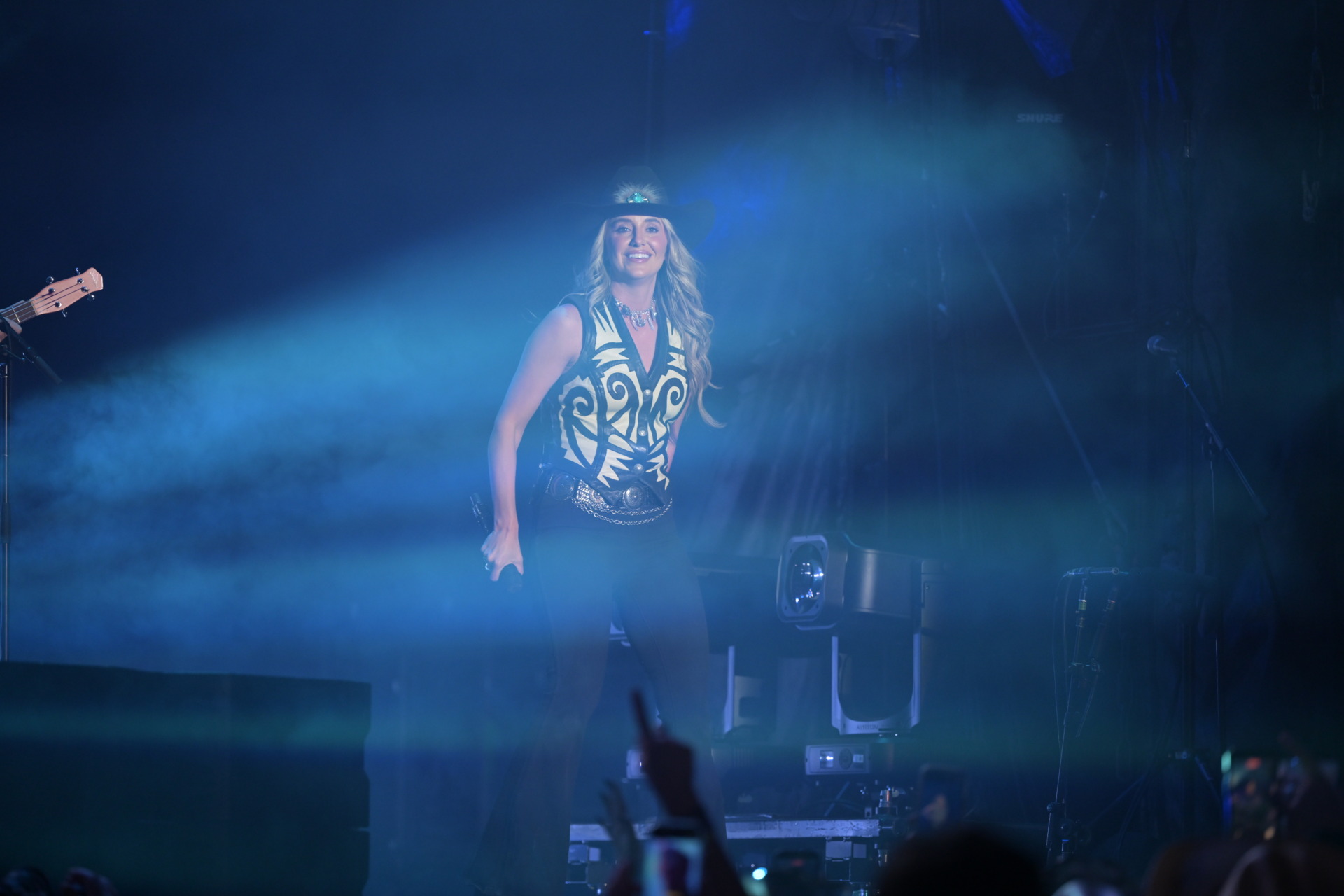
We do about 25,000 to 30,000, 35,000 a day, depending on what the market is. We’re doing three to four stages per festival, plus we do this really cool thing. Since we’re in Nashville, we’re kind of privileged in the sense of getting to know the songwriting community, which is a real awesome art in its own right and the backbone of country music. So we do writers tents with some of the A-listers, like last week, Ella Langley, they had a No. 1 across all genres. Johnny Clause, who wrote that song, was at our festival and played during the songwriter’s tent. So Blake Shelton can be playing on stage, and the dude who wrote his hit, he’ll be playing in the songwriter’s tent. It’s a very cool addition to what we have going on.
We like to mix it up a little bit because there’s a different demographic in each market. Some of these festivals are a younger audience, younger demo, and some of them are more of a mature demo, then there’s some that are totally 50-50. We try to accommodate everybody’s interests and be a festival for all the folks.
You were raised in Canada and have a few events in in the country, including a a new event in Edmonton.
That’s a rock fest, it’s called Rockin’ Thunder and it’s in its second year. Creed is one of the headliners, and we have Three Days Grace as the other headliner. It’s about 15 bands, so it’s a kind of cool event too.
Under-served markets seem like an opportunity for festivals.
A misconception of being in this business is you think the underserved markets are a better market necessarily because they’re underserved and don’t get the big shows or the big tours, but that’s really not the case. Having a larger population to draw from is a lot more advantageous when hosting an event of this size. So, it’s been kind of a challenge in certain areas, and just sizing everything. We’ve been lucky and successful.
Camping is a big component to your events? Some are four days, which i imagine allows time for getting in and settled.
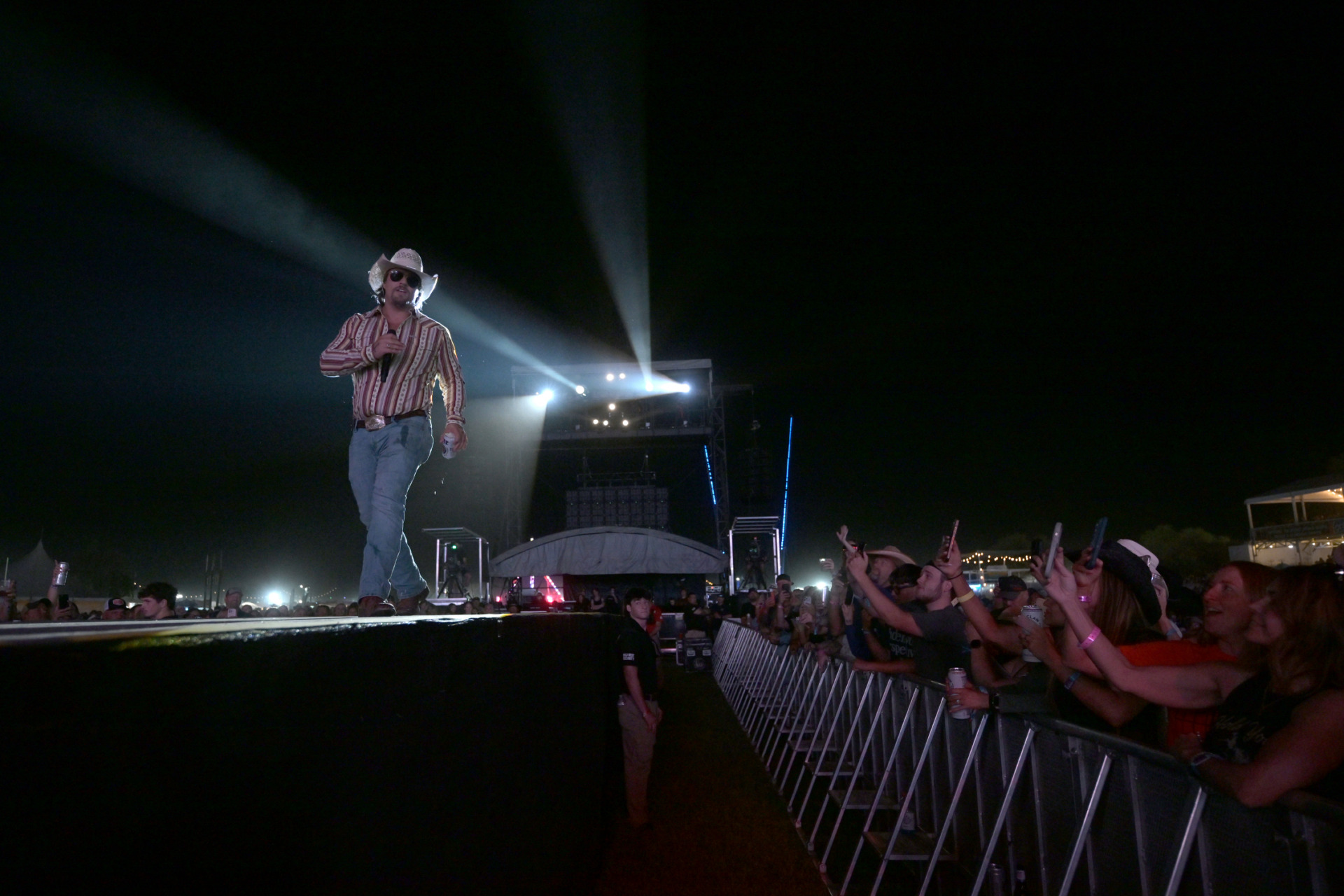
Thursday usually kicks off around five o’clock in the afternoon. We have four camping festivals, and they were all historically recreated camping festivals. The one in Saskatchewan is the oldest continuously operating festival in North America, which started in ‘83, the Big Valley Jamboree. Everybody has played the gig. I started there as a kid being a stagehand, when my father ran the stagehands union. They had everyone from Johnny Cash to Mel Tillis to all the legends. I was there one day when George Jones played two songs, walked off the stage, went down the stairs, urinated, and got on his bus and left (laughs).
Building festivals in additional markets is not for the faint of heart, or light of wallet.
That’s about a three-to four-year build. You’ve got to have some strong desire to create a new festival in a certain market. You’re gonna lose money in the first couple years building it. It’s just the building pains and the investment you have to take in doing it. That’s the reality of it. I would say most of these events are talent driven, more so than anything. Picking markets is an interesting task because you have a lot of different challenges that come into play.
Are you looking to expand to more markets and number of events?
We’re happy with where we and always are looking to find new markets and expand. We’ve done some that we thought were going to be great markets and didn’t turn out to be, so we moved on and just moved to another market. We’ve had a lot of long lasting events, and the majority of them have been long-lasting events. We’re going back to the ’90s on most of these events, Country Thunder’s been around since 1993, ’94.
We’re in a nice place right now. This is somewhere where we sit and see the market trends and how they ride themselves out. I think there’s going to be, potentially a little bit of correction in the marketplace and it’s a good time just to sit tight. We got our events, we got a good flow to it. We have a great team to go out and facilitate these events. We probably look at expansion within the next two years.
FREE
 Daily Pulse
Subscribe
Daily Pulse
Subscribe
 Daily Pulse
Subscribe
Daily Pulse
Subscribe