
Q’s With: Stephen Parker Ahead Of NIVA’s 5th Conference
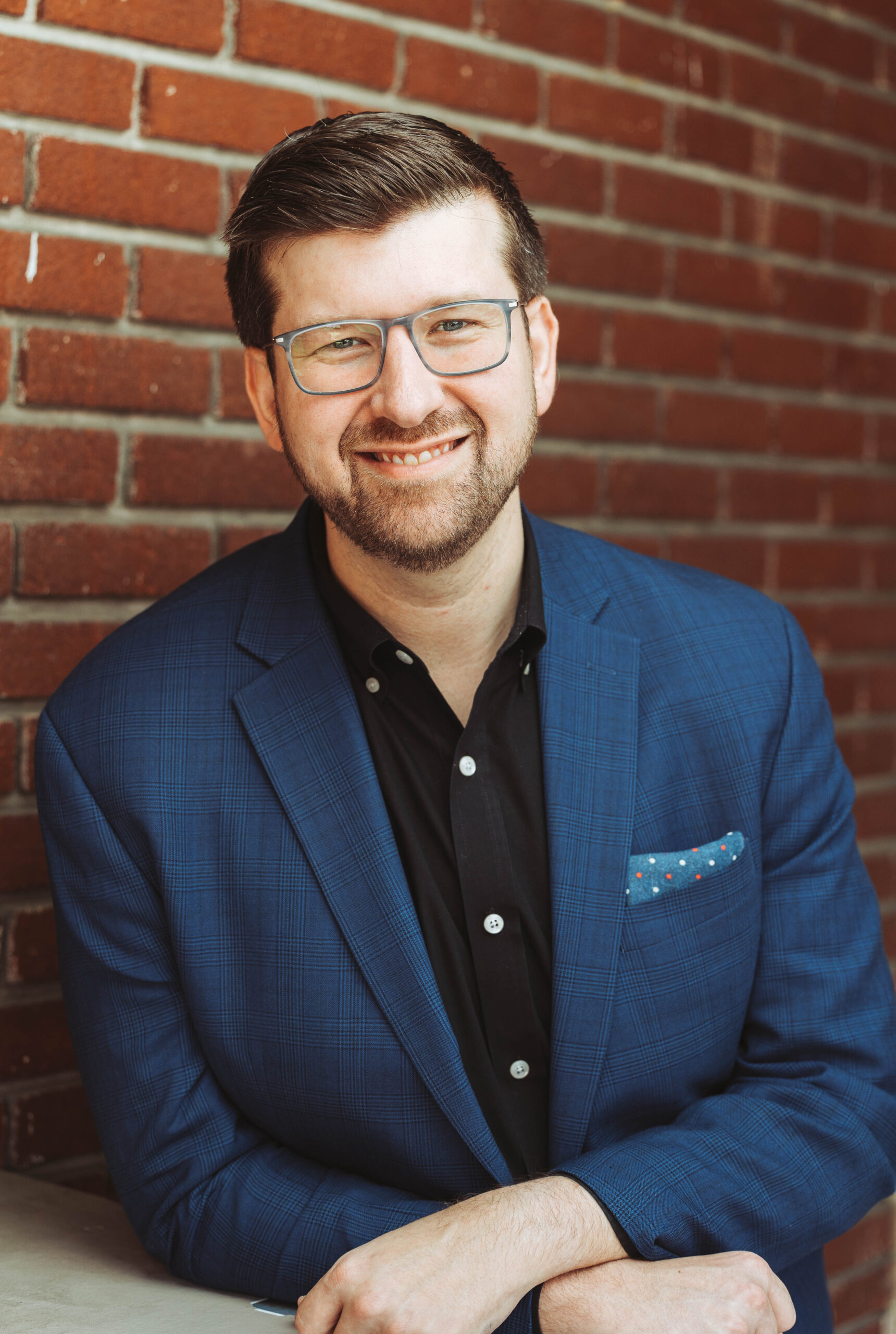
The National Independent Venue Association’s fifth annual conference is set for June 7-10 in Minneapolis. Pollstar spoke to the group’s executive director Stephen Parker about what to expect out of event and what’s coming for the country’s independent stages.
Pollstar: It’s the 5th NIVA conference. It feels milestone-ish.
Stephen Parker: It is. It’s always great to have an in-person gathering spot for the folks that didn’t have a gathering spot before NIVA existed. So it’s going to be fun. We’ll see how many people get five-timers jackets, SNL-style.
Oh, is there a secret room for the people who have been five times?
We should have a secret room, but, no, we don’t have a budget for that. I don’t have a budget for jackets. Maybe pins. We’ll see.
What are you excited about? That programming list was comprehensive.
That’s just that’s the tip of the iceberg. We have more coming. I’m excited about the feel. Last year, in Milwaukee everybody just kept coming up to me, coming up to our staff, coming up to our board and talking about how different this conference feels in comparison to the rest of the year. Not just other conferences, just being in the same place with people who are going through the same challenges as you, having the same victories as you, experiencing the same kind of complex puzzles every day that you are and not being able to have somebody close to you that you can talk to about those things, but having that for four days, I think is always the goal. Our goal is never to be a particularly large conference. It is to be right-size so that people can connect. I would say that we are much more of a boutique conference than anything else, and we will aim more than anything else when it comes to our conference to preserve the feel that the NIVA staff in our production team produces. It’s the feel that our members, that the live entertainment community, our partners create by coming together and the way that they come together at the conference.
I don’t want to say this after looking at these panels, but the panels are sort of secondary to the connection that happens. There’s a lot of panels.
Thirty. But there are a lot of panels because that’s what people ask for. They want a place to talk about all the things. Every single topic on that list came from our members. And so ultimately, there are a lot of panels, but what we heard every year and are doing more of this year than we’ve ever done is creating places for people to connect. People want structured places to come together where you have a facilitator and you have an opportunity to meet people and talk in a structured way about many of the challenges that are facing segments of the independent live space, and then also people just want to get a drink, non-alcoholic or not, and catch up with each other and meet new people, and we want to leave plenty of space for that as well. And also, we’re in Minneapolis. I think NIVA has many founders, but you can argue that in April of 2020, there is no more well-known incubator for where NIVA came out of than First Avenue, and it’s great to finally bring the community there.
Minneapolis obviously has a rich history of of music. I think you guys have a Prince thing, not an independent artist. Maybe he was at the beginning.
Hey, Prince was playing indie venues in his last year. He was definitely playing indie venues, not just in Minneapolis, across the country. He was play-anywhere. So to us, he was an indie artist.
But you think about The Replacements and that whole scene. Dylan comes out of that area. I think sometimes people overlook Minneapolis as a place that is sort of a great American music center.
The Minneapolis sound is ever present in so many forms of music now. Personally, I’m a huge Vulfpeck fan. Corey Wong comes from there. Think not just about the fingerprint that Minneapolis had on music 20 years ago or 30 years ago or 40 years ago. But thinking about the fingerprint that the Minneapolis music community is having right now is really important. It’s also important to remember what this community has gone through this year.
Coming to that community at a moment after they went through so much in the first quarter of this year and having an opportunity both to celebrate that those venues are still there, despite the challenges of earlier this year, and on top of that, reflect and learn from what they face so that if any emergencies happen elsewhere across the country or if there are any safety issues elsewhere across the country, we can learn from Minneapolis and how they dealt with that. I think that’s an important lesson that we’re all looking forward to learning by just listening and talking to the folks that went through that.
Pivoting off that almost in a way, there’s a a Latin panel. Obviously Latin artists play in independent venues, but we don’t always think of it that way. Indie venues sort of get stuck in an indie rock thing. But I assume Latin is a growing segment for indie venues just like it is for everybody else.
It is significant. And for us, we are preparing for the incredibly exciting reality that Latin music will be probably one of the top five most-played genres on our stages within the next five years. Do I have solid data to prove that? No, but just from the growth that we are seeing. We have rock clubs that are calling up and and asking do you have inroads with, with artists and artists’ teams from the Latin space? And I think that is a sign of of the demand that communities have. Not just to go to Bad Bunny shows — although I’d totally go to one of those any day of the week — but also to go and see Latin artists that are coming up in communities across the country.
And I think thinking about not only the Latin artists that are coming in and need those smaller stages to play when they come into this country, but also the American artists who are here and steeped in that Latin musical tradition now, who are forming bands in their backyards and in their garages, who need a place to play for their community. We want to be that place. We want to be a welcoming space for them. And we want to be welcoming space for them because it’s the right thing to do, but we also want to be a welcoming space for them because this is the future.
Again pivoting off something you said. You said people want to get together and have a drink that’s alcoholic or non-alcoholic and you have a panel about food and bev. Drinking habits are changing and we’ve heard that through the NIVA era, if we want to call it that. How much is that hurting?
It is hurting, but the bigger thing is and the first goal is to get people to show up. We need people to come through the door. That is step one. If they come through the door, that’s the victory. We need to figure out a way to meet them where they’re at. You know, obviously alcohol sales is such a huge part of how independent venues are able to keep their doors open. We know from the State of Live research last year that, that, food and beverage is such a critical part of that gap that is filled by the fact that it’s so hard to compete and artists have their own costs that you need to pay for and you can only go so high on ticket prices, especially in independent venues, we still have to be incredibly competitive in terms of the ticket prices that we have. And so ultimately, that beverage piece and the alcoholic beverage drop off in terms of sales is a major factor.
But I think the more major challenge is how do we, how do independent venues compete with the nearly $1 billion that Stubhub is spending on placing their search results above ours. How do independent venues convince people that the feeling that they’re going to experience in those rooms is so much better then they’re going to experience on their couch watching something on their phone or watching something on their tablet or watching something on their TV? That negotiation and convincing, to me, is the main challenge. And my hope is that what I have seen anecdotally starts to become the norm across independent venues, which is that people are going to adjust and venues are going to adjust.
The other night I was at a show at Songbird in DC and had a wonderful canned mocktail that was incredible. And that wasn’t the only option. There were five other ones on the menu that I could choose from. That is a great thing. For someone like me who drinks, but also on some nights just doesn’t want to drink, having those options, meeting people where they’re at. That is what we have to do to make sure that we are adjusting to the market and the market’s preferences and the fan preferences of those that are coming into our venues.
Another trend I noticed here is there’s a lot of advocacy stuff, which obviously is what you guys do, the lobbying at state level to the federal level, but there seems to be some more focus on local advocacy. Are you training an army little lobbyists at home? What happens in a city often affects venues more than what happens on the federal level.
100%. Tip O’Neill, the Speaker of the House said that all politics is local, and that has certainly been NIVA’s experience in our six-year existence. Listen, there is the wonderful thing about NIVA is that I remember in 2019 when I was working for governors and looking into what are the issues that the music industry cares about? It’s a critical issue and it’s an important one, but it was singular. It was rights.
And rights are so critical to songwriters being paid, artists being paid, that will continue to be a huge, huge area for this community to continue to work in and make sure that it’s fair and that artists and songwriters are getting paid. But what NIVA has done is that they have helped communities realize that live entertainment and music touches everything. Sound policy, alcohol licensing. Development policy, zoning. Ticketing policy. Potable water rules. Insurance policy. Energy policy. It touches everything.
And I think when you actually do what NIVA has done, which is take the live experience or the music experience and put it through a small business lens, you realize that all of these issues impact artists and all of these issues impact stages every single day. So we are encouraged by some of the work that we are seeing done at the local level to make local policy see independent venues and see festivals. We don’t even need preferential treatment, although we will take it. We need to just make sure that they’re taking into account the very real experience that all of these venues are having with parking and transportation and all of the things that I mentioned before.
And so ultimately, we’ve got a local panel where we’re talking about some of those innovative policies. But I also think that goes to the state level as well. We talk a lot about ticketing. Certainly, we will continue to work on the state-level bills that we’ve had a tremendous amount of success on in the last two to three years since we’ve started to focus at the state level. But there’s so many other bills that we’re not calling Pollstar about or putting in a press release about that impact independent venues. There are tax bills. There are revenue, capital expenditure bills at the state level. There are regulatory bills that have to do with food safety. There are are decisions being made around where funds and tax rebates are gonna go on alcohol to help independent venues. These are all issues that me and Kendall (Gilvar), our amazing advocacy lead on our team, are dealing with every day. And those are many of the conversations that we have even more every day with our members than ticketing.
So what’s the big takeaway ahead of the conference?
I think this is an important moment right now as we sit here. Live Nation and attorneys generals are in a courtroom talking about what the future of live entertainment looks like. And ultimately, between the Live Nation verdict, between resale getting upended in the states and resale platforms putting in millions and millions of dollars just to oppose bills that NIVA members and non-NIVA members are proposing to rein in abusive resale practices. On top of that, the partnership that we just announced on Spotify to make sure that more fans know who independent venues are. … I talk about this before every conference and every interview I do with Pollstar before the conference, but I think more so than any other conference or any other year in live entertainment history or at least modern live entertainment history: our conference is an opportunity to talk about the pivot point that this sector is about to face. We have a decision to make collectively, not just we as we view ourselves. We are advocates for independent live stages, but we want to be the town hall for live entertainment and live in this country. And ultimately, we hope that the town hall that is this conference will be an opportunity for us to hear and for the sector to hear what this pivot point needs to look like and how we take advantage of it to ensure that everybody wins. Not just a few people.
FREE
 Daily Pulse
Subscribe
Daily Pulse
Subscribe
 Daily Pulse
Subscribe
Daily Pulse
Subscribe