
Music Department Pride: CAA’s Dustin Turner Talks Marketing For Jelly Roll, Brandi Carlile, Playboi Carti & More
The live industry is full of stories of young people, seeing a concert for the first time, feeling the energy of the artist and crowd come together synergistically and knowing, almost from the womb, that working in live entertainment is their destiny.
There’s almost a Wodehousian quality to it all: they stage shows for their friends’ garage bands in backyards, work on the programming board at their college, get in a job in a mailroom somewhere, catch a break, get on a desk and then they end up in the corner office.
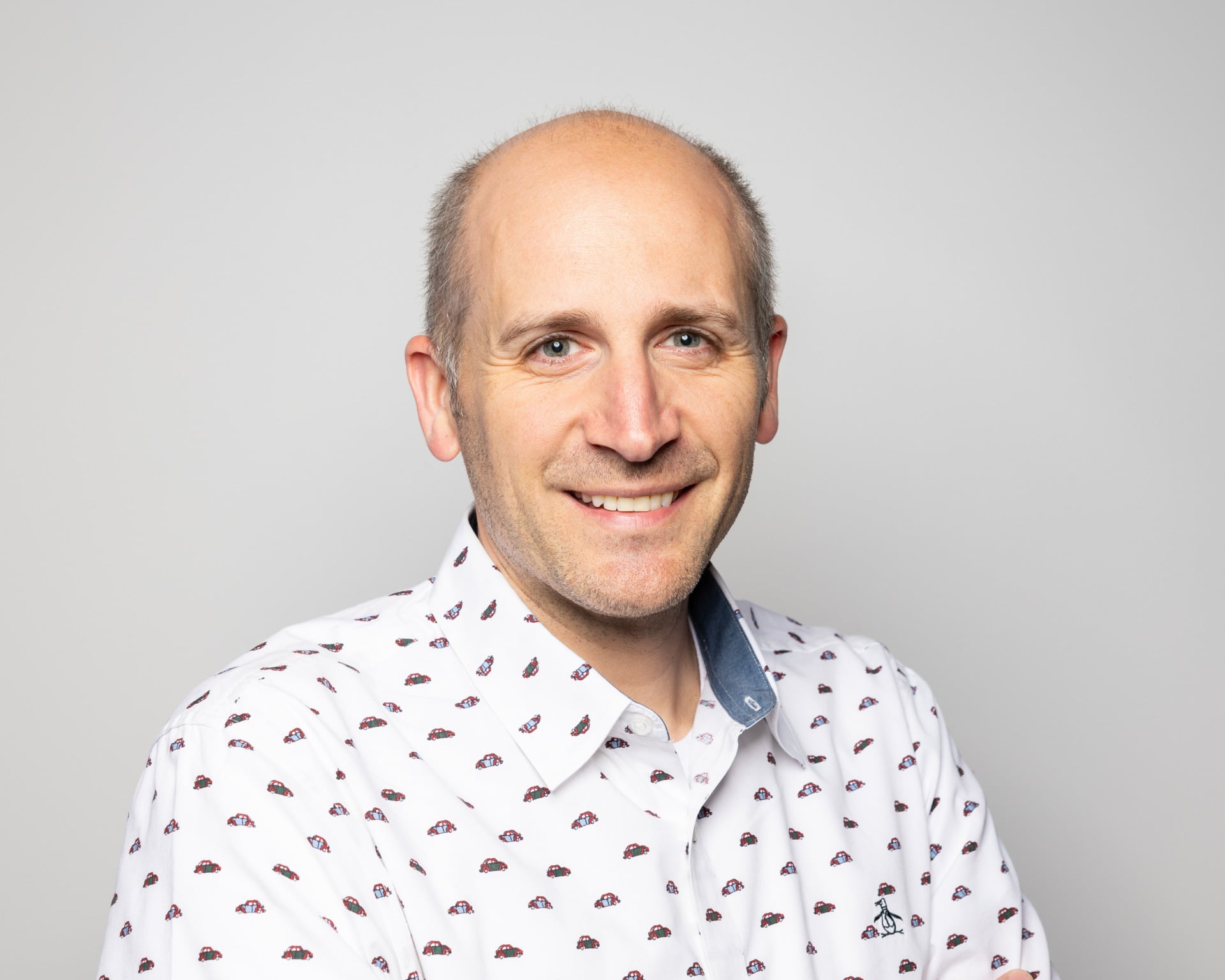
Creative Artists Agency Music Marketing Executive Dustin Turner had a different journey with a different starting point.
“I actually was going to school to be a pediatrician and got a job at a radio station back in 2001 that was way more fun than biology class,” he says. “It was a Clear Channel radio station, and at that point, Clear Channel Entertainment existed and had a bunch of amphitheaters, and I just started signing up to work at those shows, and eventually that marketing director at the amphitheater in San Antonio hired me and I started out with graphic design. I worked there for a while, and I did the changeover to Live Nation and moved to Florida with them. And then I left and moved to Philly to work for Feld Entertainment for a while. And then I went back to San Antonio, where I was from. I worked at the arena there for a while, and then moved to Nashville, 13, 14 years ago, to work for AEG here. So I’ve been in Nashville since then, and I moved over to CAA in 2018.”
It was a steady climb over the last quarter century that’s seen plenty of change in the industry.
“It happened kind of organically and this is not a job, it’s a lifestyle. And I think once I got here and I started and fell in love.I tried to leave for a year and go work for a nonprofit, and I quickly realized that it wasn’t for me, and I needed to get back to what I love,” he says. “We spend more time doing our quote-unquote ‘day job’ than we do with our personal life most of the time. So it’s got to be something that you’re passionate about and love.”
Tour marketing occupies an interesting space in the live ecosystem. It’s a nexus of sorts that connects agent, promoter and venue, taking information and inputs from all and churning out a plan that benefits everybody.
“I always say that we’re kind of a bridge. We’re a bridge between the RA’s office and the management teams, to the promoters. We work very closely with both of those teams and we ensure that there’s the continuity across the creative of the tour and the timing of when we’re going to announce a tour, and what ticketing holds we need and what press opportunities can we get, et cetera,” he says. “So we are kind of a bridge between the management and the artist side, to the promoters who actually are the executors on the day-to-day on the marketing front. The flip side of that is that we create these relationships with labels and PR teams, and ticketing companies, and streaming companies, et cetera, so that we can get the support we need for our tours to get out there and break the noise and be successful and sell tickets.”
Turner’s efforts to “break the noise and sell tickets” are notable. As he’s Nashville-based, his roster includes plenty of country acts that have (or in some cases, definitely will have) blockbuster tours: Jelly Roll, Tim McGraw, Kelsea Ballerini, legends like Dwight Yoakam and Dolly Parton, and plenty more. But he also works with acts in other genres: Boy George, Brandi Carlile, Joan Jett & The Blackhearts, Nickelback and indie festival favorites Rainbow Kitten Surprise.
Marketing has changed significantly during Turner’s career, with the old days of relying on street teams, flypaper and radio ads fading into the recesses of the past.
“Going back to my first job, I started out in graphic design, because we were doing print ads, and fliers was literally a full time job. which is wild to think about. It’s very digital now. Look at radio. I put tours on sale recently without any radio support, which, if you would have told me this 20 years ago, I would have said you were crazy,” he says. “But it depends on the genre, it depends on the audience, but we’re launching tours without radio, where it makes sense.”
And the pace is very different than it used to be, as well. There’s no true slow period for marketing and touring.
“It never stops. We’ve got some stuff coming back to Vegas, which will be exciting. We’ve got some holiday stuff that’s about to go on sale. I remember when January and February, you were really busy putting summer stuff on sale and then summer, you just coasted, just made sure you were still selling tickets, still in the sheds. And then you start back over, but that summer break, for on-sales is gone,” he says. “We’ve always been marching towards that. After COVID, it’s when it’s picked up like that for real. … We’re already holding real estate in October to put stuff on-sale for next year.”
The genres do call for different plans and figuring out what works best for an artist is often more art than science.
“Radio in country is still very important for multiple reasons. The country clients have such a deep relationship with country radio and that is still important on their end. The labels are so important. They’re still doing a lot of those things that you may not see on the rock side or the pop side, going into play these radio shows or doing these station visits,” he says. “That plays into how much we have to engage with them, because it’s part of the bigger piece for the clients. Those other genres, they’re not doing it. They’re not playing the free radio shows in the conference room for the programmers anymore, because they don’t exist.”
And marketing for country can also center around CMA Fest, the annual June super-confab in Nashville that is known for big moments. For Turner’s clients, 2026 was no different.
“We just put the Dan + Shay tour on sale a couple weeks ago. Those guys have literally been everywhere. During CMA Fest, they crashed a couple of weddings because one of their new songs is about a wedding. They just crushed the national anthem last week at the World Cup,” he says. “Tim McGraw is kicking off a tour in early July. We’re playing stadiums. It’s got three stadiums, with The Chicks on them, which is gonna be really special. Our client 49 Winchester’s on those, too. And then coming back out at CMA Fest, working with Tyler Hubbard, we got Florida Georgia Line back together at the stadium.”
The reunion of Hubbard and duo partner Brian Kelley was one of the festival’s highlight moments.
“Obviously, it was a big surprise,” he says. “I mean, we say it was a big surprise, but we were kind of teasing it slash telling people that it was happening. I’m super excited to see what those guys do now that they’re back together again.”
June is, of course, also Pride Month. Turner’s involved in Pride bookings for CAA’s clients and says navigating Pride in the current political and cultural environment is more challenging than it had been.
While the drag restrictions or outright bans that roiled that sector of the industry are largely a dead letter now because either the industry adapted — Turner concedes that in some jurisdictions, even tame drag performances have to be 18+ — or litigation nixed the laws, Pride events at large are starting to suffer, in part because companies that had been reliable corporate backers are starting to balk at spending the sponsorship dollars that kept so many Pride festivals — particularly in Middle America — afloat.
“It’s becoming more difficult. Festivals are trying to find a way to do these same events with less funding, because a lot of these festivals have seen some of their corporate sponsors pull out, so they’re having to be creative. In Nashville, we’re going from a two-day festival to a one-day festival,” he says. “But you know what? It’s still important that they do it and these organizations realize the importance, probably now more than ever. So they’re getting creative and finding ways to make it work. … Anytime you get out of a top five or top 10 market, you probably feel it a little bit more. We’ve seen other Prides that have to take a year off. Maybe they’re not doing the big festival this year, or maybe it’s always been free, and they have to charge a donation or, make it $5 or $10 for people to get in. They just have to get inventive and try to figure out ways to keep it going.”
FREE
 Daily Pulse
Subscribe
Daily Pulse
Subscribe
 Daily Pulse
Subscribe
Daily Pulse
Subscribe