
Adam Lambert On Giving Less of A F***: ‘That Moodier, Angstier Energy Feels Like Where We’re at Right Now’
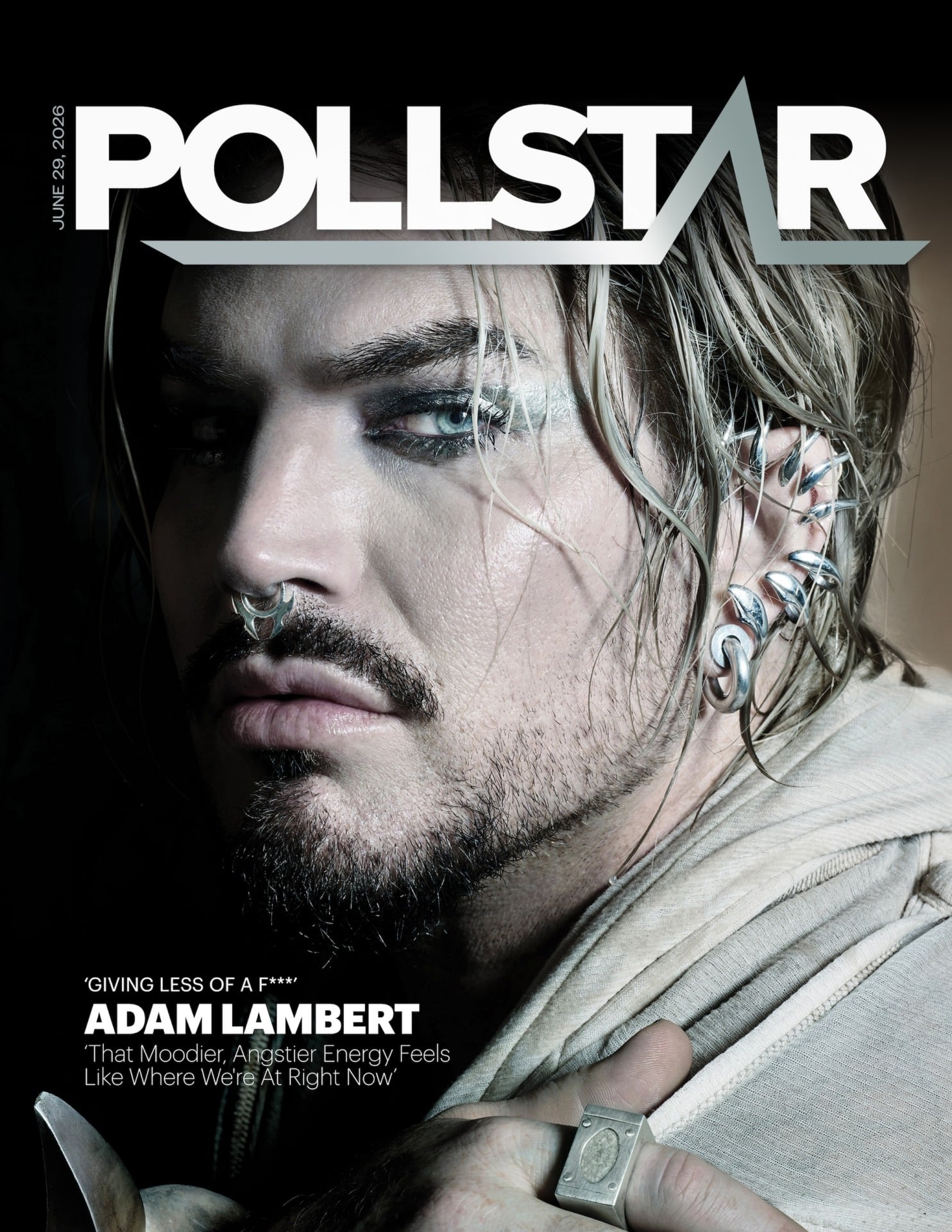
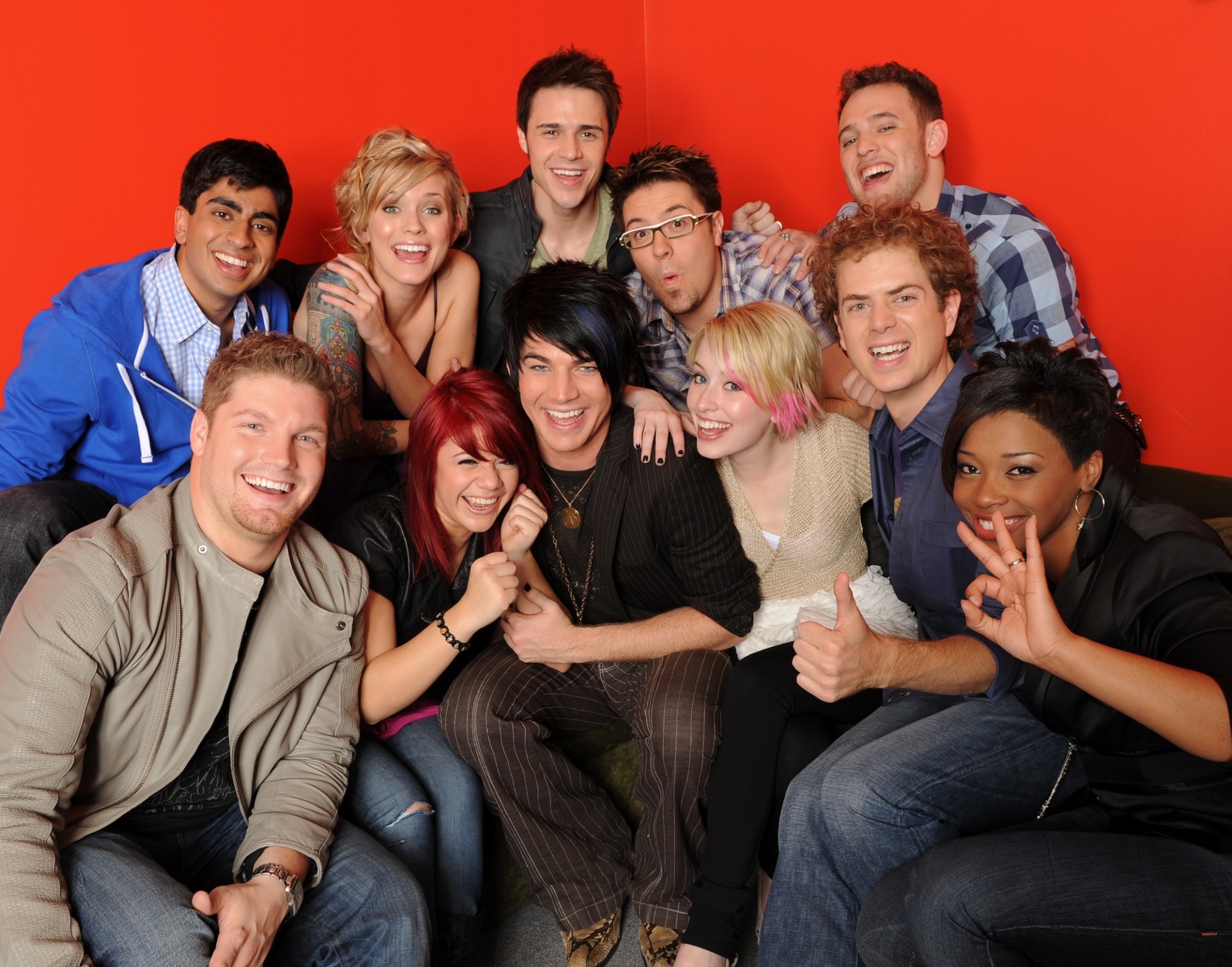
All the world’s a stage for Adam Lambert, the multi-hyphenate, multi-octave showman, who has graced just about every sort of stage imaginable. The powerhouse vocalist first came to massive fame in 2009 on American Idol Season 8 at the age of 26. captivating a weekly viewership of 26 million. He ultimately held his own at the Dolby Theatre alongside finale guests KISS and — as it turned out — his very impressed future bandmates, Brian May and Roger Taylor of Queen. despite finishing the show as runner-up to Kris Allen.
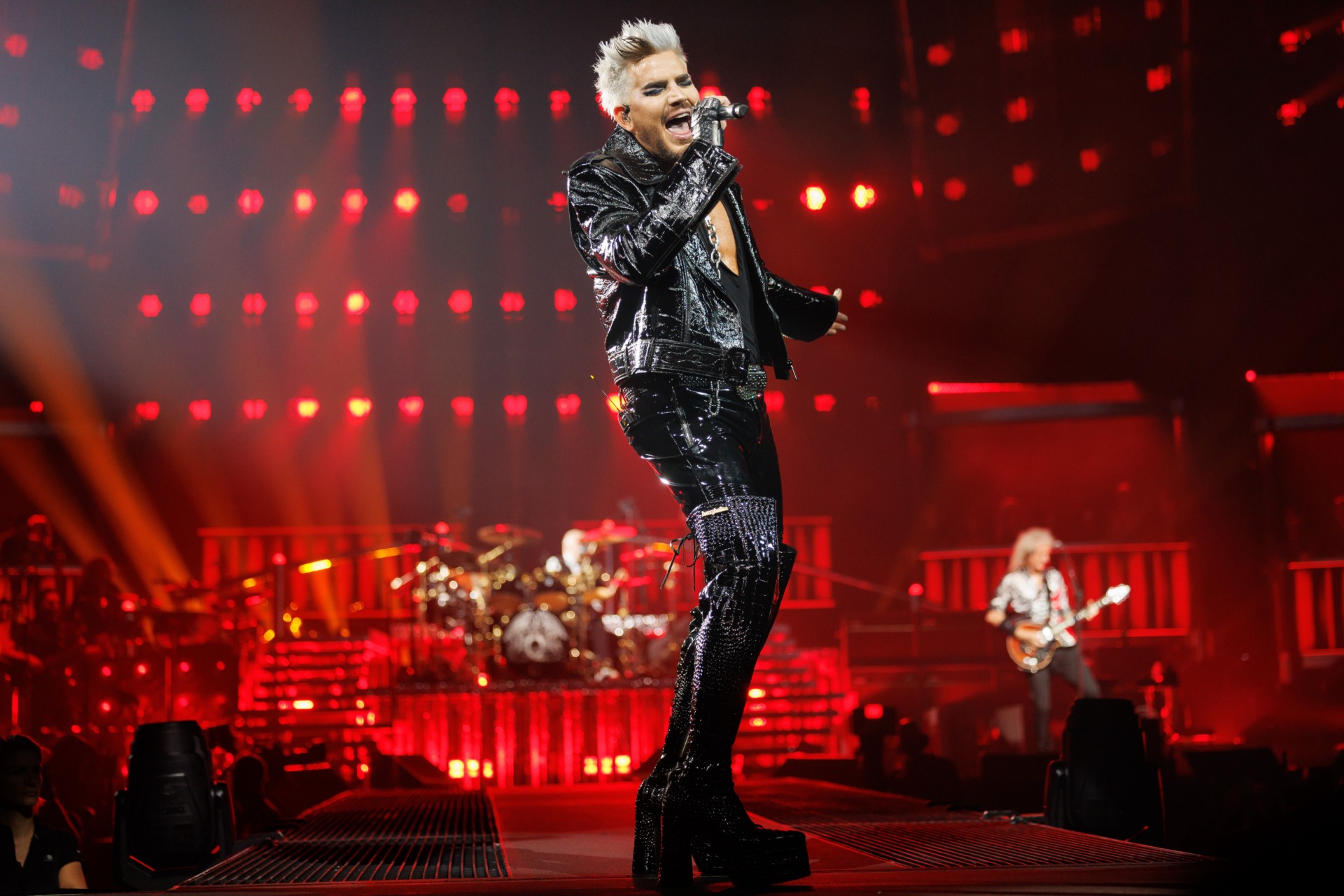
Lambert would make his sink-or-swim concert debut as Queen’s official new frontman three years later, at Ukraine’s Independence Square, for a daunting and massive crowd estimated between 350,000 to 500,000 people. No pressure.. And, the thing is, it went swimmingly. Queen + Adam Lambert have since played the world’s greatest stages, from Rock in Rio to Queen Elizabeth II’s Platinum Jubilee to the Academy Awards; and even once recreated Queen’s iconic 1985 Live Aid Wembley set, with Lambert boldly, and metaphorically, filling the late Freddie Mercury’s Adidas Hercules sneakers, for 2020’s Fire Fight Australia bushfire-relief benefit at Sydney’s 75,000-capacity ANZ Stadium.
According to Pollstar Boxoffice reports, Queen + Adam Lambert’s have grossed an impressive $331 million on 193 shows dating back to 2014 with an average attendance of 17,399. Some of their more eye-popping show reports include a ten night stint in June of 2022 at London’s 02 Arena promoted by Phil McIntyre Ent. that grossed a massive $22.9 million on 174.4K tickets sold; and a $14.6 million gross and 88K tickets playing two nights at the Tokyo Dome Feb. 13-14, 2024 promoted by Creativeman Productions.;
Last year, Lambert, a self-described theater kid, who in his pre-Idol days co-starred with Val Kilmer at the Dolby Theatre in “The Ten Commandments” — returned to his roots. He made his Broadway debut as the Emcee in “Cabaret,” and portrayed “Jesus Christ Superstar”’s Judas, opposite Cynthia Erivo’s Jesus, to massive critical acclaim over three sold-out nights at the Hollywood Bowl.
Along the way, Lambert has also maintained a successful, Grammy-nominated solo pop career — working with legends that include Nile Rodgers, Max Martin, Lady Gaga, Linda Perry, Pharrell Williams, Bruno Mars, the Darkness’s Justin Hawkins, and Butch Walker, and veering from glam-rock to roller-disco to power-balladry, with his devoted fans, or “Glamberts,” following his every career curve and swerve. He’s amassed some 850 million Spotify streams and had major hits with songs like “Whataya Want From Me” and “Ghost Town.”
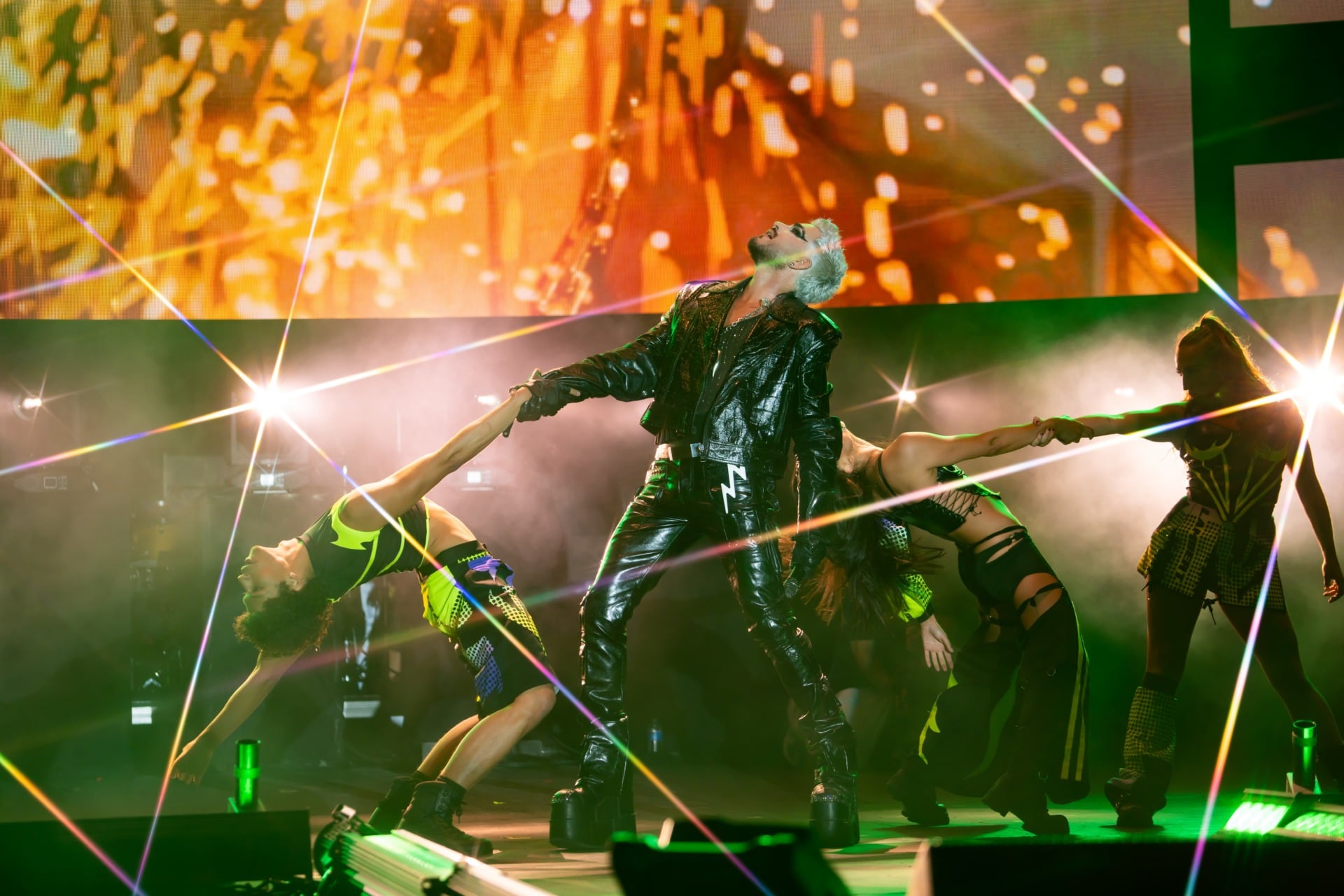
Adam Mitchell Lambert has more than paid his dues fighting through the vicissitudes of intense public scrutiny and superstardom while performing at the highest levels of the business and navigating the mental health hurdles and bouts of industry burnout that can come with the job. And, as he prepares to release his sixth solo album, on his own More Is More label imprint, he has earned the right to simply and take stock of everything and simply title it ADAM.
Lambert recently moved to New York’s Lower East Side after residing in Los Angeles for nearly a quarter-century (a major life change that inspired his album’s sleazy, slinky opening banger, “Rat City”), and he split with his boyfriend of five years in 2025. He says there’s currently “nothing on the books” when it comes to upcoming Queen tour dates. Despite all this, the singer, now age 44, chucklingly says he’s not in the throes of some midlife crisis. However, ADAM, with its blend of jagged industrial electronics and live instrumentation on tracks like the feral, fangs-bared, and “badass” lead single “Eat U Alive,” is inspired by the “formative music” of his edgy SoCal ‘90s youth. And that perfectly fits his current mindset.
“A lot of the music from that era deals with a lot of darker, complicated feelings and sonic texture,” muses Lambert, who drew from Björk, Portishead, Nine Inch Nails, Daft Punk, Massive Attack, the Crystal Method, and even elements of Gaga’s own Mayhem for his latest project. “That moodier, angstier kind of energy just feels where we’re at right now. It feels like where I’m at right now.”
Speaking with Pollstar in the middle of Pride Month, and acknowledging that “there’s a lot of BS going on,” Lambert — who came out to Idol fans on the cover of a now-collectible 2009 issue of Rolling Stone, and in 2012 made history when his sophomore LP, Trespassing, became the first album by an openly gay artist to debut at No. 1 on the Billboard 200 — says, “I feel for my community, especially. We feel a bit cast aside, especially considering that over the last two decades there’s been so much progress made, and now it feels like we are backsliding.” But while he has released political anthems in the past, like “Outlaws of Love” and “Superpower,” for ADAM, he turned inward.
“I felt like I could have gone one of two ways, being that we’re in 2026 and it’s kind of wild and tricky right now” he explains. “It was like, ‘OK, I can either do full escapism, or I can confront it a little bit.’ I can confront these feelings, because I know I’m not the only one having them, as a way to reflect where we’re at and what many of us are going through. … I feel like this album is very much a universal experience.”
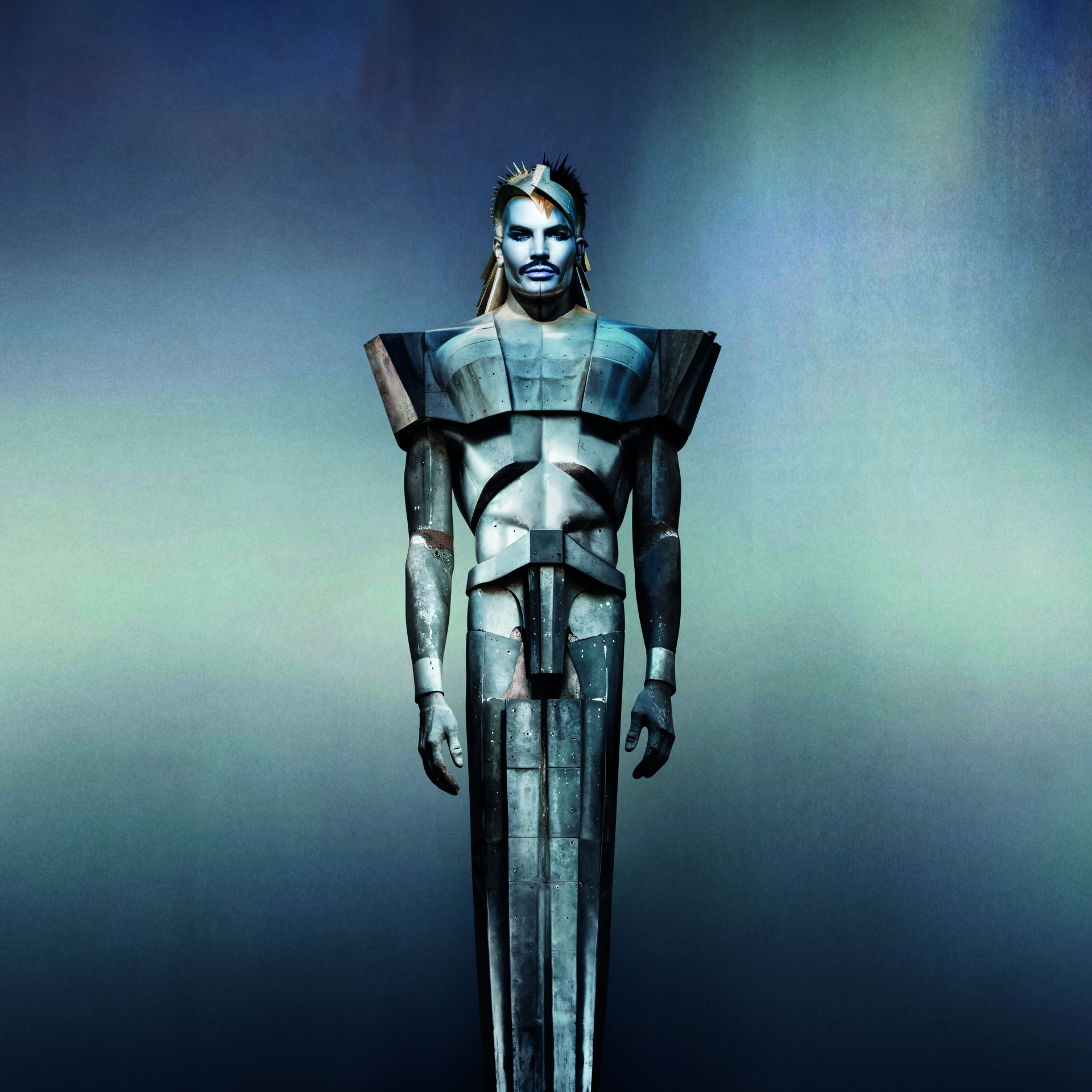
Lambert will bring that moody, brooding experience to life onstage next month, starting with an ADAM record-release-day show July 10 at the Bellwether (1,600 cap) in his former home base of L.A., followed by dates at Brooklyn’s Paramount (2,700), Camden’s famous Roundhouse in London (where he has a huge fanbase due to his longtime Queen association and his frequent appearances on British telly), and finally in the electronic music hub of Berlin to Uber Eats Music Hall, (4,500-cap) formerly known as the Verti Music Hall, ADAM‘s second vibey single “Under the Rhythm,” which interpolates German Eurodance group ATC’s 2000 club classic “Around the World (La La La La La),” should go over especially well in that latter city. (Lambert is managed by Gabriel Rocha, represented by CAA with press handled by Full Coverage Communications‘ Kristen Foster and Avery Robinson
Consulting the mood boards that he crafted while recording ADAM, and teaming with his “amazing creative director” Nikita Vlassenko, Lambert envisions a “Brutalist-leaning,” fashion-forward live production, a “dystopian, sci-fi, kind of post-apocalyptic-future thing.” But he’s also looking forward to dialing things back just a little bit, and getting to explore aspects of his artistry that he’s not able to with Queen.
“Part of the energy and excitement of classic rock is that it’s loud. It is loud everywhere. It’s played loud, and it’s loud onstage. That creates a certain frenetic energy as a performer. You’re just in this loud space, wailing and trying to cut through,” he says of Queen’s epic concerts. “With this project, there are moments where I’m letting it rip, of course — that’s part of my thing, and I love going there musically — but there are also a lot of vocal moments that are lighter and more about the texture and breath and air and lower parts of my register, moodier parts of my register. I feel like I’m getting to really stretch and explore all different facets of my voice on this one, which feels good.”
Below, Lambert opens up about his “slightly more subtle era,” why industry “gatekeepers” are so uncomfortable with sexy male performers like him, and how he finally learned to “un-neuter” himself onstage. “As you get into your forties, you just give less of a f*** about what people think,” he tells Pollstar with a sly smile. “And I feel very much that way.”
(See the full video interview with Adam Lambert below.)
Pollstar: It’s been two years since you’ve released new music, although you’ve certainly kept busy. How have you been?
Adam Lambert: I’m good. I’m really good. I’m living in New York now. It’s a totally different vibe.
You’ve always seemed like a quintessential Los Angeles nightlife figure, so relocating to New York must have greatly affected the sound of ADAM. That’s a big culture shock.
I do feel it affected it. New York is obviously a much more urban environment. We’ve got concrete. It’s noisy down here. And I’m in the Lower East Side, so it’s still kind of gritty down here. It’s been good for my spirit to just shift it, to change it up. I got out of a relationship and then I decided to move, so there are big chapter-closings and -openings, and that was super-inspirational for this music.
ADAM was inspired by a lot of classic ’90s electronica, and you’ve tapped into your ’90s teen angst for this record. With all of your recent life changes, are you having a midlife crisis? Maybe in a good way? A sort of rebirth?
[laughs] I don’t think it’s a midlife thing. I’m not in an identity crisis or an existential crisis — I don’t think! It’s just a new chapter. I don’t think that I’m going back to the drawing board completely… but you get older and you start realizing what you know and what you’ve been through. And I’m really grateful for my experiences and the wisdom that it’s given me. Physically, that’s a whole other story! You start looking at your body, like, “Wow, thanks. Thanks, body.” But I’m really grateful. I’ve gotten a lot of things out of my system. I’ve learned a lot. And what do they say? As you get into your forties, you just give less of a f*** about what people think. And I feel very much that way.
It seems like you’ve been giving very few f***s for at least a decade now.
Yeah, and I have less of them as I go! And what that does for me as an artist is it makes me trust myself more. It makes me trust my instincts more. I’m not questioning things as much. I’m not holding on too tight. I’m letting it flow, which is really good.
I know you were an L.A. ’90s club kid, an early-2000s kid, a bit of a Myspace kid. Tell me about how those clubbing experiences affected ADAM ’s vibe.
Yeah, there’s definitely some early-2000s ideas on there too. There’s stuff that’s kind of Goldfrapp/Robyn towards the end of the album, a little Daft Punk. Obviously, “Under the Rhythm” has the Eurodance interpolation. It’s just nodding to a lot of that formative music for me … With the teen angst thing, a lot of the music from the era deals with a lot of darker, complicated feelings and sonic texture. I felt like I could have gone one of two ways, being that we’re in 2026 and it’s kind of wild and tricky right now. There’s a lot of BS going on. It was like, “OK, I can either do full escapism, or I can confront it a little bit.” I can confront these feelings, because I know I’m not the only one having them, as a way to reflect where we’re at and what many of us are going through. So yes, a lot of the songs are initially about personal relationships and what-have-you, but the feelings under it are what a lot of people are struggling with right now: Where do I fit in? Am I a good person? Why am I this way? Why am I that way? Looking at it and just trying to accept it, as opposed to fighting it or being in denial of it. That was something that over the last couple years I’ve learned a lot about.
Did you ever consider being more overtly political on this record?
I didn’t feel necessarily that I wanted to be so on-the-nose. I wanted to deal more with the feelings around what’s going on. I feel for my community, especially. We feel a bit cast aside, especially considering that over the last two decades there’s been so much progress made, and now it feels like we are backsliding. So, what does that make you feel? It’s really about the energy under it. I also wanted to tap into the universal human experience of it all. Regardless of your political affiliation or your sexual identity or whatever, a lot of the ideas on the album are things that kind of affect everybody. We all go through breakups. We all go through looking at ourselves in the mirror and being honest with ourselves. I feel like this album is very much a universal experience.
And something we all need right now is the communal experience of live music. That was a great thing about those old-school club days: everyone coming together to dance the pain away. Will the visuals for your ADAM shows evoke that era?
I have an amazing creative director I’ve been working with, Nikita. A lot of the fashion is very industrial, kind of Brutalist-leaning, a lot of avant garde designers, a lot of Rick Owens as usual. It was interesting, because maybe it’s the theater kid in me, but as I was coming up with a lot of these songs, I would envision what it all looked like. I put mood boards together of art or fashion that I find online, and it becomes a visual thing. When we were taking these songs and trying to figure out the order and the finishing touches in production, that was all part of it, like, “How do I bring it into this world?” I also watch a lot of films, I watch television, and I’ve even gotten into some gaming over the years, so I love a dystopian, sci-fi, kind of post-apocalyptic-future thing. I’ve always been drawn to that, and I can hear these songs sort of living there as well. That was definitely part of the imagery.
Your press release says you’ve been feeling like less is more, or that you’re feeling not quite as theatrical these days. But of course, “less is more” and “not quite as theatrical” by Adam Lambert standards is still pretty…
It’s still up there, yeah! [laughs] I’m just dialing it back a bit. When I was younger, in the very beginning, it was like I had so much to prove vocally and musically; I wanted to put everything in every moment, because I was real excited. As I’ve grown up a bit, as a performer, you start recognizing the value in holding back. Restraint becomes actually a really effective way of interpreting a song or a moment or a look. So yeah, I think I’m growing into a slightly more subtle era. Slightly.
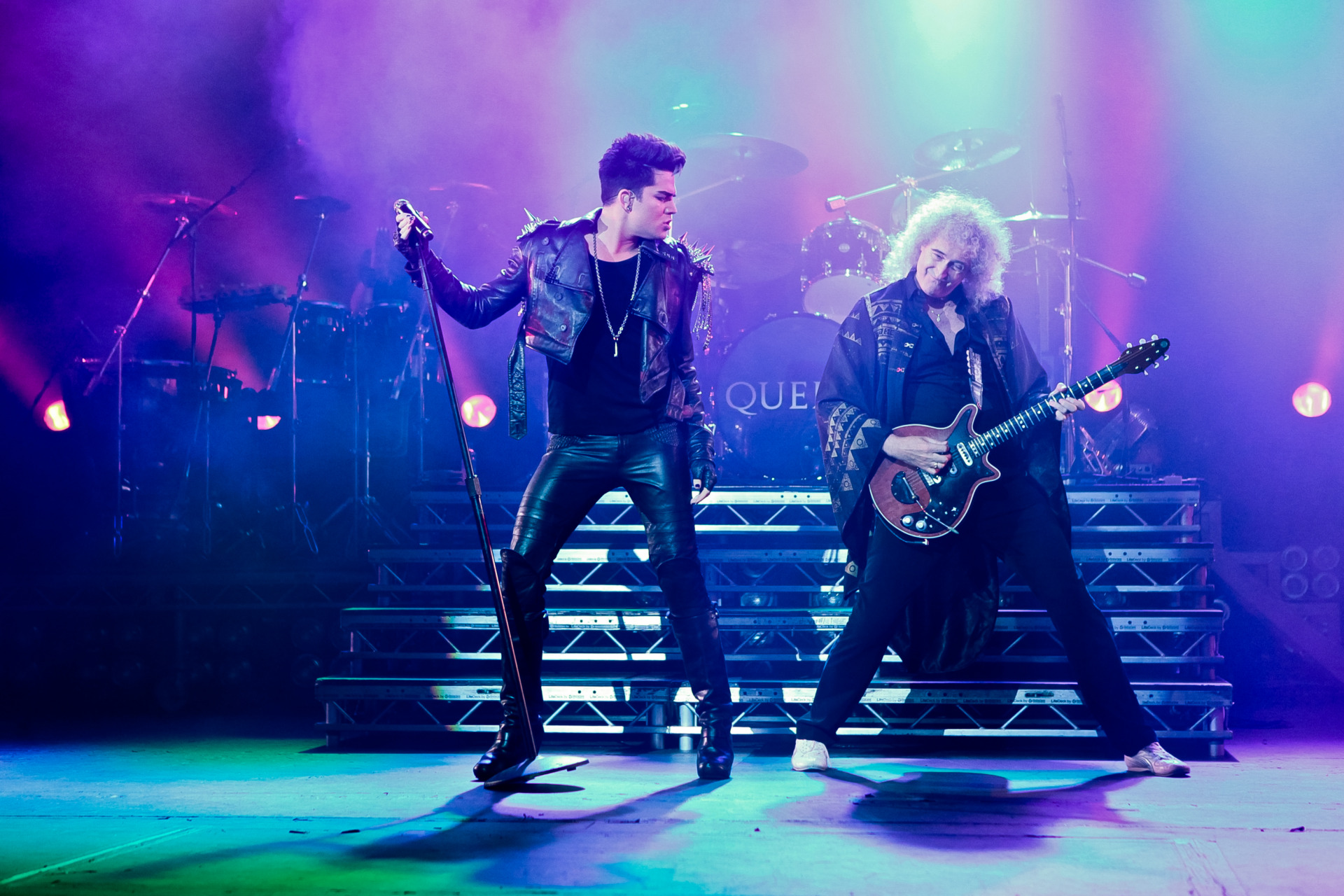
You’ve had 14 years’ experience playing some of the world’s biggest venues with one of the world’s biggest bands. How do you adapt or change your performance style when you’re doing solo shows in smaller venues, not having to play to the last few rows of a stadium? I imagine it might be scarier, particularly with vulnerable songs like the ones on this album, because you can see every face in the crowd.
Yeah, in some ways you’re more exposed vocally too. With Queen, part of the energy and excitement of classic rock is that it’s loud. It is loud everywhere. It’s played loud, and it’s loud onstage. That creates a certain frenetic energy as a performer. You’re just in this loud space, wailing and trying to cut through. With this project, there are moments where I’m letting it rip, of course — that’s part of my thing, and I love going there musically — but there are also a lot of vocal moments that are lighter and more about the texture and breath and air and lower parts of my register, moodier parts of my register. I feel like I’m getting to really stretch and explore all different facets of my voice on this one, which feels good.
How have you seen your concert crowds change over years, from American Idol to Queen and through all your solo eras? There doesn’t necessarily seem to be a lot of overlap between Queen’s audience and yours.
It was interesting, because after the Bohemian Rhapsody movie came out, audiences for Queen got much younger. There were full families there. And that felt closer to more of what my [solo] fanbase was like. I was getting two generations — a mom and her daughter, and maybe her daughter! It felt more like what I’m used to experiencing, which was cool. But that also has to do with the kind of music that I’ve done in the past. With my first album, obviously I was still leaning into some classic rock stuff while doing pop at the same time, and then each album kind of took on its own identity. In some ways, and it wasn’t even intentional, this new album kind of reminds me a lot of the first two albums.
It’s probably your most rockin’ record since your debut, For Your Entertainment.
Yeah, and I think that’s one reason why I wanted “Eat U Alive” to come out first. I just wanted to show that I still fancy myself a rock star on some level, and it just felt like a badass song. It had attitude, and I wanted to come out swinging like that.
Your last record, the clubby AFTERS EP, was definitely not a rock record. And it was definitely your most overtly sexual project…
Not subtle. Not subtle at all!
More was more, in that case!
Yeah, that was a fun moment.
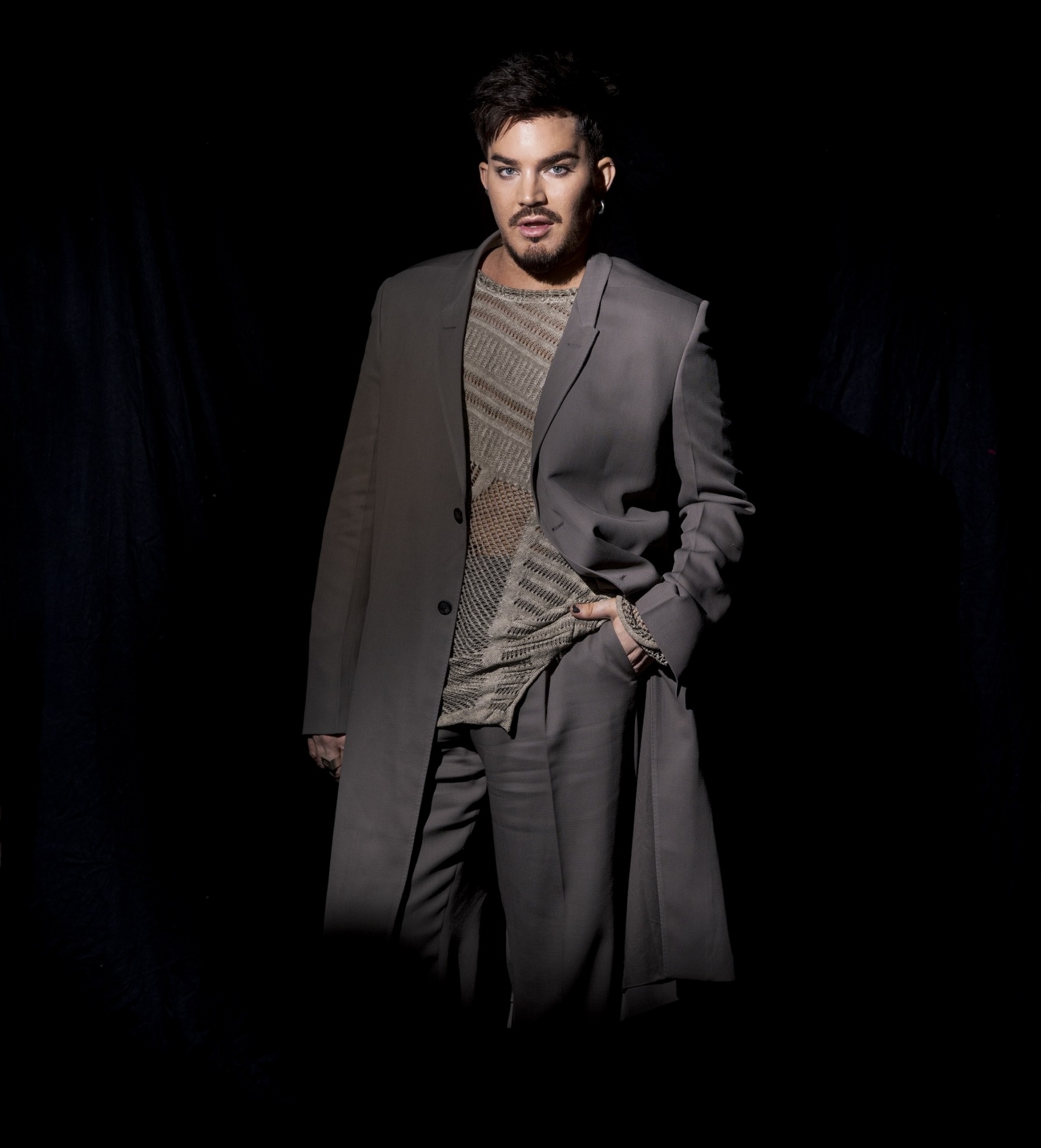
But your live performances, during all of your eras, have been very sexy. And that is somewhat rare for men in pop these days. It seems that female pop stars like Sabrina Carpenter are allowed to be overtly sexual, but if a male singer is, he might alienate conservative audiences — and basically a lot of straight male fans. Has that ever been a concern for you, since a lot of people discovered you either through American Idol or Queen?
That’s a good point. I mean, for years the music industry has been run by straight men, for the most part. That’s a broad generalization, but it’s safe to say that’s the case. So, I do think that there’s a reason why female pop stars historically have been so sexualized, because it’s for the male gaze. The guys were the gatekeepers, and they were into that. … they were threatened by certain types of men, unless you were a very masculine guy that seemed to make all the other men around you want to be you. Anything other than that didn’t seem to click.
Do you feel you’ve threatened people over the years, as someone who was thrust — no pun intended! — into the mainstream in the most mainstream way? You had to forge your own path, and early on, you got a slap on the wrist for doing a risqué number at the 2009 American Music Awards.
I think there was an expectation then, without anybody actually saying it, to sort of neuter myself in a way. It’s the old adage of: “I don’t care what you do behind closed doors, I just don’t want to see it.” That sort of mentality was really prevalent in the boardrooms, so to speak. But I do think that that’s shifted, primarily because the gatekeepers aren’t the gatekeepers anymore. It’s the audience that is actually determining if something’s popular or not, which is a good thing. Even radio now is responding to what’s charting on streaming. Yes, there are things like algorithms and playlists still at work, but I think people are more in the driver’s seat. The public is the reason why things are becoming popular or not.
At what juncture in your career did you feel you could finally un-neuter yourself, and just let your freak flag fly onstage?
That’s a really good question. At some point, I just kind of stopped caring. At some point you have to do it for yourself. Especially when you’re creating your own music, it has to turn your crank. And then of course, after that fact, I think about a show and an audience and how it will connect. Time and being more comfortable, and learning my audience better too — that was definitely educational, paying attention to what people react to at a live show, what gets people excited, what gets people singing along or connected or dancing. You notice it. And it’s interesting, because I remember even on my very first tour, it was pretty racy — and the audiences were loving it! But it was all done with a sense of humor, in my opinion. It was all meant to be fun and daring and funny, like, “Oh my God, I can’t believe he did that, ha ha ha!” Some people clutch their pearls and get really uncomfortable, but other people get that it’s meant to be entertaining, and to make you feel free, inspire you to be wild and crazy.
When performing with Queen, you’ve gotten to do some really wild, crazy things. Like basically dry-hump a motorcycle, for instance.
Very camp, yes! I think Queen in essence, especially their earlier stuff in the ’70s, was so camp. That was Freddie’s sense of humor, from what I’ve learned. He really got a kick out of that. And I think Brian and Roger also find that entertaining — the wink at the audience, the camp kind of take on things, the little inside double-entendre or whatever. It felt like the material was asking me to go for it in that way.
How has that influenced your solo performance style?
I think the music leads it. With some of my earlier stuff, I did have some real campy moments. I was enjoying exploring that part of my humor and my artistry. But I think I got a lot of it out of my system, actually. I think what drew me to that sort of energy initially was just celebrating the glam-rock era and wanting to revive that spirit a bit. And now I feel like I’ve done that. So, what else do I want to go with? What else do I want to explore? This album’s not particularly campy. “Rat City” is playful, there are moments, but they just feel a little different. … That moodier, angstier kind of energy just feels like where we’re at right now. It feels where I’m at right now.
I know you’re focused on ADAM right now, but what is the future of Queen? Will Queen be touring again soon?
There’s nothing on the books. I mean, it’s not really up to me. I’m not Queen. I’m a guest.
Then it makes sense that at this moment in your career, you’re calling this album simply ADAM. Everyone has a different opinion of who “Adam” is, depending on their entry point into your career — if they know you from American Idol, from Queen, from “Whataya Want From Me” being a big radio hit, or whatever. So, why that title? And who is Adam these days?
Literally, it’s just facts. It’s just who I am right now. That’s not to suggest that the Adam that you came to know before wasn’t me, but this is just where I’m at. Self-acceptance is a big undercurrent through a lot of this music, owning one’s attributes and faults and actions and habits and desires and hopes and dreams — all of it, the good and the bad, all at the same time. It’s me looking in the mirror in a spiritual way and being like, “OK, I’m not in denial. I’m not running from any of this. I’m just holding it together.” And that was the reason for calling it ADAM.
* *. *. *. *. *
Full interview with Adam Lambert and Lyndsey Parker below. See Lyndsey’s work and video interviews at Lyndsanity.com)
FREE
 Daily Pulse
Subscribe
Daily Pulse
Subscribe
 Daily Pulse
Subscribe
Daily Pulse
Subscribe