
Independent Venue Operators Take Pride
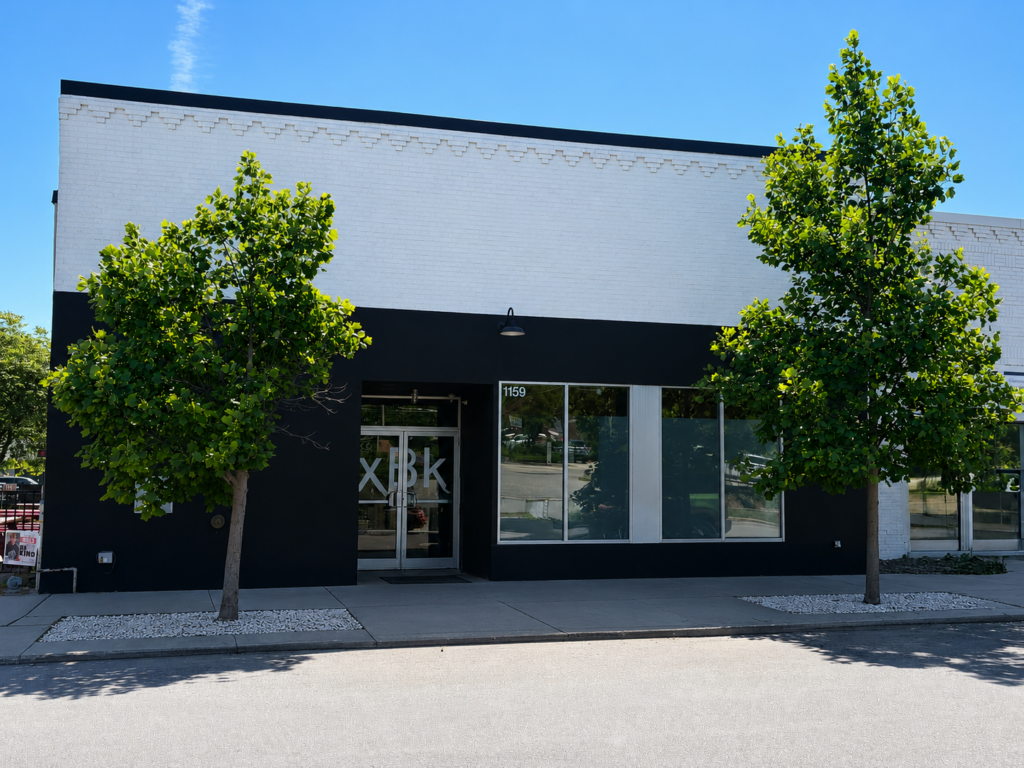
Photo credit Tobi Parks
Venues serving the LGBTQIA+ community may be safe havens for self-expression, but they are often targeted for violence and harassment in addition to the ongoing challenges faced by independent venues across the country.
Club owners face financial pressures from rising rent and operating costs – especially in urban areas. Bookers face competition from mainstream venues increasingly serving more diverse crowds. LGBTQIA+ venues are often located in neighborhoods undergoing redevelopment, where subsequent increased property values can force long-standing clubs to relocate or close.
Venues also face significant safety and security challenges with the risk of hate crimes or targeted violence against patrons, staff and performers.
On June 12, 2016, Omar Mateen opened fire inside Pulse Nightclub in Orlando, Florida, killing 49 people and wounding dozens more – it was one of the deadliest mass shootings in U.S. history at the time. The FBI classified it as an act of terrorism and the attack had a profound impact on LGBTQ+ communities across the U.S. and globe.
Pulse never reopened. The city of Orlando bought the property in 2023 and the building was demolished in March to make way for a permanent memorial honoring the victims and survivors that is expected to be finished in 2027.
On Nov. 19, 2022, Anderson Lee Aldrich killed five people and injured many others in a shooting at LGBTQ+ Club Q in Colorado Springs. Aldrich later pleaded guilty to federal hate crime and firearms charges as well as state murder charges and received multiple life sentences plus additional prison time.
After conversations with survivors, victims’ families and the local LGBTQIA+ community, the owners decided not to reopen Club Q in its original location. Instead, they announced plans to open a new venue called “The Q” at a different location in Colorado Springs to provide a space for the community to move forward while honoring the memory of the people who were killed. An official opening date has not been announced.
Beyond actual attacks, many LGBTQIA+ clubs have faced bomb threats, vandalism and arson attempts, organized protests and online threats making security a daily concern.
For venue operators already experiencing shrinking margins, enhanced security measures can be costly and the need to balance safety with creating a welcoming environment is increasingly difficult.
Gay clubs emerged as safe havens for the LGBTQ+ community during the 1950s and ‘60s. They were often targets of police raids and discrimination, but the venues offered necessary support and information.
Their impact grew after the 1969 Stonewall uprising at the Stonewall Inn, in New York, which became a defining moment in the LGBTQ+ rights movement. From that point forward, many gay clubs served not only as places for socializing and entertainment but also as centers for activism, fundraising, community organizing and support during crises such as the HIV/AIDS epidemic.
Today, these venues continue to play an important cultural and community role, offering spaces where LGBTQIA+ individuals and allies can celebrate identity, meet and rally support for issues affecting the community.
Despite current obstacles and political landscape, there are people who carry the torch.
A lawyer and New York transplant, Tobi Parks is the owner of xBk (ex-Brooklyn), a 250-cap, mainstream, multi-genre performance hall in Des Moines, Iowa.
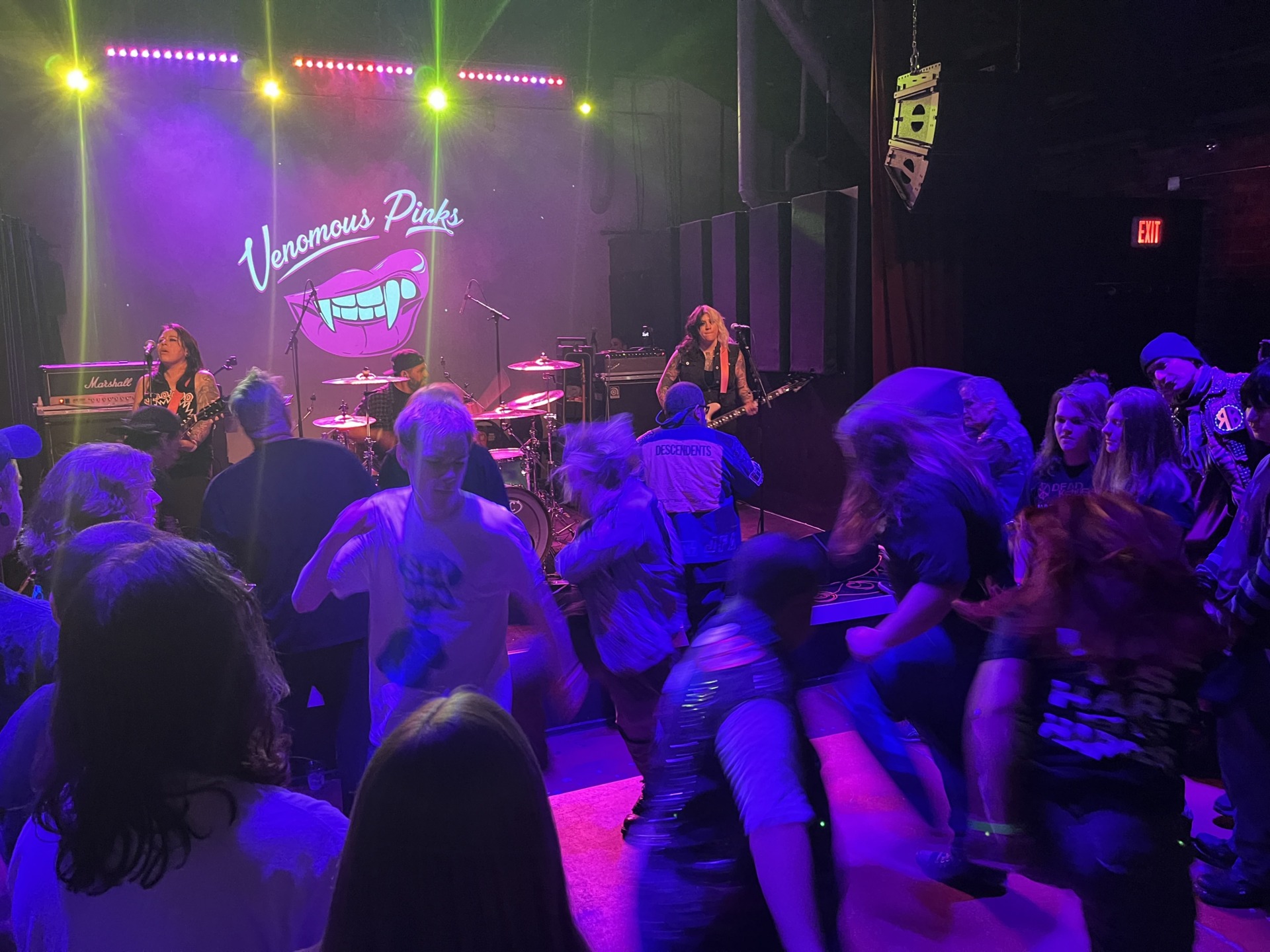
Photo courtesy XBk
“I’m a very out, queer, Black woman, but we’re not exclusively a queer music venue,” explains Parks. “What I think is really cool, though, is that many of our staff are queer or gender non-conforming and we have these red-dirt country bands that will come through and play and we have a trans female sound engineer. And it’s like these communities that you would never think are kind of coming together.
“I don’t want to stereotype what red-dirt country is or not, but in the way that our politics works in the country, it’s like people think country music is racist, or it is all these things, and not terribly inclusive. But you have these worlds coming together that seem on their face to be antithetical of each other, but actually work really, really well. And that’s what I love about it.”
The result is an environment where the staff is diverse and inclusion extends to all. To safeguard the patron experience, Parks utilizes signage throughout xBk.
“We try and make it fun. Basically, our policy is don’t be an asshole,” she says. “We know that not everybody that walks through our doors has the same political persuasion than we do. … I thoroughly feel that we have more in common than we don’t and I think most of people’s misunderstandings come from just not understanding each other and not having exposure.”
Recent legal developments in Iowa have significantly affected LGBTQ+ rights, particularly for transgender people, including removal of gender identity protections from the Iowa Civil Rights Act (2025), making Iowa the first U.S. state to eliminate an existing protected class from its civil rights code. The law also defines sex in state statutes based on biological sex at birth.
It’s a walk-back of LGBTQ+ rights in the state. In 2009, the Iowa Supreme Court unanimously ruled that same-sex couples have the constitutional right to marry, making Iowa one of the first states to legalize same-sex marriage.
“I think we are literally the only state that has actually removed protections for LGBTQ people,” offers Parks. “We feel it’s really important in such a hostile environment, when you can just welcome people in and say, ‘You know what, we’re here.’ That’s the great thing about music, generally. We can all love the same song, we can have different backgrounds, we can have different experiences in the world, we can have different political perspectives, but we can all like the same music. And if we can come together under one space and use that commonality to start opening conversation and dialog about the broader world, that’s great, and I feel like that that’s what we’re trying to do.”
In addition to Americana and indie rock, xBk features Queercore trivia and burlesque.
“The primary reason I opened xBk was being a queer, Black, androgynous, lesbian person, I wasn’t seeing a lot of me represented on stages and trying to figure out what I could do to create a space where people who lived in the world like I did could come to a place and feel comfortable and at the same time have creators on the stage that look like them,” says Parks.
Challenges aside, Parks is grateful for the venue operators who are creating safe, welcoming spaces.
“I’m just thankful for the community that we have around us, and the venues, the other venues that are out there doing the work – whether it’s our straight, ally owner friends who are holding their gay nights, or other queer owners and operators that are doing this work,” she says. “It’s just so needed and important.”
FREE
 Daily Pulse
Subscribe
Daily Pulse
Subscribe
 Daily Pulse
Subscribe
Daily Pulse
Subscribe