
The Biz: Rapino Met With Trump Ahead Of Settlement; Opry For Sale; NO FAKES Clears Senate Panel; Majors Ask Supreme Court To Reverse Copyright Ruling
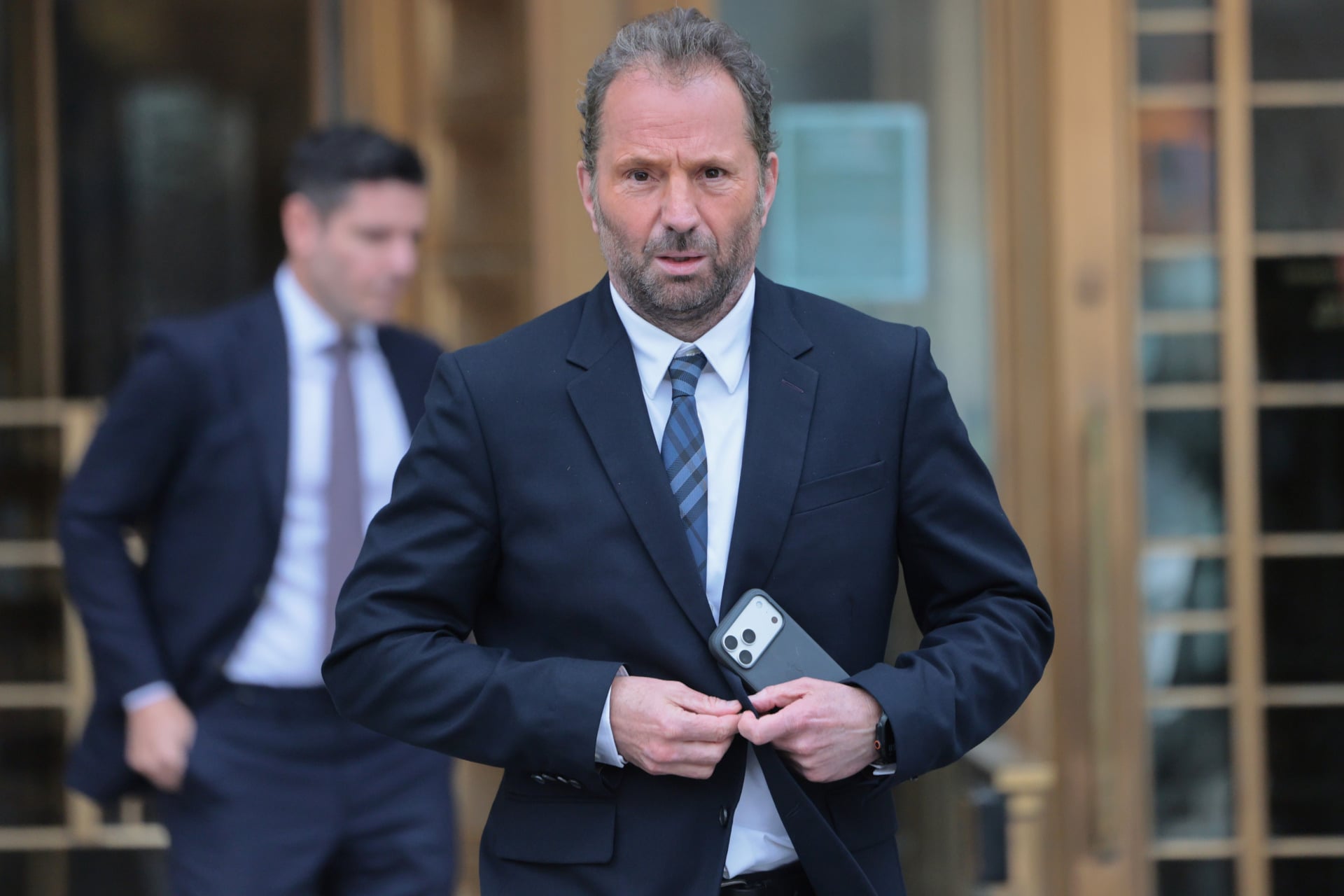
Live Nation chief Michael Rapino met with President Donald Trump in the weeks before the settlement between the concert giant and the Department of Justice was announced, according to a June 24 court filing.
Required by the Nixon-era Tunney Act as part of the review of the settlement, this week’s filing discloses “all written or oral communications by, or on behalf of, Defendants with any officer or employee of the United States concerning or relevant to the Proposed Final Judgment.”
“In February 2026, Mr. Rapino discussed a variety of topics related to Live Nation’s business with President Donald J. Trump; the status of DOJ’s lawsuit against Defendants came up
but no substantive terms regarding any potential settlement were discussed,” the filing reads in part.
The filing also discloses that settlement discussion not only involved representatives of Department of Justice’s antitrust division, as would be expected, and the broader DOJ, as might be anticipated by the settlement of a high-profile case, those discussions eventually involved the Office of the White House Counsel, a highly unusual circumstance.
The settlement, announced just days after the trial began, caught not only the judge, but also the courtroom DOJ attorneys seemingly off-guard. Ultimately, only six states joined with the feds in the settlement. The remaining 33 states and the District of Columbia pressed on, with a jury ultimately finding that Live Nation and Ticketmaster operated as an illegal monopoly.
RHP Eyes Opry Sale
Ryman Hospitality Partners is exploring selling off or spinning out its majority stake in Opry Entertainment Group, owners of the Grand Ole Opry, the Opry House and Ryman Auditorium.
RHP — primarily a real-estate investment trust whose primary business is hotel and convention properties — said in a statement June 24 that it is “evaluating potential opportunities” to sell off its 70% stake in OEG (the other 30% has been held by NBCUniversal and private equity firm Atairos since 2022). In addition to the Ryman and Opry properties, OEG also owns radio station WSM, Austin mixed-use development Block 21 (which includes ACL Live), Blake Shelton’s Ole Red bar locations through the country and Luke Combs’ Category 10 in Nashville. It also manages Nashville’s Ascend Amphitheater and CCNB Amphitheatre in Simpsonville, South Carolina.
“We are incredibly proud of our OEG business and of our role as stewards of these historic and iconic brands, which are deeply important to the country music community and the markets we serve,” Colin Reed, RHP’s executive chairman, said in a statement “We remain focused on bringing artists and audiences together through iconic live entertainment experiences.”
RHP is the successor company to Gaylord Entertainment which purchased the Opry from American General Insurance in the early 1980s. RHP was formed in 2012 when Gaylord sold off its branded hotels (and thus lost the rights to its name). Later that year, shareholders voted to operate as a REIT, which allows for profits to be distributed at a tax advantage.
The potential of offloading the Opry properties from the broader REIT has been discussed from RHP’s infancy, with the company’s second-largest shareholder calling for it as far back as its 2012 creation. Reed has often said during his tenure that OEG’s growth would be better served operating outside of the REIT.
RHP has engaged Morgan Stanley to assist with a potential sale.
NO FAKES Advances
The NO FAKES Act, which would create a federal right protecting Americans voices and likeness from deepfakes, passed the Senate Judiciary Committee unanimously June 18, sending the bill to the full body.
Specifically the bill gives all Americans — not just public figures — the right to authorize or block the use of their image, voice or likeness from AI fakery, while carving out exceptions for legitimate news use or parody. The fines are relatively steep: $5,000 per work for an individual, $25,000 per work for a company that creates or distributes a replica, and up to $750,000 per work for an online service.
The bill is still moving through the committee process in the House.
Majors Ask Supremes For Copyright Reversal
The major labels, along with BMG, have petitioned the Supreme Court to reverse a court ruling that changed termination rights for songwriters in a move the majors argue would unleash “chaos.”
Under the 1976 Copyright Act, a creator who signed away their rights may reclaim them 35 years after the grant (or 56 years for pre-1978 works). Historically, the so-called “termination rights” were held to only apply to the US rights, leaving any transfer of the worldwide rights untouched.
The Fifth Circuit Court of Appeals, however, extended termination rights beyond US shores. Cyril Vetter, co-writer of the 1962 hit “Double Shot (Of My Baby’s Love),” attempted to reclaim his rights, which had been sold in 1963. A coalition of the majors and BMG acquired the disputed stake in an effort to litigate the overseas stake.
FREE
 Daily Pulse
Subscribe
Daily Pulse
Subscribe
 Daily Pulse
Subscribe
Daily Pulse
Subscribe