
‘A Music Revolution’: How A Live Music Experience Changed Clive Davis’ Career, Face Of Music
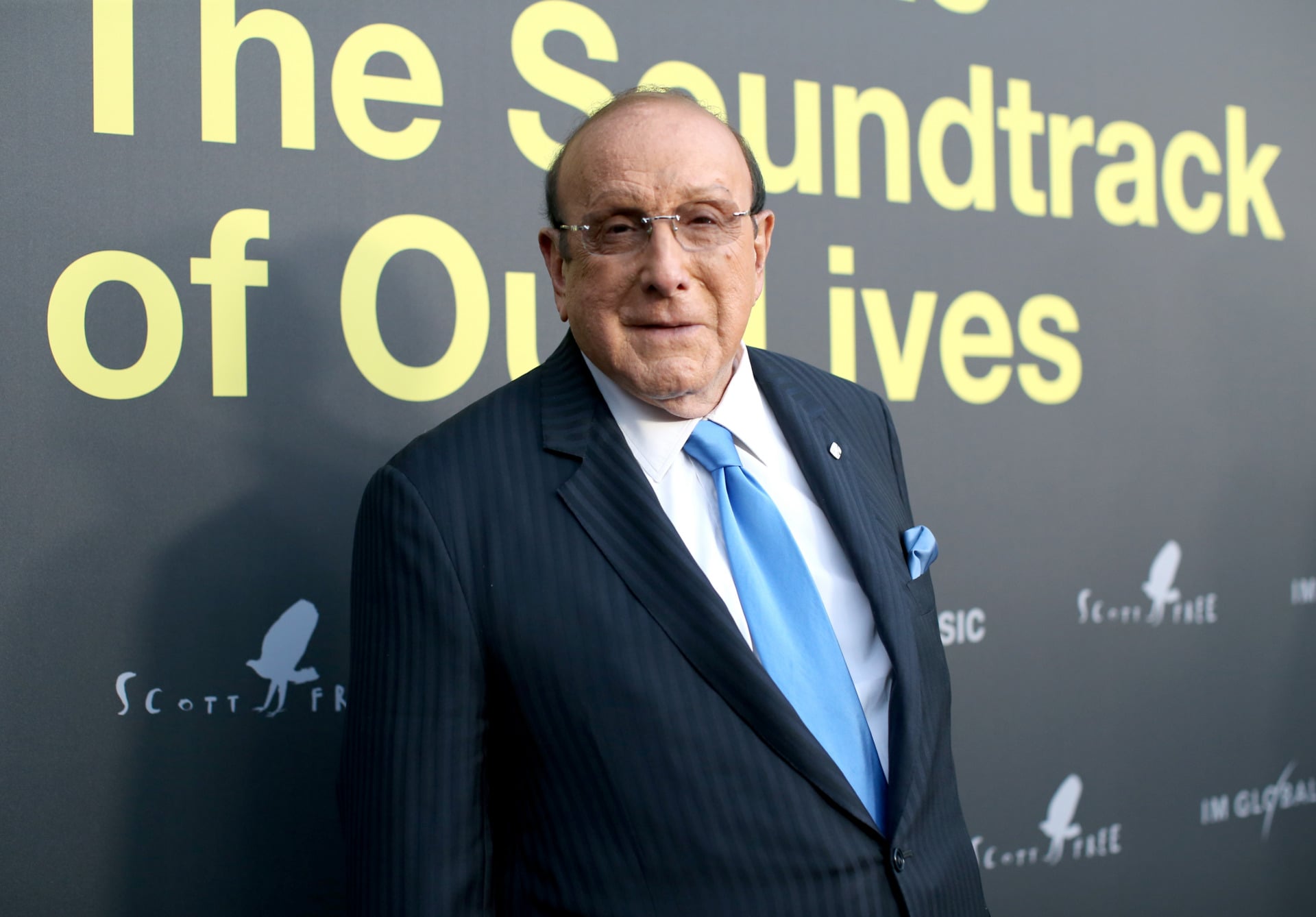
The music industry lost one of its titans this week with the death of Clive Davis, a longtime label executive who helped guide the careers of stars Aretha Franklin, Billy Joel, Bruce Springsteen, Whitney Houston, Patti Smith, Alicia Keys, Barry Manilow and many more.
Davis, who was 94, was widely known as the “man with the golden ear,” with a knack for knowing a hit song when he heard one and developing talent, making him one of the most sought-after and respected figures in the music business.
That ear made Columbia Records a force in the music industry by incorporating more contemporary music into the company’s roster, forever changing the musical landscape—a move inspired by an unforgettable live music experience that inextricably changed Davis’ life.
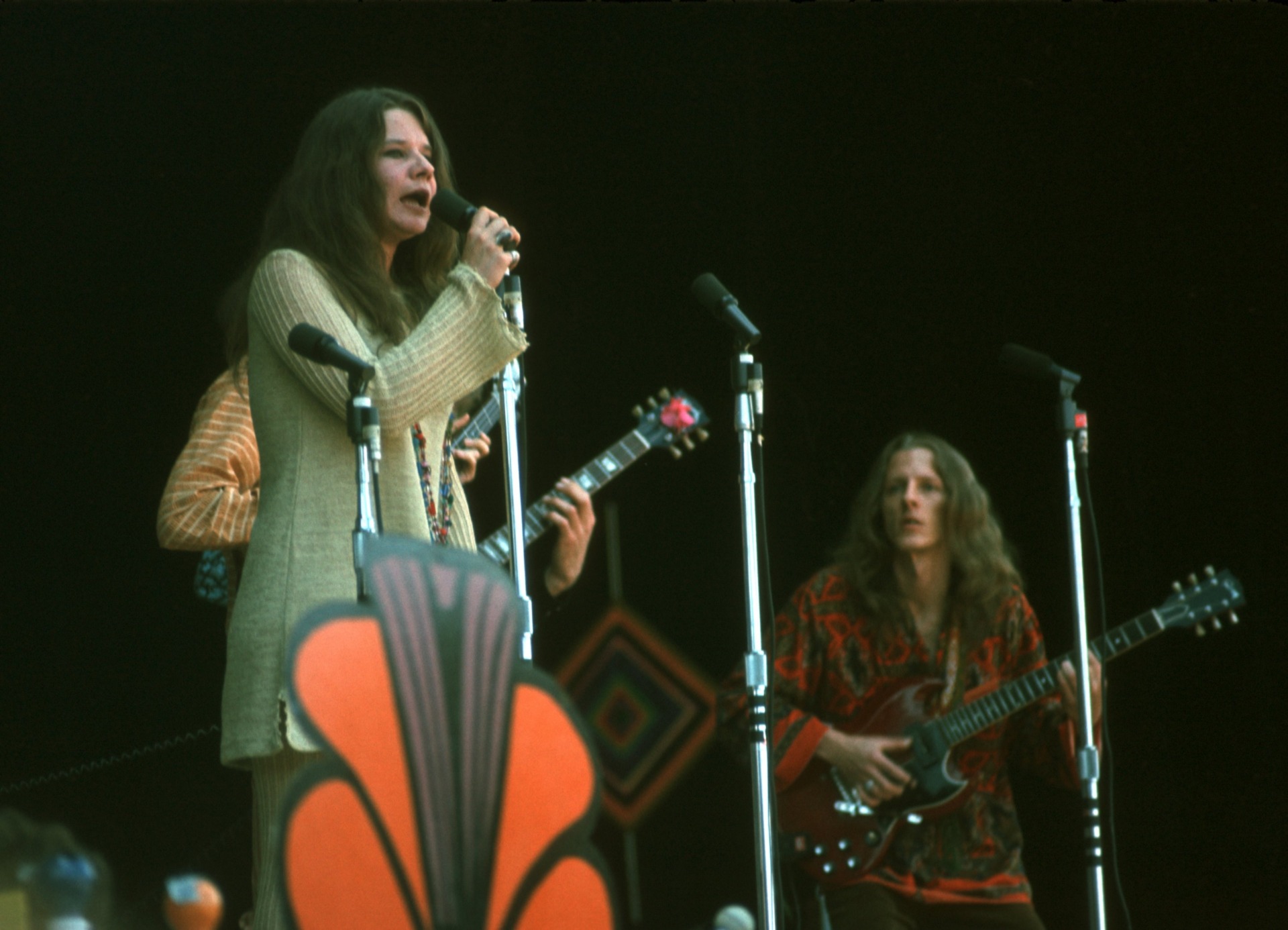
An invitation from record producer and The Roxy co-owner Lou Adler prompted Davis to attend Northern California’s Monterey Pop Festival in 1967. 5he three-day event, promoted by Adler, exploded the mind of, and opened the Columbia Records executive’s eyes and ears, to a nascent counterculture movement. The fest included ascending artists like Jimi Hendrix, Janis Joplin, the Who, the Grateful Dead and the Mamas and the Papas. Many of the stars who graced the stage that weekend went on to become rock icons and the faces of the 1960s rock.
“I was blown away,” Davis said in the 2017 documentary Clive Davis: The Soundtrack of Our Lives. “I had never seen any hint of the cultural, social revolution coming out of Haight-Ashbury. And I was there with white pants and a tennis sweater, so I was the one that looked weird.”
The moment it all changed for him was when he saw Big Brother and the Holding Company taking the stage. There was no mention of the lead singer, but it wasn’t long before Janis Joplin joined the rock band.
“As soon as Janis Joplin came on stage, I mean, she was hypnotic,” Davis said in the film. “Now, these years later, it sounds almost cliché, but I felt my spin tingle and my arms vibrate. I was just overcome with emotion. And I was saying, ‘You know, this isn’t just a social revolution. This is a musical revolution.’”
He experienced what just about any music fan feels when they hear a sound that intensely activates one’s brain, releasing dopamine and endorphins, creating a sense of euphoria and sending chills down one’s spine.
Not long after witnessing that performance, Davis signed Jopin as well as Big Brother and the Holding Company, sparking his own revolution at Columbia Records, a company that was, in his words, “preeminent in classical music and Broadway” and dismissive of the rapidly rising rock scene.
Under his guidance, the label went on to sign The Electric Flag, Santana, Lynn Anderson, Bruce Springsteen, Aerosmith, Pink Floyd and many more icons, making Columbia one of the top companies in the business and direct competitor to Ahmet Ertegun’s Atlantic Records.
What makes his accomplishment impressive is the fact that music wasn’t central to Davis’ life. Growing up in a Jewish family in New York without much money, he was expected to become a lawyer or enter the medical field, and he opted for the former, attending New York University. After graduating from Harvard Law School, Davis worked at a small law firm before landing at Rosenman, Colin, Kaye, Petschek, and Freund, one of the top firms in New York.
One of their top clients was Columbia Records, and one of the label’s chief attorneys reached out to Davis, offering him a position in their legal department.
“I knew nothing about music. I knew nothing about what a wave it made. But I did seize that opportunity,” Davis said.
Five years later, he was named head of Columbia Records, changing rock and roll and pop music forever.
“It was titillating; yes. Nerve-wracking; yes,” Davis said in the doc. “My God, I’m actually signing artists. I never thought I would do it. I never thought it was my destiny.”
It wasn’t just his ability to hear music and make the artist feel heard, but also his understanding of the power of the rock movement and his ability to meet the moment.
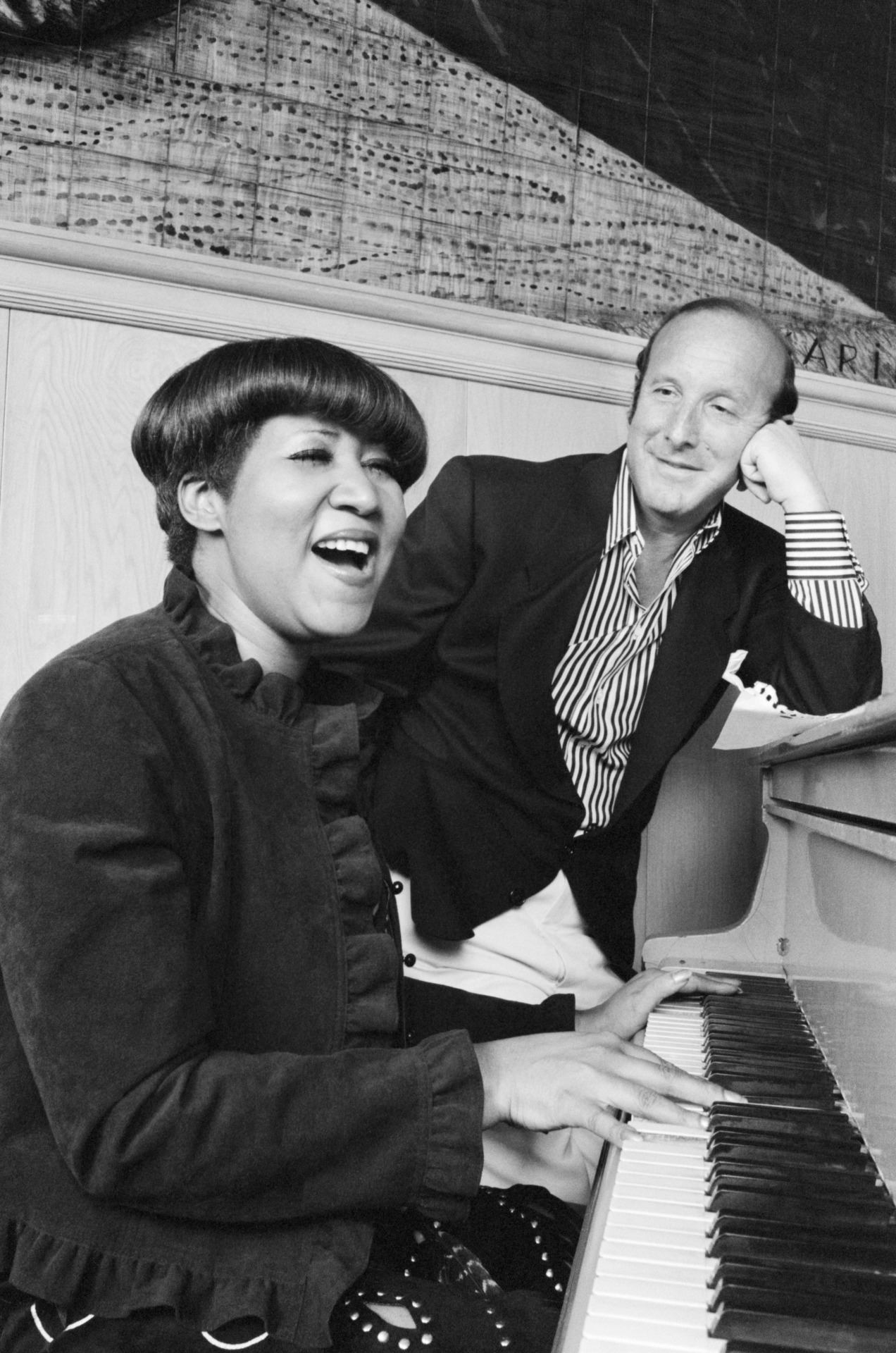
In the documentary about Davis based on his 2013 memoir, the music mogul recalled a conversation with Miles Davis, who was upset about “young white guys who are stealing my chops” and “selling millions of albums.” The artist wanted to leave the label, but Clive Davis urged him to hit the road, believing that the live music would transform Miles Davis as it had him.
“I said, ‘Miles, to move into this new world of contemporary pop music, you’re going to have to let me book you at The Fillmore Easts and Wests of the world. You’re going to have to play colleges; you’re going to have to play for this young rock audience. And I know in my heart you’re going to learn from this experience. You’re going to adapt whatever your genius creates. You’re going to be affected by this,’” Davis recalls telling his artist.
Miles Davis accepted that challenge and later revitalized his career with the groundbreaking 1970 album Bitches Brew, proof that Davis not only had a golden ear but also a magic touch, reinventing acts like Carlos Santana, Grateful Dead, Rod Stewart and Dionne Warwick throughout his storied career at Columbia, Arista Records, J Records, RCA Music Group and BMG North America.
As a Grammy Award winner, a Rock and Roll Hall of Fame inductee and recipient of countless honors, Davis’ legacy will always live on through the rock movement he championed, which continues to resonate today with acts like Bruce Springsteen and Santana still selling out venues across the globe.
“Clive understood that music is more than entertainment. Music is a healing force. It brings people together beyond fear, beyond separation, beyond borders. He dedicated his life to championing artists and helping them share their gifts with the world,” Santana wrote in a tribute to Davis on Facebook. “Clive recognized the light in people. He encouraged artists to trust their own voice and step into their destiny. Because of his vision, countless musicians were able to reach hearts across the planet.”
FREE
 Daily Pulse
Subscribe
Daily Pulse
Subscribe
 Daily Pulse
Subscribe
Daily Pulse
Subscribe