
‘Non-concert Formats Are One Of The Most Exciting Developments In Live’: Q’s With Semmel Concerts’ Christoph Scholz & Finn Regenhold
For a lot of promoters, the non-concert business has become a significant driver of growth, whether that’s touring family shows or exhibitions residing in one spot for a longer stretch.
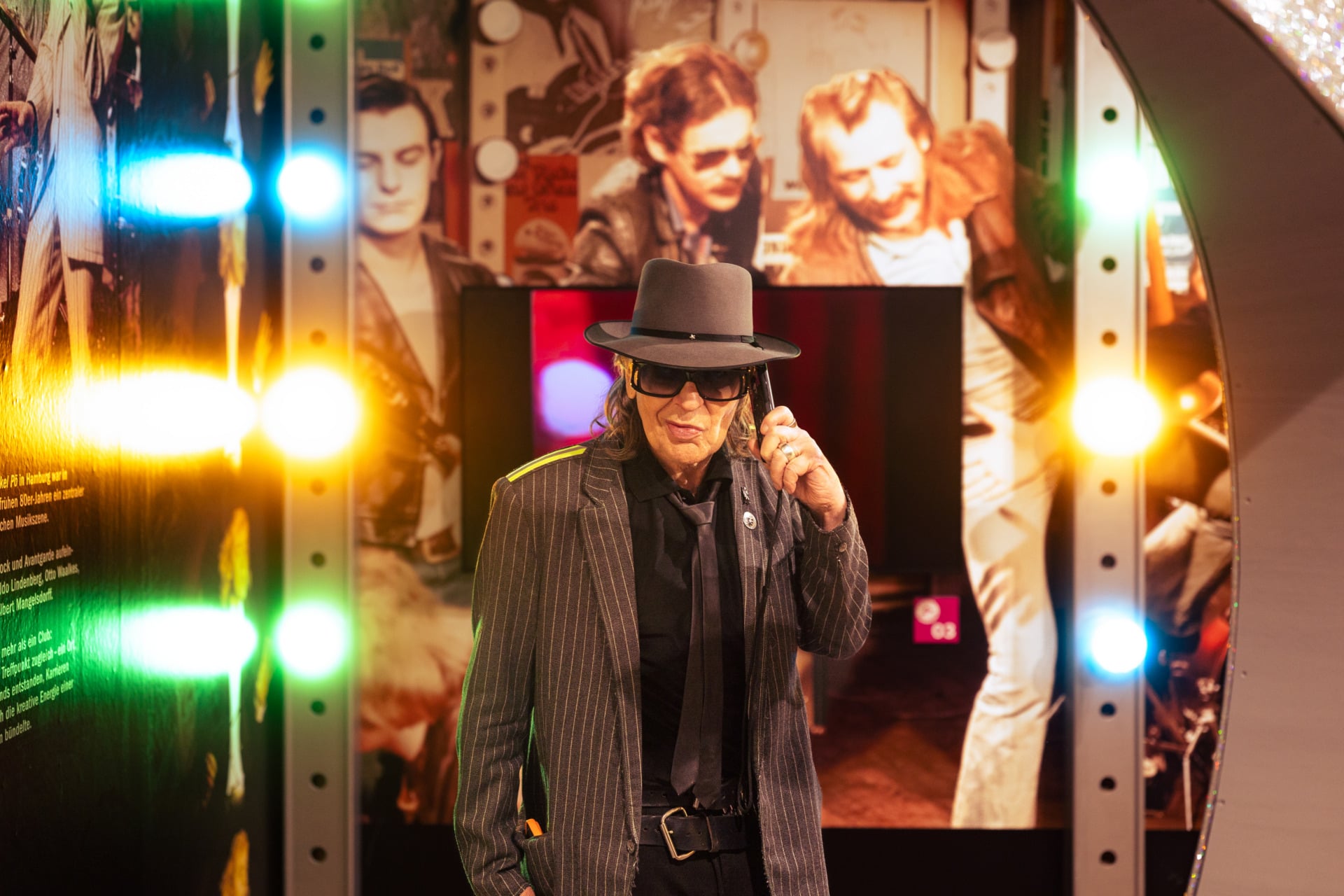
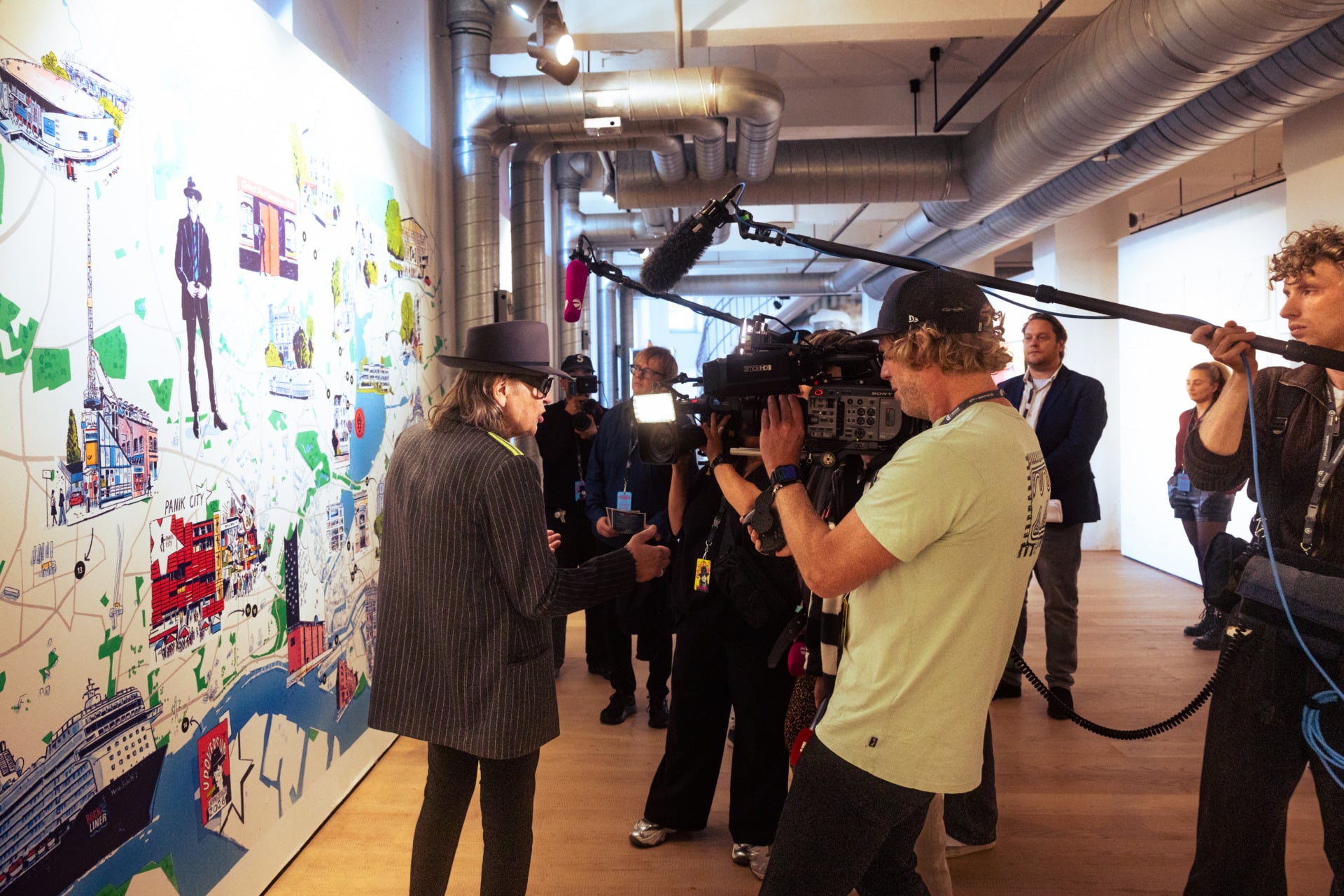
One of the current examples from Germany is Udoversum, which just opened its doors at stilwerk in Hamburg. It is an exhibition on one of the country’s most iconic artists, Udo Lindenberg.
Lindenberg is not just a singer, songwriter, musician, and painter, but also one of Germany’s most successful live acts, selling out the country’s arenas whenever he goes on tour. The last time this happened was in 2022, on the “Udopium Tour”. A Pollstar Boxoffice highlight from that run includes two sold out nights at Barclays Arena in Hamburg, June 27-28, 2022, where he moved 22,429 tickets for a $1,913,410 gross.
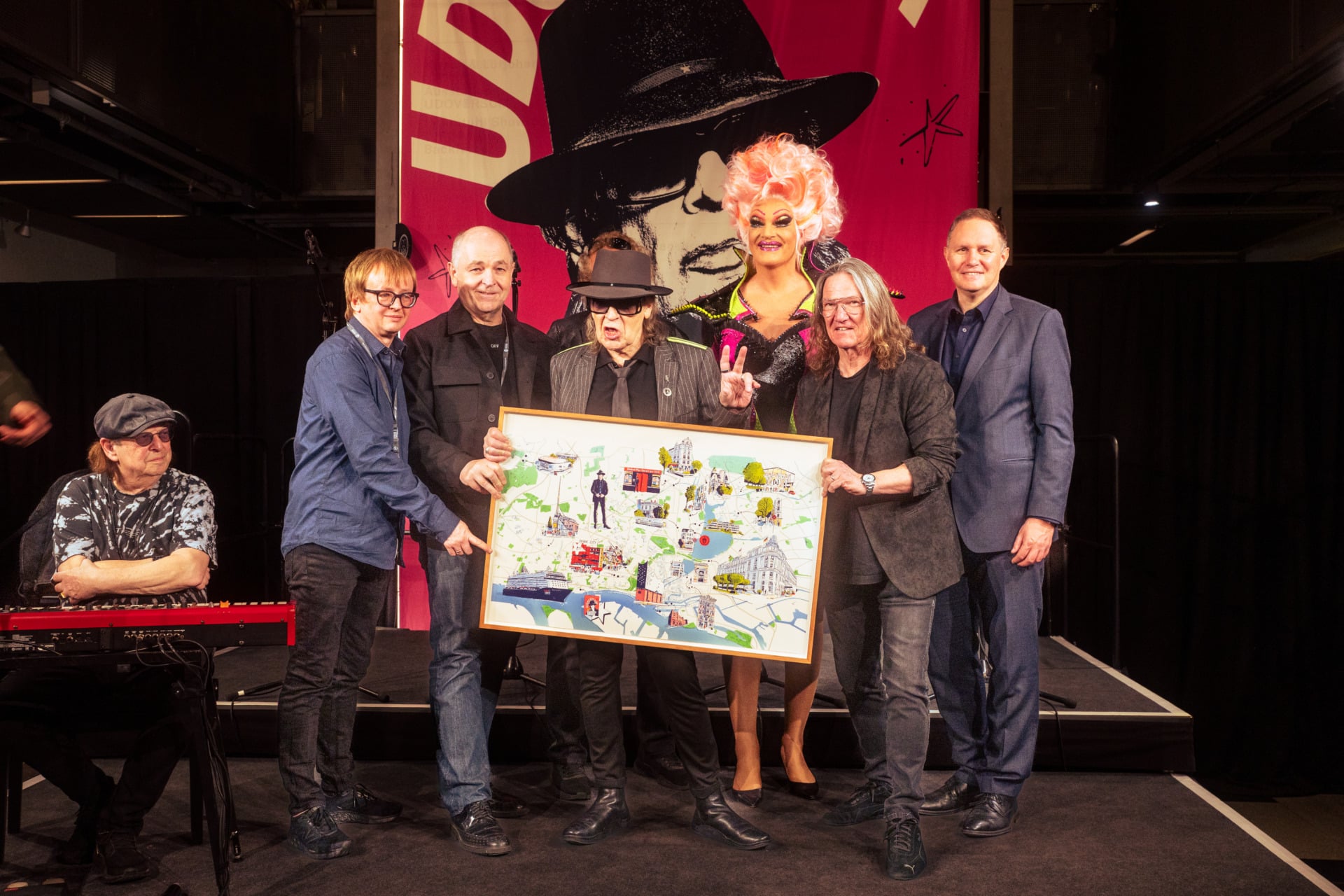
For the Udoversum exhibition, producer Dieter Semmelmann teamed up with Wacken Festival founders Holger Hübner and Thomas Jensen and Udo Lindenberg´s archival team. It shines a light on Lindenberg’s unique life and work, which has always tackled current affairs like Germany’s turbulent East-West history, and advocated for peace.
Exhibits include old stage outfits, instruments, lyrics, paintings, and other memorabilia offering a glimpse into a man who has been shaping German pop-culture for more than 50 years now.
At the time of writing, Udoversum, which will be running in Hamburg until Oct. 4, 2026, had already sold more than 50,000 tickets. Pollstar reached out to Semmel Concerts’ Director Exhibitions &International Projects, Christoph Scholz and Head of International Marketing, Finn Regenhold, to talk about Udoversum in particular, and the growth of non-touring business in general.
From German Discos To Stadiums: How Dieter Semmelmann Became A Powerhouse Promoter
Pollstar: How important have non-concert event formats become in your overall business? Can you exemplify that by numbers?
Finn Regenhold: What we can say is that the segment has been important enough for us for a long time to treat it as its own area of expertise, organized through our Semmel Exhibitions division, with dedicated production, marketing, ticketing, and partnership know-how.
In numbers, we currently have seven active Exhibitions running at the same time averaging over 1.3 million visitors a year. So non-concert event formats have become a strategically important and growing pillar of our business. They allow us to tell stories over a longer period of time, to work with cultural brands, artists, institutions and IP owners, and to reach audiences who might not necessarily attend a traditional concert.
From a business perspective, the major difference is that these formats do not happen on one night only. They can run over several weeks or months, create recurring visitor traffic, open up partnership and sponsorship opportunities, and allow for a different kind of marketing lifecycle.
How many tickets has Udoversum sold since opening?
Christoph Scholz: More than 50,000. What is particularly encouraging for us is not only the number itself, but the audience mix. Udoversum is attracting long-time Udo fans, Hamburg visitors, families, art lovers and people who are interested in German cultural history. That shows us that the format is not just working as a fan product, but as a broader cultural experience.
Any other non-concert event formats that are doing incredibly well for you?
Christoph Scholz: Yes. We see strong potential in formats that combine well-known IP or cultural figures with a high-quality live experience. In the wider exhibition and experience market, formats around brands such as Harry Potter, Jurassic World, and other highly recognizable content show that audiences are very willing to spend money and time on immersive, story-driven formats.
For Semmel, this is also about building a broader portfolio: music-related exhibitions, family entertainment, immersive experiences, cultural exhibitions and special-interest formats. The common denominator is that the audience must feel that the event gives them something they cannot get from simply watching content online.
What makes these event formats so appealing to an audience?
Finn Regenhold: The appeal lies in the combination of access, emotion and immersion. A concert is a very powerful, shared moment, but it is limited to one specific night. An exhibition or experience gives the audience more time and space to enter an artist’s world, a story universe or a cultural topic.
In the case of Udoversum, visitors are not just looking at objects. They are stepping into Udo’s universe: his music, his art, his political attitude, his visual language, his humour and his role in German pop culture. That makes the format appealing across generations. Long-time fans can rediscover their own memories, while younger visitors get an accessible introduction to an artist who shaped German music and culture.
Another important factor is flexibility. Visitors can choose their time slot, come with family or friends, spend more time on site, visit the shop, attend special events and share the experience on social media. That makes these formats very contemporary.
What does the foundation need to look like for an exhibition format to work? How popular does the subject matter need to be?
Christoph Scholz: Popularity helps, but popularity alone is not enough. In our view, three things need to come together.
First, there needs to be a recognizable subject with a real audience. That can be a global IP, a cultural brand, a historic topic or an artist with a loyal fan base. Second, there needs to be enough depth in the story. A successful exhibition cannot only rely on a famous name; it needs original material, emotional access, visual strength and a clear narrative.
Third, the format needs to work operationally: the right city, the right venue, the right ticket price, the right marketing partners and a production quality that justifies the visit.
Udoversum is a good example because Udo Lindenberg is not only a musician. He is also a painter, performer, political voice, Hamburg icon and part of German cultural memory.
That gives the exhibition many different entry points. Someone may come because of the music, someone else because of the art, and someone else because of Hamburg, German history or Udo’s attitude. So, yes, popular original content is a strong foundation. But the decisive factor is whether that content can be translated into a meaningful live experience.
How feasible is it to take something like Udoversum on tour?
Christoph Scholz: In principle, it is feasible, but it is not a simple copy-and-paste touring model. A format like Udoversum includes original objects, artworks, personal items, staging elements, audio content and a very specific emotional setting. To tour it successfully, the exhibition would need to be modular, logistically manageable and carefully adapted to each venue.
The key questions are: Can the original exhibits travel safely? Are the insurance and conservation requirements manageable? Does the venue offer the right atmosphere and technical infrastructure? Is there enough local audience potential? And can the story still feel authentic outside Hamburg, which is so closely connected to Udo’s life and myth?
A realistic approach could be selected residencies rather than a very dense tour schedule — for example in cities with a strong Udo connection, strong media partners or high tourism potential. The most important thing would be to protect the quality and intimacy of the experience. But we currently have not plans to tour the “Udoversum”.
Anything you’d like to add?
Finn Regenhold: For us, non-concert formats are one of the most exciting developments in live entertainment because they expand what ‘live’ can mean. Audiences are increasingly looking for experiences, not only performances. They want to enter worlds, discover stories, take part, learn something and share the moment with others.
At the same time, these formats can extend the cultural life of an artist or brand. Udoversum is not a concert, but it keeps Udo Lindenberg’s legacy alive in a very physical, emotional and accessible way. It shows that music culture can be experienced beyond the stage – through art, objects, storytelling, space and memory.
That is why we believe these formats will become even more important in the coming years, especially when they combine strong content with serious production quality and smart audience development.
FREE
 Daily Pulse
Subscribe
Daily Pulse
Subscribe
 Daily Pulse
Subscribe
Daily Pulse
Subscribe