
Live Nation Settlement Public Comment Period Opens
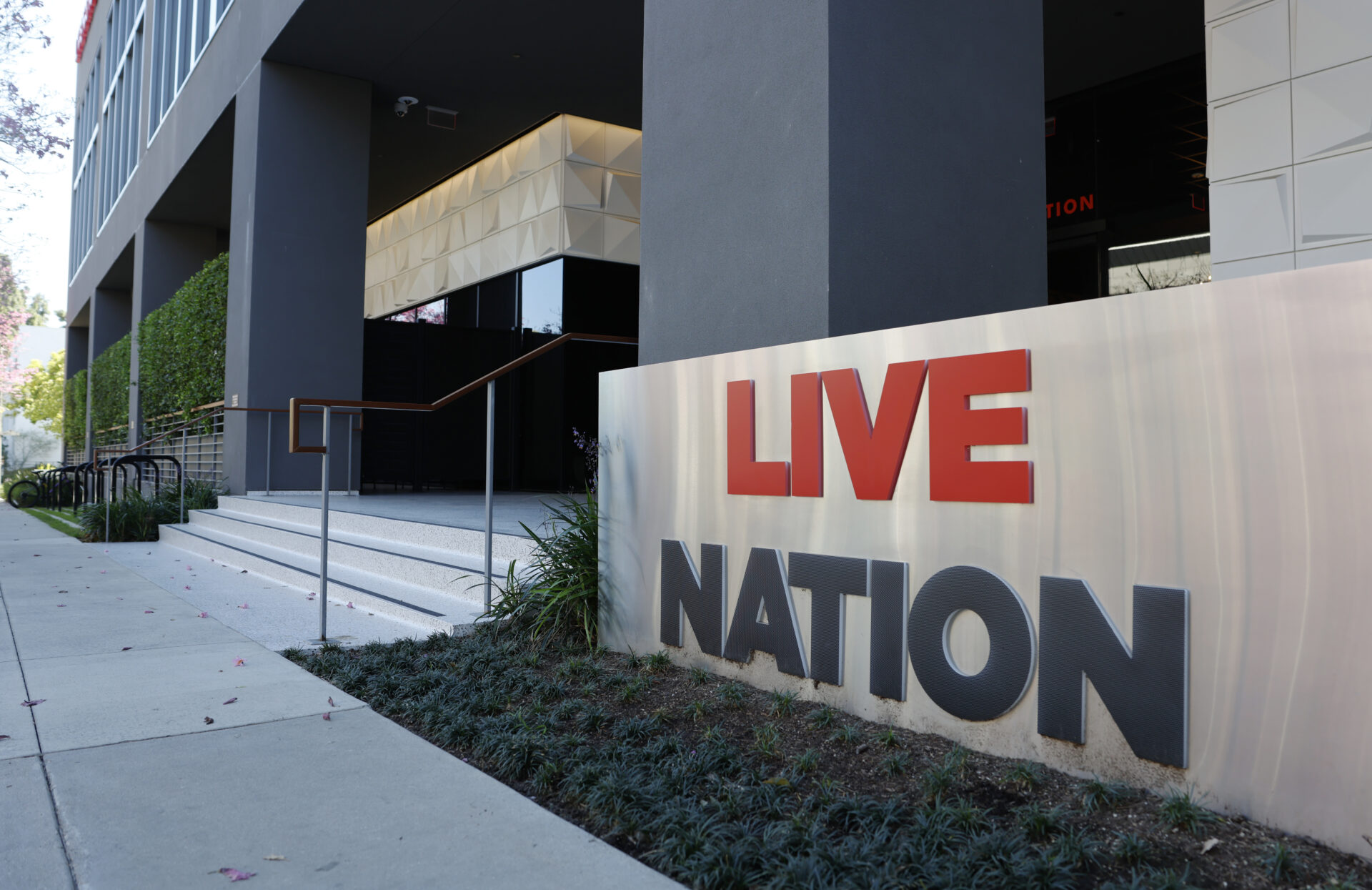
The settlement between Live Nation and the United States Department of Justice and six states has been officially published in the Federal Register, opening a 60-day public comment period.
The public comment period is required by the Tunney Act, the Nixon-era legislation designed to give judicial oversight to antitrust settlements and prevent corruption. Under that law, U.S. District Judge Arun Subrmanian must approve the agreement. He has said he’s likely to make his decision on the settlement between mid-September and mid-October.
While the announcement of the settlement was a surprise, coming just days into the blockbuster trial, the terms formally published in the Register are not. Ticketmaster must open up its back-end to other ticketers and allow so-called “major concert venues” to contract with other ticketing companies. Live Nation must divest or otherwise terminate booking contracts with 13 amphitheaters — Wharf Amphitheater in Orange Beach, Alabama; Walmart AMP in Rogers, Arkansas; Ford Idaho Center in Nampa; Maine Savings Amphitheater in Bangor; Brandon Amphitheater in Brandon, Mississippi; Bethel Woods Center for the Arts in Bethel, New York; Empower FCU Amphitheater at Lakeview in Syracuse, New York; Riverbend Music Center in Cincinnati; Germania Insurance Amphitheater in Austin; Cynthia Woods Mitchell Pavilion in The Woodlands, Texas; and Milwaukee’s BMO Pavilion and American Family Insurance Amphitheater.
Live Nation must also terminate its ticketing services contract with Oak View Group (Pollstar‘s parent company) and allow any venue which signed a deal with Ticketmaster under that contract to re-bid the contract.
Live Nation will also pay the six states that signed on to settlement a combined $18.5 million.
After the settlement was announced, more than 30 states chose to press on at trial, ultimately winning a jury verdict that Live Nation and Ticketmaster operated as an illegal monopoly. Subramanian will issue remedies and penalties in light of that verdict, as well.
“A jury found on April 15 that Live Nation is an illegal monopoly. This proposed settlement asks a federal judge to let that monopoly remain virtually intact,” National Independent Venue Association executive director Stephen Parker said. “With this proposed settlement, Live Nation keeps Ticketmaster. It keeps its artist management business. It keeps its festivals. It keeps its clubs and theaters. It keeps the power to package a tour, route that tour into buildings it controls, and sell every ticket to it. Those capabilities are central to the operational structure the jury found illegal, and this settlement does not address them.
“The U.S. Department of Justice initially asked the court to order the divestiture of, at minimum, Ticketmaster – then it sold out to Live Nation one week into a trial that eventually resulted in the live behemoth being found liable on every count of being an illegal monopoly. Six states signed on to this insufficient deal and will share about $18.5 million. Live Nation earns that in roughly six hours. Over the 60 days the public has to comment on whether this settlement serves the public interest, it is estimated that Live Nation will take in more than $4 billion.”
The public comment period ends Sept. 4. Comments submitted will be posted in the Register and can be sent by email to LiveNationPublicComment@usdoj.gov.
FREE
 Daily Pulse
Subscribe
Daily Pulse
Subscribe
 Daily Pulse
Subscribe
Daily Pulse
Subscribe