
UK Government Announces Plans To Secure Music Industry
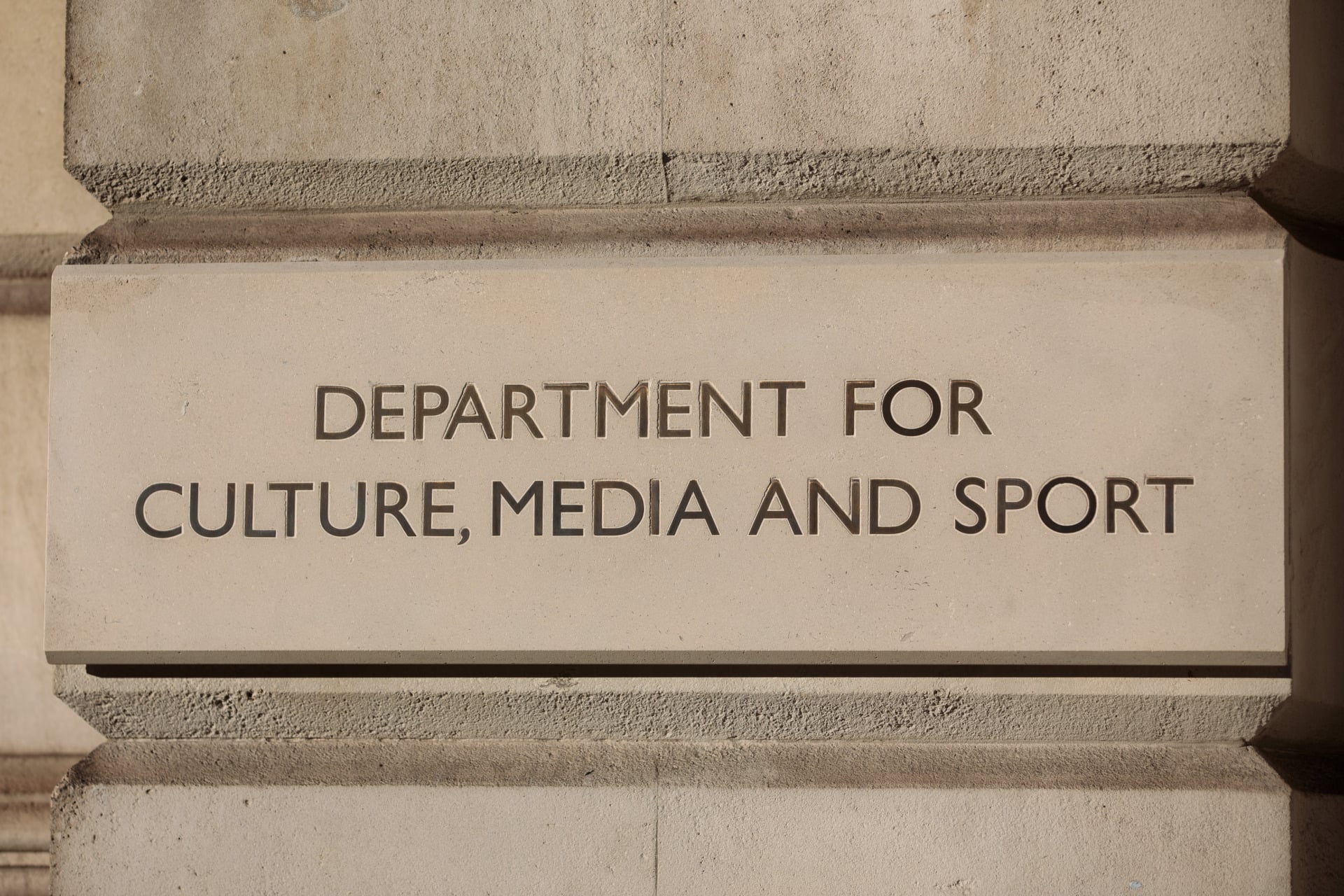
The UK government has unveiled a new long-term plan to back the country’s music sector, including artists, fans, venues, festivals, labels, and music related businesses.
“Our Plan for Music will create the conditions for the sector, already worth at least £8 billion [$10.7 billion] to the economy, to grow, innovate and succeed. The new strategy reaffirms the Government’s commitment to ensure the UK is the best place in the world to create, experience and invest in music,” a press release from the UK government’s Department for Culture, Media and Sport (DCMS) reads.
See: UK Government Pledges ‘Full Commitment’ To Tear Down Touring Barriers
New announcements include a new cash injection of £15 million ($20 million) from Arts Council England into the government’s so-called “Music Growth Package” launched last year, which now stands at £45 million ($60 million) and should benefit “more than 2,000 projects and at least 40,000 artists and music professionals over the next three years,” according to the DCMS.
At least £12.5 million ($16.7 million) are to be made available for a “Music in Libraries” initiative to boost the role of libraries in music enrichment, an initiative co-designed by the Ed Sheeran Foundation and other partners.
Librariers in England can apply for the funding to create free studio spaces, recording booths, mixing desks and state-of-the-art equipment.
The government plans to give at least £10 million to a Creative Mentoring scheme, that’ll give thousands of children and young people the opportunity to receive in-depth mentoring from creative practitioners, and opportunities to explore creative disciplines such as music, art, film and drama.
Like the Music in Libraries scheme, the Creative Mentoring will be delivered by The National Lottery Community Fund.
Other plans the UK government has for the UK music biz include: reforms to the licensing system to help live music and events thrive; increased investment in the UK government’s music trade mission program; the appointment of Michael Dugher, former CEO of UK Music, as the government’s first “Music Champion”, tasked with strengthening engagement between politics and the music industry.
Today’s announcements builds on past initiatives by the UK government, including the £1 ticket levy, announcements to change ticketing legislation and make streaming payouts more viable.
The new music plan also includes a 15% business rates relief for live music venues, which is one of the most effective ways of helping the music biz, because it gives the grassroots sector in particular at least some financial certainty they can plan with.
Finally, to ease the burden on artists and crew touring between the UK and mainland Europe, the EU, UK, Norway and Switzerland have introduced the first phase of digital ATA Carnet processing.
“With an expected 70% of carnets issued in the UK now to be processed digitally, this should reduce administrative burdens and offer better cost management for touring artists,” the UK government estimates.
It is also investing in the next generation of music talent “through reforming education and skills, including a reformed National Curriculum which will give every child a strong foundation in musical understanding,” the press release continues.
To tackle the working conditions in this biz, the government, among other things, will appoint a Freelance Champion to advocate for creative freelancers.
See: UK Government To Probe Competition Concerns Within Live Industry
Comments:
UK Culture Secretary, Lisa Nandy: “Music is our shared language. It brings people together, breaks down barriers and gives voice to every community. At a time when too many people feel disconnected, music has never mattered more.
“As the song says, ‘Every generation throws a hero up the pop charts.’ But pop is getting posher, and that must change. Talent is everywhere, but opportunity is not. After a decade of mindless vandalism that stripped culture and creativity from too many classrooms and communities, we are putting music back at the heart of education, investing in creative careers and backing grassroots music across the country.
“We believe music belongs to everyone, not just the privileged few. That’s how we widen opportunity, strengthen our communities and ensure the UK’s incredible fans and extraordinary musical talent continues to inspire the world for generations to come.”
Tom Kiehl, CEO of UK Music: “UK Music has previously called on the government to deliver a long-term music strategy to help safeguard and grow our world-leading industry that contributes £8 billion to the economy, brings in £4.8 billion in export revenues and supports 220,000 jobs. It is welcome that the government have listened to our calls and are launching a Music Plan.
“This long term plan comes at a time when it is more crucial than ever that we join forces to find solutions to the challenges facing our world-leading sector. These include the impact of artificial intelligence on music creators and companies, the barriers to overseas touring, the threats music spaces face, the challenges small businesses and freelancers experience, and the need to protect music in schools.
“We look forward to working with the government, its music champion Michael Dugher, our members and the rest of the music industry to make the make the most of this opportunity, to build on the foundations that a Music Plan creates, and to ensure that our sector remains a pillar of growth which helps boost jobs and opportunities right across the UK.”
Jon Collins, CEO of LIVE: “The UK has one of the most vibrant live music sectors anywhere in the world. Every week, thousands of artists, venues, festivals, promoters, and crews come together to create experiences for millions of fans. This makes a significant contribution to our economy, culture, and communities.
“It’s very encouraging to see Government recognizing the importance of music in the UK Music Plan. We must continue to back every part of the live music ecosystem, from grassroots venues and emerging artists through to the arenas, stadiums, and festivals that showcase British talent to the world.
“LIVE Trust is a fine example of what can be achieved when the industry comes together for the greater good. Artists, promoters, and audiences are already helping generate millions of pounds to support the grassroots sector, and we’ve received over six million pledges since LIVE Trust was introduced in January 2025. By continuing to work in partnership, Government and industry can ensure the UK remains the best place in the world to discover, develop, and experience live music.”
Darren Henley, Chief Executive, Arts Council England: “Music is one of the UK’s greatest exports, known and loved the world over. The Government’s backing through the Music Plan is investing in our collective future, ensuring creative opportunities for generations to come.
“At the Arts Council, we’ll play our part by delivering the Music Growth Package, new investment that will make a difference to artists at every stage of their career, and to those who support them – from the studio to the stage.”
Isobel Hunter, Chief Executive of Libraries Connected: “Libraries have been inspiring a love of music for generations – whether that’s shaking maracas at a rhyme time session, borrowing a ukulele, exploring music collections or learning to use the latest music software. Libraries are also well placed to support young people on pathways into the music industry, connecting them with skills, guidance and advice that may otherwise be out of reach. This funding will create even more opportunities for creativity and self-expression in communities across England, helping to develop the next generation of musicians, producers and creative talent.”
Dr Renuka Fernando, CEO, Ed Sheeran Foundation: “The Music in Libraries program is an important step forward for music education. By expanding access to music beyond the classroom, our library network can help ensure that children and young people from communities across England have the opportunity to engage with music, regardless of where they live.
“ESF will work closely with government, libraries, music teachers, youth clubs and the music industry to help design the program and maximize its impact. Through this collaboration, we hope more young people will experience the many benefits of music education, from building confidence and strengthening communities to fostering creativity, self-expression and positive mental wellbeing.”
FREE
 Daily Pulse
Subscribe
Daily Pulse
Subscribe
 Daily Pulse
Subscribe
Daily Pulse
Subscribe