
‘Programming Is Becoming Denser Throughout The Year’: Q’s With Lily Fisher, Director, Le Zénith Paris
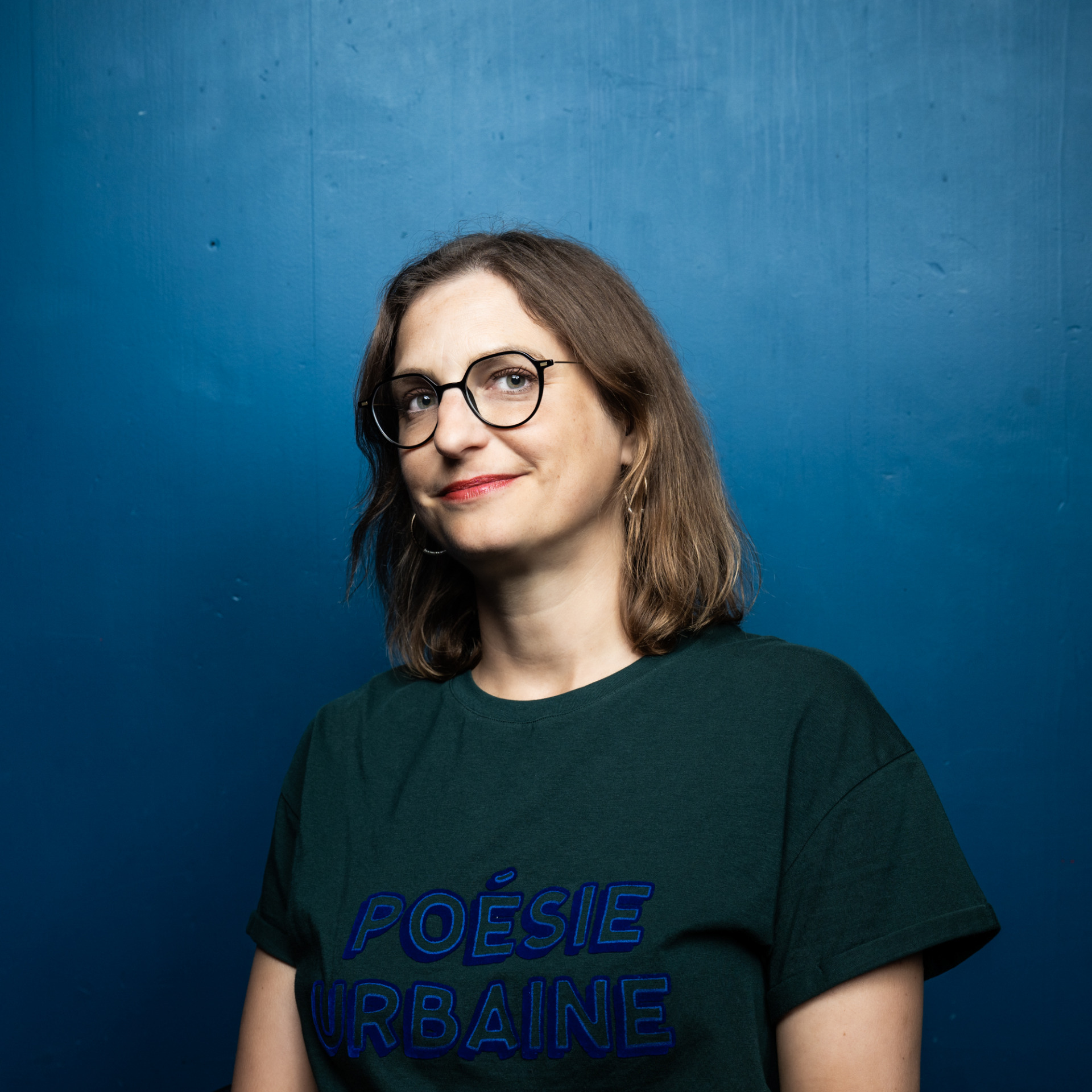
Arenas in France are called Zéniths. Or, to be more precise, Zéniths sit between ampitheaters and arenas in terms of their capacity. Three of them – Zénith Paris – La Villette, Zénith Nantes Métropole, and Zénith Toulouse Métropole – are managed by Colling & Cie, where Lily Fisher is a partner. She’s also the director of the Zénith in Paris, the first of its kind to open in France in 1984.
Today, there are 17 Zéniths dotted around the country, and playing a tour of Zéniths is a major milestone for any artists, international or domestic.
Pollstar spoke with Fisher about the state of play Le Zénith, and the trends that currently shape the French live scene. Stagnating,and in some instances decreasing, ticket prices, as well as a shift in seasonality of touring activity are just two of the interesting insights she talks about in this interview.
Pollstar: How would you sum up the state of business at Le Zénith, now that we’re roughly half way through 2026?
Lily Fisher: 2026 is continuing the momentum we experienced in 2025 and remains an exceptionally strong year for Le Zénith Paris. We expect to host around 160 performances and welcome nearly 700,000 spectators over the course of the year. We remain at record levels, supported by a healthy live entertainment market and a highly dynamic artistic landscape.
Is there a category of events that’s underperforming? Is there one that’s over-performing?
This year, we have seen a slight decrease in the number of K-pop shows hosted at Le Zénith. On the other hand, the five most represented genres remain rock, rap, chanson, pop and electronic music.
More broadly, the diversity of our programming continues to be one of Le Zénith’s greatest strengths, attracting a wide variety of audiences and artistic propositions throughout the year.
Is it fair to say that national talent has never been stronger than right now?
There is no doubt that French and French-speaking artists are currently enjoying tremendous success. Many artists, including members of the younger generation, are now capable of selling out Le Zénith Paris multiple times.
Artists such as Théodora, Santa, Ben Mazué and Vanessa Paradis perfectly illustrate this momentum. The market benefits from both established artists who continue to attract large audiences and a new generation capable of generating genuine excitement and engagement.
Which trends are shaping your business?
We continue to maintain a relatively stable balance between French and international artists, with a split close to 50/50.
We are also seeing increasing market polarisation. Some concerts sell out as soon as tickets go on sale, while others require long-term development, sometimes over a period of up to twenty-four months.
Young audiences now play a major role. Highly engaged and extremely active on social media, they contribute significantly to the momentum behind certain tours.
We are also seeing stagnation, and in some cases a slight decrease, in average ticket prices across certain genres, reflecting a growing focus on accessibility for audiences.
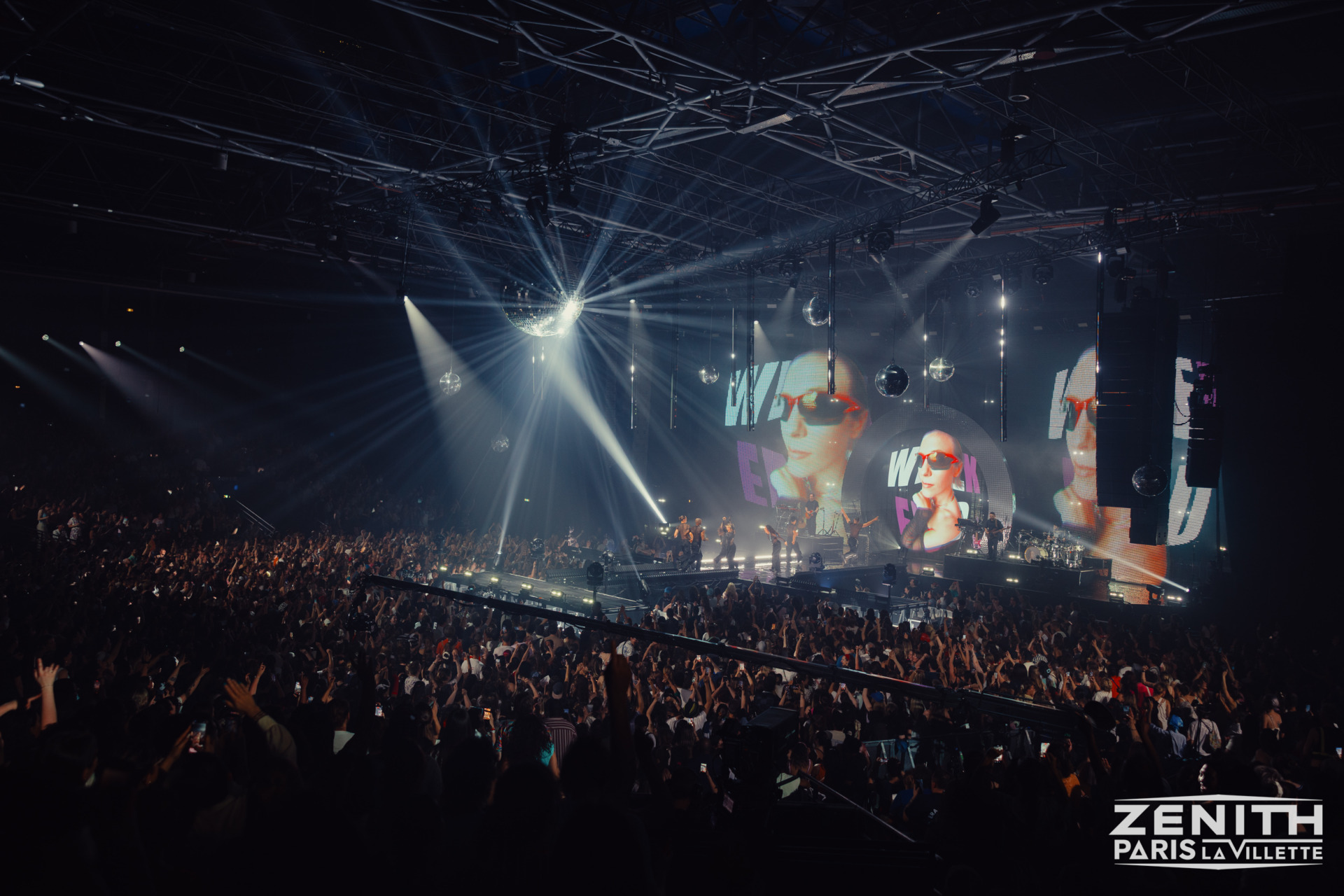
Finally, two production trends are coexisting. On one side, increasingly spectacular shows featuring XXL staging, special effects, prosceniums and B-stages. On the other, some artists are deliberately embracing simplicity, creativity and proximity with their audience, sometimes choosing to perform without screens altogether. A human-scale venue such as Le Zénith provides the ideal environment for both approaches to flourish.
What’s the biggest challenge you’re currently facing, and what’s the biggest opportunity you see?
The biggest challenge is supporting increasingly ambitious productions from both a technical and artistic perspective while operating within a demanding regulatory framework. Whether it concerns rigging, special effects or safety requirements more generally, venues must constantly balance innovation, creativity and compliance.
The greatest opportunity lies in the evolution of live entertainment into a true experience. A concert has become a key moment in the relationship between an artist and their audience. Fans are highly engaged and expect much more than simply attending a performance.
Our role is therefore to make that experience as seamless as possible while creating spaces and moments that encourage connection, sharing and a sense of community.
We are also witnessing a shift in seasonality. Historically, autumn was the strongest period for live music. Today, February, March, April and May are reaching activity levels comparable to those of October, November and early December. Programming is becoming denser throughout the year, and genuine off-peak periods are becoming increasingly rare outside of the summer closure.
Anything you’d like to add?
Le Zénith de Paris continues to evolve in order to meet the expectations of artists, producers and audiences. This autumn, we will introduce a new centre-stage configuration allowing us to welcome up to 7,200 spectators.
This new capacity has been designed in particular to respond to growing demand from electronic music artists, whose productions and show formats are especially well suited to this type of setup.
It will also allow us to further expand the possibilities available to promoters and artists while preserving the identity and sense of proximity that have always been at the heart of Le Zénith. More broadly, it reflects our commitment to supporting the evolution of live entertainment and the growing demand for immersive audience experiences.
FREE
 Daily Pulse
Subscribe
Daily Pulse
Subscribe
 Daily Pulse
Subscribe
Daily Pulse
Subscribe