
Inside JAŸ-Z’s Yankee Stadium Grand Slam: How A Legend’s Vision Was Brought To Life
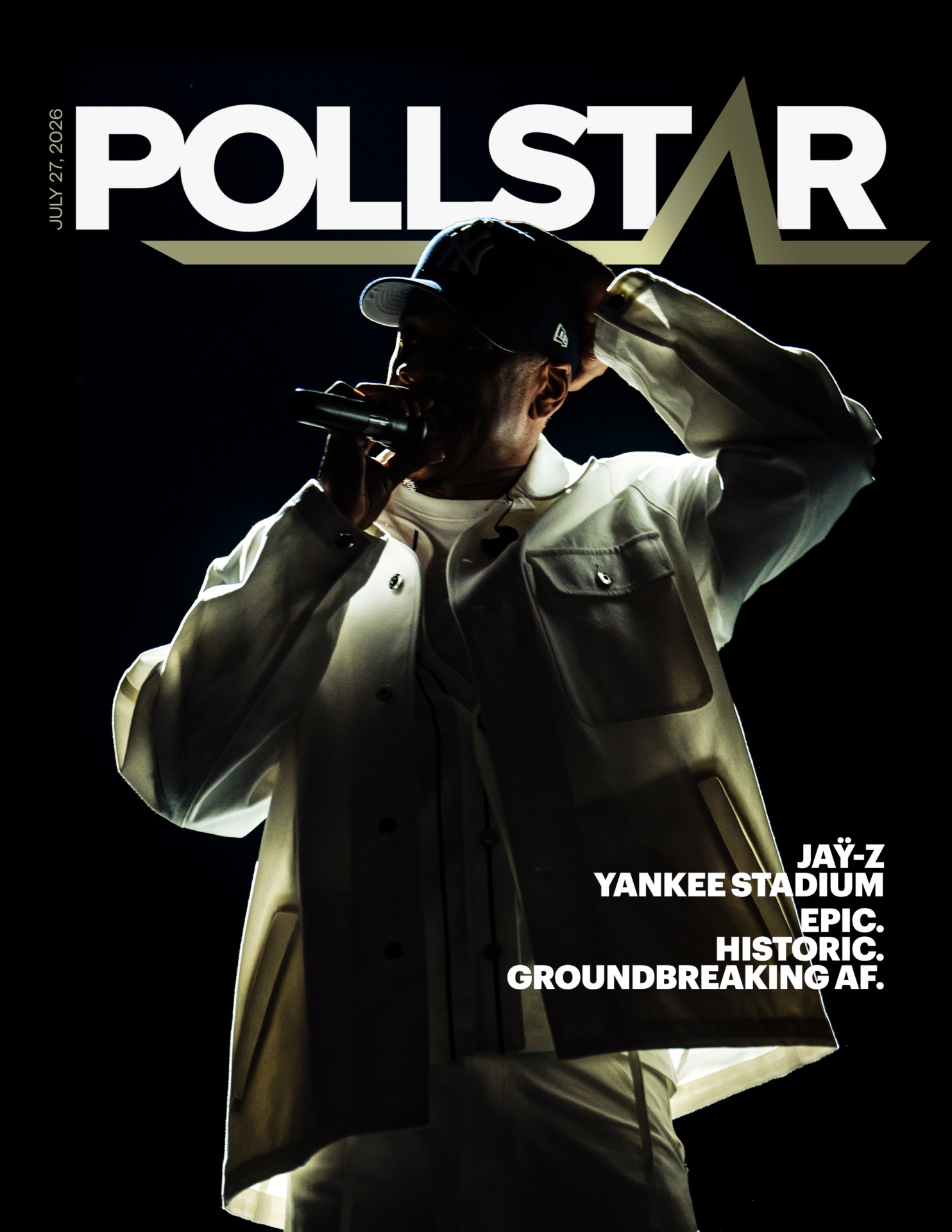
“Despite everything…we did this shit”
– JAŸ-Z, July 12, 2026, Yankee Stadium, The Bronx, NY
In music history, there are moments when an artist comes along and manages to redefine what a great concert can be. Moments from Beyoncé’s “Formation Tour,” the Daft Punk “Alive Tour,” Public Enemy’s “Sizzling Summer Tour,” Prince’s “Purple Rain Tour,” the “Jimi Hendrix Experience Worldwide Tour,” hell, the “Watch the Throne Tour” all come to mind. Those iconic moments that change the game arise sometimes with intention; other times totally coincidental. However, there is that third, magical situation where events unfold inexplicably, or, as Desiree Perez, Chief Executive Officer of Roc Nation, would call it, “God’s timing.”
Perez’s storied business relationship with JAŸ-Z extends three decades, with the former booking the latter and the late DJ Clark Kent for a nightclub she managed in 1996. As fate would have it, the two, alongside others, would bring to life a host of ventures, including the original 40/40 Club in 2003 and Roc Nation in 2008, where she eventually became CEO. While she tells Pollstar that they have “seen a lot” in their lifetime, Hov’s Yankee Stadium finale was unlike anything she, or anyone else really, has ever experienced.
On Sunday, July 12, after a “security breach” outside Yankee Stadium, Hov did something few of any artists would have the fortitude, wisdom and confidence to pull-off: he, with his team, decided to delay his Bronx finale’s 9 p.m. start time by more than three hours finally taking the stage at approximately 12:17 a.m. Without incident, what was already expected to be a special show became something of legend. All Jigga had to do now was deliver. But as he reminded us throughout that weekend in between a flurry of hit records, jaw-dropping cameos and virtuoso performances, that Hov has always faced adversity, and he invariably manages to come out on top, even if that means getting offstage at nearly 3:00 a.m.
“Who’s waiting six hours? Three outside and three during the show, at that hour to watch a show, and then feel like…‘This was amazing,’” Perez tells Pollstar. “It’s just…I don’t know that it’s ever happened before…that’s his greatness.”
“JAŸ’s [Yankee Stadium shows] illuminated this perspective on his career,” Perez continued. “And with Sunday…as I’m talking to you, I realize — with everything that happened that day — it actually makes you realize how much of an icon he truly is.”
From July 10-12, Yankee Stadium transformed into a high-octane three-decade victory lap, becoming the center of the hip-hop universe. But even before those sweltering summer nights came to be, the starting point takes us back to the cold of February, where an idea from Hova morphed into a full-scale, year-long production.
The Blueprint: From NYC To The World
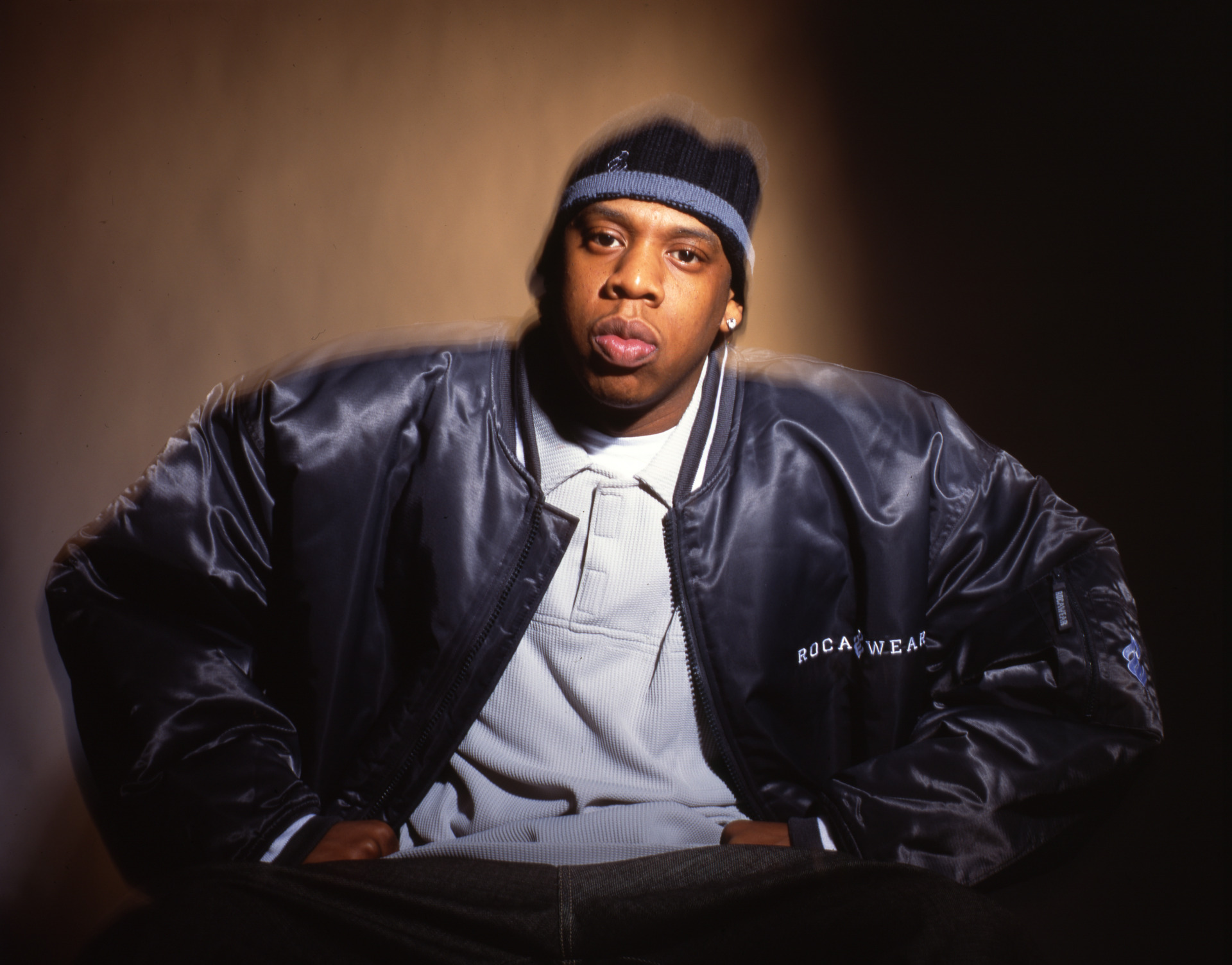
Perez traces the planning back to the moment “Dead Presidents,” JAŸ-Z’s 1996 first single from his debut album Reasonable Doubt, turned 30 in February as the point Roc Nation began quietly building toward the stadium run and building out the JAŸ-Z30 celebration. “We started a couple of months out from the first commemorative moment of 2026,” she said, detailing how Roc Nation sat down and began tracking the calendar year song by song, album by album. The density of JAŸ’s catalog made the timing unavoidable. With much of Hov’s catalog clustered in November, a result of a marketing strategy from a different era back when major artists traditionally saved albums for the fourth quarter, 2025 into 2026 was uniquely packed with dates worth celebrating, including Reasonable Doubt and The Blueprint.’s 25th anniversary
Reasonable Doubt’s anniversary presented a particular challenge: the album was never available on every streaming platform and had never received a vinyl reissue push, which led the team to create a full experience rather than a single product to commemorate the LP. Enter JAŸ-Z30. Under the JAŸ-Z30 initiative, Roc Nation’s mission was to erect a living, breathing altar to one of the illest emcees to ever hold a microphone and celebrate his massive cultural influence and the business acumen he accumulated on his way to the top. The immersive multi-city, year-long campaign includes an array of pop-ups throughout NYC and beyond, marking the milestone of his debut album while celebrating the “body of work as a cultural archive.”
One of the standout attractions of the project was the month-long Brooklyn pop-up at Smack Melon in DUMBO, including a moment that echoed Perez’s sentiments about “God’s timing”: after a landlord dispute killed the idea for their first location, the team’s backup plan, coincidentally, turned out to be a building included in the music video for “Dead Presidents” 30 years earlier. “I could tell you that it was a genius idea over here, but it really wasn’t,” Perez said. “It was really something spiritual happening.”
“Hat cocked/ can’t see his eyes/ who could it be? With that new blue Yankee On, who but me?”
-JAŸ-Z, “Do It Again,” featuring Amil and Beanie Sigel, 1999.
Once conceptual planning turned toward a live event, the venue conversation was short, sweet and direct. Omar Al-joulani, President of Touring at Live Nation, said the idea “really came from S.Carter’s vision,” with Roc Nation and Live Nation working “hand in hand” to execute it. Madison Square Garden and Barclays Center were floated but never seriously in contention once the scale of the moment became clear. And for the man who asserts he “made the Yankee hat more famous than a Yankee can,” Yankee Stadium became the clear choice, the only choice, for the first live element to this celebration.
“I think you know, ultimately, as you saw by the overwhelming ticket sales and reaction, that this moment was bigger than an arena,” Al-joulani said. “I also think JAŸ rapped about the Yankee cap; the two are synonymous. I think it made perfect sense to take the show straight to the Bronx.”
Building, and Un-Building, a Stadium in Days
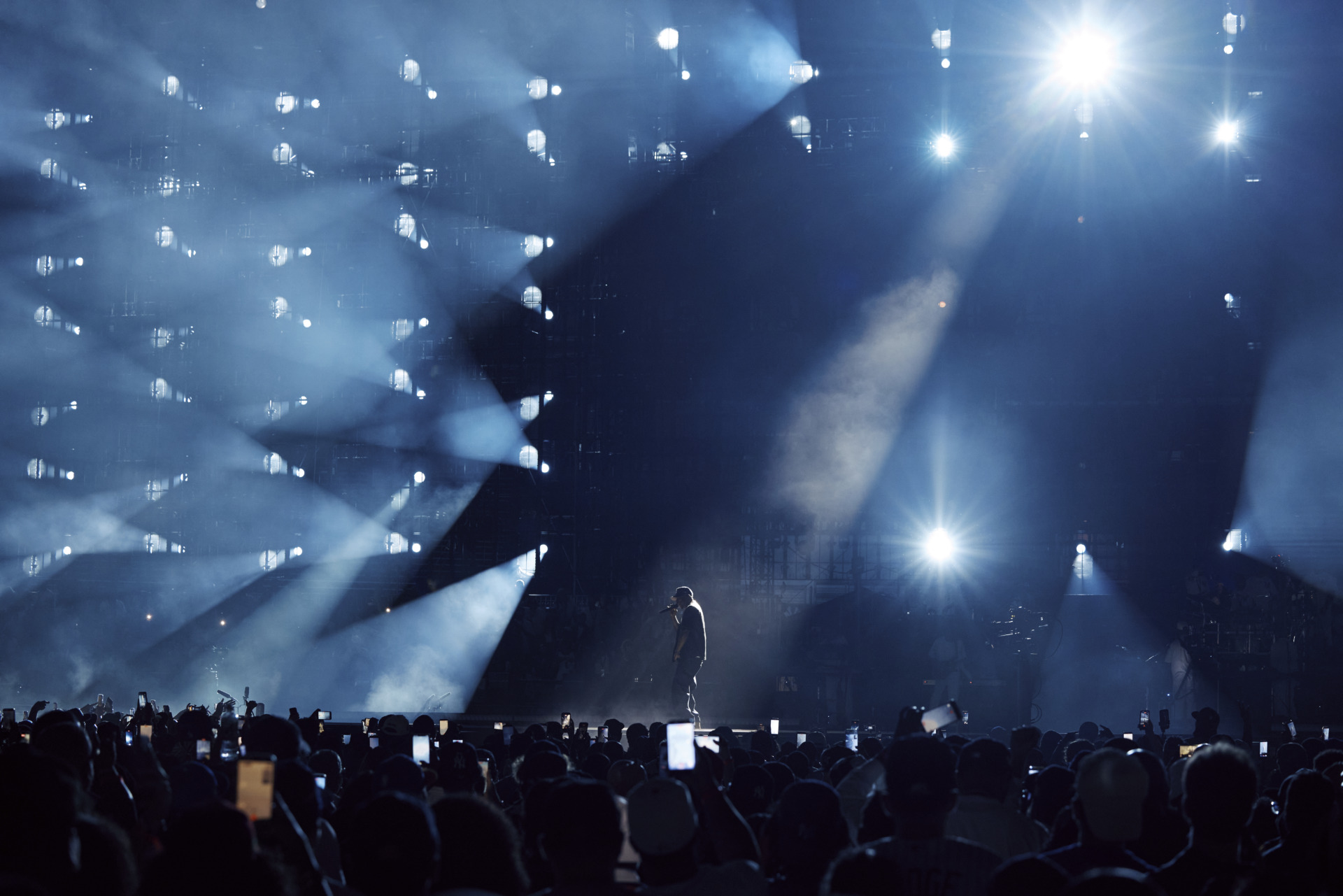
Turning Yankee Stadium into a concert venue required threading a narrow logistical window. Al-joulani explained that the calendar break created by MLB’s 2026 All-Star Game, held this year in Philadelphia, gave the Yankees rare flexibility to open the building. The Yanks last home game would be played on July 5. From there, the team would embark on an away game tour, followed by the All-Star Game in Philly, before returning back to the Bronx to face off against the Los Angeles Dodgers on July 17. In other words, JAŸ, Roc Nation and Live Nation were free to turn home plate into a throne fit for one of hip-hop’s kings.
“When planning this event out, these logistics gave us the ability to get in and get the show built and ready to go for JAŸ,” he said. “And then also gave the Yankees time to return home and get the field ready to play the following Friday after we finished on that Sunday.” He described the process as one where “art meets engineering and science,” a coordination process in which Roc Nation and the Yankees organization worked to raise a full-scale show and tear it down again on a tight turnaround.
Adding to the difficulty was the innovation of it all: each date was a genuinely different show, not a repeated set. Perez opined that this was the least-appreciated feat of the run that people aren’t giving enough attention to. “This show is a different show every single night,” she said. “It’s not just the fact that JAŸ as an artist has to know all those different songs and setlists, right? All of them, everyone, the production, the lighting people, the video people getting everything on different cues, we’re making a different show every single night. It’s not easy, and it’s never been done.”
And something a lesser artist could never dream of pulling off.
Perez connected that musical command directly to the culture she said runs through Roc Nation. “Leadership is everything, so you create culture with strong leadership,” she said, describing how a performer’s discipline sets the tone for everyone working beneath the stage lights. “Imagine working for JAŸ-Z, imagine. He’s exceptional. Everything is exceptional. If he can get up there and perform and give that energy to all those people, and know all those words, and do all of that, on three different shows in one weekend, down to lighting, video, stagehands; what everyone is watching and taking in is that excellence.”
Typically, she further explained, touring acts intentionally open in lower-profile markets to work out kinks before hitting big-name, marquee cities. This run inverted that model entirely; Jigga man opened cold in one of the biggest markets in the world with the highest stakes and no margin for error across three distinct sets built around two distinct eras. Reasonable Doubt on night one, The Blueprint on night two, and then a career-spanning “medley,” as Perez called it, on night three, and 19 different major special guests across all three shows with over 90 songs performed.
For the guests invited to perform, the notice came the way it always historically has with JAŸ: by way of the inner circle. Memphis Bleek, a longtime Roc-A-Fella/Roc Nation representative, “Hov’s little brother,” and a Reasonable Doubt-era collaborator who appeared on night one, said the process was as familiar as it was efficient. Bleek explained how a call from Grammy award-winning producer Young Guru led to his invitation to the celebratory set of shows. “Once Guru called me and told me the rehearsal dates, I knew from there,” Bleek told Pollstar. For Malice of the Clipse, the call was more “Avengers, Assemble”-like, and how could you resist a battlecry of that nature? “I had actually just gone on vacation in Orlando with my family when I got the call from my manager Kevin, who said, ‘JAŸ-Z has requested that we be in attendance and perform at his show,’” Malice explains to Pollstar. “I lovingly looked my wife deeply in her beautiful eyes and said, ‘But bae, it’s JAŸ!’”
Nineteen Guests, Zero No-Shows
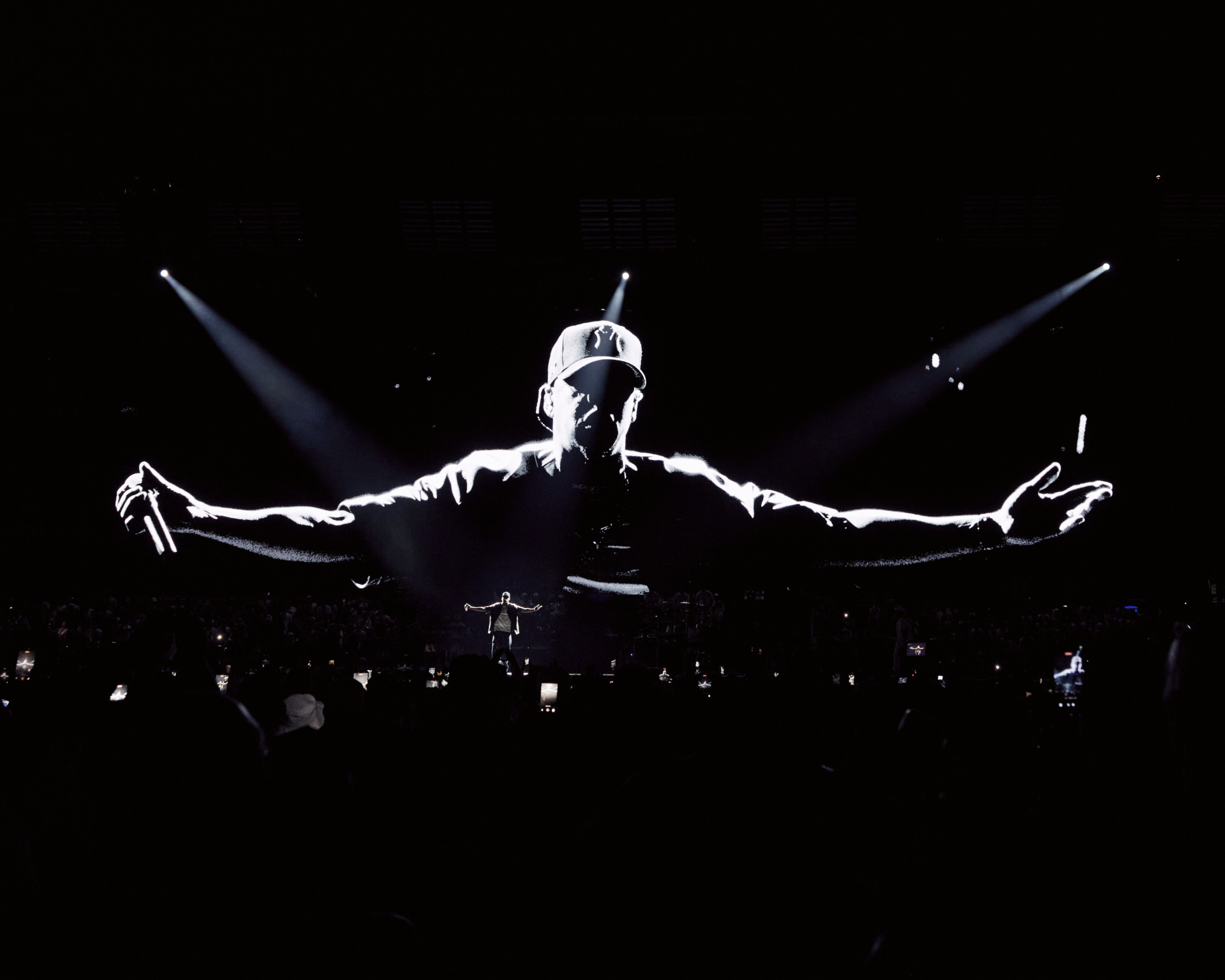
As mentioned, across the three nights, the guest list ran to roughly 19 features, largely mirrored to each album’s original credits. Reasonable Doubt’s show featured a beautiful tribute to the late all-time great Notorious B.I.G, Bleek, Jaz-O and instead of Mary J. Blige for “Can’t Knock the Hustle,” fans were treated to the inimitable Beyoncé. Slick Rick, Eminem and Pharrell for The Blueprint night, and other collaborators tied to Hov’s career at large appeared for “Extra Innings.” Some appearances were locked in advance; others, Perez recalled, came together during the weekend itself, at JAŸ’s direction. “I think as he creates the show, it’s just JAŸ’s doing,” she said. “He’s very involved in every aspect of his creative vision, top to bottom.”
Additionally, Perez emphasized the show’s special guests’ perfect attendance record. Even as Sunday devolved into seemingly uncontrollable madness, none of the planned surprise guests bailed out on Hov, further speaking to “the trust” the emcee has built up throughout his career. “All of them came out. We didn’t lose any artists, any features…JAŸ is loved,” Perez said.
Al-joulani honed in on some of the standout cuts regarding the show’s cast of special guests. He recalled some of his favorite moments, pointing to the Eminem appearance, a callback to JAŸ’s earlier Yankee Stadium co-headlining run with Em on the “Home & Home Tour,” alongside the tribute to Biggie and “Empire State of Mind” duet with Alicia Keys.
“Extra Innings” was the most star-studded night by far. The special guest list reads like a TIDAL-curated playlist, including artists like Beyoncé, Usher, Jeezy, Rihanna, Swizz Beatz, Jermaine Dupri, the Clipse, Pharrell, The-Dream, Teyana Taylor, Fat Joe and Jadakiss, all of which Al-joulani feels were unbelievable surprises. “I don’t think anyone saw this coming,” he said.
Yankee Stadium On Lockdown
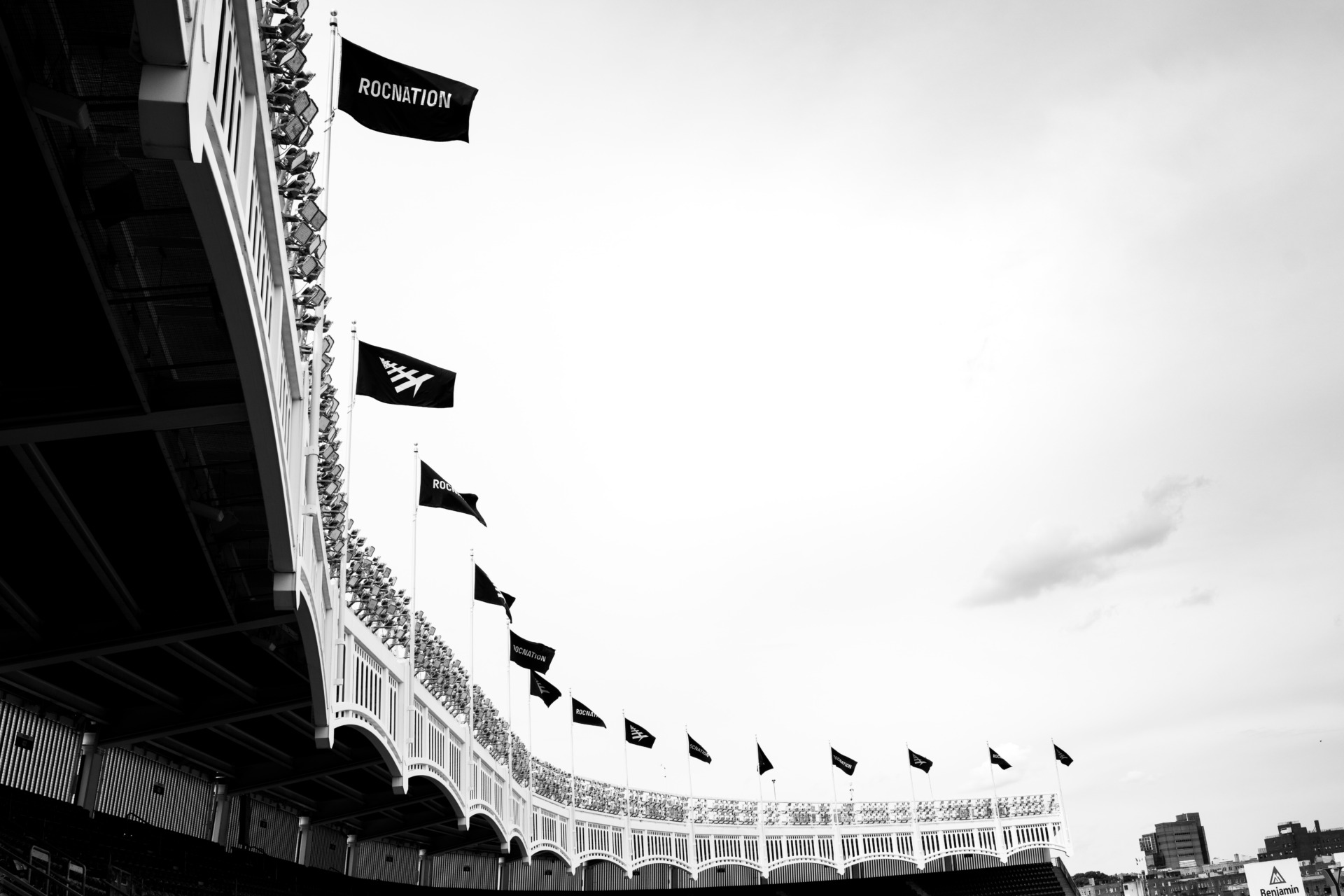
By Sunday, the sold-out run had already broken its own records twice over; Saturday’s (45,832) numbers topped Friday’s (44,916), and Sunday, as noted above, quietly surpassed both to become the best-attended, highest-selling night of the run, per Roc Nation. However, as word spread about the must-see concert, an increase in demand began surging for “Extra Innings,” which contributed directly to the chaos that would later unfold outside the gates.
To try and address this sudden uptick, Roc Nation posted a press release to its Instagram account on Sunday morning, urging fans to “arrive early to tonight’s JAŸ-Z concert at Yankee Stadium,” and that guests would be able to line up starting at 5 p.m ET. and then be allowed to enter the venue at 6 p.m ET, with the show set to begin at 8 p.m ET. But things quickly went awry as showtime approached. Leading up to J.Hova taking the stage, the New York Police Department had to lock down Yankee Stadium after a group of people allegedly without tickets rushed the gates.
The ensuing disorder resulted in an array of statements addressing the security breach. As previously reported by Pollstar, Roc Nation, Live Nation, and Yankee Stadium jointly thanked the NYPD and the stadium’s security team in a show of solidarity for their “leadership and direction throughout the evening, putting the welfare of attendees above all other considerations.”
Al-joulani and Perez described a unified, deliberate response. The moment called for less panic, but rather a controlled operation to reopen safely rather than completely shut the night down, as most, if not any other, performers would have done.
“There [were] no compromises made to the show or to fan safety in that moment,” Al-joulani said. “It is really important to everybody that the show played exactly as planned and that there were no safety concerns.”
He credited Perez directly with the on-the-ground resolution, saying “Desiree…personally made sure that the gates got reopened safely.”
Perez, who worked the gates in person rather than remaining backstage, described the calculation in stark terms. With roughly 25,000 fans already inside and another 20,000 still waiting outside, walking away was never on the table. “It was either walk out or try to make it work,” she said. “I said, ‘Let’s just try to make it work; we can’t just walk away’.” Her approach was to work gate by gate, identifying herself to police commanders not as stadium staff or law enforcement but as the person authorized to move the crowd. “’JAŸ is not performing until you guys come inside’,” she recalled reassuring the line. “So we need to get you guys inside, but if you push forward, then the police is gonna shut me down, so let’s work together to make this happen’.”
Malice described the ordeal as “pure chaos” even when trying to get into the stadium with the proper credentials. However, no matter the delay or any fines that may have arose as a result, knowing JAŸ, he knew “the show must go on.”
JAŸ-Z finally took center stage, soundtracked by the intro to the 2000’s compilation album, Dynasty: Roc La Familia. The beat, which samples “She Said She Loves Me” by Kleeer, rang out throughout the stadium, with Hov commanding the stage with a clear intent to give the people a hell of a show. After the performance, though, Jigga took a moment to speak directly to the audience, explaining the reason why the show still had to go on, no matter how late it was. “I didn’t wanna start the music, and people get trampled and hurt during lockdown,” JAŸ explained, before apologizing for the inconvenience. “I had to make sure everybody was okay, so I appreciate your patience. I didn’t want to start a show without everyone here and everyone safe.”
Canceling Isn’t An Option: ‘That’s Who JAŸ Is’
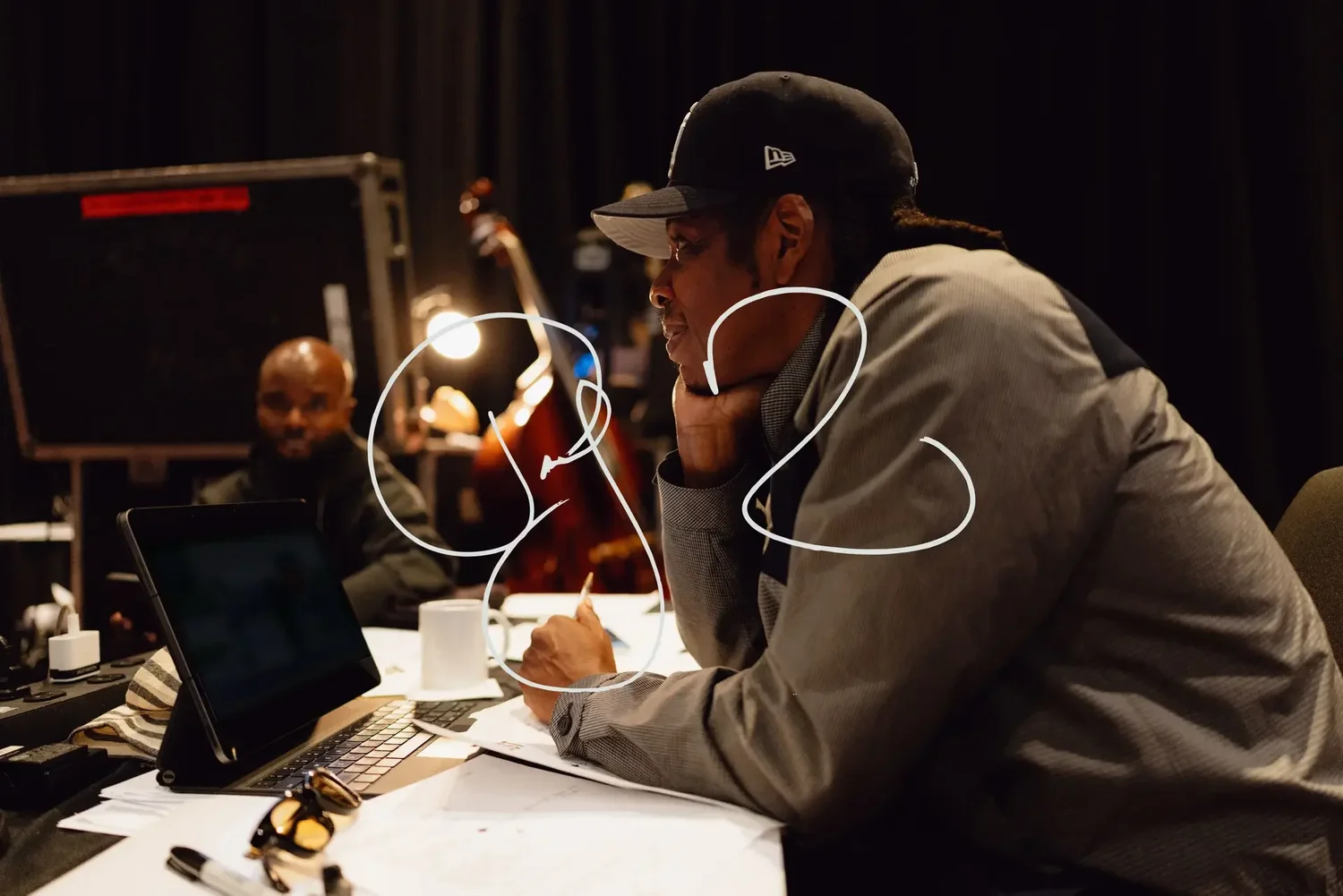
For Perez, Hov’s actions and words that night were the most revealing leadership moment of the entire run. To avoid canceling the show, a decision was made under real-time pressure to never even entertain the thought of rescheduling. “It was never ’We’re gonna reschedule,’” she said bluntly. “But it was all about, number one, safety. So how do we do this safely?”
That resolve, she said, came directly from Hov, who set the terms before he’d step on stage at all: no partial crowd, no fans left listening from outside Yankee Stadium and everyone in attendance for a good time. “JAŸ wanted everyone inside that stadium,” Perez said. “We didn’t want to have people outside, and they can hear him performing. That’s terrible.” His refusal to perform to a half-filled house wasn’t stubbornness, in her telling. His decision was the same safety-first instinct driving the gate strategy. “JAŸ’s like, ‘Well, if we don’t get these people inside, we can’t do this.’ That’s who JAŸ is.”
Al-joulani framed the same decision through a different lens; the difference between an artist and an executive. “JAŸ’s a consummate professional,” he said. “He’s an artist, but he’s also a CEO; he has that chairman mindset. He understood what set the tone for the evening. And always has.” That dual identity, Al-joulani argued, is precisely what separates Hov from other artists but also holds the operation together under immense pressure. The Live Nation executive explained that Hov is an artist who could feel the emotional stakes of the night, paired with an executive’s instinct for what the moment actually required. “He was able to fully move on both,” Al-joulani added.
Perez went further, arguing that few artists working today could have absorbed that kind of temporary blow and still delivered. “There’s a certain caliber of artist that can do that,” she said. “Not that many, but he’s one of them.” She described the specific mental discipline required to hold a stadium’s energy after a three-hour wait: “Imagine standing in front of a stage of 45,000 people and keeping them energized and they’re tired, because they’ve been there for three, six hours waiting, and all they can think about is they’re supposed to be at work tomorrow.” Had a lesser artist been in that position, she suggested, the night might have ended very differently. “He may have been at the door saying, ‘Oh, what are we gonna do? This is not gonna work out, it’s better if we just reschedule’…if the artist is not gonna be in the best showmanship mood…they will cancel. This was not one of those moments.”
Memphis Bleek, watching the delay stretch on from backstage, admitted he’d already written the night off. “I thought he was definitely gonna cancel the show; it’s no way the crowd was gonna wait [for JAŸ],” Bleek said. “But I was wrong.” The gap between what a longtime collaborator assumed would happen and what Jigga actually delivered is, in a way, the same story Perez and Al-joulani both told from the operations side of the night: everyone braced for the show to break, and it didn’t.
Perez traced that composure back to something more fundamental about who Hov is under pressure, on or off the stage. “Everything you see in him from far, he’s that,” she said with a smirk. “This guy’s the coolest guy in the world. It’s unbelievable…but I think when it comes to any type of…even with whenever things are the worst…that’s where the biggest calmness has to come. That’s where the precision has to kick-in… that’s when true leadership shines.” That trust wasn’t limited to the stage, though; it also extended to the partnership behind it all.
The Live Nation & Roc Nation Partnership
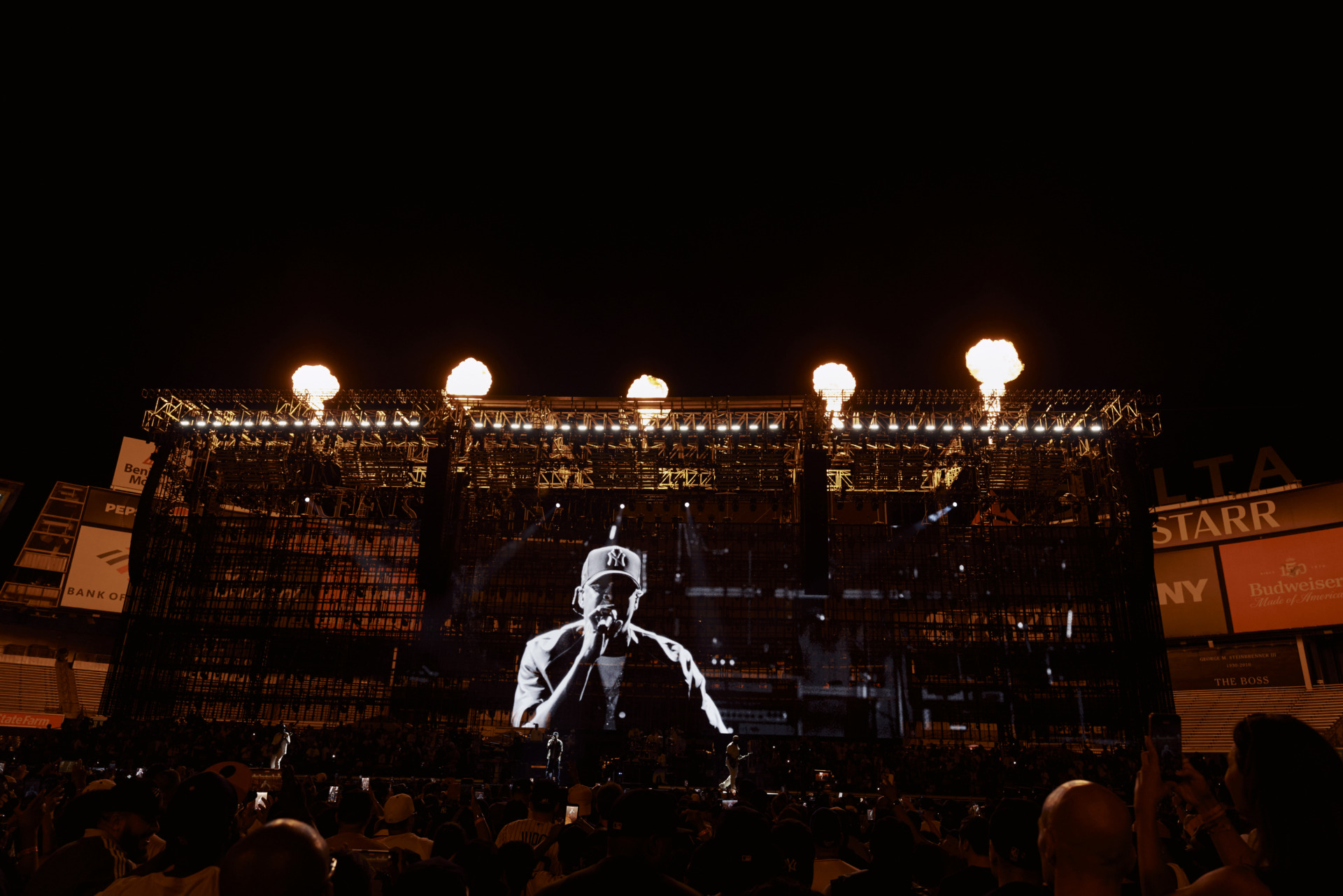
Both executives credited the strength of the run to a working relationship built over roughly 18 years, dating back to Watch the Throne. According to The Hollywood Reporter, beginning in 2008, JAŸ-Z and Live Nation entered into a 10-year, 360-degree deal worth $150 million that would cover three albums, publishing and other assets, which ultimately helped launch Roc Nation as a joint venture. Then, in 2017, a new contract was inked, superseding the previous deal and creating a new deal focused solely on touring, worth roughly $200 million, per Billboard.
Al-joulani called Perez “the greatest partner that I’ve ever had,” while Perez, in turn, said the trust between the two organizations is what allowed Sunday night to be resolved without derailing the show entirely. “It all boils down to trust at the end of the day,” she said. “If there’s respect and trust, even when things are bad, you know you’re gonna [get through it].” She recounted turning to Al-joulani mid-crisis to relay word to production because she didn’t have a free hand to make the call herself. “He did that for me,” she said. “I think it’s critical that the working teams, in any environment, get along; you’re gonna get the better product.”
Al-joulani situated the run within Live Nation’s broader 2026 performance, describing a strong year across stadium, arena, amphitheater and theater touring despite macroeconomic headwinds. “Live music…is the one great escape for people, and they crave that,” he said, framing concertgoing as a comparatively affordable form of escapism relative to travel, sports or theme parks; one that tends to prove resilient, instead of vulnerable, when the broader economy tightens. And even in those circumstances, dedicated fans to artists big and small, illustrate their priorities with their wallets.
What More Can I Say?
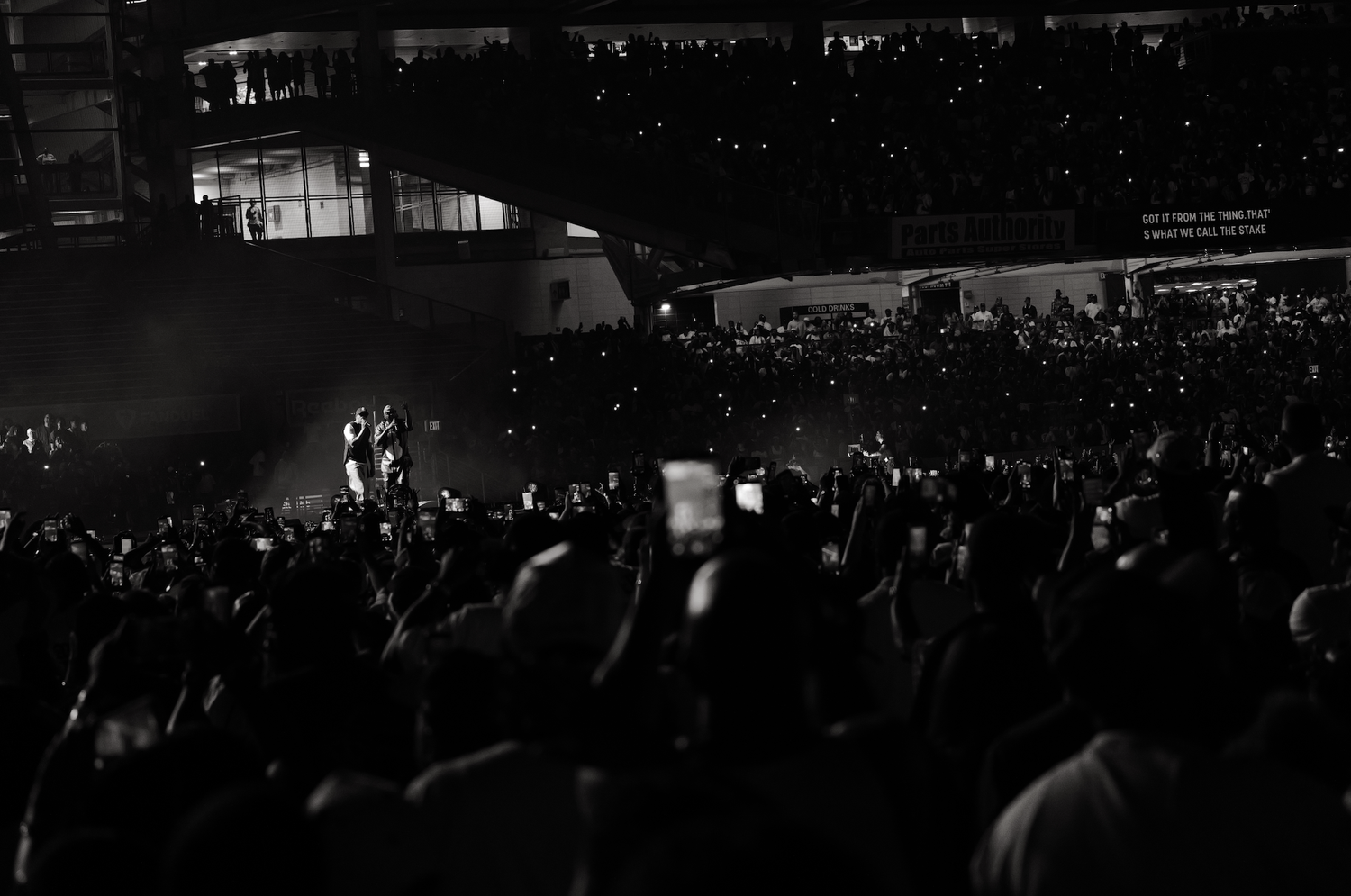
Rather than viewing the delay as a blemish, Perez frames it as a moment that speaks to Hov’s dedicated fan base. “I think it’s almost another testament, like almost another stamp on the paper to certify how much his fans love him,” she said, describing the scene at 2:30 a.m: fans throwing up the Roc hand sign, dancing, vibing, cheering, phones lit up like stars in a night Bronx sky across the stadium. “It gave me chills…it’s almost part of the 30 years. It’s almost like the same story, but in the end, showing JAŸ that no matter what happens and how hard it is, people are gonna have your back.”
Perez connected the night’s resilience to a broader theme running through Hov’s career, a career of persistence against structural resistance, citing his history as the first rapper to headline Coachella and the pushback he received before his Glastonbury headline slot. “It’s almost like a mini story of what his career has been,” she said. “Fighting against all odds, going through all the hardships to become this version of himself…we just put our foot in and say, ‘No, we can do this’.”
For Al-joulani, the durability of the fan relationship was the story: “Nobody left because everyone stayed till the end…I think it’ll make the story and the legend grow deeper.” He predicted the night would enter permanent hip-hop folklore in the years to come. “It’ll be one of those moments where there’ll be a million people one day that’ll say that they were there,” he said. “And the people that weren’t there will say they were.”
Fat Joe & Jadakiss viewed the delay through a historical lens, adding to JAŸ’s list of iconic moments; they feel that the long wait on Sunday, ahead of their performance, fed into the future legend of that night.
“Hip-hop has never been professional, since the day ones, block parties, and the jams,” Joey Crack (a.k.a. Fat Joe) tells Pollstar. “So, the fact that we had to wait…extra hours for…to perform, I knew it was going to be a historical night. We performed on the right night. We on the night they got to talk about for the rest of history!”
“That wait, that delay made it historical,” Jada chimed in. “It was a beautiful thing that…nothing happened…Hov is probably the only person in the world who can have a show delay and nothing [bad] happens.”
JAŸ-Z30 Continues…
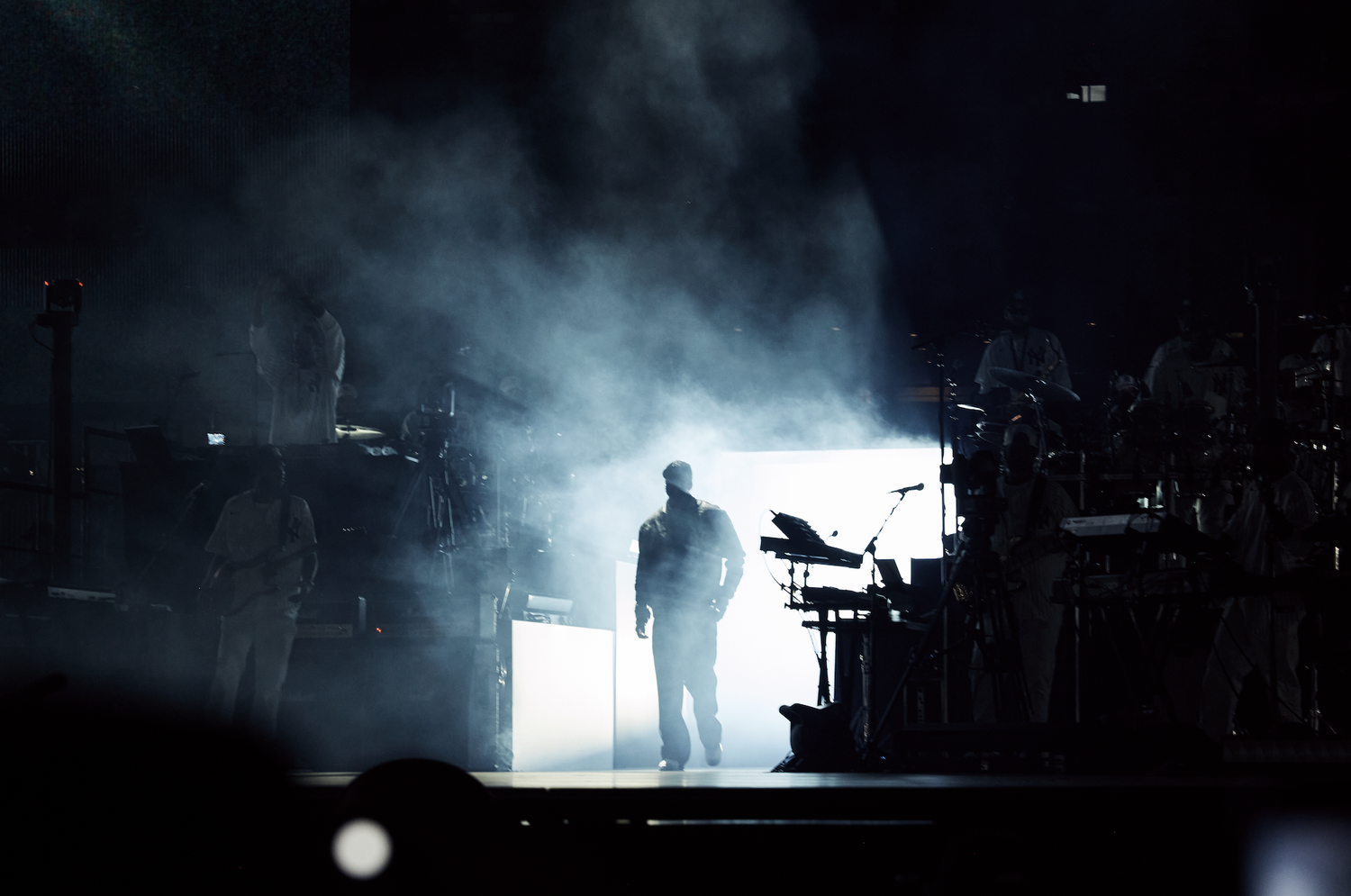
The 30th-anniversary victory lap continues this fall with the emcee bringing his Reasonable Doubt-focused show to London’s Tottenham Hotspur Stadium on Sept. 4 & Sept. 5, Paris’ Stade de France on Sept. 10, and two shows in Los Angeles at SoFi Stadium on Oct. 23 & Oct. 24, markets without Yankee Stadium’s built-in symbolism. Al-joulani and Perez framed the away-market shows not as a detriment to the show but as a different kind of tribute with a different kind of energy.
“The best players generally bring their A-game to the away game,” Al-joulani said, invoking Michael Jordan’s Game 6 against the Utah Jazz in Utah back in 1998, where MJ scored 45 points and won his sixth NBA Championship. “I have no doubt that all those other markets…will have their own version of magic.”
Perez described the shift as a change more directly focused on the fans, with similar ambition and scope, even hinting at what could happen regarding special guests.
“We’re going for JAŸ-Z fans, so now it doesn’t become… about New York or the Yankee iconography,” she said. “JAŸ could do a whole stadium tour if he wanted to; we could go to 20 stadiums, that’d be great, he’ll fill all of them. He’s just chosen to… give a little bit here, East-West. But he’s got his ties with music in every place, right? Because his music is global, so…Los Angeles, he’s done some work over there.”
The intentional distance, she said, is designed to meet fans who can’t easily travel to New York rather than asking the whole fan base to come to him. Asked directly about the SoFi stop, Perez said her only real logistical takeaway from Sunday is making sure stadium security protocols are locked down well ahead of doors opening.
“I’m just gonna mind my business, and I’m gonna say, ‘Hi, I know you guys run the venue, but can I just go over the plan with you?”
Oh, and, when asked more specifically about that hypothetical 20 stadium run and potentially seeing Dr. Dre & Snoop Dogg at the SoFi stop, Perez expertly shot back with a laugh: “You get no comments from me on any of those things.”
The Measure of an Icon
Al-joulani, reflecting on nearly a decade and a half of touring history with JAŸ, put the Yankee Stadium run in the top tier of everything he’s worked on, alongside JAŸ-Z’s “Made in America” headline set and the opening of Barclays Center. “It was pretty unmatched to have those kind of perfect summer evenings in the Bronx with JAŸ,” he said. “In terms of the spectacle, the excitement, what it felt like in the building…the energy was unmatched. You felt and saw how massive his star truly is.”
Memphis Bleek, who has watched that arc unfold from inside the camp since Reasonable Doubt, put the longevity itself in perspective. “Still being relevant and a powerhouse 30 years later is incredible in itself,” he said. Asked what the run meant for hip-hop more broadly, Bleek connected it to something bigger than any one artist’s catalog. “Never did I think hip-hop or [the Roc] were ever gonna come this far,” he said. “But hip-hop is forever, just because it’s life imitating art.”
Asked to sum up what the run revealed about JAŸ-Z as both an artist and a businessman, Perez didn’t hesitate. She described him as someone who treats “triumph and disaster… just the same”; a paraphrase of Rudyard Kipling’s poem, If, which she said captures Hov’s temperament under pressure, whether on stage or negotiating a crisis at the gates. “He’s a prodigy on Earth,” she asserted. “As a human, and as an artist, and a business person. This guy’s the coolest guy in the world. It’s unbelievable…There is nobody like him.”
FREE
 Daily Pulse
Subscribe
Daily Pulse
Subscribe
 Daily Pulse
Subscribe
Daily Pulse
Subscribe