
Bragg Jam Brings The Healing Power Of Music To Macon
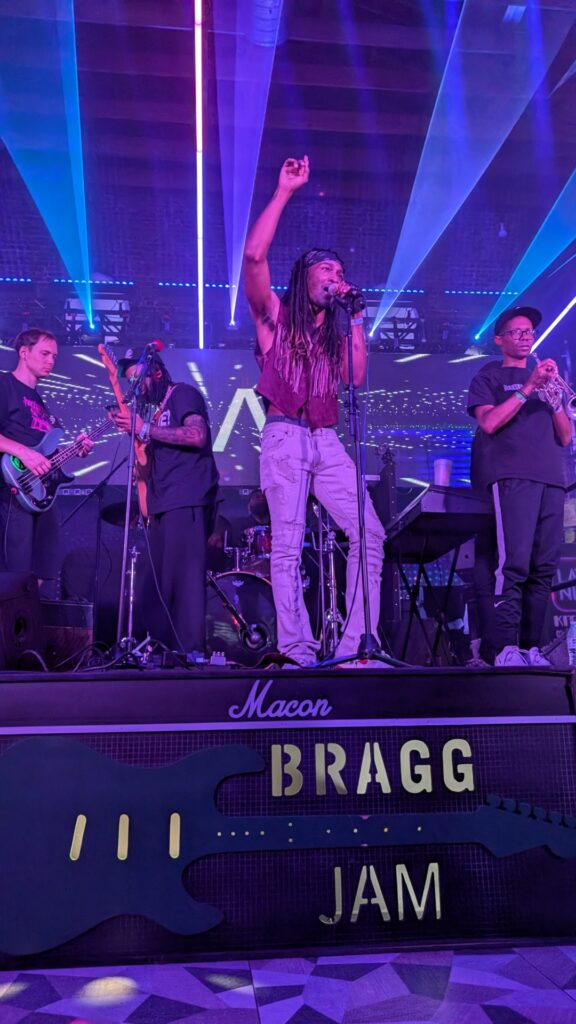
Photo credit Chris Alonzo
One of Macon, Georgia’s signature music festivals, Bragg Jam was founded in 1999 to honor the lives of brothers Brax and Tate Bragg, two talented local musicians who were killed in a car accident while traveling through Texas. Following the tragedy, family friends and fellow musicians organized an impromptu jam session to celebrate the brothers’ lives, which quickly evolved into a citywide music festival by 2003 and spawned a nonprofit organization in 2005.
Today, Bragg Jam is a year-round arts organization that supports Macon musicians and community projects through concerts, music programs and its signature “Concert Crawl,” which drew 2,500 attendees on July 25.
Pollstar talked to Olivia Walter, the volunteer president of the Bragg Jam board of directors, about the event and enduring impact of the Bragg brothers on Macon’s music culture.
Pollstar: How has Bragg Jam made an impact on the city?
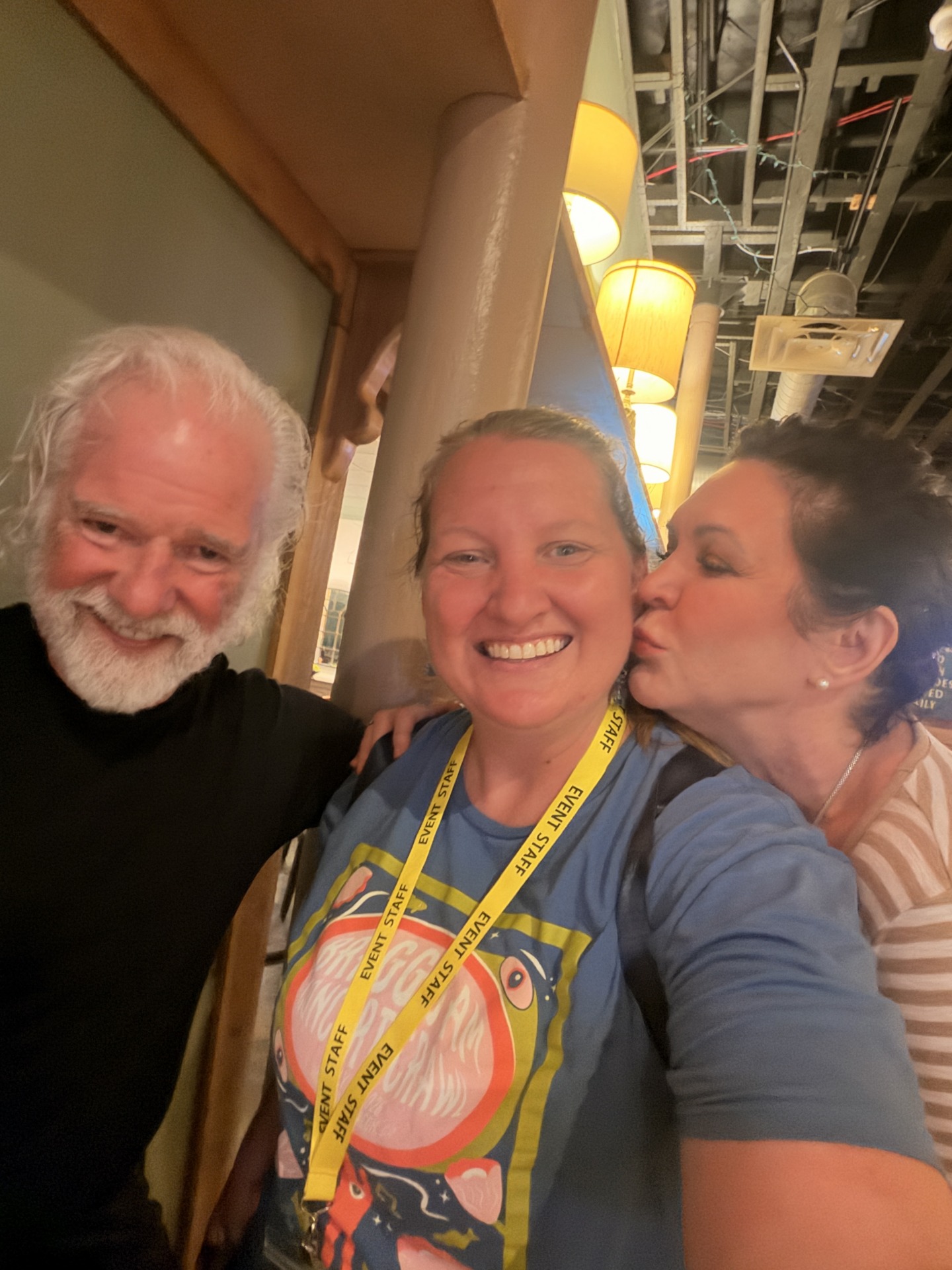
Photo credit Julie Bragg
Olivia Walter: Macon has such rich music history, and I think it’s honestly one of the most underrated music cities that exists. I grew up in Nashville, and I remember moving to Macon for a job I had one of those meltdowns when you’re moving and you’re scared of the new place you’re going. I remember seeing a billboard as I was coming to Macon, and they’re like ‘Macon, where soul lives. Music City. blah blah. They said something to that extent, and I was like, ‘They don’t know what a music city is!’ And I remember being almost annoyed coming from Nashville. Then the first week I moved to Macon – it was in 2012 – and it was actually Brag Jam Week, and the people I had met here in the first week were like, ‘You need to come to Brag Jam. It’s ‘gonna change your whole experience of this place.’ And they couldn’t have been like more right.
Pollstar: What struck a chord?
Walter: The community embraces every person through music. The way its origin story goes, it came from a tragic moment, but it shows Macon’s true character and how music can connect us all.
Pollstar: How does Bragg Jam continue to honor that tragic beginning?
Walter: That’s where the tradition began. That’s why we keep the festival in the last weekend of July, because that’s the same anniversary every single year. And every year The Buckleys, which is the band that Brax played in – they’ve all moved on with their lives, they all have regular day jobs, they live all over the southeast – but they come back to Macon to start Bragg Jam every single year and play those songs that Brax wrote.
Pollstar: What happened this year?
Walter: This year was really special. I loved it because we’ve put the Buckleys in a couple of different venues over the years, but this year they went back to the Rookery, the original spot where they had all gathered in 1999, and I had chills seeing them all gather. They’re all older and have had so many more years on their life, but it felt like this group of people are all connected because of this moment that continues to live. Macon has changed so much since 1999, but the thing that continues to live on is this moment when these musicians can gather and embrace how wonderful life is through music.
Pollstar: What’s the impact on the city?
Walter: When I first moved to Macon in 2012, downtown wasn’t at all what it is today. There were a lot of empty businesses and Bragg Jam was the event that brought people from the outskirts of Macon into the downtown and really kept some of those businesses thriving during those moments that the downtown was kind of struggling business-wise. But it also brought people downtown that probably would have never gone downtown, and they found their next favorite restaurant, or they found their next favorite music venue through Bragg Jam. Then within years, it’s a completely new space. There’s not an empty storefront. There’s not an empty venue. And I know it sounds like a lot of credit to give to Bragg Jam, but a lot of that was due to bringing people into the downtown for Bragg Jam.
Pollstar: How has the event continued to evolve?
Walter: Bragg Jam’s gone through so many different phases. I mean, we can all say that we’ve gone through different phases since 1999. But this year what we focused on making sure that Bragg Jam is really about musical discovery. Because that was really what Brax was – he was the brink of making his musical break – and we always like to say, because we’re a mid-sized city, that we want to make sure that we’re bringing in musicians that you’re about to discover because they’re hitting it big. So, we always want to focus on quality over quantity.
Pollstar: How does diversity play into the programming?
Walter: When you look at music cities like Nashville, its focus is more country. When you look at New Orleans, its focus is jazz. Macon’s had an identity crisis. We’re a music city, but we don’t have a genre – and that’s fine. We just want to make sure that Bragg Jam represents what Macon is. We’re not a specific race. We’re not a specific genre. We’re not a specific anything. We want to make sure that everyone is represented, and that everyone in the community can find something that they can enjoy. Representation is what counts.
Pollstar: With 30 acts including co-headliners Kashus Culpepper and Langhorne Slim, performing across eight venues this year, what was your personal highlight?
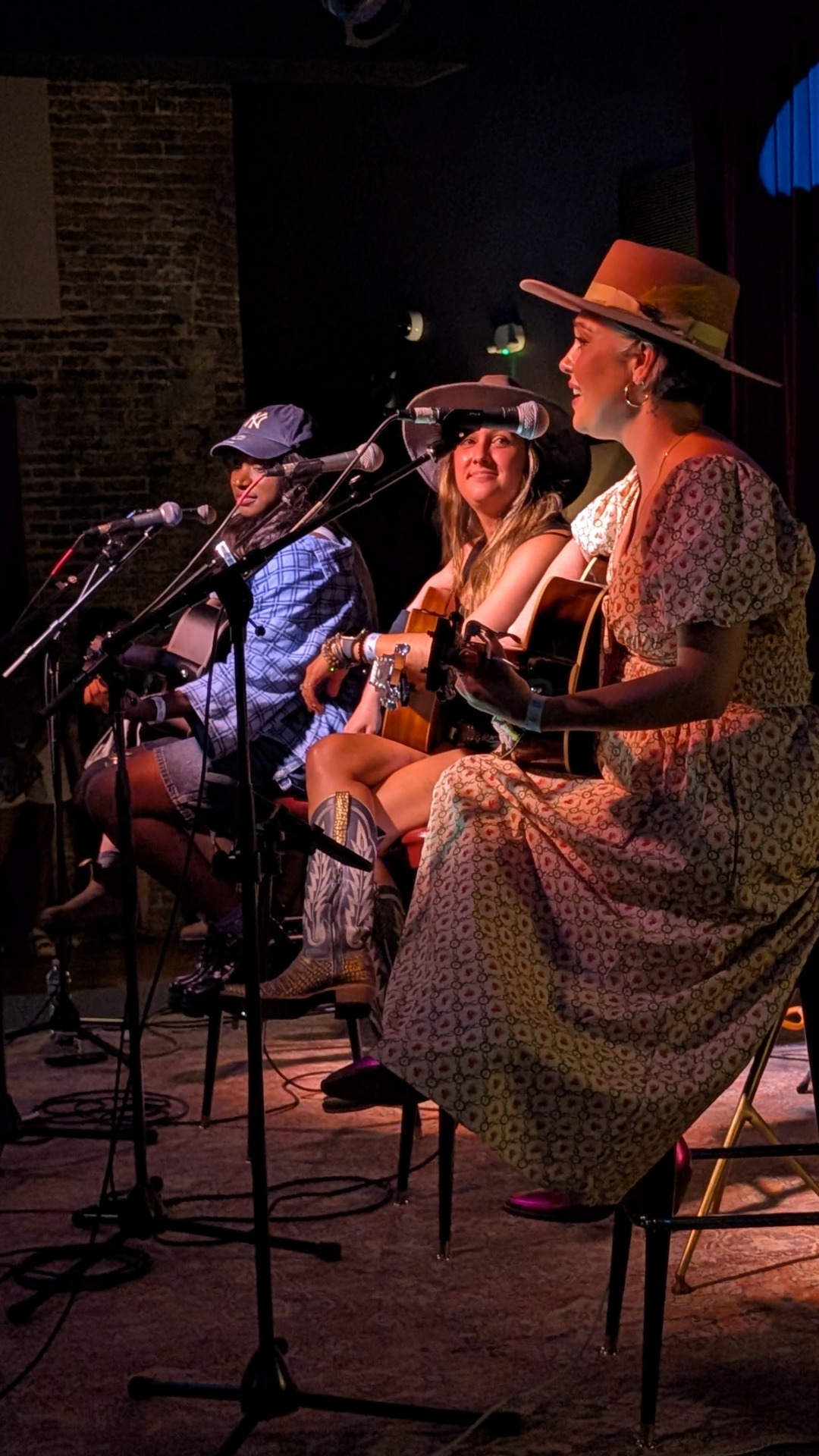
Photo credit Chris Alonzo
Walter: We had a guitar pull that happens at Capricorn Studios, where so many legends have recorded albums, and that guitar pull was all female run this year. And it was by far the best guitar pull we’ve had at a concert hall I’ve ever experienced. Every single one of those women just like were amazing. Langhorne Slim was actually standing beside me during the guitar pull, and he was in awe by the women that were on stage. I think that’s really special because it’s not only about musical discovery for the fans, but we’re connecting artists that don’t always get to experience seeing the other acts at a festival.
Pollstar: How challenging is it to pull this off with a volunteer-run board?
Walter: I’ve been the president since 2021. I’ve been on the board since 2017, and it is difficult. But I think that’s kind of what makes Bragg Jam very unique. The best word I can think of is it’s messy in the right ways. Because we put in so many hours to this – we all have different full-time jobs – but it still makes it all very community run, community driven. And so, it makes it about Macon instead of about corporate sponsors or big name industry. It’s about the artists. It’s about the local businesses. It’s about the local community. And I think that’s what makes Bragg Jam super special. It’s not about anything other than making sure you are taking care of this community because that’s where it all kind of began.
Pollstar: Through that hard work the nonprofit is able to support (more than $200,000 to date) community causes like Ocmulgee Heritage Trail and Amerson River Park.
Walter: The Bragg brothers were very involved in the Ocmulgee Heritage Trail. The Ocmulgee River runs through Macon and is one of the things that Macon’s been working on – making sure that there’s a trail that goes along that river. It’s physical with creating trails, but it’s also connectivity through music. You meet people and you bond with people through music. You meet people and you bond with them through walking these trails.
Pollstar: How does Bragg Jam support the music ecosystem?
Walter: As we’ve evolved as a board, we’ve become more about supporting Macon’s music scene and trying to figure out how to make them better connected to make their next career steps for what they want musically. So, we’ve created different opportunities by putting on other events to support musicians and making sure that they’re getting paid fair wages. We’re basically big advocates for the local music scene and making sure that they are getting all the recognition that they need but also doing things the right way. We’re massive in making sure that every musician should get paid fair wages. Everyone should be paid for their art.
Pollstar: So, the musicians are getting paid and the board works for free?
Walter: I never really thought about that. But yeah, you’re right. The thing is we want to make sure musicians are getting paid for their art because that’s something that is overlooked, a lot. People think that you should get this stuff for free. But that’s not the case.
Pollstar: How does the organization support musicians beyond the annual Concert Crawls?
Walter: We have something called Second Sunday, which we host on Coleman Hill here in Macon, and that’s a free concert series where people can come and enjoy music and discover again some local musicians and we make sure that they’re all getting paid properly through doing programs like this. We also have something called Soul Spots for every first Friday in Macon, where we essentially are paying some musicians to come and be buskers and make downtown livelier and create that music environment that we hope can eventually sustain itself.
Pollstar: Where does the money come from?
Walter: We do get sponsorships. They’re all mostly local. I was talking earlier about staying away from those big corporate brands, but it’s mostly because it’s a community-run organization by volunteers. So, we get tons of sponsorships from our local community that still support this, but we also have ticket sales. The Concert Crawl is what we consider our money maker. That’s the thing that raises all the money that can support the other things that we do throughout the year to support music.
FREE
 Daily Pulse
Subscribe
Daily Pulse
Subscribe
 Daily Pulse
Subscribe
Daily Pulse
Subscribe