
Secondary Ticketers’ Lobbying Efforts Surge As California Tackles Reform
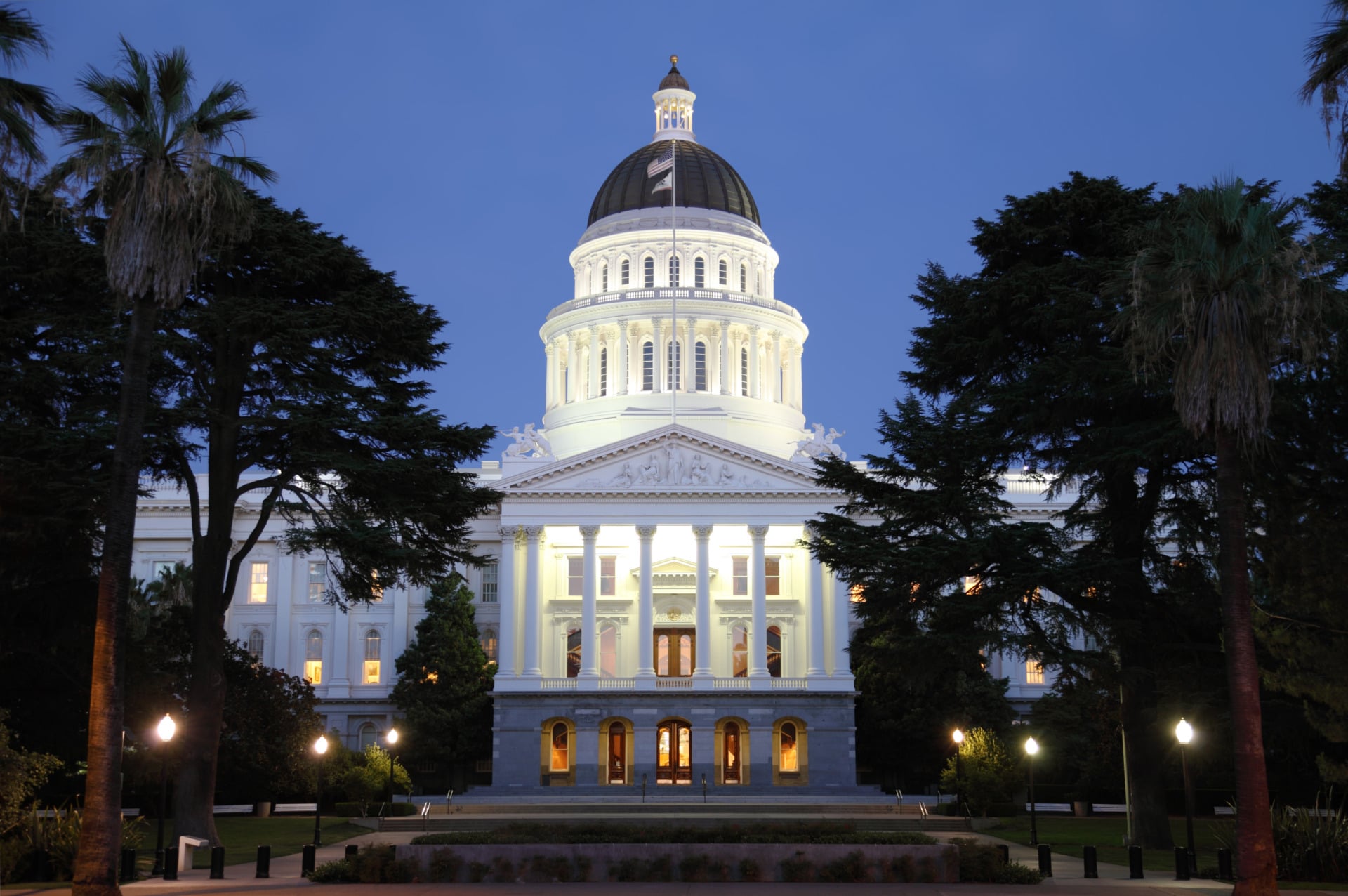
In May, California Assemblyman Matt Haney, a San Francisco Democrat, flanked by supporters from Music Artists Coalition, SAG-AFTRA and NIVA, held a press conference announcing the Fans First Act, the latest effort at comprehensive ticketing reform in the Golden State.
Insofar as state-level ticketing reform goes, on its face, it was what observers have to come to expect: full fee disclosure, a cap on resale prices of no more than face value plus 10% and a cap on fees of no more than 10% of face value. Originally introduced to apply to all live events (and as is standard, not to sporting events), the bill has since been amended to apply only to tickets at events in venues of smaller than 3,000-cap or that are otherwise at indie venues.
That’s how the legislative sausage is made, but California’s consumer protection laws and regulations tend to have outsized influence.
Because of the size of the California market, regulatory framework adopted there is often adopted more widely, as businesses find it more efficient to simply use the California standards in, say, North Dakota than the other way around. Obviously ticketing is a much different beast than vehicle emissions, for example, but the nation’s largest state adopting a resale cap would certainly create the kind of headlines to generate political pressure for reform elsewhere.
And because of California’s soft power, hard money tends to follow.
Lobbying spending in Sacramento by major secondary market companies has surged since Haney’s press conference.
In the first five quarters of the 2025-26 California legislative session, StubHub spent $1.832 million in lobbying combined. In the sixth quarter — between April and June 2026 — the secondary ticketer spent an astonishing $2.56 million, more than triple its previous high and nearly 40% more than the total spend for the prior 15 months.
Nearly $1.1 million of StubHub’s spending went to the Ticket Policy Forum, which had heretofore not spent any money lobbying in California.
SeatGeek — which has a much more paltry lobbying presence with quarterly spending usually topping out in the mid-teens of thousands — increased its activity too, crossing the $20,000 quarterly threshold. The Coalition for Ticket Fairness, which spent the first year of the session paying $22,500 for lobbying services (and then bumped it up by $2,000 in the fifth quarter) more than doubled its lobbying spend between April and June, nearing $60,000 for the three months.
TPF also spent on a mailer sent to California voters saying that the Fans First Act was a Ticketmaster and Live Nation stalking horse meant to seize “even more control” over ticketing. For what it’s worth, Live Nation’s California lobbying spending pattern has stayed consistent. In the fourth and sixth quarters, the live giant spent $30,000 and in the third and fifth roughly $62,000. It opened the session paying lobbyists $28,000 and $45,000 in the first and second quarter, respectively.
And it’s not just in Sacramento and in California mailboxes: TPF is also spending digitally. Facebook and Instagram parent Meta’s ad audit shows the group has spent in the low six figures on targeted online ads as well.
Whether all that dough resulted in the more limited, indie-targeted version of Fans First is worthy of speculation, though a first step is often a welcome one.
In any case, the lower house of the California legislature approved the amended version and sent it to the Senate, where it’s moved with regularity through that chamber’s committee process.
On Aug. 3, however, the Appropriations Committee sent the bill to the suspense file, a holding pen where bills are often sent to die.
FREE
 Daily Pulse
Subscribe
Daily Pulse
Subscribe
 Daily Pulse
Subscribe
Daily Pulse
Subscribe