
The Biz: What We Learned From Q2 Earnings; California Ticketing Bill Killed; & More
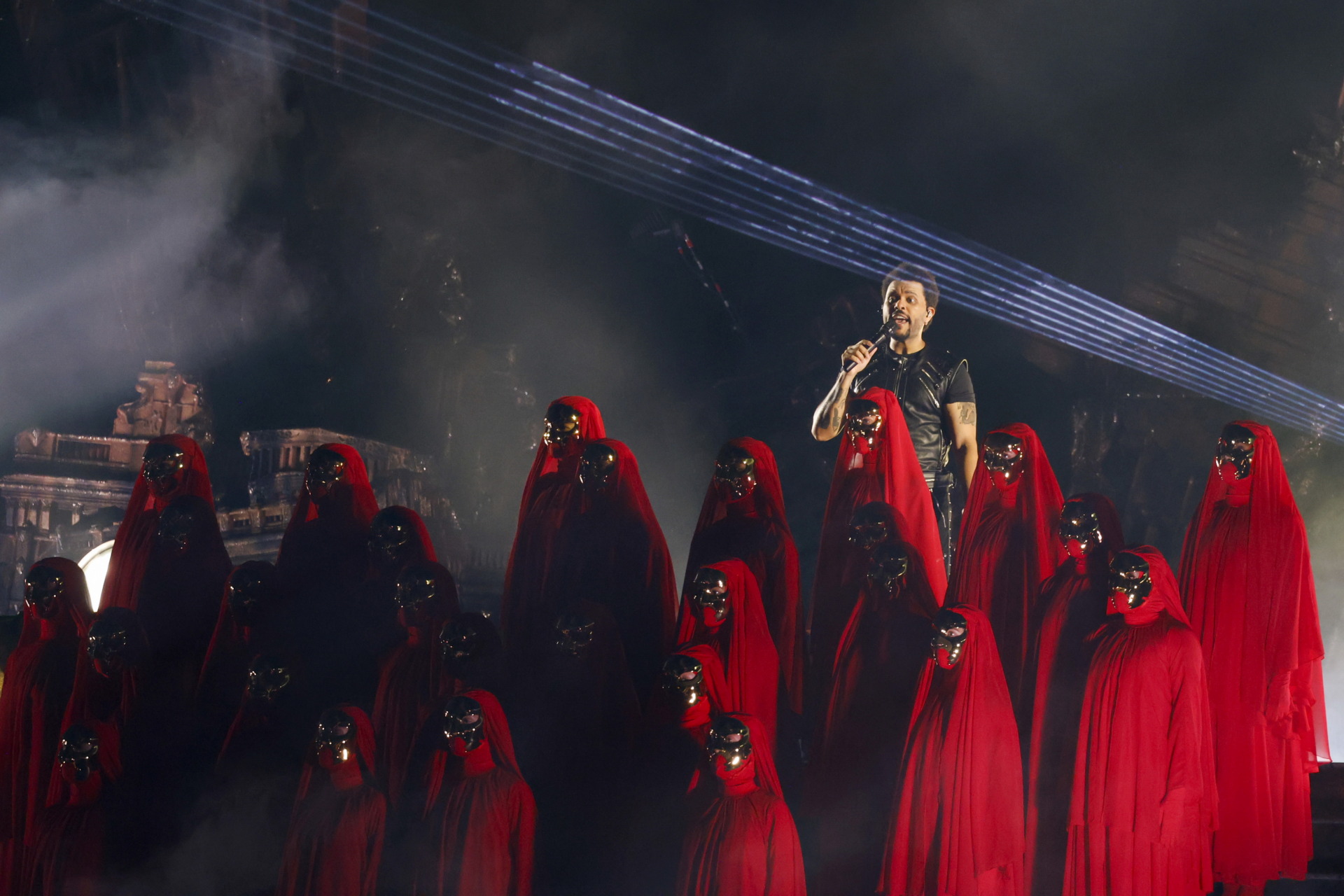
Maybe people aren’t drinking less after all. Or at the least, they are saving their boozing for an evening at a Live Nation venue.
Despite studies showing declining levels of alcohol consumption, particularly among young people, Live Nation CEO Michael Rapino said during the company’s second-quarter earnings call that people are still hitting the hooch.
“Liquor is up year-over-year, we’re not actually seeing any of those stories about the consumer not drinking as much,” he said. “They seem to look at the two-hour night out at the concert as probably the night they’re not cutting back. We’re not seeing any pullback.”
That was hardly the most important revelation from the live giant’s quarterly report — the company posted $7.7 billion in revenue, a 9% increase year-over-year, and earnings per share of $1.06; both figures exceeded analyst expectations — but a telling one: sometimes the reality differs from the hype.
Rapino’s broader point was that despite the broader economy struggling with stubborn inflation, rising gas prices and softening jobs numbers, people are still going to shows and spending when they get there.
Most headlines about “blue-dot fever” have faded as the so-called phenomenon proved to be as ephemeral as industry leaders always insisted it was.
“We have fewer cancellations this year than ever. We’re running below historic lows at 1.1% cancellations versus 1.6 average,” Rapino said. “Every now and then, the media blows up about a certain tour canceling, again, it’s the 1%, not the 99%. We’re seeing deferred record levels right now in terms of going forward.”
That deferred revenue number is telling too. Concerts are often a lagging indicator. Someone may well still use a ticket even if their economic anxiety has increased in the six months since they bought it. During the 2008 recession, live was slower to see the effects and took longer to pull out of the dip.
But Live Nation is positioning itself well. The company expects growth at its owned venues to outpace third party venues — though admittedly some of that is because there’s more room for growth at the smaller number of owned venues — and can increasingly count on international markets to buffer it from domestic waves.
“International has had a very strong first half, we expect that to continue again with double-digit growth in fan count for each of the third and fourth quarters internationally.” president and CFO Joe Berchtold said. “If you look at our deferred revenue, it’s at a level now that gives us confidence that tickets are in the bank. It’s a matter of playing off the shows. Finally, given the faster growth on operated venues or fan count and operated venues relative to third-party venues, that’s really the foundation of what sets us up for margin expansion.”
Sphere Entertainment was similarly rosy and ambitious. Executive chairman and CEO James Dolan said he wants to have five Spheres open within five years — beyond the OG Vegas version, new locations have been announced in Abu Dhabi and National Harbor, Maryland, already.
“The thing is that our goal is to go fast and to build,” Dolan said. “You’ve got to take that into mind when you look at the structure. As many as I can build, I’m going to build. The capital is there. The goal is going to be the goal. It’s going to be to go fast. I really want, five, six years from now, to have five venues up or more and have another five that are under construction,” he said.
One aspect that’s already going faster is the production of Sphere Experience content. Whereas it took nearly two years to produce the wildly successful “Wizard of Oz,” the next third-party IP — “Rocky Horror Picture Show” — will be completed in less than a year.
California Ticket Reform Dead
After the push for ticketing reform in California began in the spring, the secondary market started spending big in Sacramento and it seems to have paid off, as a Senate committee failed to advance the Fans First Act, which would cap resale prices at 10% above face value at venues under 3,000 capacity, effectively killing the bill and marking a significant legislative victory for StubHub and its allies
In the first five quarters of the 2025-26 California legislative session, StubHub spent $1.832 million in lobbying combined. In the sixth quarter — between April and June 2026 — the secondary ticketer spent an astonishing $2.56 million, more than triple its previous high and nearly 40% more than the total spend for the prior 15 months.
Nearly $1.1 million of StubHub’s spending went to the Ticket Policy Forum, which had heretofore not spent any money lobbying in California. TPF also spent money on a mailer sent to California voters saying that the Fans First Act was a Ticketmaster and Live Nation stalking horse meant to seize “even more control” over ticketing.
FREE
 Daily Pulse
Subscribe
Daily Pulse
Subscribe
 Daily Pulse
Subscribe
Daily Pulse
Subscribe