
Miami Voters Clear The Way For Miami Marine Stadium Restoration
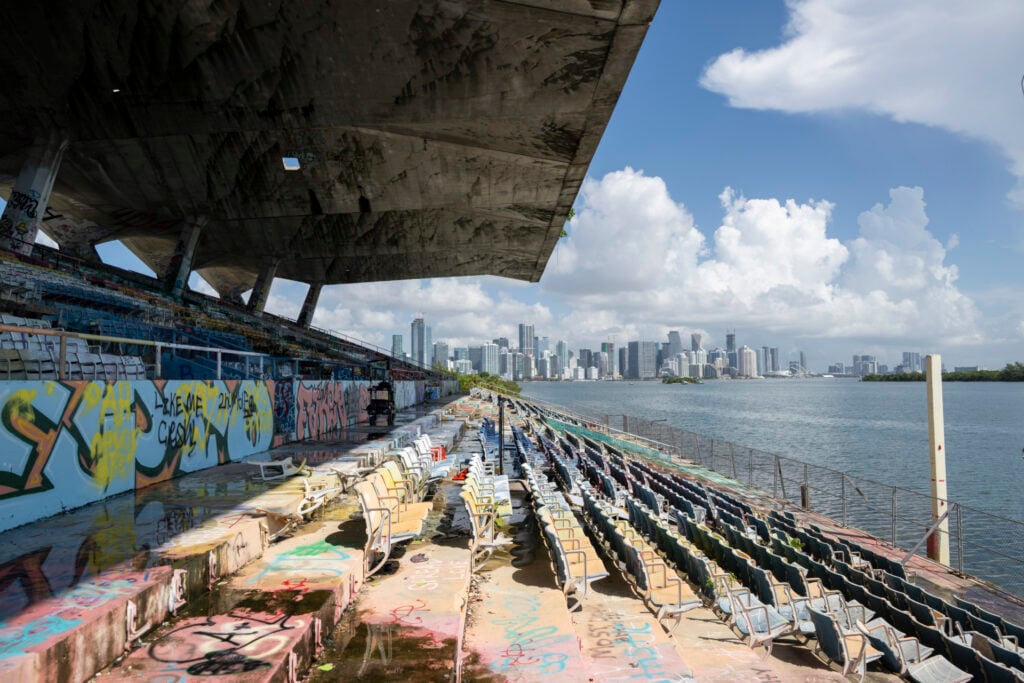
Photo credit World Red Eye
After decades of dormancy and decline, Miami Marine Stadium is officially coming back to life.
Tuesday night, Miami voters decisively approved Item #172, setting the stage for one of the city’s most ambitious cultural revitalization projects in decades. This is the first step toward the restoration of the historic waterfront venue and the reinvigoration of the surrounding Flex Park on Virginia Key.
“This is a truly magical moment for the Magic City,” said Commissioner Damian Pardo after the vote. “Since the day I came into office, restoring Miami Marine Stadium has been a personal passion project. We have worked, advocated, and dreamed of seeing this cultural gem restored to the place it deserves in the heart of our city. The people of Miami have spoken clearly, and they want this iconic landmark back. The hard work begins now, and I’m proud to stand behind this project every step of the way as we bring the Marine Stadium back to life and return this extraordinary piece of Miami’s history to the public, where it belongs.”
The referendum capped a sustained community campaign, led by Bring Back Marine Stadium, to bring the stadium back into public use, after being closed since Hurricane Andrew in 1992. Oak View Group (Pollstar’s parent company) was awarded a contract to manage the venue inclusive of the short term but also long-term projected programming on the site.
Led by OVG and its local partner Breakwater Hospitality Group, the project looks to transform the iconic Miami Marine Stadium into a reimagined modern venue for concerts, and community events – restoring a piece of Miami waterfront history.
“Miami Marine Stadium is more than a venue, it’s a symbol of Miami’s vibrant history and future,” says Greg O’Dell, President of Venue Management Oak View Group. “We want to be involved in big things. And this his project is unique and that’s what attracted us – as well as the chance to work with this thriving community. We love challenges. We recognize it’s not going to be easy, and we’ve got a lot of work ahead of us to bring it to fruition, but I think those are the things that set it apart from other venues.”
Next steps include the negotiation of the management contract for the existing Flex Park, approximately 11 acres surrounding the stadium. Simultaneously, OVG will work closely with the city, preservation partners, the community along with Miami’s creative and business leaders to launch a comprehensive study and visioning process for the renovated stadium, while exploring additional uses and programming that will maximize the potential and impact of this iconic waterfront site.
“We actually have the ability to not only activate the stadium, but in the short term, we can activate Flex Park, which includes the existing parking lots that are adjacent to the stadium,” explains O’Dell. “We will complete that study in probably a short period of time, while also standing up the operations and start doing some more robust and commercial programming on the existing site.”
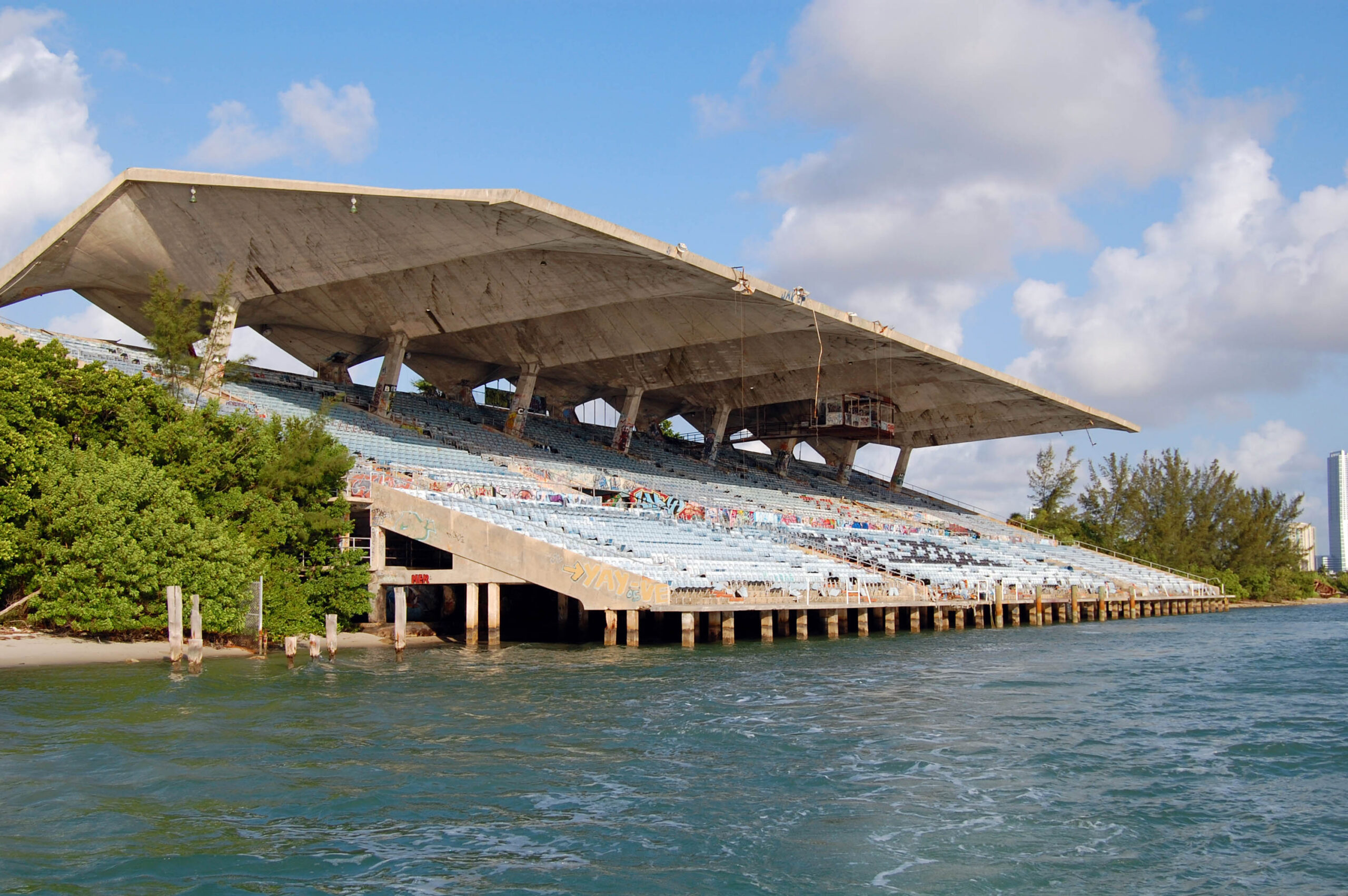
Photo Credit Ricky Bravo
Oak View Group, which also manages the recently renovated Miami Beach Convention Center, is bullish on the market.
“The growth here that’s happening and the demographics here are ideal for this type of venue,” says O’Dell. “We’ve seen the growth there, not only in the programming, but also the investment. … Having this kind of venue on the iconic Miami waterfront is going to be fantastic, and we’re expecting huge opportunities.”
OVG plans to maximize the waterfront location and diversity of the city’s residents and visitors.
“We will activate the waterfront, but on that adjacent property, we’ll be able to do lots of festivals, and other programming, even sporting events,” explains O’Dell. “There’s going to be a lot of diverse programming that will be in the stadium, adjacent to the stadium and obviously activating the waterfront as well.”
The Miami Marine Stadium opened on Dec. 27, 1963, on Virginia Key across from Biscayne Bay and Downtown Miami. The 6,566-seat stadium with a 326-foot cantilevered concrete roof was built specifically for powerboat racing and was the first purpose-built venue of its kind in the U.S.
But the stadium quickly became much more than a boat-racing venue. During its nearly 30 years of operation, it hosted concerts, boxing, wrestling, political rallies and religious services with artists including Jimmy Buffett, Michael Jackson, The Who, Queen, Ray Charles, Benny Goodman and the Boston Pops performing on a floating stage surrounded by hundreds of boats anchored in the basin.
“What’s been so heartwarming for us is that this has been led by a very strong community that feels passionately this venue, so there’s been a huge outpouring of support, and we don’t want to lose sight of that,” says O’Dell. “Not only in being grateful for what they’ve done in terms of this process, but also making sure we’re engaging them, full stop through all the decisions we make about the development of this site, even the programming going forward. We anticipate a very transporting, transparent and collaborative process. But we also think the programming will reflect that as well.”
FREE
 Daily Pulse
Subscribe
Daily Pulse
Subscribe
 Daily Pulse
Subscribe
Daily Pulse
Subscribe