
Next Gen Influencer Spotlight: How Nosa Is Helping Artists Find Their Lane
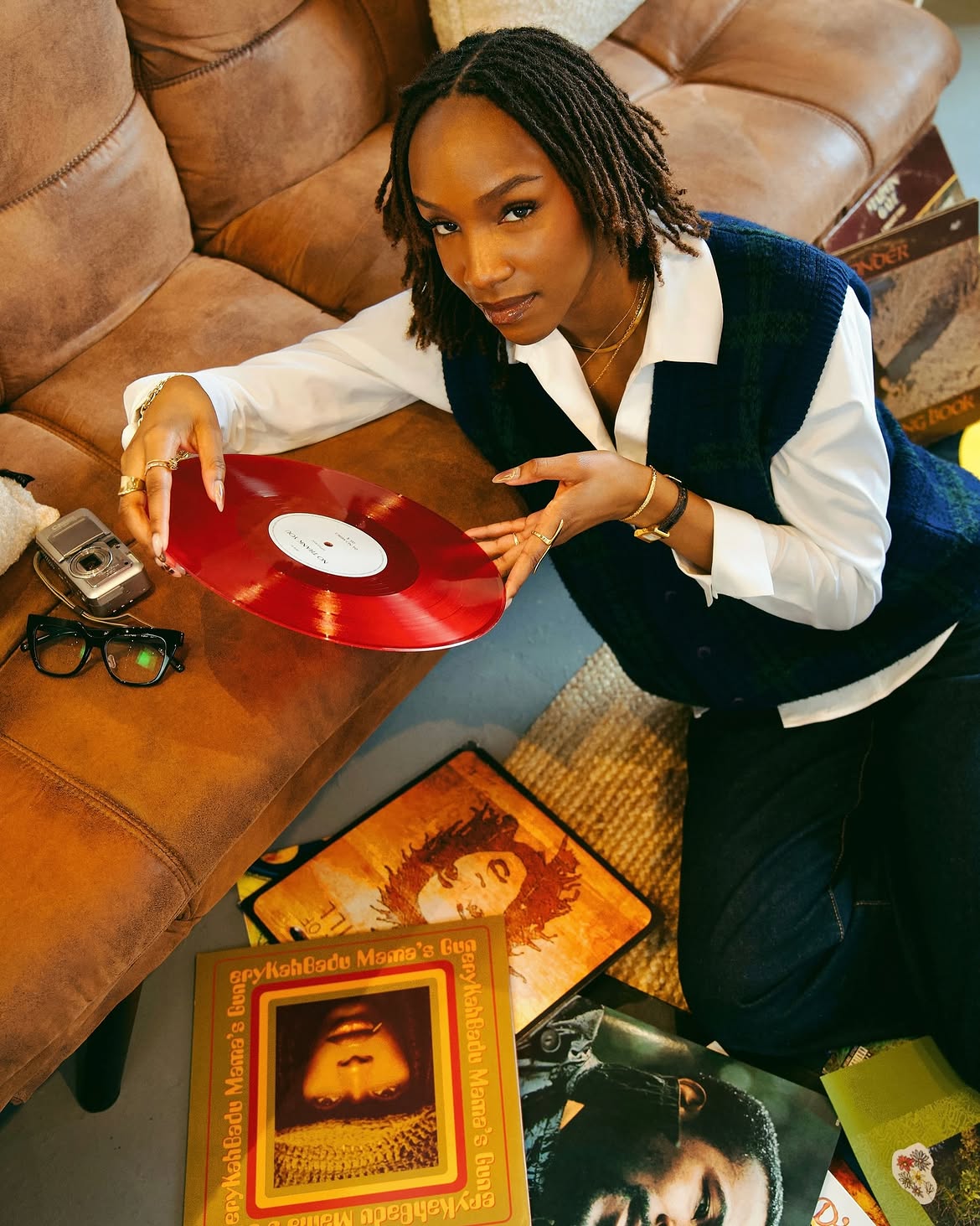
Toronto-born creator Nosaputyouon didn’t set out to become one of the most trusted rising young voices in music curation. Honestly, she arrived on the scene by accident. But she later converted her hobby-turned-passion into something guided with intention.
A former university soccer player turned music writer, Nosa, 23, built her platform on a simple concept: don’t just tell people a song is good; tell them why. Since making that her “2025 New Year’s resolution,” she’s become an ascending voice among a new generation of independent music journalists and curators bridging the gap between algorithm-driven taste-making and old-school music analysis.
Pollstar sat down with Nosa to talk about her path into music coverage, Toronto’s underground scene, navigating misogyny online, and why AI music needs a warning label.
Pollstar: How did Nosa become a music curator?
I’m from Toronto, born and raised. I grew up playing instruments, but as the only girl with brothers who played soccer, I picked up soccer too and ended up playing at the university level for three seasons. Over time it started to feel like a job instead of a passion…I was playing for my team, not for myself. So I stepped away and suddenly had all this free time.
I went back to what I’d always loved: music, poetry, writing. I started writing so much about the history and nuance of music that other creators kept telling me, “Nosa, you have great ideas…why don’t you share this?” I’m naturally introverted, but my resolution for January 2025 was to just put myself out there. So I did.
Was it scary to start posting?
Definitely. People were making playlists and saying “this song is good,” but nobody was explaining how it came to be or why it worked. I wanted to connect the listener, the music, and the artist. It only takes one comment, someone saying “I didn’t know that, thank you,” to keep you going.
When did you realize people were listening?
One of my first videos was about D’Angelo’s Voodoo. Nobody around me growing up really listened to him. Once I posted, I found a whole community of D’Angelo and Soulquarians fans making connections I didn’t expect. That’s what hooked me.
How did your upbringing shape your taste?
My dad’s a huge music lover…Tracy Chapman, Bob Marley, Fela Kuti, that soul-rock-Afrobeat-reggae mix. But ’70s soul, ’90s R&B, and hip-hop…that came from me and my love of poetry. I taught myself.
You’re building authority through social platforms instead of legacy institutions. What does that feel like?
Media consumption is changing fast. Extremely fast. As a creator, you have three seconds to catch someone’s attention with a nuanced take. My job is to catch people with what they already know and teach them a little more without sacrificing the substance.
It’s complicated. If you’re an independent artist right now, it’s harder than ever; you’re your own manager, marketing team, everything. What matters is standing out and bringing something different, as a musician and as a creator.
Any scenes you’re locked into?
I’m really loving Toronto’s underground hip-hop scene, and there’s this niche, almost electronic-leaning male R&B sound coming out of Canada right now that’s super different. Singers Pino, eb3nnn, Avenoir…those guys are dope.
On the hip-hop side, I’ve got a couple of favorites putting out great work right now…[Nigerian rapper] Banggz, Toronto’s insyt., plus the whole For The Tribe collective and even Kai Banks, who is an artist with a project coming later this year which is incredible. These guys, anything they drop, I’m so excited to listen.
A 2025 release that reshaped how you saw an artist?
There’s one project from late last year that completely reset my appreciation for an artist I’d always liked but never fully connected with. Redveil. He dropped Sankofa…Once I heard the full album, I was blown away by the artistry, the musicianship, the vulnerability…the poetic nature of it. I went to the show, met the artist twice (laughs), and it cemented me as a real fan, not just a casual listener. But the way that he raps on there, the performances…the way he grabs your attention with so much conviction and pure emotion. And for his next album I can’t even imagine where he’s going to go.
How would you explain “next-gen music coverage” to the industry?
It starts with taste-makers…people who post a song or a snippet and say “this is really good.” Then it branches into curators who explain why, and then interviewers. It’s a domino effect, and that’s how I see next-gen coverage playing out for artists.
As for highlights…there are two things. To have taste is actually a lot harder than people really recognize because it’s not just posting the song. It’s to make people actually care about the song that you’re listening to, especially when this artist that you’re trying to present to the world is somebody that nobody’s ever heard of before. And I’m not the best at it, but I think creators like Daymondwho, Ibreathemusicallday, Elsie…like they are really good at getting people to care about very small artists.
Second thing…I think that the independence and management of curators and interviewers is something that’s very overlooked, maybe even underlooked. I think artists like Elsienotelisee, Annabelle Kline-Zilles and their platforms, especially when it comes to interviewing, is something that people overlook; think about the time, effort and also money that they put into getting these interviews out to the audience, to the people, and they don’t [cover the salacious news], they make it about the art and the music.
As a Black woman covering hip-hop, how do you navigate online misogyny?
It gets tested. Any time I talk about hip-hop specifically, there’s always at least one comment asking why I’m even talking about it. If I talk about an older era, here comes someone assuming I wasn’t there to know it — even though I’ve done the research. It’s hard to feel like you deserve to be where you’re at when people are picking at you. But it always comes back to that one comment; someone saying “I didn’t know that, thank you” — that keeps me going.
Three albums you always come back to?
Voodoo by D’Angelo, To Pimp a Butterfly by Kendrick Lamar, and What’s Going On by Marvin Gaye. I could talk about them forever and never get bored. What’s Going On taught me cohesion; I didn’t even realize I was four tracks in the first time I played it (laughs). To Pimp a Butterfly taught me that an album can be real literature, a story you have to experience start to finish, a full immersive listening. And Voodoo taught me musicianship, with the finer details behind the music, not just the words although the lyrics are fantastic.
Where do you land on AI and music?
With enough scrutiny from bigger artists, I think we’ll see real regulation. Artists like SZA have spoken out about AI stealing their sound, and it’s disproportionately affected Black musicians, especially Black women. I want something like a parental-advisory label, but for AI; a clear and obvious tag. If people still want to listen, that’s their choice, that’s their business, but I’m not turning it on.
What excites you most in music right now?
Two things, both centering Black women: Black women are leading content creation and curation, innovation even, and Black women in hip-hop pushing artists to actually perform live, not just stand on stage and rap. Black women are doing amazing work right now both as creators and musicians.
A live show that changed how you experience music?
Venna’s concert earlier this year. He’s a multifaceted artist, but most of the set was him playing saxophone, and the emotion he evoked was something the whole room felt. I left in tears. Dead serious. It’s next-level. And when he finally sang one song near the end, that sealed it.
FREE
 Daily Pulse
Subscribe
Daily Pulse
Subscribe
 Daily Pulse
Subscribe
Daily Pulse
Subscribe