
Public Image Unlimited: John Lydon On PiL’s First US Tour In 8 Years
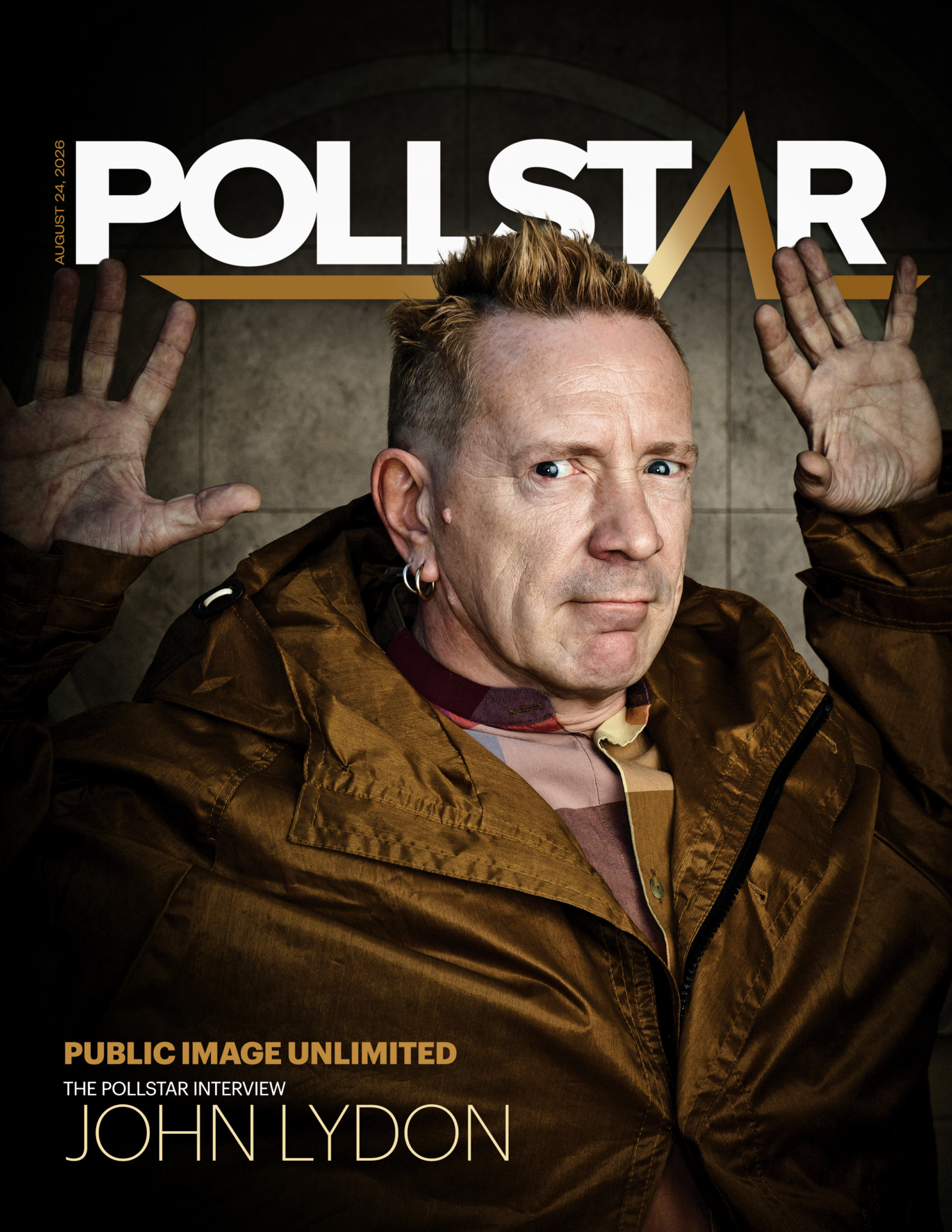
‘I’m not imitating myself. … I will not be dragged back into complicated versions of what I did in times past.’
– John Lydon
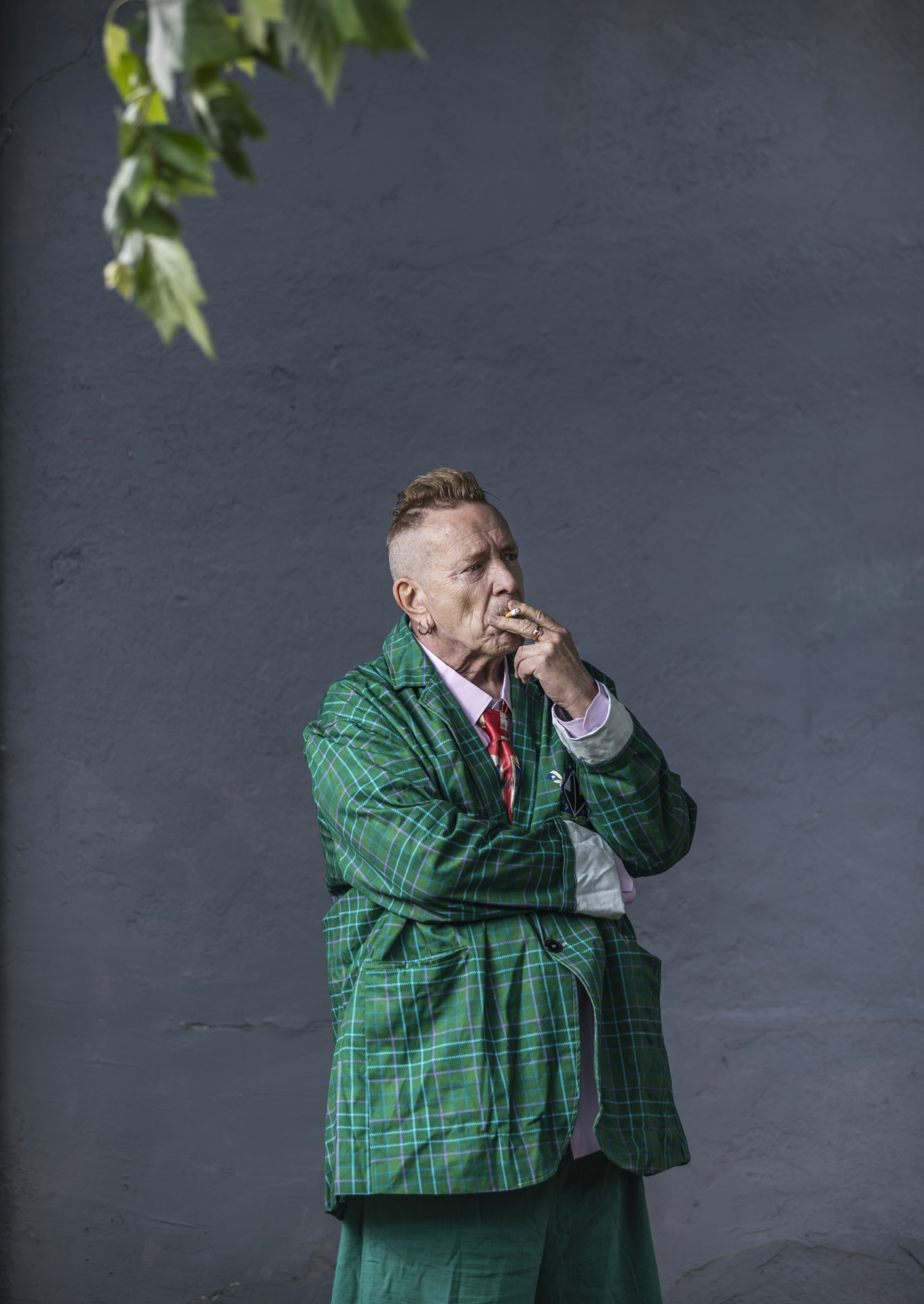
“I’ve got to tell you, hitting 70 was such a major breakthrough for me. At 21, I cried. I thought that was the end of my life — that I was an old man, and I hadn’t done enough. I’m now 70, and I’ve got more energy, more capability. I’m smarter than I ever was way back then, and I’m relentlessly, physically far more challenging to the world. I never understood that was possible when I was young; we live in a world where at 65 they want to retire us, or send us out like cows grazing in a field. Oh, no, no, no, no. … I’m not 21, and I’m not pretending to be, but I can tear the paint off a balcony.”
So declares punk provocateur John Lydon, who was just 21 years old when The Sex Pistols released Never Mind The Bollocks, Here’s The Sex Pistols, a mega-ton neutron bomb in album form that simultaneously destroyed—and enriched—cultural norms in ways rarely, if ever, seen. By age 22, the shape-shifting artist formerly known as Johnny Rotten was moving on, with his new band Public Image Ltd that literally defined post-punk. He hasn’t looked back since.
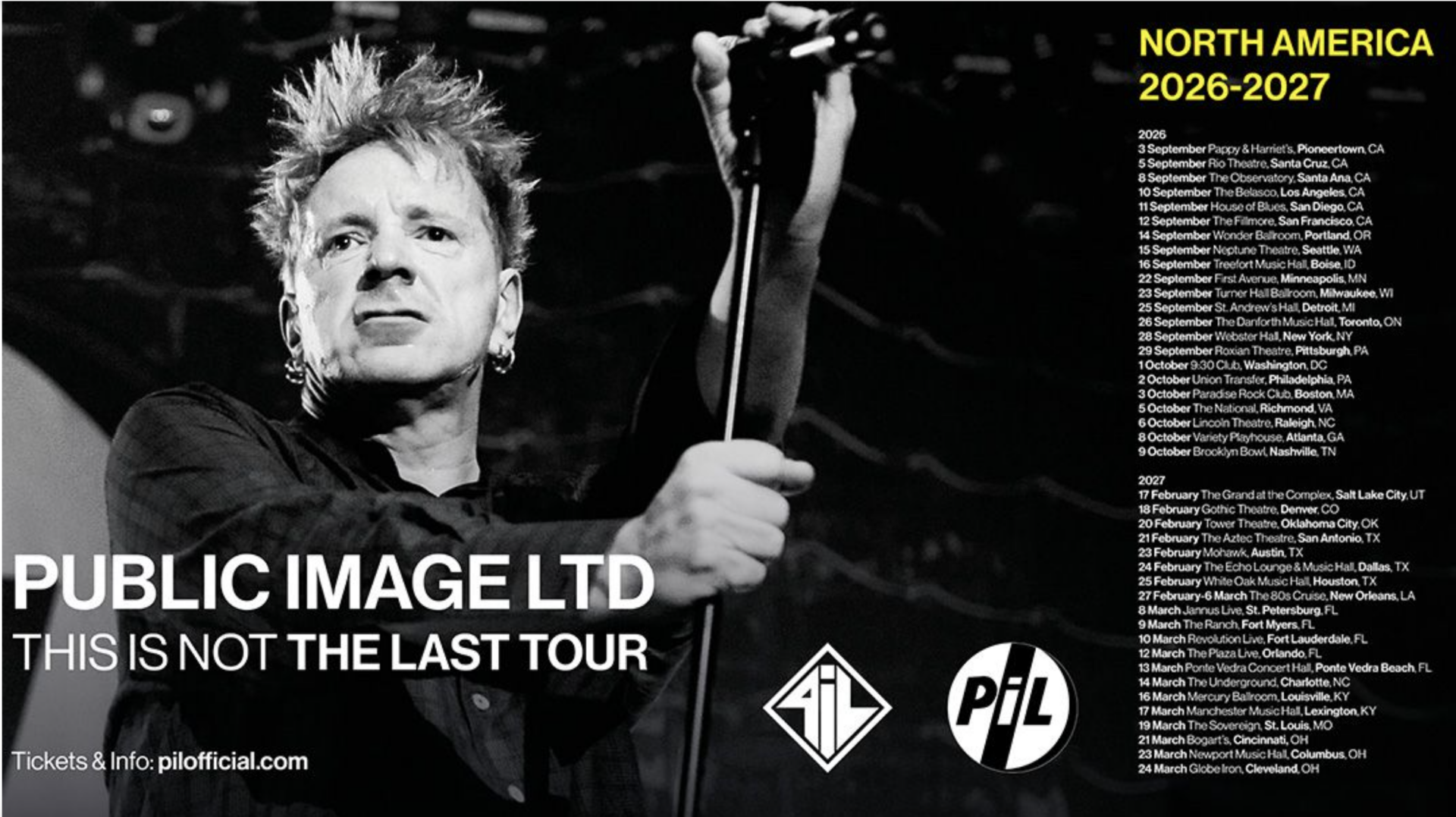
While Lydon’s ex-Pistols mates, with replacement frontman Frank Carter, have just reunited as a touring “karaoke band,” as Lydon snarkily puts it, the current Public Image lineup — Lydon, longtime members Lu Edmonds (guitar) and Scott Firth (bass), and “incredible” new drummer Mark Roberts — is concurrently touring America for the first time since 2018. Lydon promises that this won’t be some nostalgia revue or cash grab, and, as their tour’s cheeky name indicates, that Public Image Ltd. are just getting started. After playing 22 U.S. cities starting Sept. 3, the “This Is Not… The Final PiL Tour” will resume in Feb. 2027, coinciding with the release of PiL’s 12th studio album.
“What gives me comfort is a huge variety in PiL crowds now. There’s everything from — and I’m not jesting you — 15-year-old girls screaming like it was a David Cassidy event, to college professors, to hardcore bikers, to long-haired headbangers, to punks. You know when that’s your audience, you have achieved something. You have broken every barrier. You’ve crashed down every prejudice. That’s wonderful,” says Lydon via Zoom from London, sounding way more cheerful and at peace than one might expect, given his surly reputation and former stage surname. “We’re an intriguing band to me, if I sit down and really think about it. We can go techno, we can go heavy metal, we can go this, we can go that. We can go any way we like, but we really like what we are at the moment, which is a just full-on, in-your-face, dance-to-rock band. And if you can’t dance to us, well, let me sell you a leg.”
PiL’s current “hardcore, banging-your-face vibe” can be heard in full paint-peeling force on Alive, a limited-edition double concert album captured during last year’s European trek. (“We more or less used Europe as a training camp to get ready for the U.S.,” says Lydon.) But only two years earlier, a depressed Lydon had, incredibly, considered retiring from music entirely — after his adored wife of 44 years, Nora Forster, lost her long battle with Alzheimer’s (during which Lydon was her primary caregiver), and then just eight months later, his best friend and manager, John “Rambo” Stevens, died from an aortic heart dissection.
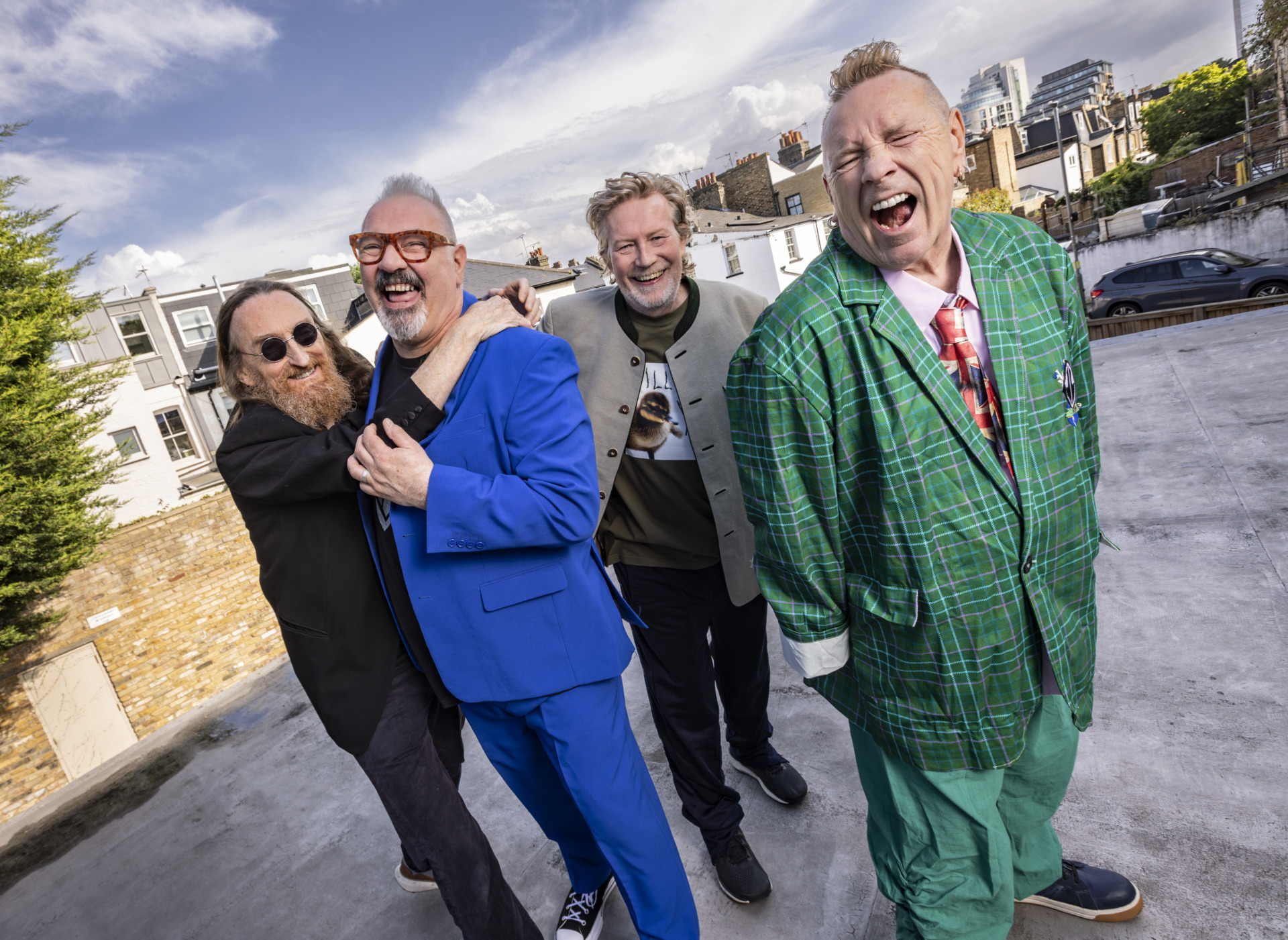
“We’ve had a lot of problems, a lot of issues, a lot of personal tragedies. But hello, we’re back! … I put aside personal tragedy and got on with it, because the people I loved who went and died on me, they would be ashamed if I sat at home and did nothing and felt sorry for me big bad self,” Lydon explains matter-of-factly. “We’ve done so many gigs in this last year, it’s probably the most work I’ve ever done in my whole life, and I’m really, really glad for that. So yeah, get back out. I’ve got ideas. I never stop having ideas. Continue. And here we are, in a blaze of glory.”
“It is great to have John and PiL working in North America again,” Marty Diamond, PiL’s agent and EVP/Managing Executive at THE·TEAM, tells Pollstar. “There is a lot of excitement around the dates from promoters, and I am sure the shows will not disappoint.” A Way With Media’s Andy Richardson, Public Image’s manager, echoes Diamond, adding: “We’re really looking forward to returning to North America, and especially as it’s always been one of John’s favorite places to play. The band are at the top of their game, and while it’s wonderful to play to huge festival crowds, they’re excited for the audiences to witness the shows in incredible venues across the country.”
Lydon is always legendarily unfiltered, of course, but in his surprisingly good-spirited Pollstar interview, he really opens up, not just about touring and making new music at age 70, but about his half-century love story with Nora; his childhood illness and other near-brush with death; his friendships with Keith Levene and the misunderstood Sid Vicious; what he really thinks about the Sex Pistols’ Lydon-less reunion; the one PiL song that makes him cry onstage and the one he fears he won’t be able to power through at all; the legacy of his 1984 rap/rock cult hit “Time Zone”; the Pistols’ famous 1976 Manchester gig that changed rock history; and much, much, more.
Pollstar: I’m so happy that you and Public Image Ltd. have decided to get back out there. It has been way too long. I wonder, did you ever have conversations with Nora where she told you, “I want you to keep working”?
John Lydon: Not since she’s died, no!
I meant when she was still with us, of course.
Oh, always, always, always: [German accent] “What are you doing moping around your house watching TV, you lazy bastard?” These are things that leave an indelible mark in your head. You have to until the bitter end when life’s batteries run out do the best you can and keep on at it. Keep on driving to the end of the road.
You also lost Rambo, your manager and best friend, not long after Nora died. That must have been really rough.
Yeah, very difficult, the two deaths together. But it is what it is.
Has performing in the last couple of years helped your mental state?
Well, it’s not an escape route, that’s for definite. Because the grief is still in there. … But the one thing I did not consider was writing a death, doom, and sad-sack record bemoaning my sorry lot, because my memory of those two wonderful human beings is one of joy, fun, creativity, a fantastic experience. And thank you, you two people. The wonderful insight that both of them gave me upon my own life is overwhelmingly positive.
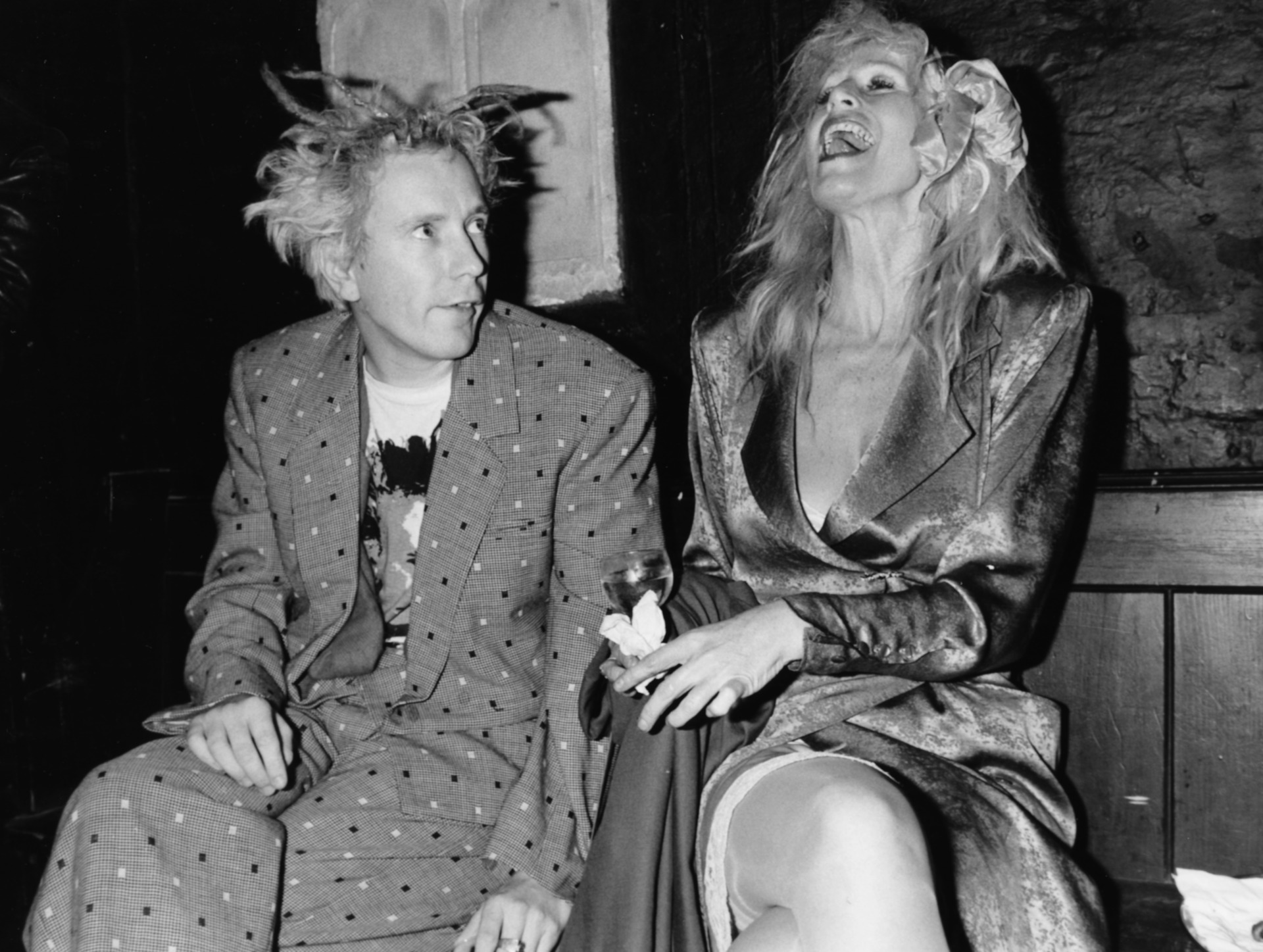
So, we know the PiL album you’re working now is not going to be a grief record. But what can you reveal about it?
It is the full thrill of life. It’s funny that to make the money to record it, I had to do a dress-up as a yak [on The Masked Singer U.K.], very much like I did that [Masked Singer] show in America where I dressed up as a jester. … But the thing was, it raised enough money, because we’re independent. We live outside of what we call the “shitstem.” There’s no record company backing — if we’re not touring, the kitty is empty — and it raised enough for us to get in, start rehearsing, and recording ideologies. And with that money, we went off to Porto in Portugal and ended up recording 20 incredibly, vastly different songs. All our ideologies about music now have exploded. It’s this huge, vast umbrella of complexities. And I quite like where we’re heading with that.
Now, as for an album title, maybe I shouldn’t give the game away — but I’m going to anyway, because it’s fun! We’re going to call it AI. Not Artificial Intelligence, this is Actual Intelligence. … I’m getting well tired on the internet of artificially generated songs, particularly reggae. It’s being ruined by it. It becomes vacuous, and you can tell there’s no heart, no life, no soul in the computer pulse. … We just had the freedom in the studio to do what we want and we ran every direction all at once, and that’s why it’s actual intelligence, rather than manufactured by record labels. “Oh, these are the groovy beats we require for radio play” — we had no concept of that interfering in any which way.
Speaking of titles, your U.S. tour is called the “This Is Not… The Final PiL Tour.” I love that, because many of your peers claim to be doing farewell tours, when that’s not always true.
Well, some people have to actually mean what they say, because it’s obvious from the dilapidation. … We know many folk that are just past the acceptability grade, let’s put it that way, and they can’t sing their stuff or present it in the same way. … But with me, my voice is so full-on these days. I mean, I can rip floorboards up just with a couple of horror tones! And we write songs now just alarmingly well, and know that there’s deep meaning in it because it relates to all of our lives. Public Image now is a proper, proper operation on tour.
You have done speaking tours in Europe as well. What do you get out of that experience, and what do you talk about every night?
No script. I go onstage completely on my own, and I tell you about my life and how I view it and how I’ve got to where I am. And lo and behold, every night it’s almost completely different, because there’s so many memories that come flooding back. It’s the hardest thing to do before you go on because you think, “I’ve got nothing to say. No one will like me.” All of that agenda hits you. And then you go on and you realize, “My God, you’re 70, man. You’ve achieved so much. What on Earth you’ve got to be shy about?” So, there it is. It’s warts-and-all, all the bad things that happened to me, all the good things that have happened to me. And then at the end of that there’s a question time, and the questions from the audience are sometimes deeply, deeply relevant. But also beforehand, I do at least two hours of meet-and-greet. I talk to people. They tell me about their issues, and here I am moping about my sorry lot and it all seems to me like a paper cut compared to some of their personal tragedies. Those poor people, nobody gives them an opportunity to talk — and by God, do they talk! And it’s fascinating and it’s beautiful, and it makes for such an incredibly different evening from the regular standup with a rehearsed script. The chaos of it is its unification.
There are so many misconceptions about you, the big one is that you are a “bastard” — that you’re mean and angry all the time.
Oh, I’m definitely a bastard! I’ve seen my mom and dad’s wedding photos, and my aunt’s holding me. Yes, that’s me, I’m the bastard, all right! I never knew that when I was young, because nobody ever talked about it until after my dad’s death. Then we started looking at all the family photos and I went, “Hang on, who’s that?”
OK, maybe in the literal sense. But you know what I meant — that you have this nasty reputation.
Oh yeah, mean and angry. Yeah, when I feel attacked and abused, words are my weapons. That’s just the way that is. You have to defend yourself; you can’t just sit there like a lemon and take it. But let’s be honest, from the first day onwards, from the Pistols onwards, they put up their finest attack hamsters to try to pull me down, and I’m still here.
I still think maybe little bit of you is a softie. You have a soft side to you.
I hope so. Every good chocolate should have a liqueur inside.
The last Public Image studio album had a song about your former Sex Pistols bandmates called “LFCF (Liars, Fakes, Cheats & Frauds).” Do you do ever play that one live?
Yeah, yeah. It’s not a particular favorite. We’ve gone for the more slammy approach, like a full-on hardcore rock band that just wants to see the ceiling collapse.
PiL’s new Alive album really does sound so alive, so visceral and peak-of-powers. And one of my favorite tracks on it is “Rise,” because I love hearing the audience chant along to “anger is an energy.” Do you still believe anger is an energy, one that can be harnessed for good?
Well, of course. It’s something that my mom and dad taught me when I was young, and they told me this the day I came from the hospital. They said if they mollycoddled me or petted me or made my life any easier, my memories might not possibly return and I’d become an institutionalized idiot.
This is after your battle with spinal meningitis at age 7?
Yeah, I lost my memories completely.
Which is interesting, because now you have so many memories, like the ones you share in your spoken-word tours.
Yes, that’s right. But it took nearly four years to get that back, and [my parents’ tough love] was exactly the right treatment. Don’t make my life difficult. Make it hard. Make me strive. And also, don’t deny me that sense of personal achievement, that I got that memory back on my own without people telling me what I used to be like. I found out that most of those people turned out to be liars in the end. You go back to Catholic school run by nuns and they’re back to beating you again because you’re left-handed. … But again, without that oppositional force, I don’t think I’d be where I am today. So yes, aggression and anger, these are really valuable tools. When you know you’re being deliberately misled or lied to, you use that aggressive stance to somehow find out what the truth is. Don’t take the lies. Don’t lay with liars. … I wouldn’t recommend [this type of parenting] for everybody, but for me, the school of hard knocks worked.
Would you consider yourself now more or less angry than when you were when you were an angry young Sex Pistol or angry young man?
Well, the thing that makes me angry is liars. I cannot see the point or purpose to it. I like to wake up every morning knowing that I’ve horribly told the truth. Maybe I offended a hell of a lot of people by doing so, but at least I can remember what I said. When you lie, you tend to forget and get caught up in your own prison.
When you say you’ve offended people, are you talking about some of your recent political statements? Some things you say don’t align with what people expect from an original punk-rocker.
I don’t want to fit into other people’s ideas of agendas for me. I’m a free thinker. I’m an individual. And an individual in the Catholic faith is a problem in itself, but an individual in the political world is an even more frightening concept.
I’m not asking what party you belong to or who you voted for, but would you consider yourself…
I’m a party to common sense. Whatever makes logic at that particular time, I’ll go with that. It cannot be written in stone for me because times change, situations change, and the people that are yakking this stuff change. You must be very quick to adapt to their thought processes and find out what’s wrong with them and go your own way. Oh my God, I’ve just quoted “Go Your Own Way”!
Yes, you quoted Fleetwood Mac! I never thought I’d see the day!
I love that song. Love that song.
You’re full of surprises. Since we’ve been discussing misconceptions about you, what do you think is the biggest one of all?
People like to believe that my viewpoints are based on just opinion and ignorance. And that would not be true.
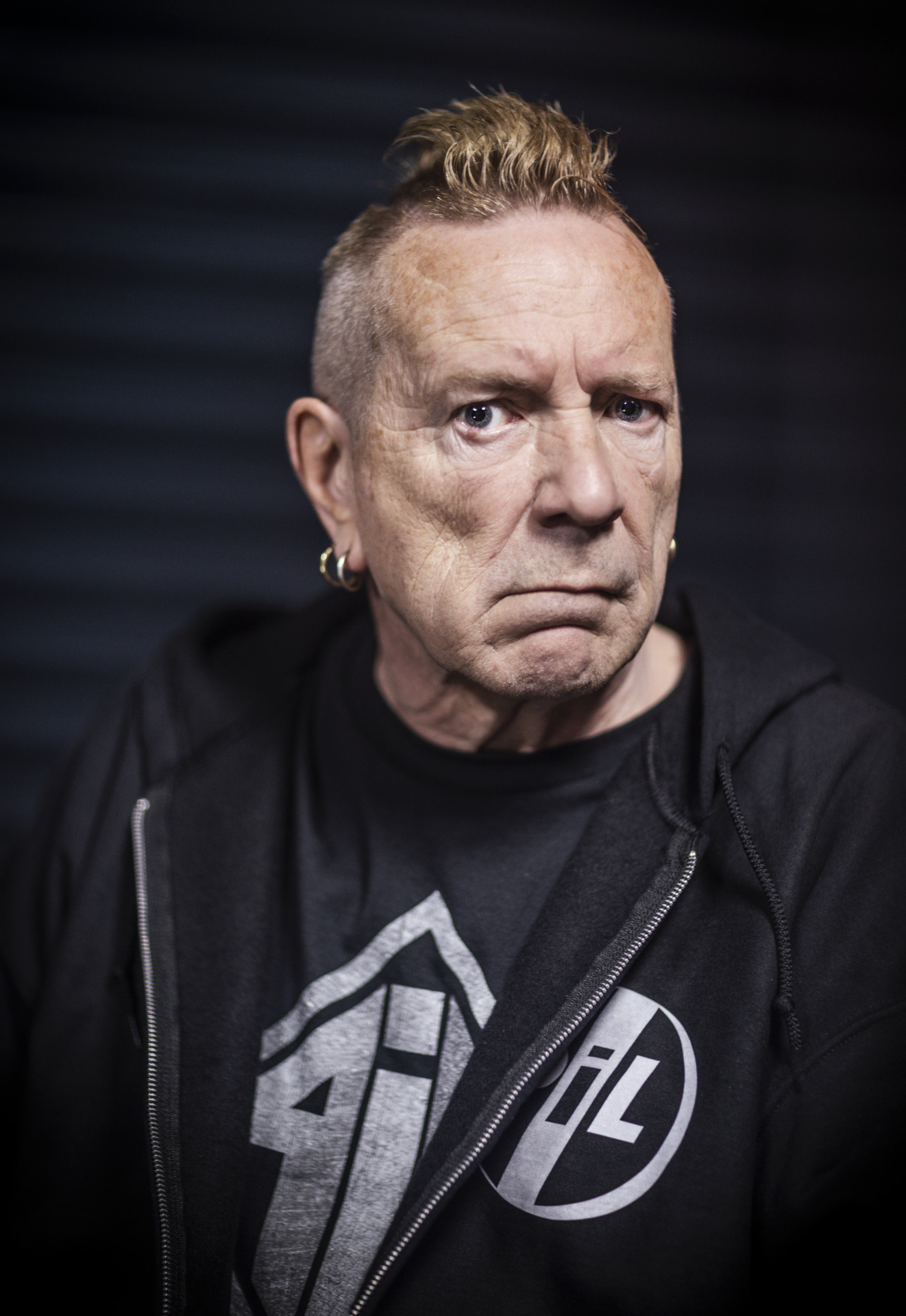
Have you ever thought about running for office? I guess you couldn’t here because you’re not a naturalized citizen..
Hello? You’ve had many unnaturalized citizens sitting in office in the U-S-of-A! But no, politics as usual would not be the fracas that I would be involved with. I’d be very problematic … I was always more left-leaning when I was younger, but I’m very confused as to how they can have the audacity to push me right! I just see common sense, and I don’t see anybody truly representing common sense in the middle.
It’s hard to imagine you as a truly right-leaning person.
How could I be? I’m left-handed, remember?
To bring it back to music with a bit of politics mixed in, I was excited when listening to Alive that PiL do “Time Zone” in concert. Obviously, Afrika Bambaataa was later accused by multiple people of sexual abuse, which came back up in the news when he recently died. But the song itself transcends, and it perhaps sounds more relevant than ever.
It holds up because it was done at a time long ago, before all of that other stuff. That other stuff should not be reversed into history and canceling out what was great about me and him at that time. I have the same attitudes with Michael Jackson. I love the music that man put together. The rest of the stuff, I don’t know about that, but it doesn’t alter the fact that that is good music. And to deny that for any reason — political, religious, or human nature reasons — is wrong. It’s wrong. You’re wrong. It’s good. It stands up. Can you not separate the human tragedies of these people from the human greatness that they had?
I just wanted to preemptively stress that the person who collaborated with you on “Time Zone” is extremely problematic now. But the song itself still hits. How does it go over when you do it live now?
It’s fantastic. Very difficult to do live because it’s so full-on, but that’s our modus operandi at the moment. Full-on is what’s challenging. Make people start to think beyond “Oh, that’s a pretty tune!” It’s beyond a pretty tune. There’s a lot of verbiage in there that should be paid attention to. I don’t write lyrics lightly. I don’t overweigh them either, but they are all thought-provoking.
You wrote that a lot of lyrics in 1984 that now seem very foreshadowing. In what ways do you think “Time Zone” was especially prescient?
It’s about the confrontation and separation of us all into individual groups or pretending to love and like each other, but we really don’t.
Do you ever play “Anarchy in the U.K.” live?
No, not no more. There’s no need. There’s a karaoke band out there doing that for me.
What are your thoughts about the Sex Pistols touring with Frank Carter? I can’t imagine the Pistols without you, and I imagine many fans would agree with that.
All fans, really. But it is funny that there is one festival [Riot Fest in Chicago, Sept. 18-20] we’re doing where [the Pistols with Carter] are playing the night before. The promoters said, “Oh, you’ll probably not want to do this gig.” Yes, I will! … It was all discussed openly beforehand and I dived into it, because what on Earth? How can I be jealous of my own career? You understand, it’s an accolade of sorts. It really is. It’s plastic flowers instead of real ones, but there we have it. … And they still can’t seem to write new songs. It’s really kind of silly.
I kind of wish PiL and the Pistols were playing Riot Fest on the same day, because I’d get the popcorn out for the drama if you guys crossed paths.
There shouldn’t be no drama. I’ve done nothing to be ashamed of. The drama would all be in their ill-fitting shoes. … And just as an aside, oh, this has me in fits of laughter: Mr. Carter is currently imitating me out there, and he did an interview recently and said he can’t wait to meet me so that we could write new songs for the Sex Pistols. What universe is he living in? What is it they’ve promised him? What is it he is imagining?
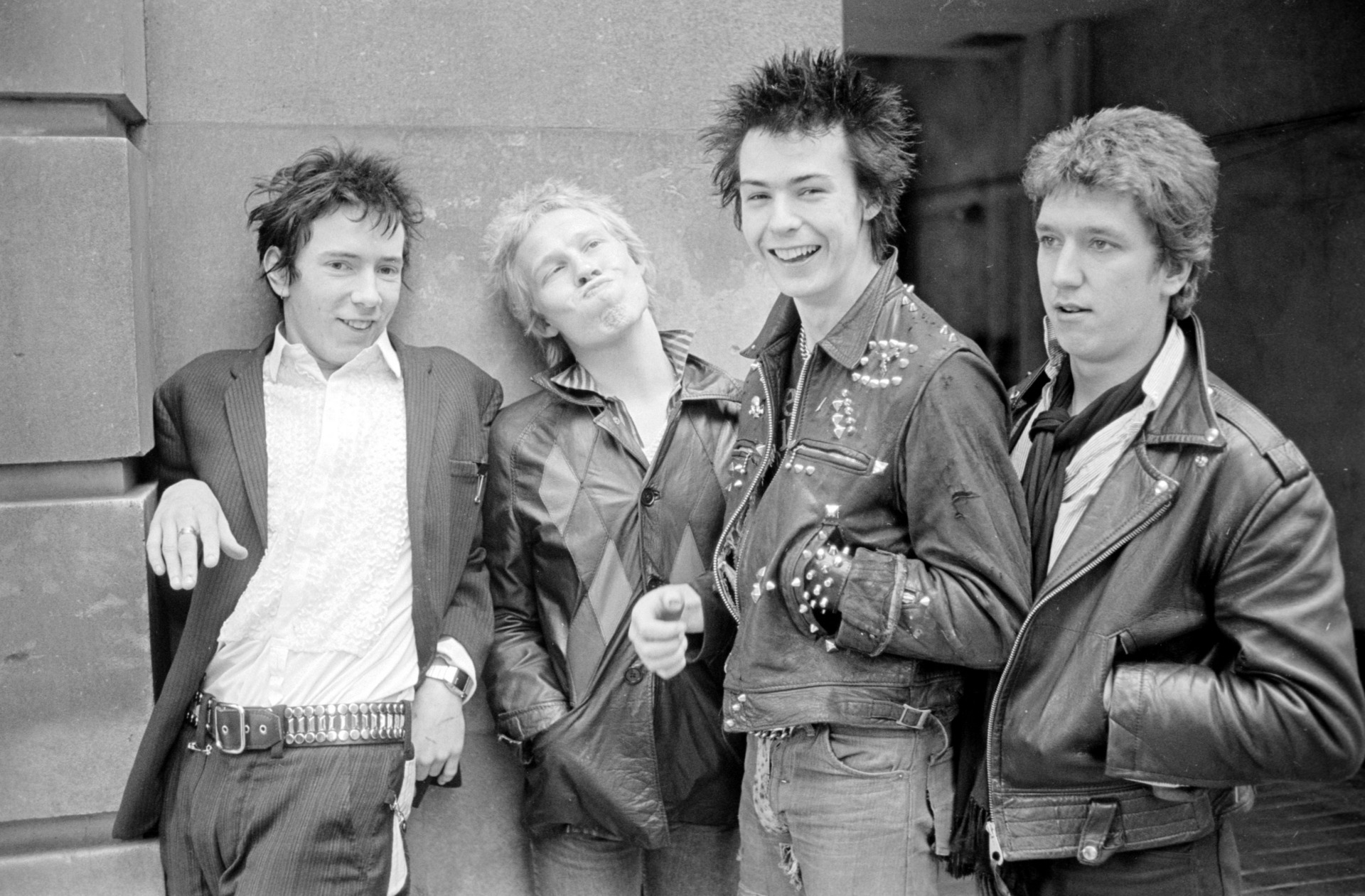
Wait. Songs that you and Frank would write together? And that he would sing?
Yeah, somebody’s given this bloke a real serious fanny, and he’s dumb enough to believe it. … I don’t see that happening. It would certainly not be on my Bingo card, let’s just say that. I mean, I have nothing against Frank Carter. He got offered [this big opportunity], and why wouldn’t he take it? I applaud him. But you know, man, that’s a tough one. As the year has gone by, he’s going to have to end up as moronic as the other three to justify his existence. I don’t wish that on him or anyone.
What would you say to Frank if you met, like if you actually did bump into him at Riot Fest?
I’d say hello! What else would I say? I’d be intrigued and friendly.
What would you say if you ran into your former bandmates?
Same thing. I’m not the kind of bloke that’s going to hold any kind of personal animosity. My life’s too occupied with creativity and being a proper human being. That’s their dilemma. What would they say to me? Well, they should just say, “Hello, John! It’s great the way we’re using your ranting and raving lately!”
Oh, to be a fly on the wall, if that were to happen…
Well, you’d have to be, around them, because they’re metaphysically dead.
What would you say to Frank if you met, like if you actually did bump into him at Riot Fest?
I’d say hello! What else would I say? I’d be intrigued and friendly.
What would you say if you ran into your former bandmates?
Same thing. I’m not the kind of bloke that’s going to hold any kind of personal animosity. My life’s too occupied with creativity and being a proper human being. That’s their dilemma. What would they say to me? Well, they should just say, “Hello, John! It’s great the way we’re using your ranting and raving lately!”
Oh, to be a fly on the wall, if that were to happen…
Well, you’d have to be, around them, because they’re metaphysically dead.
It seems like you are prouder of your long legacy with PiL than you are of the Sex Pistols, who were an extremely important band in terms of seismic influence, but had a brief run.
Well, it was step one on a ladder. And the more I progress, the more rungs on the ladder I’m climbing and the more new viewpoints I’m finding. I’m not imitating myself. I’m not stuck in a category that a fanbase insists I should not veer too far from. Johnny Rotten does what he believes in. I’m not manicuring anything for an easy life. … I will not be dragged back into complicated versions of what I did in times past. Every day is a new day, a new experience, a new genuine human relationship to share with other people. That’s the essence of PiL.
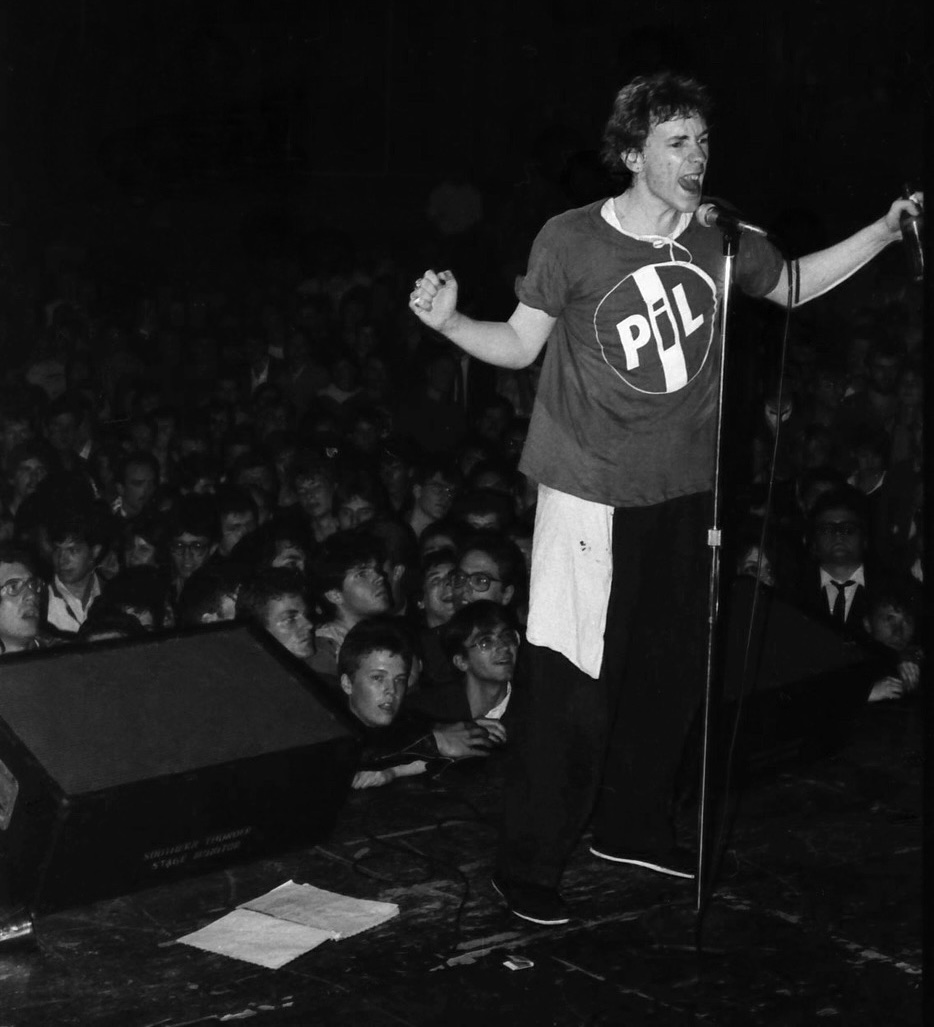
How did Sex Pistols fans react when Public Image first came on the scene in 1978? Were they accepting? Were they baffled?
The first PiL gigs were a little bit of a nightmare, because it was that very demanding “we want punk!” mob. But they quickly adapted and learned that I ain’t a performing seal. Arf, arf!
Many music critics and historians argue that PiL were even more important and innovative than the Sex Pistols, in their own way. Your press release actually declares Public Image one of the most influential U.K. bands of all time, so your publicists are doing their job by getting that out there.
No, I wrote that! I see no reason in denying the truth. You’ve got to toot your own horn, or no one else will.
OK, then! I am bringing this up because I wonder if it bothers you that you’re probably still more known for being in the Sex Pistols, when that was just one chapter in your story.
It’s a bloody big one though, isn’t it? Let’s be honest. I can’t feign indifference on this one. I’m glad it’s remembered. It’s like, what, 50 years ago? And it’s still as relevant as ever. Think about that.
I’ve always wanted to ask you about when the Sex Pistols famously played the Lesser Trade Free Hall in Manchester 50 years ago, in summer ’76. There are so many musicians who were there — members of Joy Division, the Smiths, the Fall, Simply Red — and have said those Manchester gigs changed their lives and inspired them to start their own bands.
Yes, there were amazing people that came out of that. Mick Hucknall has said it many a time, that that’s what got him going. You see, the vast diversity was what was important to us, right? From Hucknall to the Buzzcocks to Slaughter & the Dogs, these were bands in very different directions happening all at the same time. And that’s true punk — not the approach to punk that we’re all supposed to wear studded leather jackets in the sweltering heat and look like idiots with our mohawks drooping. … At that time in Britain, there was a solid political movement to try and cancel and close us down and tell people that [the Sex Pistols] were the demon seed. And of course, with that kind of imagery, who’s going to resist? The negativity was so overwhelming, we didn’t need a press campaign. We just let [the press] yak that hatred on, and they talked us into No. 1 records, just like that. Do you think we were clever enough to organize and orchestrate the music industry? No. It was a complete accident. Just by sheer, blatant honesty, we achieved more. And so, there’s the lesson in life: You do not need a solid working team of agents with agendas to sell what you’ve got, because if you do, then what you’ve got isn’t worth selling.
Did you know the Sex Pistols were changing history at the time? Did you understand the gravity of what you were doing?
You have no concept. My biggest attitude at the time was, “I hope the f***ing police don’t catch me!” Because it was raids on hotels, raids on the buses we were traveling, raids at the gigs, demonstrations outside. The whole thing looked very negative to me. But me being me, I found that a positive. I came out of the council flats, I’m as working-class as they get, and suddenly society is paying attention to me? Wowzers. And that’s by using words, not acts of violence. Words.
Have you ever wondered what your life, or what the Sex Pistols’ music, would have been like if the band had continued after Never Mind the Bollocks?
No, I couldn’t. That American tour made it very clear to me that I didn’t want to be with these people, not ever again. Their misunderstanding of it all, and the management, and just their approach of wanting to tame it all down. I was like, “Are you joking?” I mean, this is no dig to the Bay City Rollers — some of them were friends of mine, we’d hang out just for a laugh — but why would I want to taper down to a specifically well-selling genre, when this seems to work fine? People were at least listening, and every week there were 10, 15 new bands coming out with 10, 15 new ideas using that [Sex Pistols] springboard. That’s success, isn’t it? It really is. You can’t knock that.
I think the archetype before punk, and before you and the Sex Pistols, was that a frontman was either a Bay City Rollers-type pretty boy, or a sex symbol like Mick Jagger. And that was not your brand.
I had no clue about that direction. Clearly not. That wasn’t what [the Buzzcocks’] Pete Shelley was about. That wasn’t what most punk bands were about. It was kind of rejecting that idea.
But were you at hoping that when you became a rock star, for lack of a better term, that the ladies would come flocking?
No, no, because I’d then go into this groupie phase and go, “You only want me because of my name.” And that would annoy the hell out of me. And that’s why I went into proper relationships with people that I knew liked or loved me for what I actually was. That became, and still is to this day, the most important driving factor. I’m not a product. I don’t want to be treated like a product, and I don’t want to treat other people as productivity to my ego.
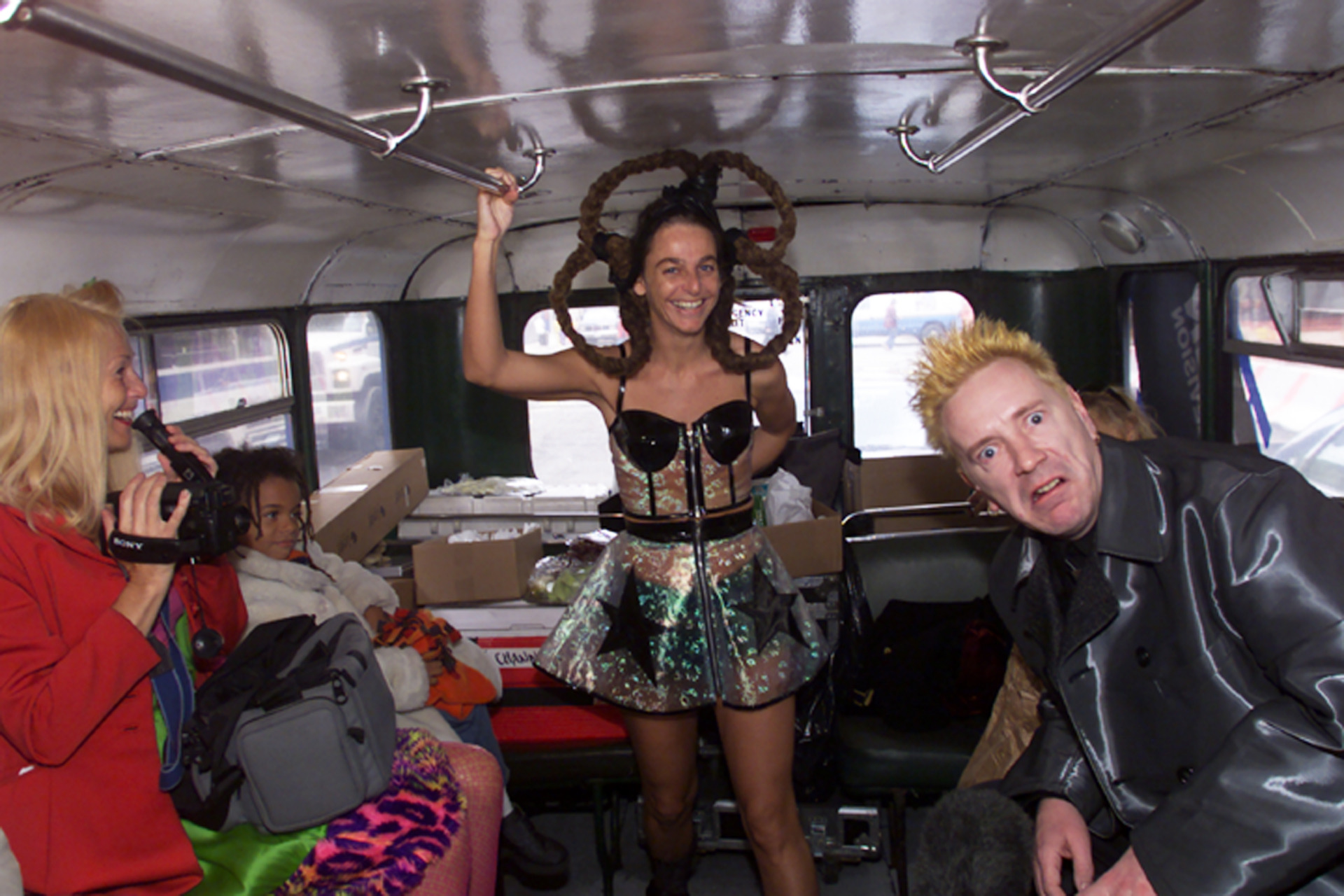
You were very young when you married Nora. You were 23 — 19 when you first met! — and she was 37. She was a German heiress; you were a working-class, Irish punk. It seemed like a case of opposites attract, for sure.
But we just loved each other’s humor, and she could not find that in anyone in London. She was an Anglophile, let’s put it that way. She wanted to understand Britain, and I was the only bloke that was a good, clear indication of what she clearly, clearly wanted. It’s like British comedy. For instance, I taught her really good English using [the British sitcom] Steptoe and Son.
How did you two first meet? Were you just hanging in the same social circles because her daughter Ari Up was in the Slits?
Oh no, no. I was never invited into the cliché of rock circles. I don’t think I am still. I don’t hang around in that vibe or that vacuous space. She came up with [musician/producer] Chris Spedding to a very early Sex Pistols gig and she came straight at me, looking like Lauren Bacall in this outfit. Film noir, baby! And she said, “They have told me not to talk to you, because you are a bad person.” That’s the best worst thing your alleged friends can ever say to another girl: “Don’t talk to him. He’s a bad person.” … I loved her from the offset as a complete individual, how she just would not follow any other people’s lines. I mean, this is the woman that f***ing helped promote Jimi Hendrix in Germany, while married to a Frank Sinatra imitator [Frank Forster]. Her life is so astounding. When I do my live talk shows, I mention all this and Nora’s mother and what a hugely interesting background they had too. Put that with mine, it becomes a wonderful tapestry of complexities of life and just how f***ing beautiful we are as humans. All misjudged, but that misjudgment is our strength.
I imagine many people didn’t think you and Nora would last. What was your secret to bucking the odds and having a long, successful rock ‘n’ roll marriage?
Loyalty has to be earned. She earned mine. It was the total honesty of it. We told the truth about each other, to each other. It’s very, very important to have major, major rows, but to find a conclusion that doesn’t end up in trying to score points against the other, because you’ll find that both sides eventually end up being right. And when you hit that note, you burst out laughing. That’s how we would usually end up after a really catastrophic row, just falling on the floor giggling with laughter. How far can you take it? And does it all really come down to a toilet seat being up or down?
You had a song about bickering over toilets, didn’t you? “Double Trouble” off PiL’s 2015 comeback album What the World Needs Now… ?
Yes, I did. “Toilet’s broken again!” That was the actual reality in our life.
I know you weren’t thrilled with the Hulu miniseries Pistol, based on Steve Jones’s autobiography, but when will you get your own biopic? You’ve written several memoirs. You have plenty of material to work with.
I’d love to tell the truth, the whole truth and nothing but, but there’s a major issue with that last court case with the Sex Pistols, that they would deny me the footage.
But I’m talking about a movie specifically about you and Nora. I think that’s the story. It’s a relatable and inspiring love story, even for viewers who don’t know or care about punk music.
Sure, but by the time it went through Hollywood, I don’t want to see Angelina Jolie as Nora. It wouldn’t be my Nora. It wouldn’t be my lovely Nora. It wouldn’t be my baby.
What was your opinion of the 1986 biopic Sid and Nancy?
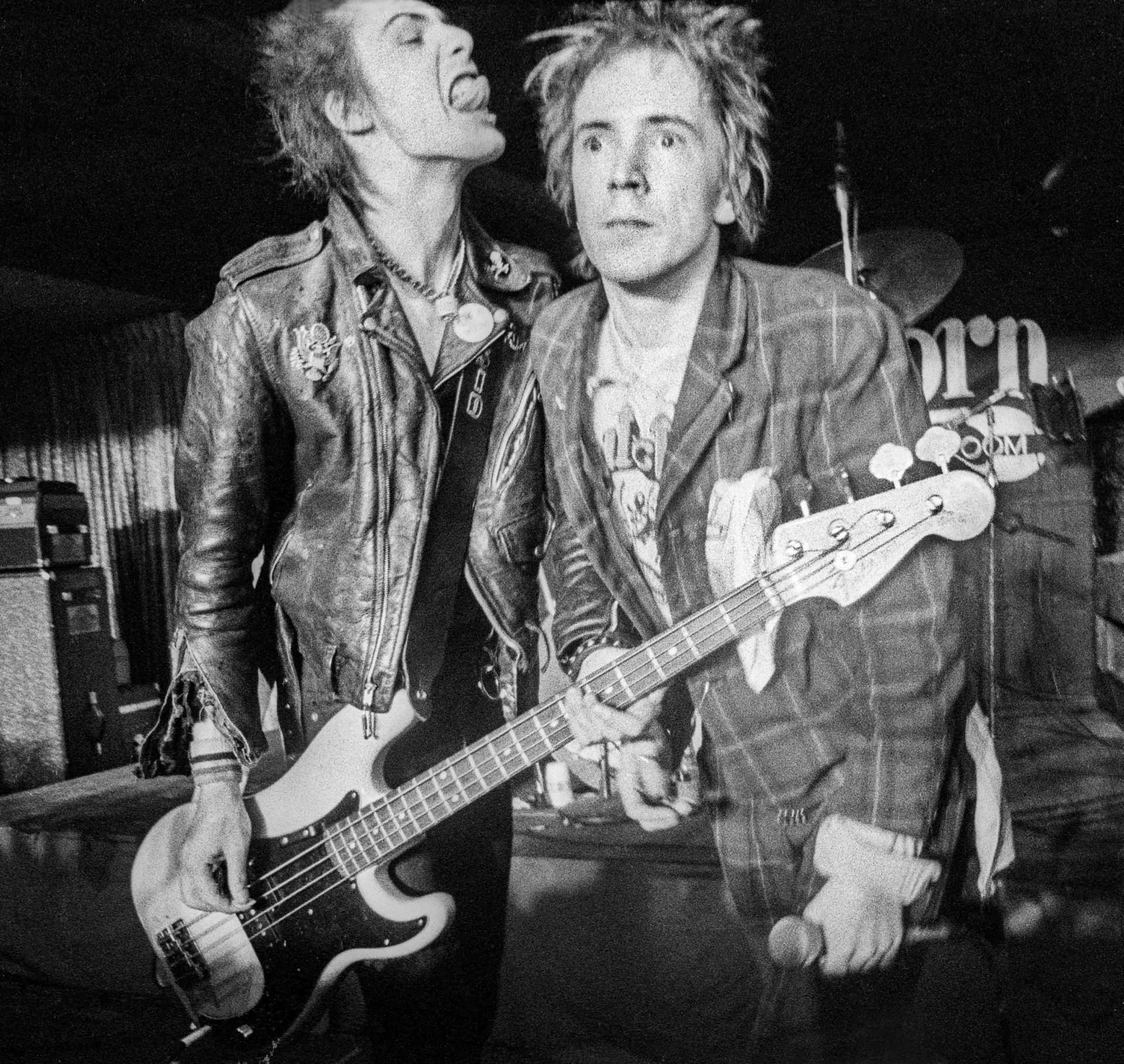
I’ve got the same issue with both productions [Pistol and Sid and Nancy], which is neither bothered to talk to me. And both of them involved, of course, my best mate Sid. You’d think if you really wanted to know what Sid was like, you’d talk to his best mate. And if you really wanted to know what Johnny Rotten was like, well, you’d talk to him too, wouldn’t you? But neither production did that, and that upset me. I think that’s beyond audacious. It’s f***ing insulting.
I recall that you didn’t like how you were portrayed in Sid and Nancy. But did you like Gary Oldman as Sid? I think Gary really transformed into Sid, but maybe you disagree.
I think [Oldman] would look back and go, “Oh my God, that was a two-dimensional, postcard representation.” I think that would be his conclusion, because he’s by far such an intelligent fella now. But you’ve got to remember in them early days as a young actor, you’ll grab anything you can for work. I understand that. I grabbed the job of singing in a rock band, didn’t I? With the same kind of gusto and enthusiasm, you dive in; you don’t quite know where how deep the water is, but dive in you do, sink or swim.
I didn’t realize you and Sid were so close.
I had a particular fondness for him because he wasn’t the smartest kid on the block, but he was goofy and he did the most amazing piss-takes of people. He could look at someone, grab their character in his mind, and imitate them with flawless ridicule. He would do that quite a lot, and he was great at it. He was a very, very good friend. But the heroin was an issue. His mother was a registered heroin addict, and to keep him off that stuff from age 15 on was really hard, really hard. And so, my way out of that would be, “Oh, Sid, you don’t need that. Let’s just take more amphetamine sulfate, shall we?”
Were you surprised by how things ended so catastrophically with Sid and Nancy Spungen?
Sad and sickened. Too many people were blocking any access I had to him, and that was upsetting. And to find out — this is just quite amazing — that Mick Jagger put some money and some lawyers into helping Sid’s case. So, that’s some kind of respect I’ve got there for that [Jagger] fella. I’ve said so through the years, but nobody really seems to want to pick up on that. … That was a very nice gesture, because [Jagger] knew [Vicious] was struggling like f*** at that point. And I couldn’t raise no money to help Sid. You’ve got the management there blocking me. Oh, dreadful stuff.
There are different conspiracy theories about what really happened with Sid and Nancy and their deaths…
Yeah, but that’s just greedy people out for a dollar. … Well, they wanted to highlight the heroin addiction of it, because for [Sex Pistols manager] Malcolm [McLaren], I suppose that was a selling point. It was about destruction rather than creation. That would be the major difference between me and the management. They wanted rock ‘n’ roll chaos, right? They wanted to follow that clichéd tradition.
Sid has been sort of deified in rock ‘n’ roll history, much like Kurt Cobain or Jimi Hendrix.
He shouldn’t have died young. I don’t know, I’m not going to point any fingers here, but what really upset me about that particular Sidney situation was he was fine with me on the tour bus in America, and then we get to San Francisco and suddenly he’s found a load of heroin. That had to be given to him. Who gave it? I don’t know. These are the truest stories of a Sid-and-Nancy situation that I would have wanted to investigate in a film.
I’m sorry for asking such a bold question, but do you believe Sid did it [murdered Spungen]?
How would I know? That man, he was so not violent. He was so gentle and such a big wuss, really, and he couldn’t cut his way out of a crisp bag. That violent aspect they tried to portray is not the Sid I knew. And that upsets me. If there was ever a brawl, he’d be the first to run.
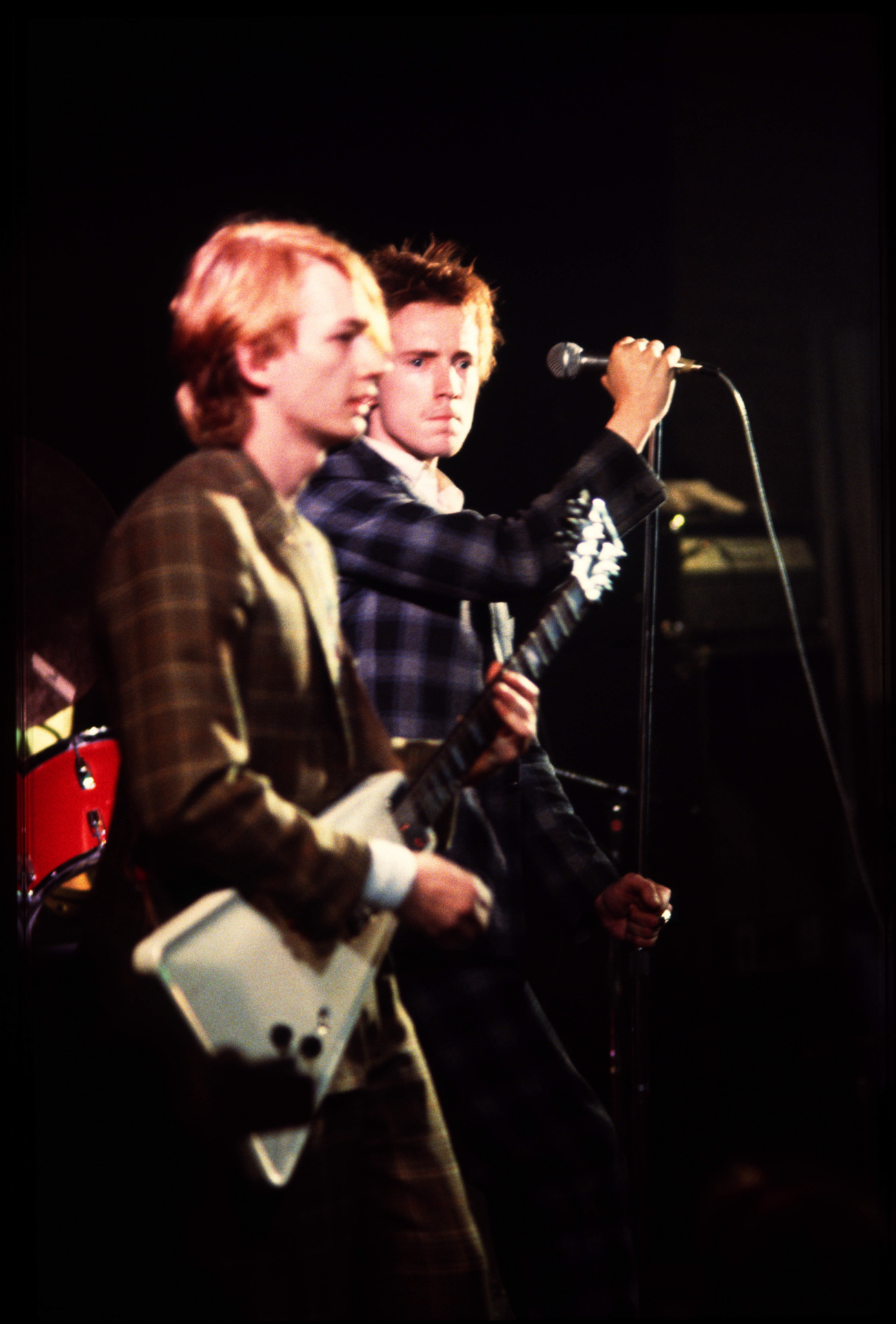
You’ve lost many people dear to you. Keith Levene (groundbreaking PiL guitarist) died in 2022, and I don’t know if you two were in touch in recent years, but obviously he was in the seminal, original lineup of PiL long ago…
He was a friend of mine, yeah. Very influential guitarist. He understood rhythm guitar in the most amazing, interesting way. But he had this heroin problem, and that became overwhelmingly destructive by the time we attempted to move to New York. It’s a dreadful drug there. It makes people feel super-confident, but at the same time it makes them hate their own genuine talent. They view themselves negatively. It’s such a bad thing.
You never really went down that dark path. How did you avoid that, when you were surrounded by drugs and addicts?
Drugs to me are social. I’m not the kind of person that’s going to sit alone taking lines of speed or coke or whatever, all on his own, feeling sorry for me. No, I’m a company animal, and if there’s no people about it, then I tend not to need that.
Do you consider yourself a survivor at this point your life?
Well, I’ve survived an illness that desperately tried to kill me. And I’ve survived the Lockerbie flight. That was a Pan Am flight from London to New York that was blown out of the sky by terrorists. Me and Nora were booked on that flight and we missed it because Nora couldn’t pack her bag in time. We went back to bed, and then my brother rung up on the off chance, because he thought we were dead. So, it set up a precedent in our life that I never, ever rushed her again on anything.
Do you think you have some sort of guardian angel looking out for you?
That’d be nice, but I’m not particularly eager to meet them.
Since we’re talking about survival, how have you preserved your singing voice? It often sounds like you’re screaming at the top of your range when you perform live.
Because I believe in what I’m singing. … I’m just expressing my life’s experiences. I can’t do much more than that. I don’t want to. And I definitely don’t want to imitate all the world’s most favorite singers to me, which would be Roy Orbison, people like that.
Who are your favorite singers?
Anyone that doesn’t fit into the norm. Anyone that says what they mean. And that’s a huge, expansive list. But just off the top of my head, Mae West.
That was not the answer I was expecting! Why Mae West? Most people don’t think of her as a singer.
Oh, they’re so wrong. She was a top-class comedienne. A rather plump lady who made plump acceptable. You went beyond the image and you found the inner beauty in her. And when she sang things like “C.C. Rider,” oh my God, her tone! She broke every rule.
If you ever imitated Mae West, that would be fun.
Well, we’re probably about the same size!
As you prepare for PiL’s first U.S. tour in eight years, after everything that’s happened, how do you feel about playing for American audiences again?
Fantastical! It doesn’t seem like eight years to me. That’s been the slow unraveling watching my wife die for years, where I quite literally had to give up the idea of doing any work at all because I became a full-time carer, and then the loss of her. Well, now that’s gone and I now have to move on. I just hope there’s people out there that bear in mind that eight years is not a long time. It really isn’t, in terms of the way this world works and the dilemmas we have to deal with.
Do you ever perform “Hawaii,” the Eurovision song you wrote for Nora?
I don’t think I can. I’m going to try it, but I think I’d just break out bloody crying. We’ve tried it in the studio and I can’t get through verse two. It’s just too close right now. And Heaven forbid I turn into a lounge-lizard singer.
I was disappointed that you didn’t make it to the Eurovision final.
Well, to be absolutely fair, I was hoping we didn’t get through, because it would have meant I’d have to have spent weeks away from Nora [while competing in Eurovision]. There ain’t nothing in the world that could have tempted me at that point. She’d seen the live Irish [semifinal], and when I went back home her comments were, “That’s a nice song, John, but why did you cry? You ruined it!” … Both of us were on the floor rolling with laughter — to see my eyes so despondent, and then she just burst out in laughter.
I guess PiL shouldn’t do “Hawaii” live, then. Nora wouldn’t approve if you cried.
Now you understand me and Nora completely, at this point.
Are there any other songs that are extremely emotional for you to perform?
“Death Disco,” because it was originally about the death of my mother, and then it transferred to the death of my father, and then it transferred to the death of Nora, and then it transferred to the death of Rambo.
But you do play “Death Disco” on tour. How do you get through it, night after night?
I cry all the way through. The words just instigate those deeper emotions. I miss these people so much. And if I didn’t cry, then I wouldn’t be able to hit those horrific notes that I do.
And how do audiences react when you cry onstage? Are they surprised? Because like I said, there’s this image of you being a tough, angry bloke.
All of that’s true, but I am a human being and I’m highly capable of intense emotions — positive, negative, and everything in between. So, they throw me roses. And I get cut to ribbons on the thorns.
I’m sure your fans mean well, but they really should cut the thorns off.
No, it’s almost incredibly poignant that they don’t, because that’s reality. A rose has thorns. It wouldn’t be beautiful without them.
This Q&A has been edited for brevity and clarity. Full interview with John Lydon and Lyndsey Parker below. See Lyndsey’s work and video interviews at Lyndsanity.com.
FREE
 Daily Pulse
Subscribe
Daily Pulse
Subscribe
 Daily Pulse
Subscribe
Daily Pulse
Subscribe