
Auckland: Kia Ora From The City of Sails (Australia/New Zealand Special 2026)
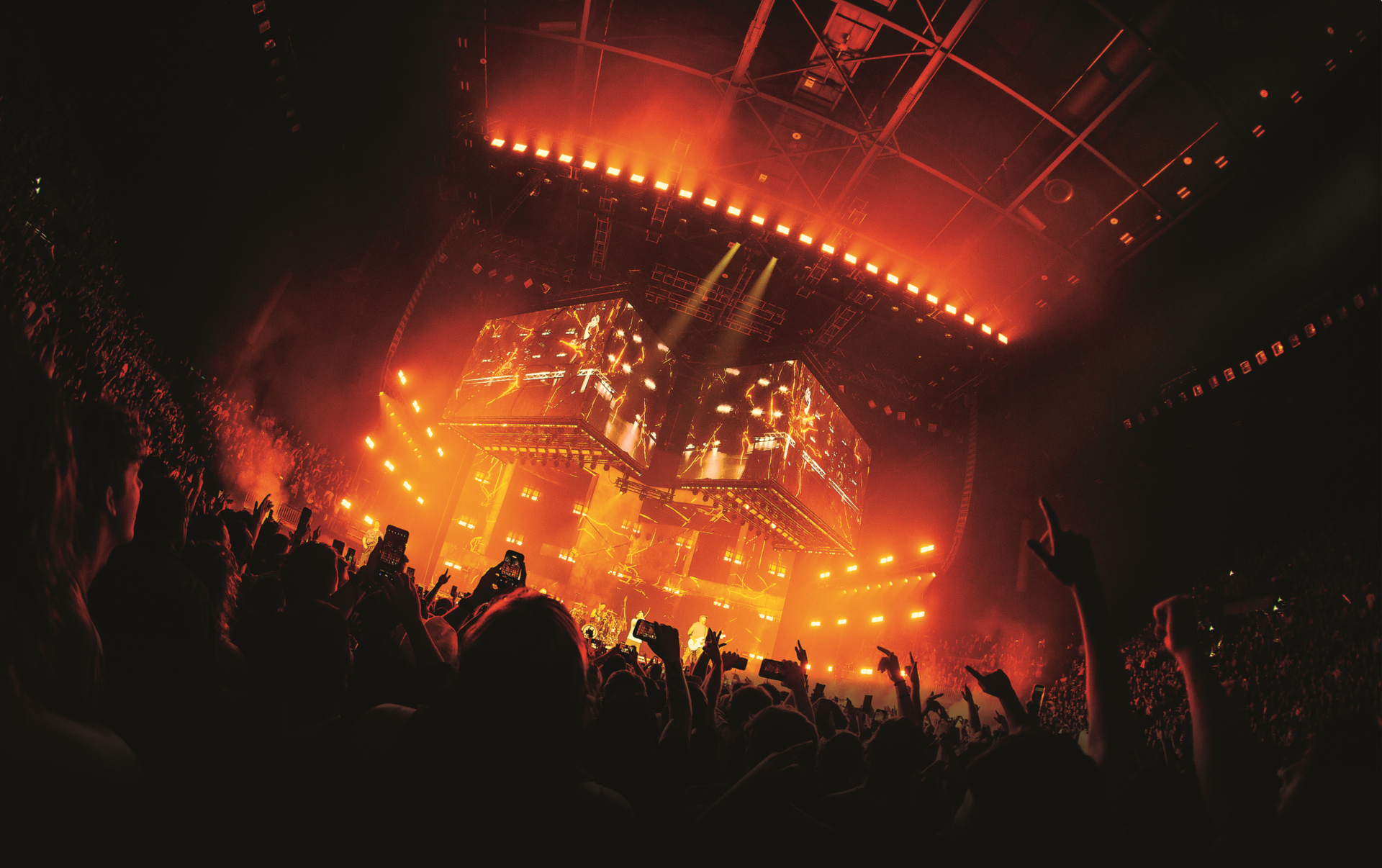
While Auckland may not be New Zealand’s capital, its population of more than 1.5 million makes it the country’s most significant location for live music, with approximately one-third of the entire nation living within easy reach of its venues.
Arguably the most remote market in the world, New Zealand is not always included in tour plans. But with Live Nation involved in the ownership of the Spark Arena, it punches above its weight in terms of visiting musical talent, helping it achieve a top five Australasian ranking in box office grosses reported to Pollstar, with ticket sales of 367,000 and a gross of more than $28.6 million for the period of Aug. 1, 2025, to June 30, 2026.
Highlighting its dominance, Spark’s general manager, Mark Gosling, flags up “standout performances from Dua Lipa, Slipknot, Lorde, Linkin Park, and IVE” over the past year.
“With a bumper season ahead, that momentum is set to continue through a world-class lineup, including Noah Kahan, Zara Larsson, Olivia Dean, Lily Allen, Hilary Duff, Jason Derulo, Alex Warren, Conan Gray, Karan Aujla, and many more.”
It’s not just Spark Arena that enjoys success, as Auckland – or Tāmaki Makaurau to use its Māori name – is home to numerous busy venues, from the club circuit up to stadium level. These include Studio The Venue, with flexible capacities of 300 up to 1,200, Big Fan (180 cap), Neck of the Woods (350), The Mothership (300), Galatos (400), The Whammy Bar (250), sister venue Double Whammy (500) and The PumpHouse Theatre, which has 192 indoor seats and 200 in its outdoor amphitheater.
In terms of theatres, Aotea Centre (2,139-cap), The Civic (2,378) and Auckland Town Hall (1,529) all figure prominently in Pollstar’s box office reports, while scene-setter Powerstation is ranked the number four club across Australia and New Zealand.
Accommodating up to 1,050, Powerstation is a perennial choice for international touring acts. Forthcoming dates include Greentea Peng from London, Canadian hardcore outfit Propagandhi, Zürich rockers Paleface Swiss, hip-hop pioneers The Pharcyde, and UK veterans Squeeze, Happy Mondays and Del Amitri. Meanwhile, indie rockers Razorlight have chosen the venue for their NZ debut, while Saint Etienne will say farewell to Kiwi fans when they drop by this November.
Powerstation owner Peter Campbell says the venue hosts 80-100 shows a year on average, with international acts accounting for around 80% of the talent on stage.
“The last 18 months have been challenging,” he admits. “The NZ economy has slowed quite substantially over the past three years. It’s a long way to come for a couple of shows, and it costs lots to get here. Also, on the ground costs are quite high, as the NZ dollar hovers around 60 U.S. cents.”
However, he concedes, “P.STN is in a very fortunate position. We’ve had the place for 20 years, and we’re really well supported by promoters, agents, and production suppliers – many of the acts who visit us say it’s the smallest venue cap they have performed in for a long time.”
At the top of the food chain, Go Media Stadium, with a concert capacity of 50,000, and Western Springs (30,000) vie for supremacy in the outdoor business, but given that both are controlled by the same parent company, the relationship is symbiotic rather than fierce. However, competition from New Zealand’s national stadium, Eden Park (65,000), looks set to intensify as it recently received permission to host up to 32 concerts a year, rather than its previous dozen.
“Eden Park has experienced an exceptionally busy and diverse period, demonstrating how far the venue has evolved from a predominantly sporting stadium into a genuinely multi-purpose destination,” says Bronwynne Howse, general manager of communications and marketing at The Eden Park Trust.
With Robbie Williams and Guns N’ Roses confirmed for later in the year, venue management is aggressively targeting music for its programming.
“The future of a modern stadium is not about relying on one sport or one category of event. It is about creating a compelling year-round calendar and continually finding new reasons for people to visit. Seventy percent of our revenue today was not part of our business plan five years ago,” reveals Howse. That strategy will be sure to sharpen the marketing skills among other stadia operators.
“There are definite economic challenges in the market: the cost of living, freight costs, and the exchange rate all contribute to the challenging conditions,” notes James Parkinson, director of Auckland Stadiums, at Tātaki Auckland Unlimited. “At our new Western Springs Bowl venue, we are installing a permanent stage and new hospitality infrastructure to help cut the costs for delivering events, making it a more attractive ‘plug and play’ proposition.”
Like its Eden Park peers, two of the venues that Auckland Stadiums manages, Go Media, and North Harbour Stadium (25,000-cap), are predominantly sports facilities.
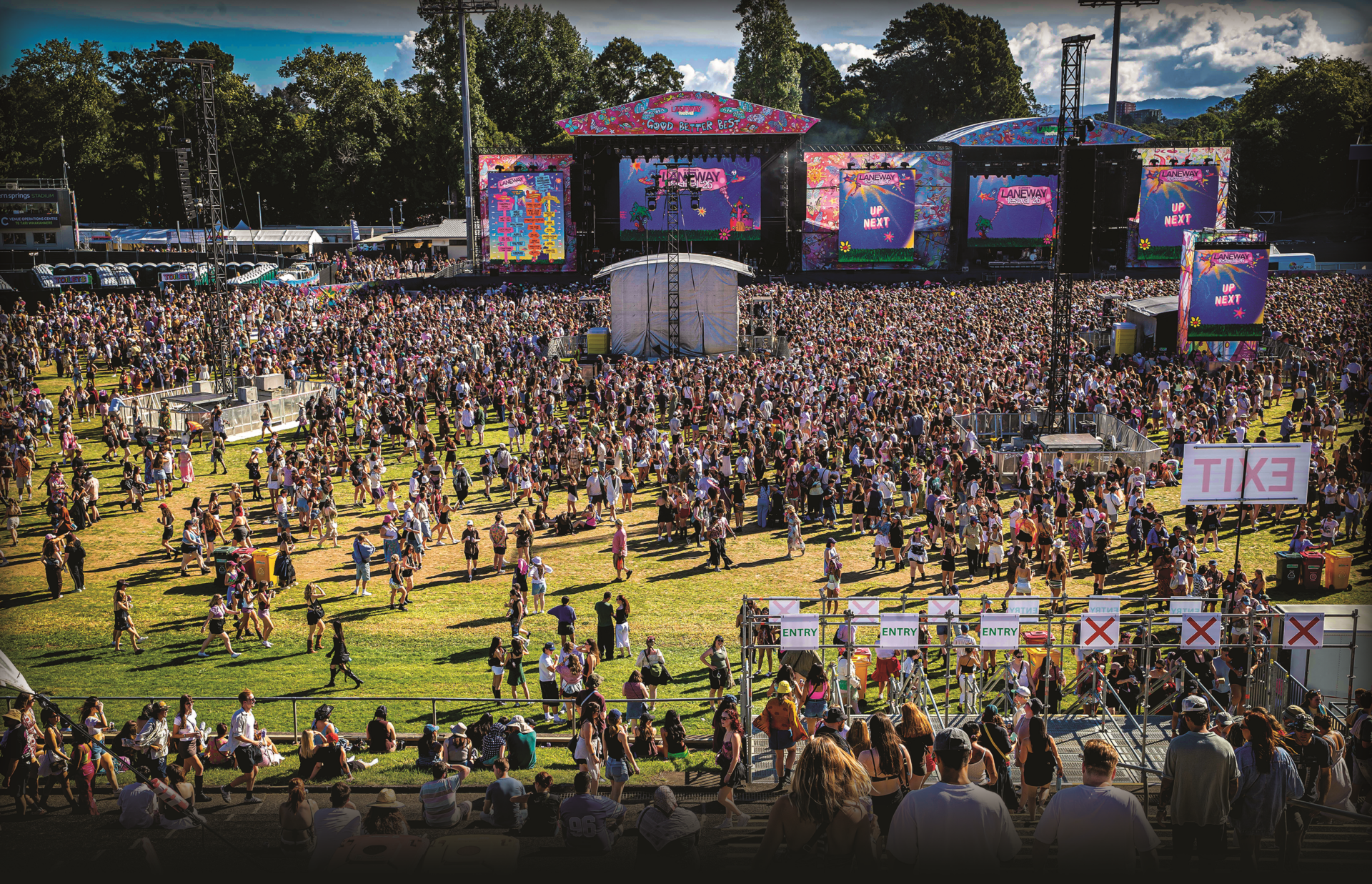
“Go Media Stadium has been hosting the world’s biggest artists for decades, but in recent years we have seen an injection of new festival content,” observes Head of Commercial Scott Couch, citing Afrosoul Festival. “At the Western Springs Bowl, the event calendar has been filled with a mixture of major international acts like Rufus Du Sol, and the Laneway Festival headliners, to local artists in support slots.”
Tātaki Auckland is also the parent company of New Zealand’s largest performing arts organization, Auckland Live. Its director, Daniel Clarke, tells Pollstar that momentum is strong: “[We reached] record audiences over the past year across theatre, concerts, festivals, exhibitions, and public programs. That breadth of demand gives us confidence that audiences are looking for a diverse range of live experiences, not just one type of event.”
Privately, some individuals involved in the city’s live music sector bemoan a lack of government support for the grassroots sector as a hindrance to the development of local talent.
Noting that the city of Christchurch is enjoying a hot scene, one industry veteran believes that’s a major contributing factor behind university applications for Christchurch being the No.1 choice for school leavers, for the first time.
“It’s a concern, but it’s also created opportunities for acts to play shows in both Auckland and Christchurch, which in turn makes it easier to make meaningful offers to agents,” he remarks.
On a more positive note, the government is proving supportive at the top end of the business. It has created a $70m war chest to help tours plan for the financially draining trip across the Tasman Sea. “The fund has helped bridge that gap and secure content that may not otherwise have come to New Zealand,” reports Howse.
The task of booking those touring productions is certainly heating up, and Howse reveals Eden Park is investing millions to redevelop the stadium. “The project includes improved access and event infrastructure, increased flexibility for concerts, and the Coca-Cola Field Club, a permanent field-level hospitality destination beneath the goalposts,” she says.
In recent years, Eden Park has welcomed some of the world’s biggest tours, including Ed Sheeran, Coldplay, P!NK, Billy Joel, Luke Combs, Travis Scott and Metallica – an impressive haul considering that the stadium only made its concert debut in 2021, when local act SIX60 sold 50,000 tickets.
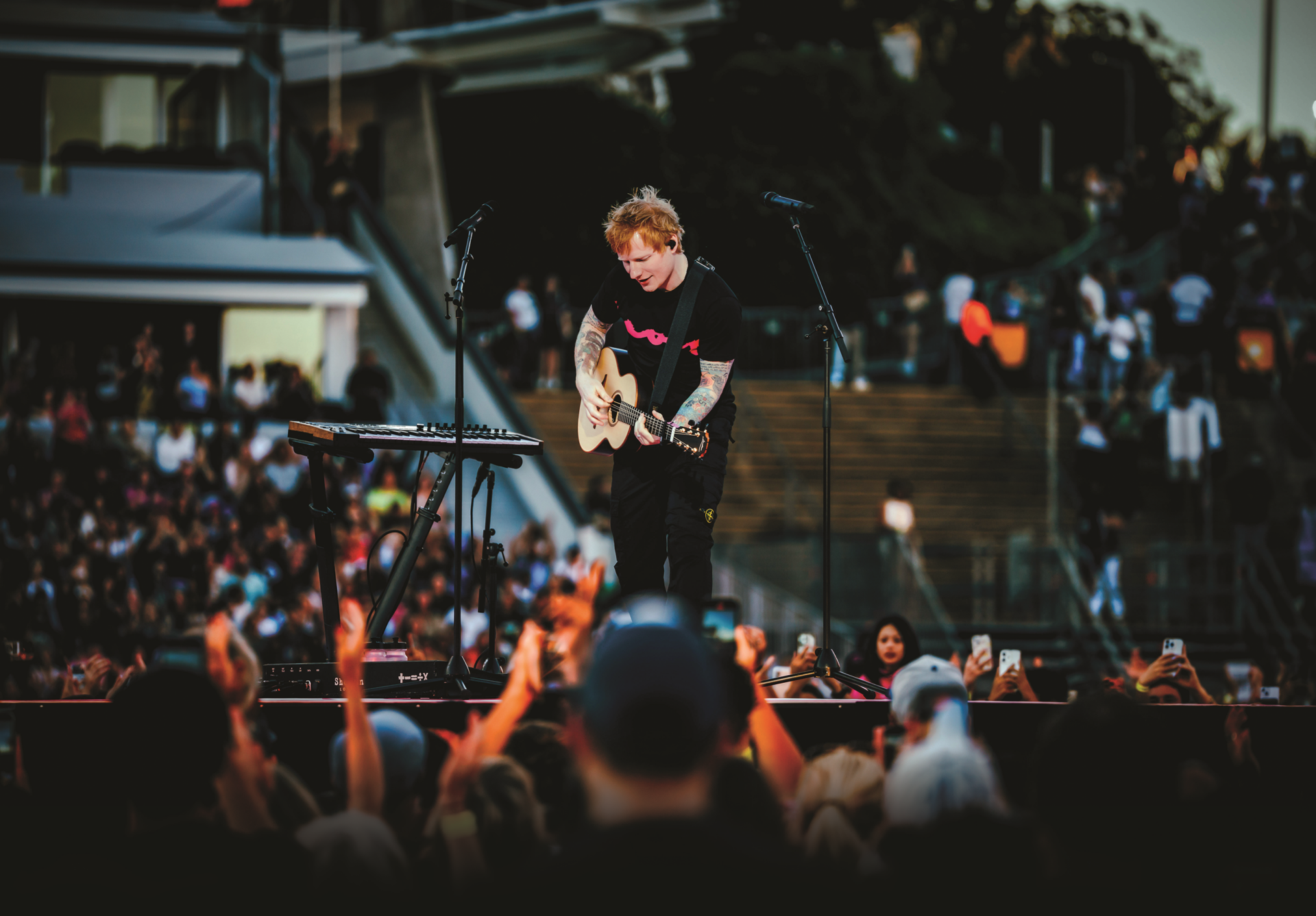
“It was a defining moment for live music in this country and demonstrated that homegrown artists can attract stadium-scale audiences and deliver productions that feel distinctly New Zealand,” says Howse.
CITY OF (ON)SALES
In keeping with Kiwi sensibilities, rivalry between promoters is keen but friendly, with Spark Arena’s most frequent clients reflecting much of the Australasian hierarchy: Live Nation, Mushroom Group, Destroy All Lines, TEG, Eccles Entertainment and Bohm Presents.
“A key trend across New Zealand’s live sector this year has been the exceptional demand and enthusiasm from audiences, with major artists increasingly moving straight to multiple nights and selling out, including Hilary Duff, Iron Maiden, J. Cole and Zara Larsson,” says Spark GM Gosling, noting that K-pop is also growing, with more than 8,000 fans attending IVE’s “SHOW WHAT I AM” show.
“Alongside this demand, there has been a strong focus on elevating the overall fan experience. At Spark Arena, this has included the launch of ICON Suites, the Mezzanine renovation, upgraded food and beverage outlets, a new merchandise counter, backstage improvements, and the Spark Arena app, which brings together ticket access, venue information, exclusive offers and show content,” Gosling adds. “Together, these developments are helping create a more seamless, premium, and connected live experience for every fan.”
It’s also been a busy time for the arena’s sister venue, The Tuning Fork, which in 2014 evolved from a bistro into a 400-capacity space that now presents more than 170 shows per annum. Local stars including Lucy Gray, Where’s Jai, MOHI and Ringlets have performed there this year, alongside international acts such as Teen Jesus and the Jean Teasers, Clara La San, Beoga and Rum Jungle.
“Its intimate setting gives artists the opportunity to connect closely with audiences while offering a distinctive addition to the city’s live entertainment landscape,” states Gosling.
“The venue plays an important role in Tāmaki Makaurau’s music ecosystem, providing emerging artists with a platform to develop their craft, build an audience, and gain valuable experience on stage. It also brings a diverse program of live entertainment to audiences year-round, helping local talent grow and thrive.”
Howse concurs, “The domestic sector is fundamental to the wider live-entertainment ecosystem. New Zealand artists sustain smaller venues, develop audiences, and support the local production, technical, and creative capability that international tours also rely upon.”
And she observes that thoughtful, storied tours work best with Kiwi music fans.
“We consistently see that crowds follow compelling content. When the proposition is right, audiences will travel, purchase hospitality, and make the event part of a wider experience in the city,” she says.
And predicting a bright future for the city, Auckland Live’s Clarke is keen to invite more visitors to the city.
“We’re seeing international productions and New Zealand work thrive alongside each other, creating a vibrant year-round program,” he says.
“Auckland is well-placed to welcome more international touring productions, supported by engaged audiences, world-class venues, and a strong local creative sector.”
FREE
 Daily Pulse
Subscribe
Daily Pulse
Subscribe
 Daily Pulse
Subscribe
Daily Pulse
Subscribe