
Is The Live Biz Still Legit? Tackling The Tough Questions With Reeperbahn Festival Director Detlef Schwarte
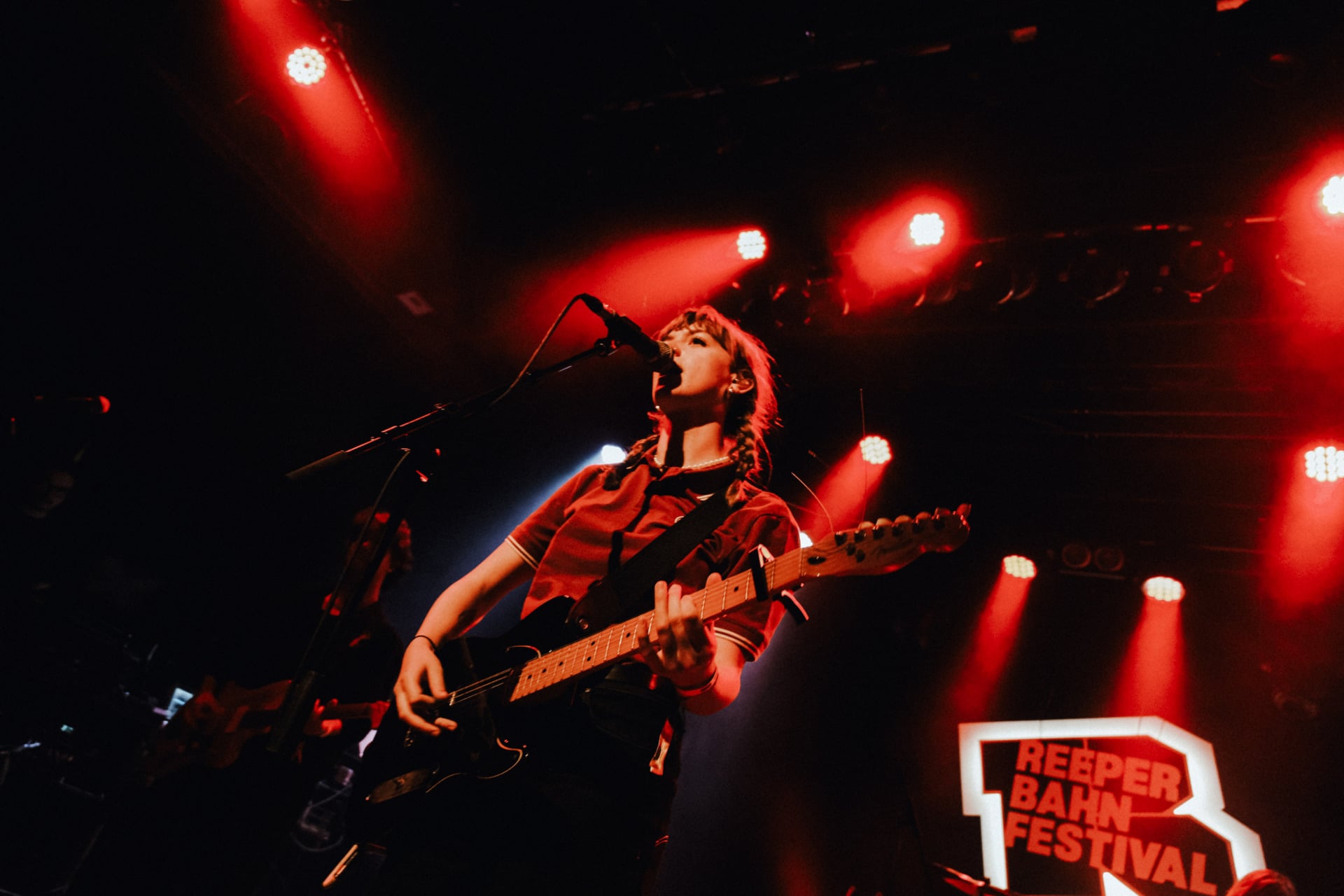
Reeperbahn Festival is one of Europe’s largest talent festivals and music conferences. It returns to Hamburg’s famous red light district, the Reeperbahn, Sept. 16-19, for its 21st edition.
As an urban indoor festival offering a lineup driven by international newcomers rather than headliners, with a day-time conference that caters to all parts of the professional music industry, it essentially caters to two different demographics: festival visitors, of which around 40,000 attend each year, and some 5,000 professional conference delegates.
Pollstar reached out to Reeperbahn Festival director Detlef Schwarte to find out how his team goes about organizing an event that has to essentially reinvent itself each year, as it aims to map an entire industry that constantly, and often rapidly, changes.
“Time doesn’t stand still, especially popular music culture and the economy associated with it, which are in constant flux” Schwarte explains, “on the one hand, we’re trying to create a platform that’s useful for everybody participating in the music industry. On the other hand, we’re promoters ourselves, dealing with the same issues shaping the wider industry, like rising costs, and changes in audience habits.”
The Reeperbahn Festival conference schedule tackles virtually every topic relevant to the music biz in 2026. “Live,” says Schwarte, “is of course an incredibly important part of it. It remains the biggest income stream for both artists as well as music businesses. And that’s why the question of how to preserve the grassroots sector, clubs as well as festivals, is very relevant to the conversation. As is the ongoing consolidation in the biz, which is concentrating economic power in the hands of fewer and fewer companies. All of this raises questions about the health of the live sector and poses challenges,” Schwarte explains, pointing to stats from GEMA’s latest survey of the German market.
According to the German performing rights organization, 267,145 concerts took place across the country in 2025, which is 4.5% more than in 2024, and 1.6% more than in the last year before the COVID lockdowns. The number of concert attendees also reached a new high with approximately 74.5 million attendees counted in 2025, which represents an increase of about 5.3% compared to 2024.
The vast majority of these concerts, more than 240,000 to be specific, are small shows with 500 guests or less. But it’s also the segment where growth is notably stifled: compared to 2024, their number rose by 4.4%, compared to 2019, the increase is only 0.4%. The segment of concerts with 5,000 to 15,000 attendees, on the other hand, recorded a 22.5% increase compared to 2024, and as much as a 32.9% increase compared to the pre-COVID-19 level of 2019.
Stifled Grassroots Growth: GEMA Maps German Music Market
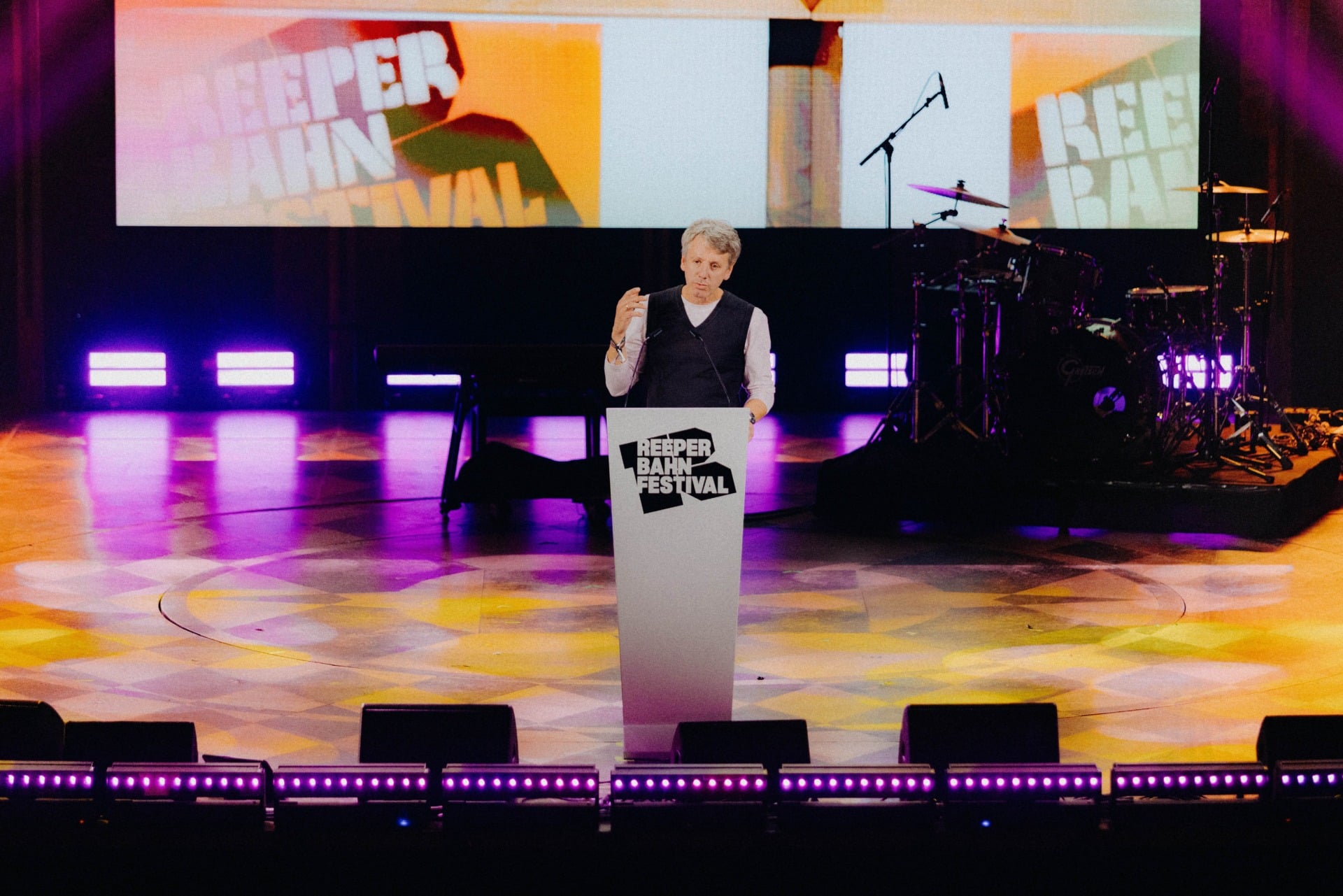
“I believe this trend is ongoing,” says Schwarte, “which means the big players will continue skim off the cream, and take most of the shrinking budget that concertgoers allocate for concerts each year. Most of them will pick one single concert by a mega star residing in a metropolis over 20-odd club shows.”
It’s hard to foresee where this development is headed, but the changing consumer behavior and spending patterns need to be analyzed and addressed, according to Schwarte, which includes telling a different story in order to change the perceptions the younger generations seem to have about a night out at a dingy underground club.
After all, he explains, the larger concerts aren’t just succeeding because they’re headlined by superstars, but also because “they promise a safe environment that is conducive to inviting a large group of friends to come along. It is simply more likely that they’ll return home from those big shows feeling they’ve received a good value for money, which is important for the younger generation, as is the communal experience. When it comes to giving them the feeling they’re in good hands and build trust, the big brands simply have the better business model right now.
“Visiting a club show is adventurous, you need to have that curiosity of wanting to discover something new, and accept the risk of potentially being disappointed. And if the show happens to take place on the Reeperbahn, in Hamburg’s ‘dangerous’ red light district, the challenge to entice the younger generations is even greater. On top of that, you’re competing with everything that’s being offered on screens. The young male audience in particular seems very content with not ever leaving the house if it can be avoided,” Schwarte sums it up.
He says he has “no idea where this will lead to, but it’s one of the reasons we chose ‘Forever Legit?’ as this year’s Reeperbahn Festival slogan. It’s asking the question of how legit and trustworthy the music world is in 2026, especially in the eyes of the younger generations. And what needs to change in order for this business to regain its strength from the grassroots level up.”
According to Schwarte, there is no way around asking government for better forms of funding, and subsidies that are in line with what Germany’s opera houses, museums and cinemas receive on the basis of their cultural relevance. For decades, the rock and pop industries have argued that it makes little sense to separate mainstream genres from what politicians generally consider “serious music.”
Says Schwarte, “is this youth culture, specifically small concerts with 500 people and less inside clubs and other underground venues, important and worthy of preservation? Does it help with an entire generation’s socialization, as well as their democratic participation and expression? If the answer is ‘yes,’ we need to come up with instruments to support and fund this youth culture.”
One session that directly addresses these topics during Reeperbahn Festival 2026 is one led by Dr Kilian Hampel, co-author of the study “Youth in Germany 2026,” who will be discussing the study’s findings in relation to consumer behavior and entertainment. Sessions that tackle artist development in live include “Reaching for the (next) stars” featuring FKP Scorpio CEO Stephan Thanscheidt; or “Wer glaubt zuerst an den Act?” (“Wo believes in the act first?”) with Neuland Concerts CEO Christian Gerlach, D.Live’s executive director of booking, Daniela Stork, and FKP Scorpio touring director Inga Esseling.
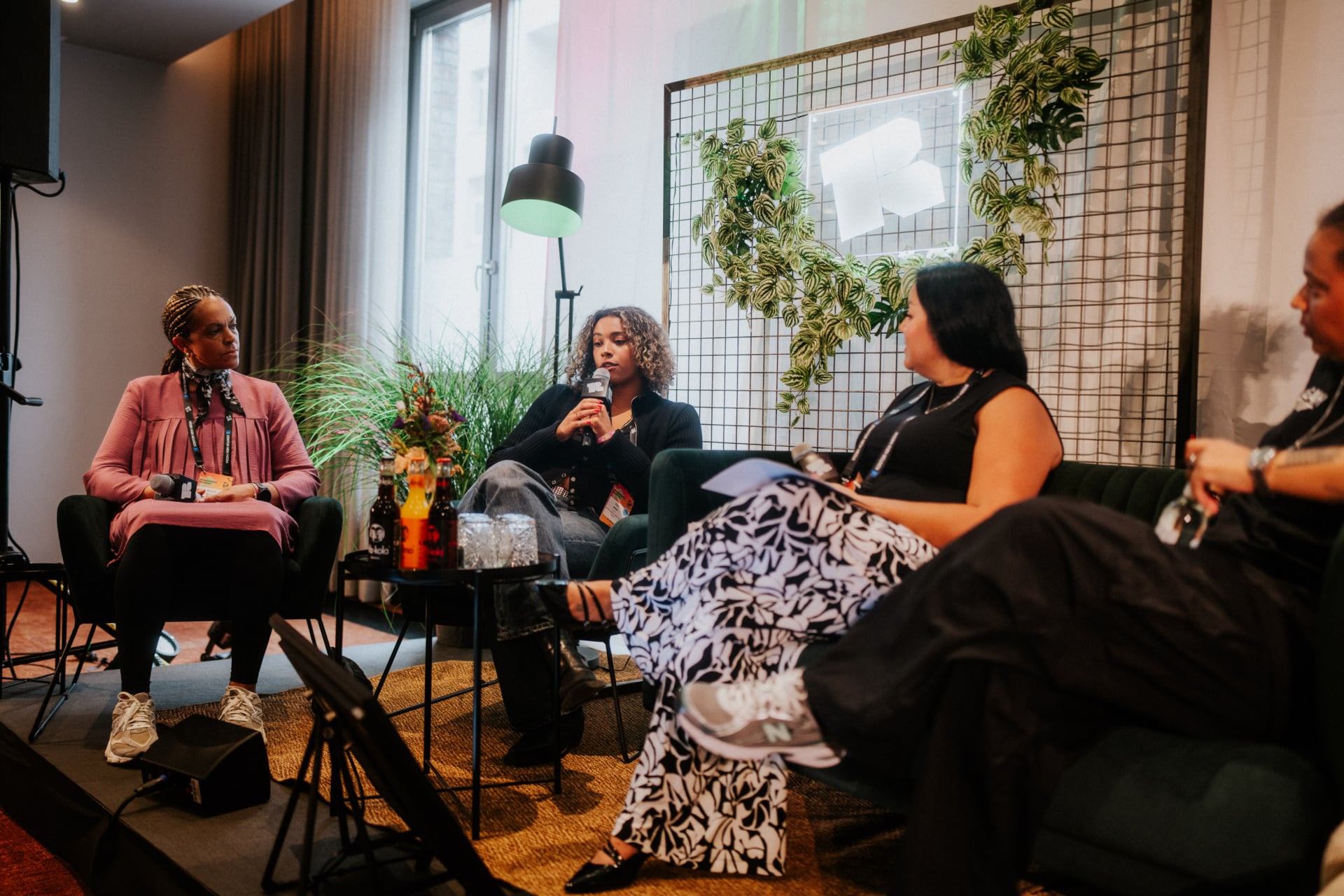
Every aspect of the music biz will be tackled on panels, in talks and during dedicated workshops, including the streaming market in Europe. It’s been almost 20 years since the first streaming services got introduced, yet there’s still a feeling among artists that they’re not getting enough for the number of streams they’re generating, and no guarantee that a successful musician will be able to make a living from streaming. That and more will be discussed by Helen Smith, executive chair at IMPALA, Marc Zisman, chief music officer at Qobuz, and Glenn Micallef, the European commissioner for intergenerational fairness, youth, culture and sport.
Other sessions will ask questions like “are publishers the new labels?,” and tackle dry but important topics like taxation within music. A partner conference, Music Frontiers, is taking place under the RF umbrella for the first time, tackling questions about the future of this biz, especially from a technological standpoint. AI will undoubtedly dominate a lot of those discussions. The program is rounded out by matchmakings offering the chance to meet the industry reps from different countries, as well as mentoring sessions aimed at young professionals seeking advice from their more experienced peers.
A new addition at Reeperbahn Festival going forward will be the Guest Country of Honor, which is more than just a rebrand of the partner country concept found at many msuic conferences. Most of the time, these partnerships are commercial agreements, by which a country’s export office or cultural department pays the festival in order receive a prominent stage for the talent it wants to promote abroad.
The Guest Country of Honor, however, is a non-commercial agreement, whereby Reeperbahn Festival offers all the support it can, but with the mindset of a true host, i.e. for free. The first-ever Guest Country of Honor is Ukraine. Schwarte says his team wanted to show their appreciation for the work Music Ukraine has been doing in promoting the country’s vast musical offering at home and abroad during the trying times the Ukranian population is currently going through. As part of this Julia Boxler (Arte Tracks East), Volodymyr Nedogoda and other Ukrainian artists and cultural practitioners will talk about how war is fundamentally changing the role of music and culture on a session dubbed “Music beyond the stage: when artists take on new roles.”
Says Schwarte, “we’ll work alongside the industry to find a country worthy of this honor each year, one that is working on keeping this music ecosystem we all talk about alive and well.”
Another new addition is “Spotlight On”, which will focus on specific genres and side shows each year, in 2026: heavy, hard rock, electronic music, hip hop and rap. Ticket buyers pay less for a ticket, and are only able to visit shows and talks centered around the “Spotlight On” genres.
It allows Reeperbahn Festival’s organizers to include some of the unofficial third-party events that have always taken place around the festival into the Reeperbahn universe, so they become an actual part of the event. On the one hand, it forces those who want to attend those side shows to buy a ticket, on the other hand it gives those, who don’t need the full festival experience a cheaper option to attend.
Add the various award shows, including the Anchor Award celebrating the most promising emerging artists and exceptional live talent performing at Reeperbahn Festival, and it becomes clear that Schwarte and his team have their work cut out for them.
“We’re no speedboat,” he says, and explains what he means by that: “It’s a pretty big conference, plus, it’s publicly funded, which limits our scope in some regard, compared to a completely privately run event. Finding the right course to honor both our target audiences, as well as what the city expects, while remaining relevant and future proof isn’t easy. We’re a large team, our industry includes everything from small clubs to stadiums, from local independent promoters to Live Nation, from labels run out of little record shops to Universal Music Group – and they all have their own desires and possibilities. Not turning into a niche event that’s only relevant to one of those, but remaining a platform that reflects the incredible diversity of this music ecosystem, and an internationally relevant one at that – that’s the task. And yes, it can be challenging, but it’s also still an exciting industry to work in.”
FREE
 Daily Pulse
Subscribe
Daily Pulse
Subscribe
 Daily Pulse
Subscribe
Daily Pulse
Subscribe