
Athlete’s POV | Skylar Diggins: From South Bend Gyms To The Biggest Stages In Women’s Basketball (Exclusive)
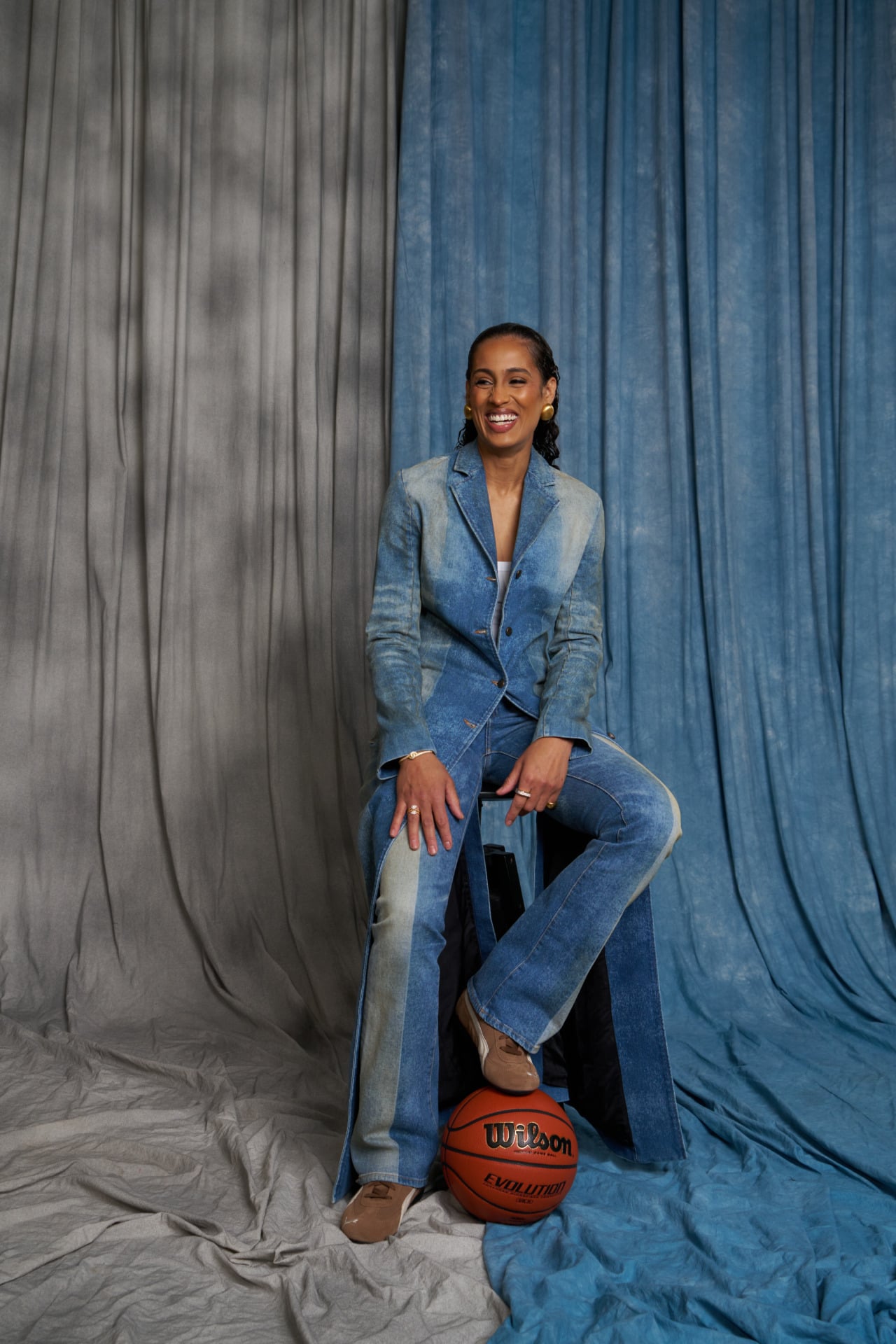
Skylar Diggins has always seen basketball as more than a sport; it’s long been a way of life for her. Diggins was brought up in South Bend, Indiana, where her father was a director at a local recreation center, and she was in the gym from day one, watching the Notre Dame women’s basketball team when she was a child and imagining that one day she would be playing on that very same court. By high school, Skylar was already a well-known player at Washington High School, having been named Indiana Miss Basketball twice, winning Gatorade National Player of the Year in 2009, and being co-MVP of the McDonald’s All-American Game. Skylar Diggins was a legend in the making. Diggins was so good, in fact, that her senior-year state championship game was moved to Lucas Oil Stadium to make room for about 18,000 excited fans to watch her growing legend at work.
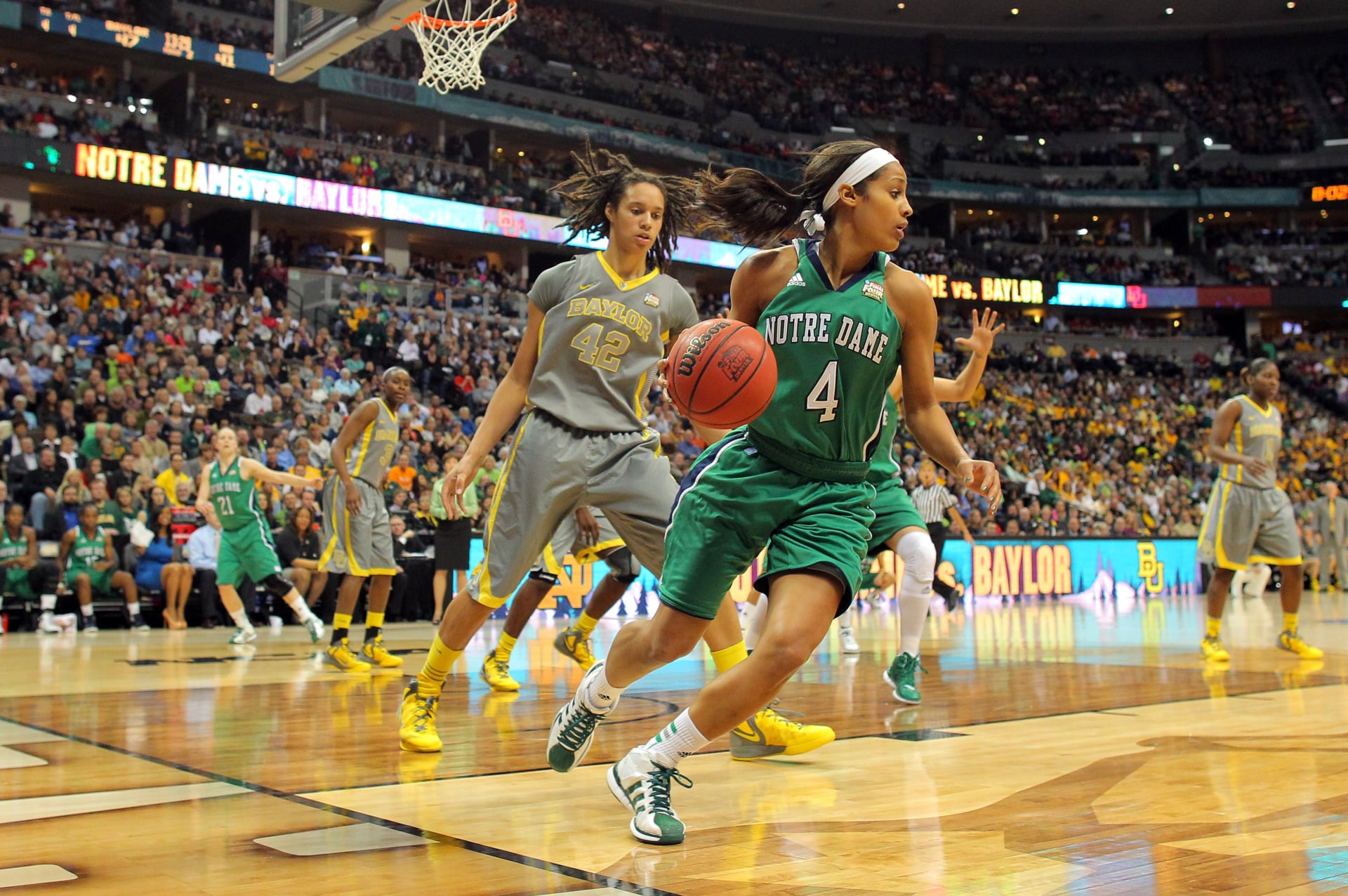
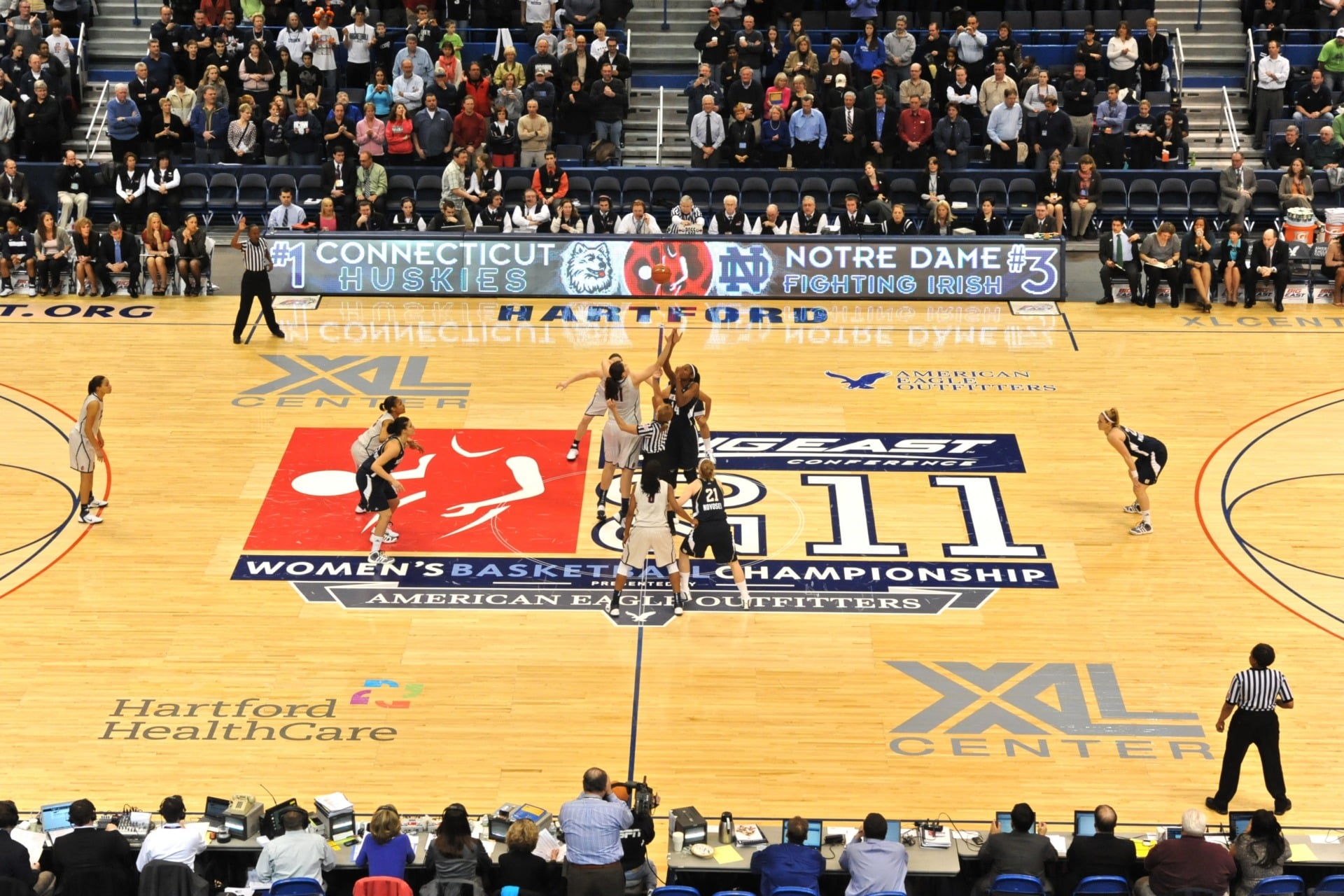
Diggins would soon head to college and where she became the face of Notre Dame women’s basketball between 2009 and 2013. During her four years as a point guard for the Fighting Irish, Diggins earned a number of national awards, including two Big East Player of the Year titles, three selections to the First Team All-Big East, two appearances on the First Team All-American, and two wins of the Nancy Lieberman Award as the top point guard in the country. While she played before packed crowds at the Joyce Center, she also played on the road in some of the most demanding arenas in college basketball, including the PeoplesBank Arena (previously the XL Center) in Connecticut and Louisville’s Yum Center, in front of 15,000 passionate fans.
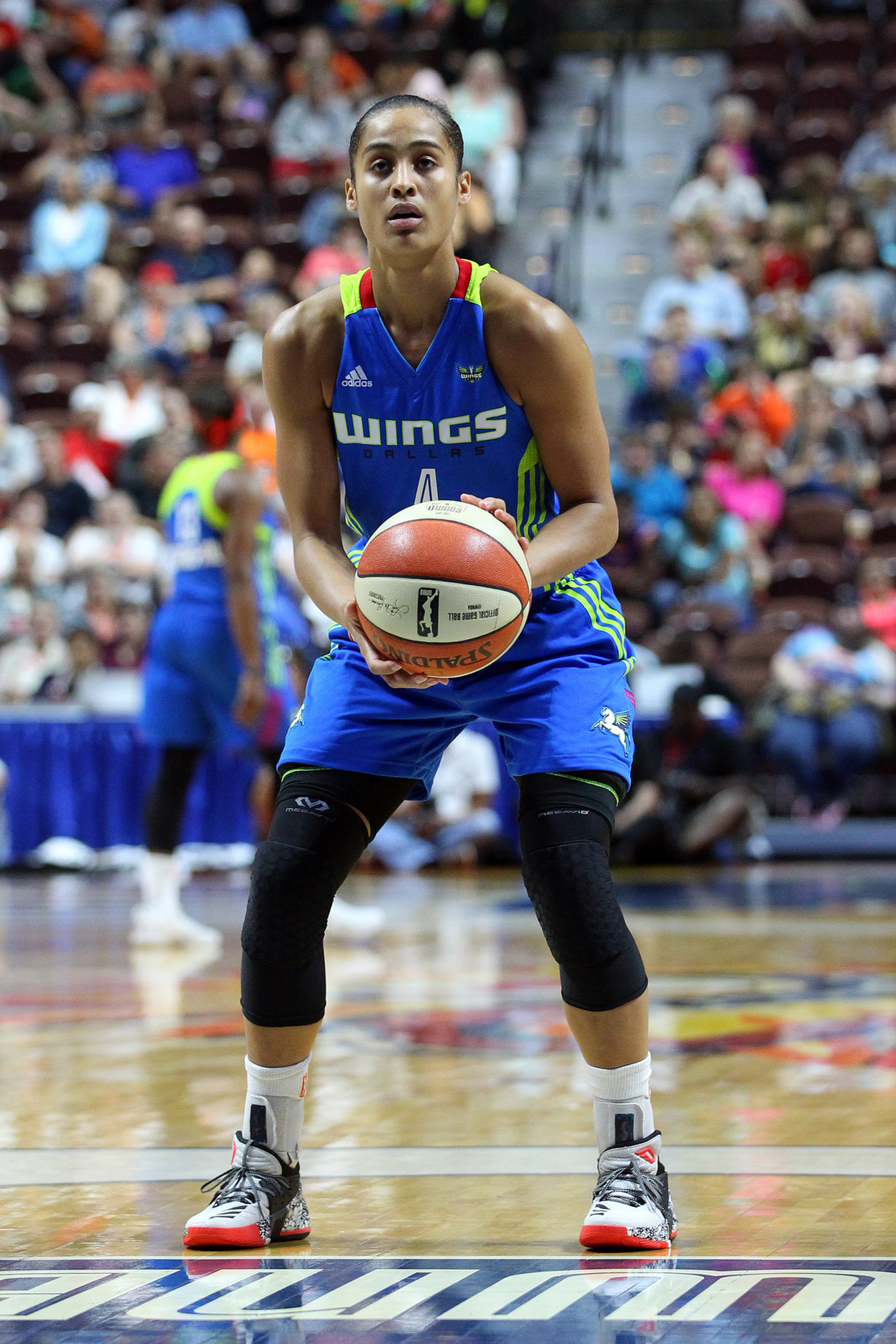
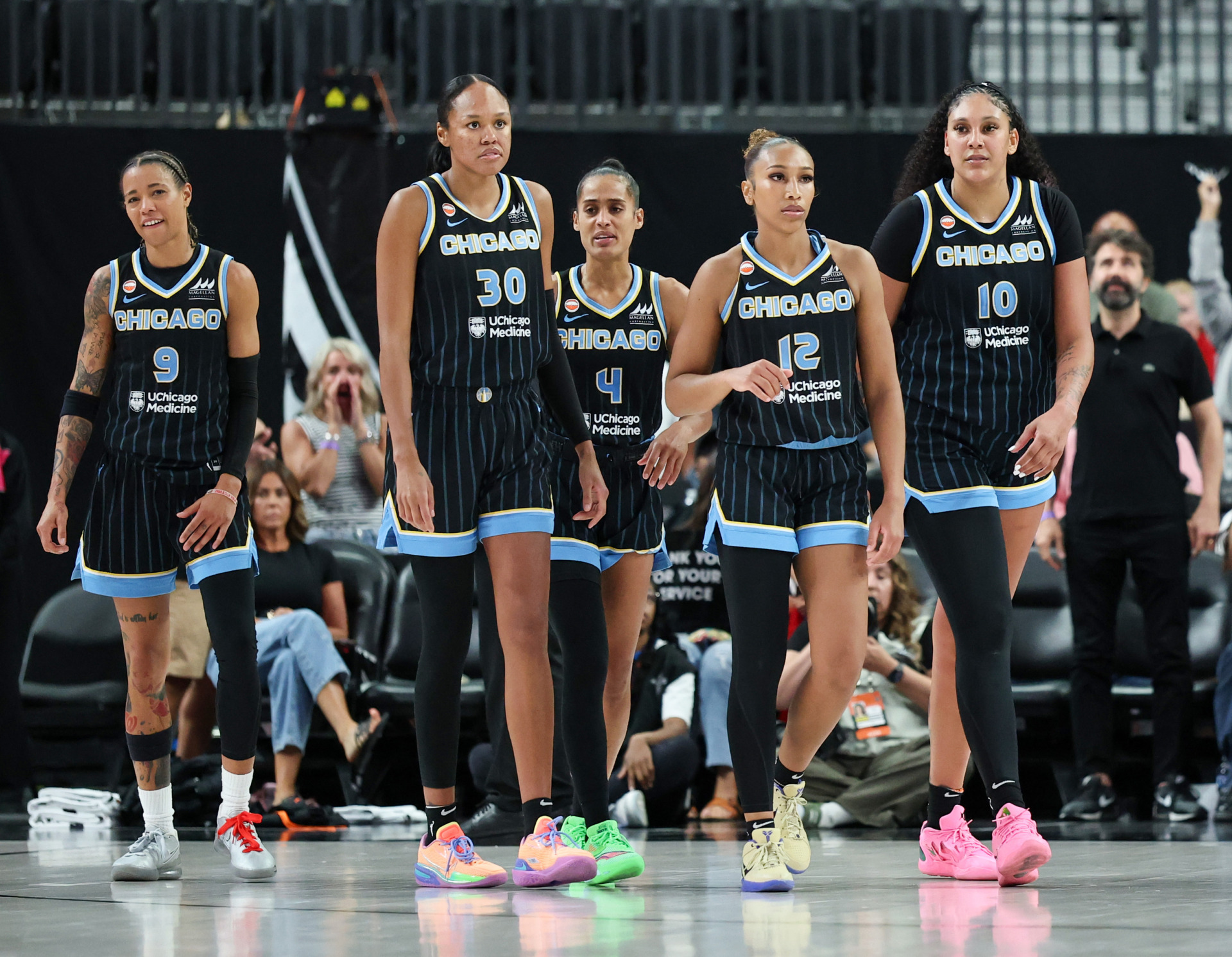
The Tulsa Shock (now the Dallas Wings) selected Skylar Diggins with the third pick in 2013. Since then, Diggins has spent over ten years in the WNBA building up a record that resembles a first ballot Hall of Fame career: she is a seven-time WNBA All-Star, has been chosen four times to the All-WNBA First Team, won the 2014 Most Improved Player award, and has played for the Tulsa Shock/Dallas Wings, the Phoenix Mercury, the Seattle Storm, and is now with the Chicago Sky. During this portion of her career, she has played in front of spectators in almost every type of basketball arena in the country, including sold-out loud crowds from Golden State’s Chase Center to Climate Pledge Arena in Seattle.
Now, officially out for the remainder of the season as she nurses an aggravated right knee injury, Diggins speaks to Pollstar/VenuesNow about the mental preparation required for the sport’s biggest arenas, the way the business of women’s basketball has changed around her, her campaign for better treatment of mothers in the league, and what she hopes the next generation will feel when they first step into an arena in the W.
This interview was originally conducted in August 2026 and has been edited for clarity.
Pollstar First and foremost, how are you feeling?
Skylar Diggins: I’m feeling good. I had to take some time away to deal with my health and my knee, and everything’s been progressing. I’m excited to be doing more every day, and excited for my team, who’s been playing some great basketball lately. I’m still rehabbing, but overall I feel really good. God bless.
Let’s take it back. Notre Dame, star player, taking the nation by storm. Was it always Notre Dame? And what was it like to play at the Joyce Center and become Captain Irish?
Growing up in Indiana, basketball is a way of life. In any other state, it’s a game. I was around it from a super early age. I used to go to Notre Dame games when I was six, seven, eight years old, and I remember that atmosphere. Notre Dame went to the Final Four in ’97 and won it in 2001. You really don’t realize how much we love basketball as Hoosiers until you leave the state. My dad was a director at a recreation center, so I always had access to play, and I noticed it opened a lot of doors.
When it was time to pick a school, I visited Stanford, and Nneka Ogwumike hosted me. I got in. But Notre Dame was a great fit, right around the corner, and I could play in front of family: my mom, my grandmother, my grandfather, my brother, my sister. And in front of people who were like family, who’d supported me in middle school and high school at South Bend Washington. Seeing all those familiar faces in the stands was priceless. Kids think they want to get far away, but staying home was special to me. I had a lot of success on that stage, and to this day it’s still rocking.
Was it jarring going from high school to the Joyce Center? I think it held maybe nine or ten thousand.
When South Bend Washington played Ben Davis in 2009, our state championship game was moved to Lucas Oil Stadium. I went to state all four years, and we had about 18,000 my senior year. In Indiana, crowds of three to five thousand weren’t unusual, and every night you’re in atmospheres with five to 15,000 people. Those are electric, and it always seems like something’s on the line. So the electricity of the fans wasn’t new to me. But playing for your hometown school was a lot of variables and elements. It brought home the essence of why I wanted to play Indiana basketball.
Was there a college arena where you and the team walked in and went, “Yo, what?”
Connecticut, and the XL Center (now known as the PeoplesBank Arena). UConn continues to be a powerhouse. When I was in school they had Maya Moore, Tina Charles, and Renee Montgomery on the same team. Those are the teams I faced in the old Big East, which was the shit. Everybody played in that conference. Georgetown was tough because the fans are right on top of you. At the Yum Center in Louisville, it’s 15,000 people and you think, “Where are you people coming from?” St. John’s gave you that old-school Indiana, in-the-trenches feel. But Storrs stands out. It was the beginning of our real rivalry, when we started winning some games too, so we were not liked at all. The environment was hostile, and you could lose the game in the first five minutes if you came out too tight. A lot of it was them feeding off the environment they’d built.
What did you develop to prepare mentally for those places? Was there a ritual?
I went to college in 2009, before Twitter was as prevalent, so you could literally unplug. And we were in school too, so you compartmentalize. Basketball is the center of your world, but you have other hats. I could go to my mom’s house or my granny’s house and unwind. My freshman year we had no pressure, because nobody expected us to be good. We’d lost in the first round at home the year before. It got harder my sophomore year, when we were playing in championship games and then you go viral on Twitter. But for me it’s the routine and the preparation. How you prepare usually equals how confident you are, and those reps take the thinking out of it, so you’re just playing ball. You didn’t put in all this work to play tight. The pressure we feel as athletes doesn’t really exceed the pressure we put on ourselves. Luckily I had Niele Ivey, one of the best in the industry, and Coach Muffet McGraw, a Hall of Famer. I’d say it was a combination of being at home with my family, being able to go straight to my mom, being really well coached, and having other outlets, like hanging with my real best friends, where it wasn’t all about performing.
From your Hall of Fame-and-a-half career at Notre Dame, you go first round to Tulsa. How was the transition to the W, when y’all were building on what previous generations did and laying the foundation for what we see now? Was there pressure?
There are always great players at the collegiate level, and the W just has a lot more of them. In college anybody can come off the bench and get 20, but the W runs more actions and everybody’s good. When I came in it was fewer teams, fewer games, every game counting. It was East versus West, and only four teams from each side got in. It wasn’t the best eight records. In the West, Minnesota was getting in every time, with Maya, Whalen, Brunson, and Sylvia. Diana and BG were getting in. Candace and Nneka were getting in. So there was one spot left, and we, San Antonio, and Seattle would fight for it. The W was so hard.
It was also being rebranded when BG, Elena, and I came in, so we were moving into a league in transition. I stand on the shoulders of all the vets and OGs who did the work before people looked at the W as more than trendy or temporary, before we saw long-term investment. People always had the tunnel fits on, but who was there to tell those stories? Back then we weren’t seen as important to popular culture. Now they see us for our trends, slang, fashion, and music. The Mecca of pop culture is basketball.
Our CBA wasn’t really any different from the NBA’s, as far as recognizing us as women. In Tulsa we didn’t have a weight room. We worked out at a Life Time Fitness and still made the playoffs twice. People were balling with no resources, playing overseas every offseason, basketball year-round. You pay homage to the ones before you, and you try to do your part to lift the league up. I’m proud to have been part of the W as a rookie, because it was a very influential period for its sustainability. Now it’s in great hands. As I gear toward the end of my career, I see real ballers, but also the game expanding its range and reach. With the new CBA, you don’t have to play overseas, and I can see people playing 20-some years and not being an outlier. Now I’m Titi and Big Mama and Auntie, but I remember how pure the essence of basketball was when I came in, and most of the women I competed against are Hall of Famers.
From Tulsa to Dallas, Phoenix, Seattle, and now Chicago, your game has evolved with the times and outpaced some of your peers. How do arena atmospheres differ from building to building, and which one surprised you most?
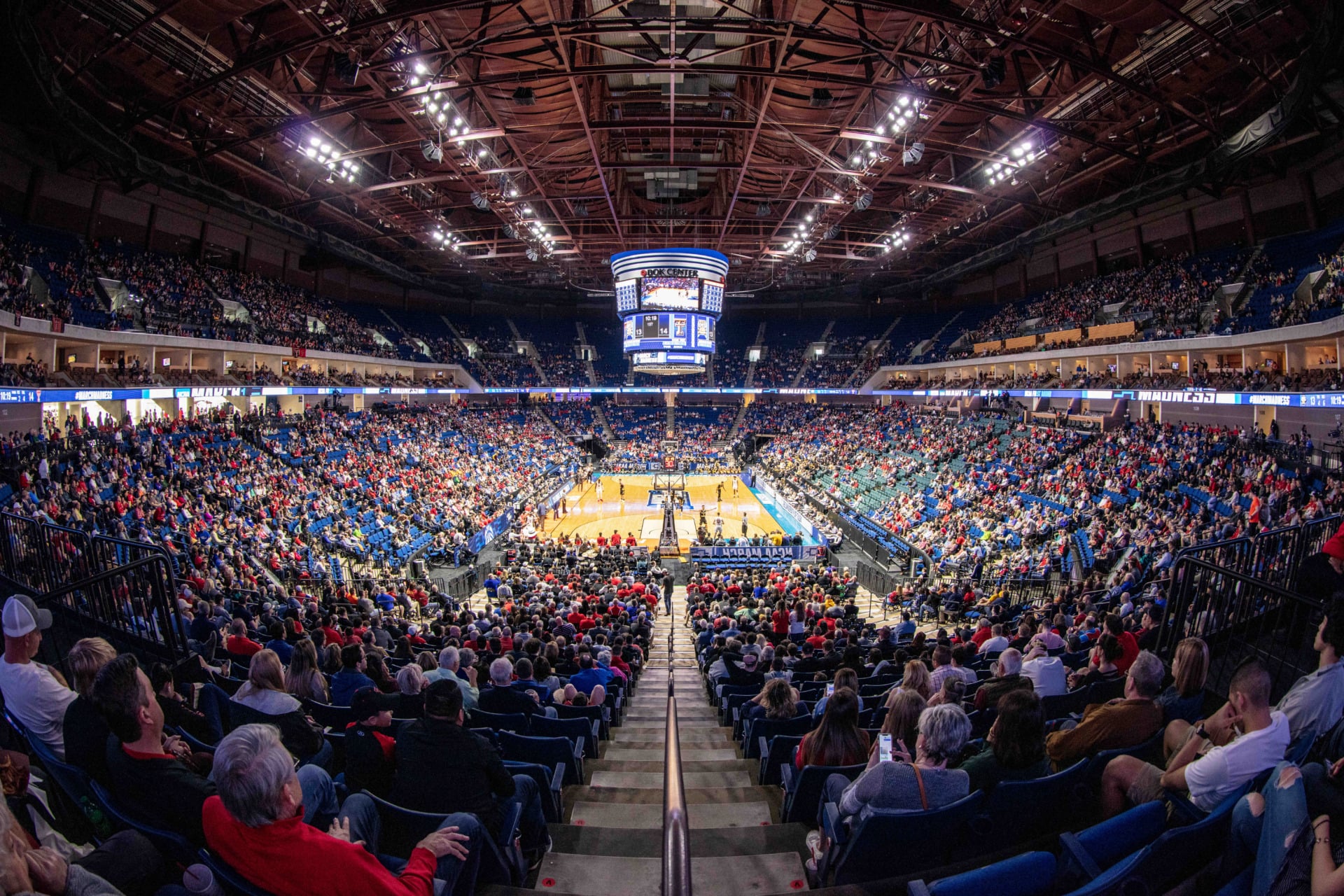
In Tulsa, at the BOK Center, we were the hottest ticket in town. I’d never been to Oklahoma, but they were really passionate fans. Then the team was sold to Dallas, so I was on an expansion team trying to bring new fans to Arlington. People come to Arlington for the Cowboys, so it was harder to get them to UTA. But I love Dallas. It’s a sports town, and the fans embraced us. UTA felt like college, like a bowl with fans right on top of you. It only holds about 5,000, but it’s enough to fill the place and get loud.
Phoenix was amazing. I played in the bubble for Phoenix one year, and in 2021, the Olympic year, Brittney, Diana, and I went to the championship, which was insane. Their fans have been showing up since 1997, a consistent, steady base. They knew their basketball, knew their history, and honored it. A woman there still has season tickets from when I first got in the league. Seattle was crazy too, because it’s the Pacific Northwest and I’d never spent time there. Both franchises had championships, original W history, and the same star for 20 years. You recognize the same fans every year. They engage with their fans, they know basketball, and it’s the hardest to win in places like that, and in Minnesota and Las Vegas.
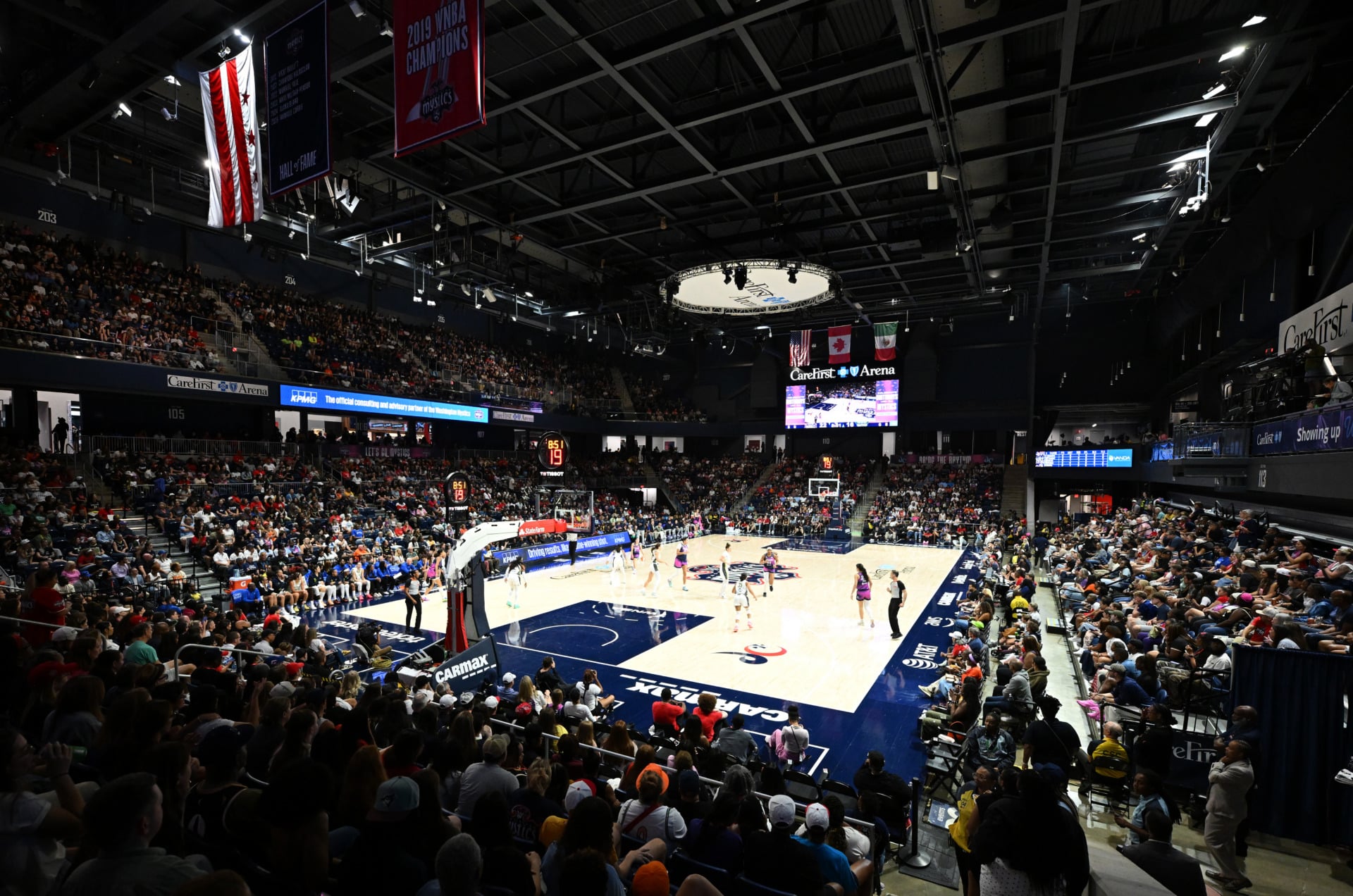
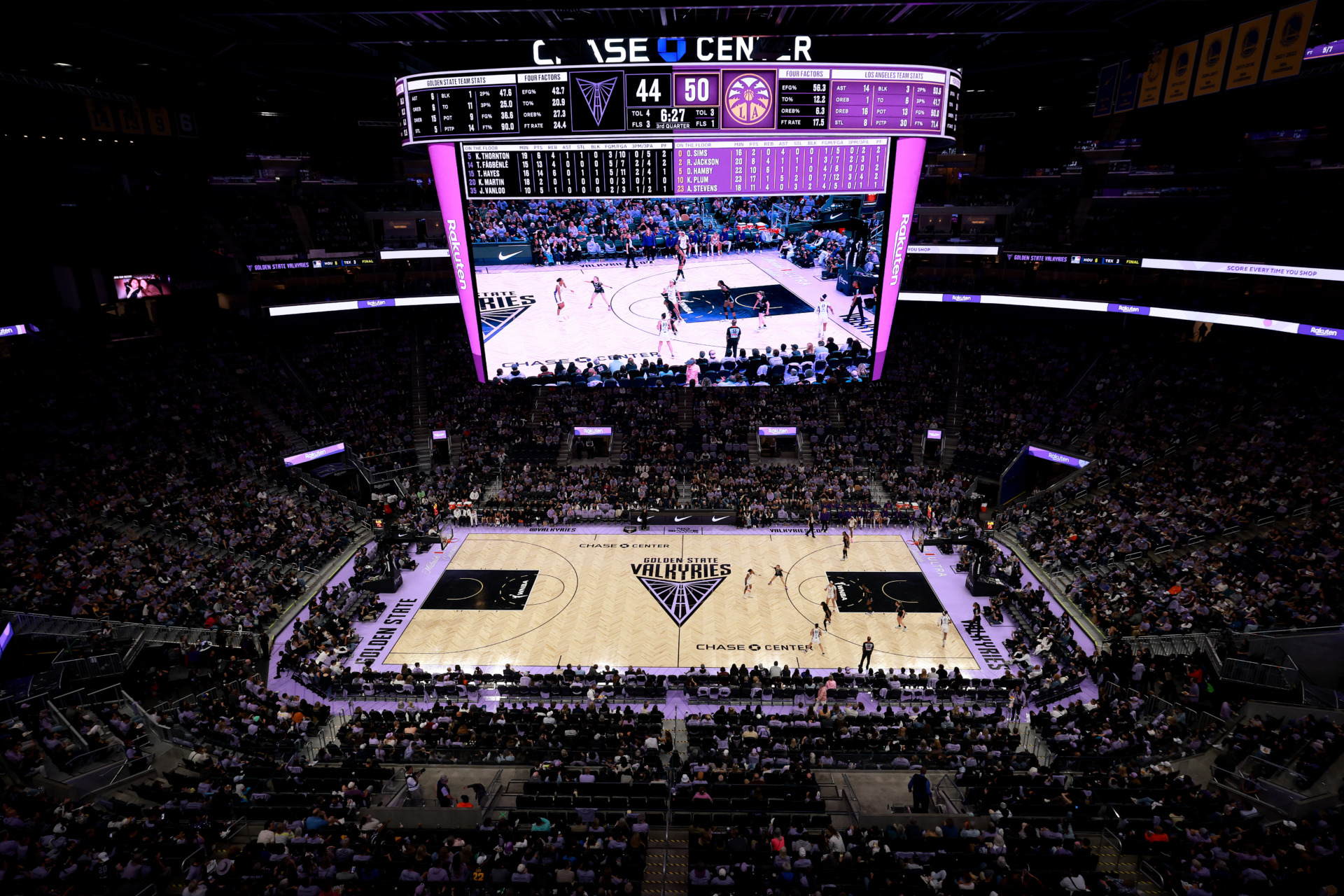
The one that shocked me most recently was the Valkyries. You can’t hear anything, they’re so loud, and that’s an expansion team. Our first game this year was in Portland with 20,000 people, then Golden State with 18,000. When I first got in the league, only a few places were like that consistently. Madison Square Garden and the Prudential Center were hard to fill. Now Barclays is cracking. We had a Tuesday-night game last night, cracking. With the themes, the matchups, the TV games, you can have that experience every night.
How has the business side changed most dramatically since you entered the league? The traveling, the scheduling, the production value?
The CBA raised the ceiling and raised the floor. Charter flights were a huge difference. When I came in, we had roommates at hotels and sometimes different hotels. Now you get top-of-the-line accommodations, which is very important to recovery given how much time we spend on our feet. When I entered, it was 32 games. This year it’s 44, and next year 50. Then there are salaries, revenue share, TV deals, league and team marketing, and the brand partnerships and investors that are possible now. And facilities: every team is getting a practice facility, and ours will be done in November. Beyond that, it’s accessibility to fans and understanding how important that is.
Speaking of important change…You’ve personally helped make the W better. You fought for equity, and if I’m not mistaken, for proper treatment of pregnant players. As a man looking in, I’d think a women’s league would be built with women in mind. How did that fight come about?
That was definitely my mentality. Coming into the league, you’re young and you’re trying to learn what a CBA is and why they’re putting so much emphasis on it. All the OGs used to say, “This CBA is not for us, it’s for y’all. It’s the next four, five years,” stressing the importance of getting more involved. I really wasn’t that involved and didn’t know what I didn’t know. You experience the W’s things that we need to improve on, that’s obvious. But from the lens of being a childbearing person, my mindset wasn’t there until I started thinking about it. It concerned me. I got married and thought about the next phase, and I inquired. Our rules were our rules, and you learn that. Then it was like, “Okay, I’m going to keep it to myself. I’m not going to share this with anybody. It’s under wraps.” I knew women in the past who only got half their money. It wasn’t really built for childbearing people.
You think about a league that probably doesn’t want to feel like it’s promoting that, and it affects the league if players are childbearing people. These are assumptions you can only make because of the lack of structure, the lack of what the CBA was missing in terms of family planning, how maternity leave worked, not getting traded when you’re pregnant, clauses about how you’re handled, and being guaranteed pay. I had a few different situations from my experiences when I had children, in Dallas and Phoenix, different situations with both, but both before the CBA that we have now. Now we have family planning opportunities, like freezing your eggs, and clauses about how you can be handled as far as trades and guaranteed money, which I’m really proud of.
I was just so happy to live a lot of lives in this league. God willing, I grew up in this league. I’ve been single in this league. I’ve been married. I’ve had kids. I’ve been divorced in this league, hell. I lived a lot of lives in this W. To see what it is now, and to have some type of imprint on that, is really important to me, as much as whatever basketball legacy or footprint I leave behind. It’s about trying to impact the league and make it better than what we found it, regardless of whether you get the credit. People don’t have to tell me I’m cool for me to know I’m cool. I tell my kids all the time, “Mommy is really cool, actually.” I see how this league is growing, and knowing you have a small part in it is a responsibility I put on myself. It’s something I’m really proud of, and I’m very secure in knowing what I’ve done in this league, for this league, and hopefully continue to do for it in the future.
Does the routine change when you’re trying to become a mother while also playing these high-intensity games? Again, I’m a man, so I don’t know anything about this, but I asked the question, and I say that proudly. The W has grown so much, and there are hella superstars in there, and I know y’all have aspirations outside the league as well. But on top of being the best in the business, you’ve got to be super mom. And the process of trying for a child is so beautiful, but it’s also super unique. So does the routine, preparing to play in these stadiums or preparing to play, period, change when you’re trying and when you’re pregnant?
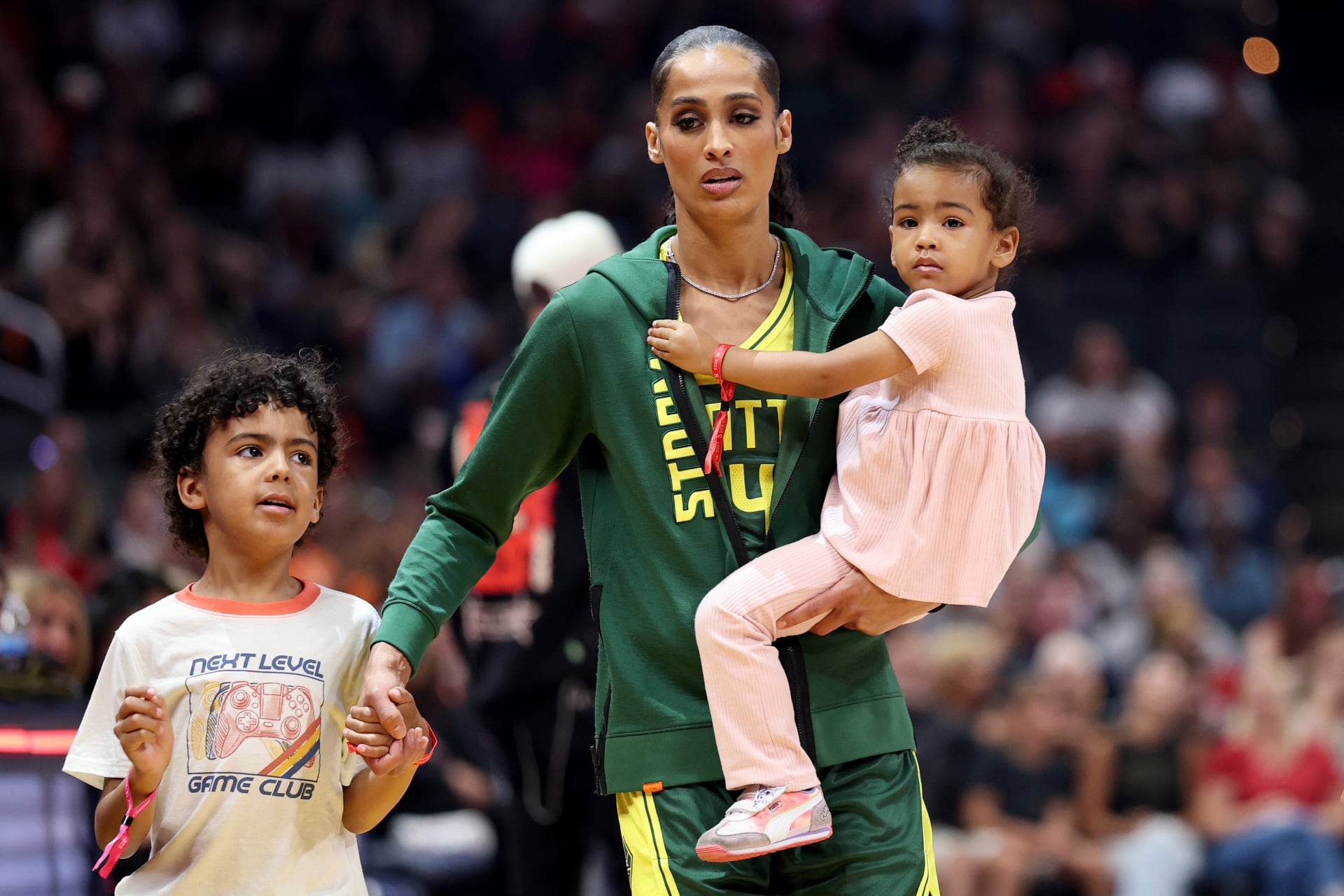
During my process, it was something to think about. Now we have resources in place. We have nanny rooms now. We did not before. We have children’s rooms, not just in the W but also at Unrivaled, which I’ll say was the league where I first saw that, the nanny room. If I had practice, and especially during that time, I’m a single woman with two kids, sometimes I had to bring them. To have a nanny room and a place to drop them off, knowing they were good, with licensed professionals, background checks, college-educated nannies around my kids who could help me when I needed help, was big. We’re starting to see the same all around the league. Here in Chicago, we’ll have kids in our family room too, and that’s fine.
It’s way different compared to my days in Dallas, where I had to put my breast milk in the general fridge, with the Gatorades. I didn’t have a place to go and pump. I had to leave the gym because I needed to pump, or bring my baby to the workout. It’s so different now. Having those resources for mothers is very encouraging to see, and at the end of the day it helps us focus, and we don’t feel like we have to choose. I talk about it a lot on my podcast, and I’ve talked to so many dope moms who didn’t have to pick between their kids and their career. That’s what it’s about: understanding that we can start these families and still be bad-ass athletes and role models, still have that impact and that passion through our sport, and still be emotionally nurturing, present moms as well. Hopefully people see that when they see me.
I bring my kids to every game, and they travel on the road with me on every road trip, even a four-game, ten-day road trip. They come with me from city to city. I’m blessed to still be in the league so they still get to see me play, because that was really important to me. Some of the young players see it and say, “Hell no.” Sometimes it’s birth control for the younger players when they see me with the kids. I’m like, “Yeah, you need to wait a little bit longer.” Then sometimes people are just fascinated, because I don’t show my kids on social media. My teammates and I have a lot of respect for each other. After tough games, they’ll see me carrying my babies on the plane. We see each other as human beings wearing different hats. Being able to involve my kids in every aspect of it without any side eyes, with that just being the expectation, feels really good.
I don’t want to harp on it too long and make it feel like such a foreign thing. But I mean, most of the leagues I grew up watching were predominantly men’s. I’ve always found it interesting. I always ask too many questions, but I guess I’m in the right field. I would always ask how different it is for you guys, because y’all go through things I will never know what it feels like, like playing on your period. My sister used to joke that she gets period strength. So whenever I’m watching the W, I’ll be like, “Bro, somebody out there right now is probably cramping, and they probably [channeled that] and swatted that ball to hell.”
Mannnnnn listen (laughs) [a period] ain’t stopping nothing but a sin. I’ve always been enamored by the game, and seeing it so close, people have businesses, children, families, people they take care of. Everybody’s college educated. People have multiple streams of income they attend to, people are getting whole PhDs and then going and dropping 30 points, like Kelsey Mitchell. These are amazing women. People just see a piece, and the people who like to disparage that usually like to disparage women in general. I’ve been around these arenas and I see how people love these athletes, love the game, love women’s basketball, and pour into our league. I think the talent really speaks for itself, to see how multifaceted the women in the league are. It’s always had me in shock and awe, and it definitely inspired me to dream a little bit bigger for myself, shit, to be honest.
It’s always been that iron-sharpens-iron mentality. I’ve always been inspired by the women of the W and how we fight for things we believe in, how we fight against social injustices. We’ve always stood on a unified front. We’ve always stood on business, on treating people as humans, and when something’s wrong, we’re not scared to say it’s wrong. That really inspired me. Going from arena to arena, playing in these environments now, I’m so grateful. You’d sometimes still see fans, but it wouldn’t be as many. Now to see it as prominent as it is is something I’m proud of, and I’m trying to hold on as long as I can so I can keep playing in these environments (laughs).
Please do, so I can see you play live, girl!
Amen! (laughs) I appreciate people like you highlighting these amazing stories, because it’s electric, and I really do think it raises the level of basketball that you see. That’s why you see so many close matchups and so much parity in our league. It’s the environments these organizations are creating for themselves, but it starts with the talent on the floor, and the product just continues to get better and better.
Does it ever make you emotional? Do you just sit there and think about it and go, “I might shed a thug tear, I ain’t gonna lie”?
For sure, especially when you reflect on it. In the moment, you’re at work. I know it’s deeper than that, but sometimes you have to stay there mentally, because if you get too far outside of those emotions, it might conjure something you want to hold off on for a second. But sometimes it is worth having a seat and looking around, especially for somebody like me who’s been out for games and doesn’t have five or six years left. I’m playing another year or so, and you don’t want to miss out on those opportunities. It gives you different vantage points to see, “Wow, this is amazing,” just being here, hearing the fans, seeing how intense and invested everybody is. It’s a lot of fun, my kids enjoy it, and I get to connect with the city and the people and enjoy some great atmospheres.
My vantage point is different now, being out. I get to step back and see, “Oh damn, it’s cracking in here tonight, on a Tuesday, for real.” But that’s how it is every night now, so it doesn’t surprise me anymore. Still, there’s that feeling at the end when the buzzer goes off and you take a deep breath. Regardless of whether you think “damn, we should have won” or “damn, I wish I could have played better,” you also have the thought, “That was a fun-ass game to play in. That was a crazy environment to play in.” Those are the memories that stay with you.
Did you say you only have one or two years left?
I don’t really see myself playing a long time. We just have to see how the cookie crumbles. If they keep going up on the pay, Big Mama might have to stretch it out (laughs). But if it all ended today, I wouldn’t have any regrets. As long as I continue to enjoy it, I’m going to play my whole life, just like I did when I was six and seven and going to the Notre Dame games. I’m always going to play the game. It’s embedded in my DNA. I’ll be around it in some capacity where I’m still able to have an impact on the game. But right now I’m just enjoying where I’m at. I’m trying to get back to a hundred percent so I can get back out there and play in some of these environments we’re talking about.
What do you want a young boy or girl walking into their first game to feel in one of these iconic venues?
That it could be you one day. As a kid I went to games trying to find something I could take away, a move on offense or defense, and I’d envision myself out there. Accessibility mattered: having a good university down the road, growing up in Hoosier mania. Shout out to my mom for exposing me to that and making sure I had positive role models who looked like me. Don’t think it’s unrealistic. The difference is putting in work. Even if you don’t want to play, any W fan can go and have a great time. Bring somebody who’s never been. And you have to watch basketball, regardless of gender.
If you could redesign one thing about how fans experience a live WNBA game, from arrival to the final buzzer, what would it be?
That’s a good question. I never thought about it like that. Maybe more angles. Is that vanity? Camera angles. Remember the NBA All-Star games, where we used to watch from the floor? I like those unique angles. I know players sometimes aren’t really into in-game interviews and stuff like that. It could depend on how your team is doing, how the coach feels, those things. But I love the angles and the insights. I hate being mic’d up, because you probably can’t use half my stuff. I’m going to be beat-boxing the whole time. But I think fans just want to see behind the scenes. Fans love BTS, though if you’re the subject, it can feel very zoo-like, like “look at the animal, she walks across.” You can feel surveilled all the time. But fans love the BTS of it all.
I like when the arena team sells out on the board, when it looks good, like “you did a good job on that game.” I just think the more BTS access, the better. They do all those things already, and shout out to all the social and marketing teams, because it’s not easy right now, with how strange social media can be. It gives everybody a voice, and everybody has a voice. So it’s a responsibility, and we should be responsible with how we use social media, especially the fans and everybody supporting the game. So I guess just more angles, more BTS. That’s what people probably want to see. It’s fun to watch when I’m watching other leagues.
Is there anything from the old W you’d bring back?
I’m sure there is. I don’t know if I can think that far. I think just the essence of the game. It was ruthless. Nobody played cool. Now everything is so dissected, every single one of your movements, and that’s just what we are on social media: views, shares. Sometimes I miss that purity of basketball that we had. If you’re older, you go, “Oh, the nineties, back in my day.” But I just think about the purity of it all. It couldn’t be as dissected, so you were able to be more low-key with it. The storylines came from the basketball, not from polarizing or politicizing other things. It was the essence and the purity of the game. So a little more of that, and a little less of the other bullshit we do sometimes now in how we use certain things. And we gatekept a little better with certain things, I’ll say that. The OGs stood on business so hard, and I’m just making sure we maintain that, because that was the foundation we were built on.
Final question for you. I don’t know if you even have one, but what is your routine playlist when you’re traveling on the road? Drop a bucket on shorty. What are we playing? Has the playlist evolved throughout your career?
Oh my God, yes (laughs). When I first got in the league, it was hype early-2000s and 2010s rap: Lil Wayne, Ludacris, DMX, Jay-Z, Kanye, Missy Elliott, Jeezy, Gucci. Now it’s straight R&B: Leon Thomas, SZA, Alex Isley, Ari Lennox. It’s more mellow now, because I get all the loud stuff anyway. I’m not the first choice for the aux, so I hear the same 20 songs every day. Closer to game time you climax with the music, but sometimes you have to slow your mind down. I’m high-strung sometimes, so I balance it with a little yin and yang, some D’Angelo.
Anything else you’d like to say?
Thank you for giving me this platform. It’s awesome to see this, to talk about the state of the W and how proud I am to be here now. I hope we continue to highlight all the great women and people in our league, and all the supporters. When we go into these arenas, we don’t take it for granted. One day it could stop, so I don’t take any moment for granted. Thank you to all the supporters who’ve been supporting my personal career and who continue to invest and pour into the W. We definitely appreciate that. It makes these environments so special and helps us create so many memories.
FREE
 Daily Pulse
Subscribe
Daily Pulse
Subscribe
 Daily Pulse
Subscribe
Daily Pulse
Subscribe