
A Zombie’s Odyssey: The Legendary Colin Blunstone On His Solo Tour, Bus Mishaps, Zombie Fest, More (Q&A)
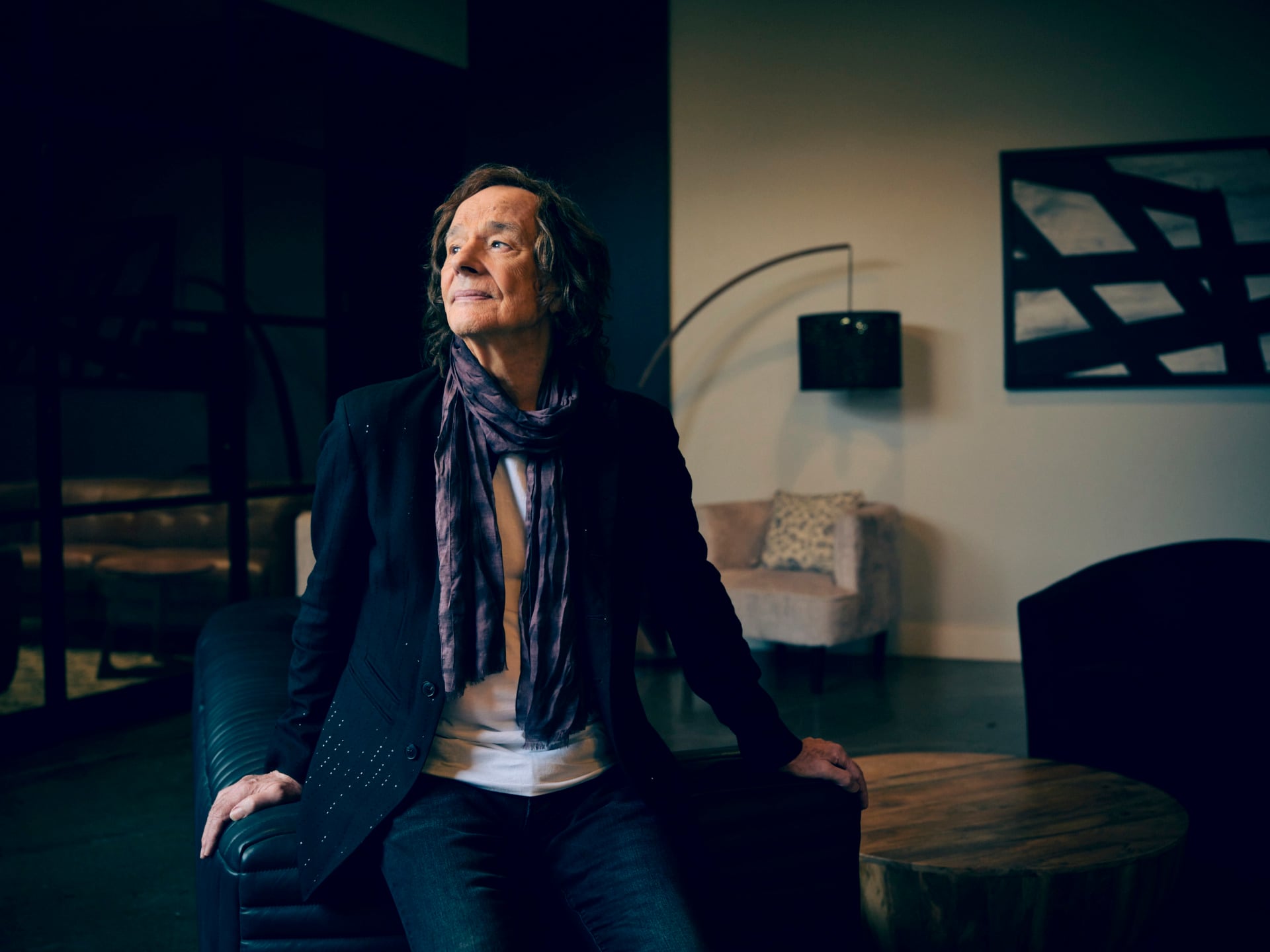
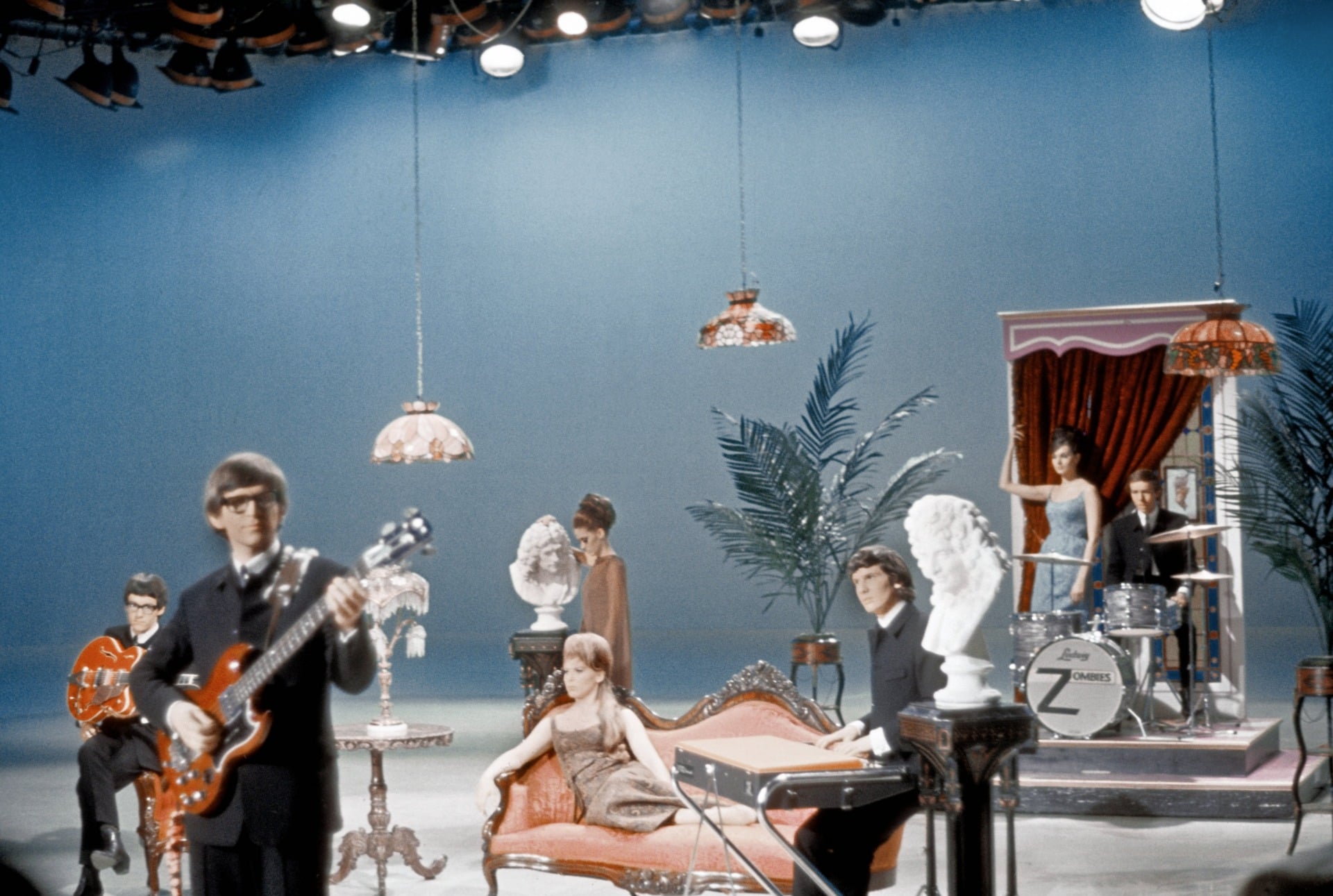
Colin Blunstone is rock and roll royalty. His honeyed, mellifluous voice is best known for the songs he did with Rock and Roll Hall of Fame inductees The Zombies. This includes such touchstone classics as “Time Of The Season,” “She’s Not There,” “Tell Her No,” “Care of Cell ’44,” “This Will Be Our Year,” “The Way I Feel Inside,” “A Rose For Emily” and others. His solo catalog, too, is filled with shoulda-been coulda-been hits like “Say You Don’t Mind,” “Caroline Goodbye,” “I Don’t Believe In Miracles” and “Let Me Come Closer. “
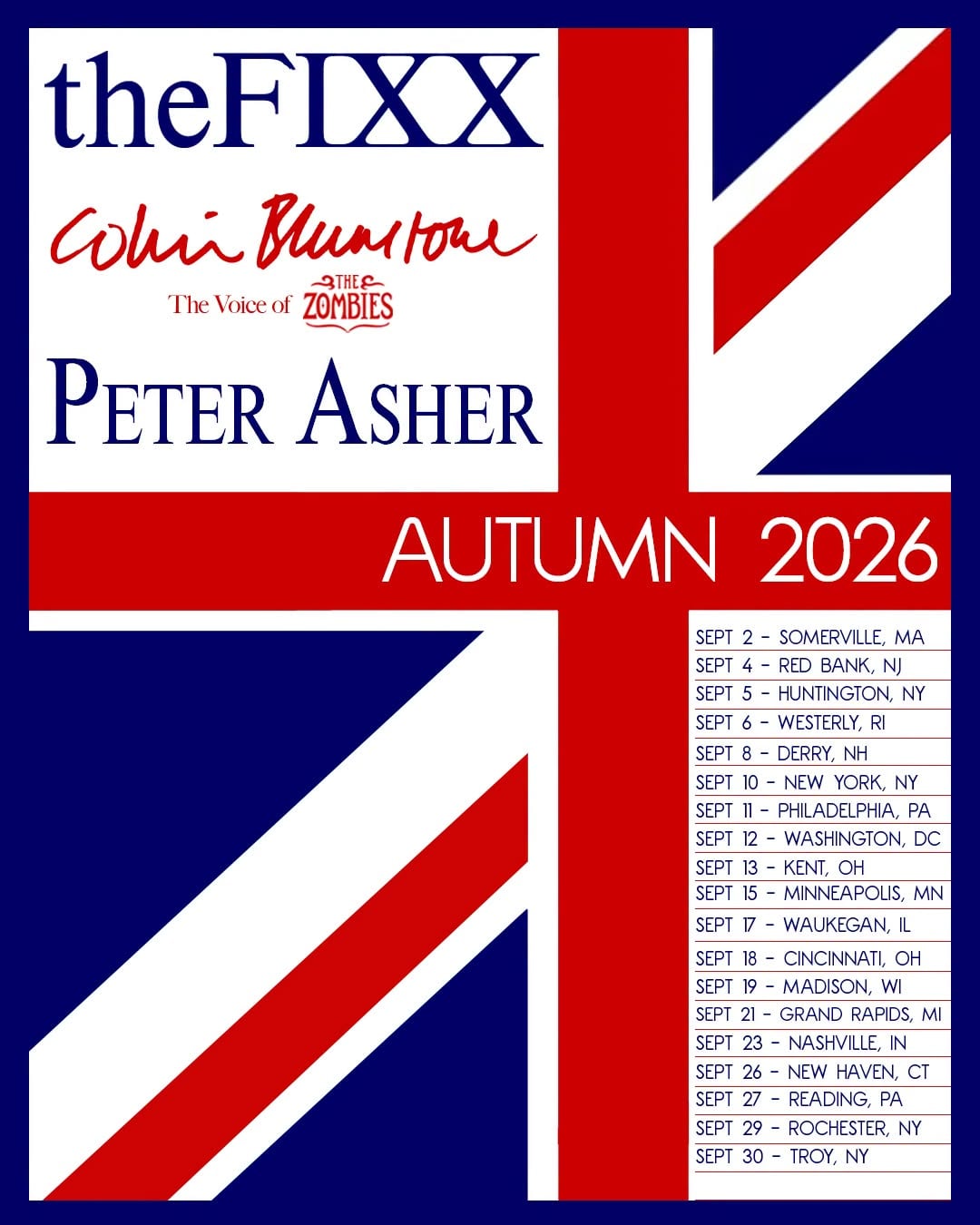
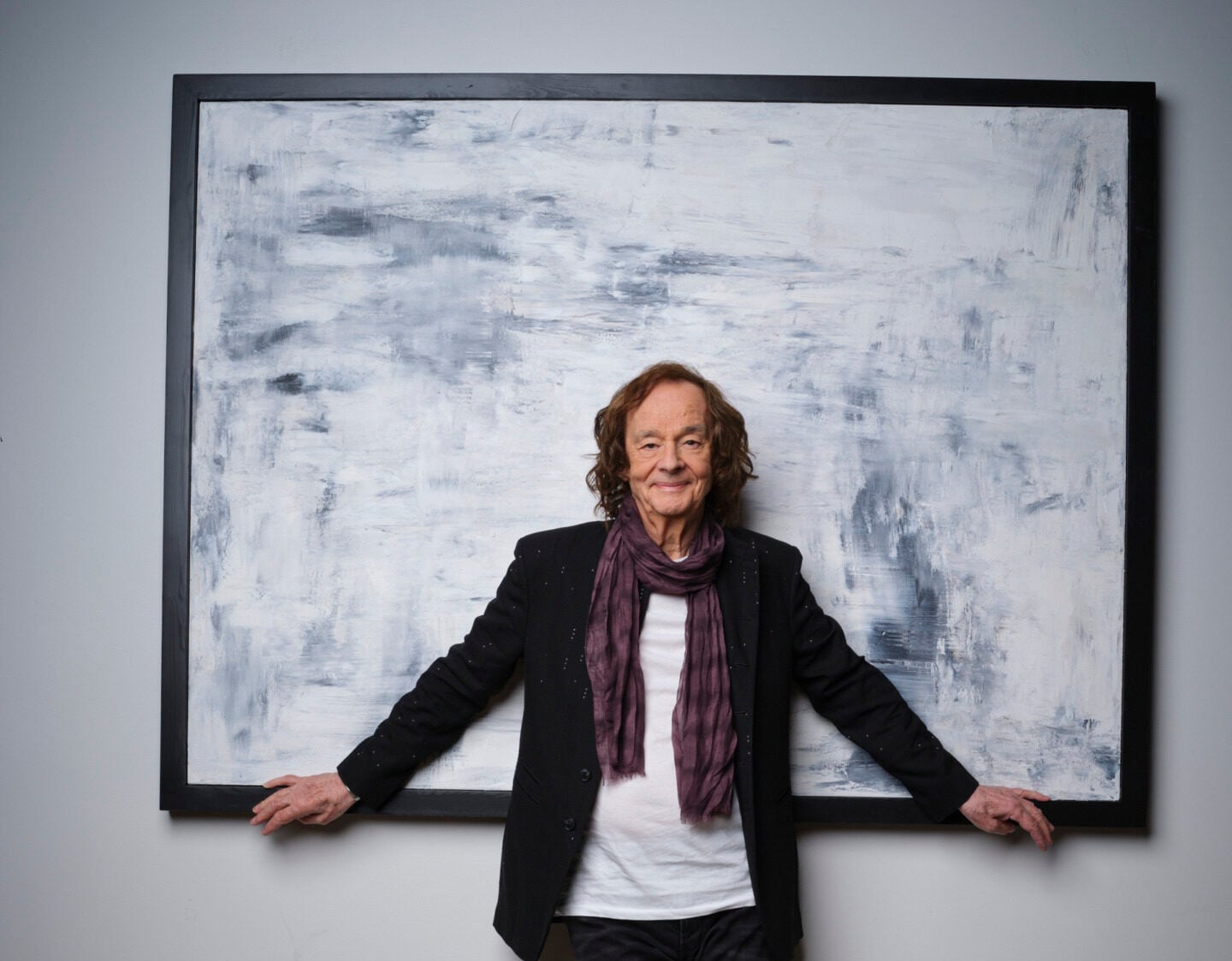
Blunstone is celebrating his 81st birthday in style, with a 19-city US trek throughout September across the Northeast and Mid-West with multi-hyphenate musician/producer/exec Peter Asher (Peter & Gordon) and massive ’80s breakthrough act The Fixx. When Pollstar caught up with Blunstone, he was on a train because his tour bus had just been in an accident. Here he spoke candidly about touring mishaps, good (Paladin’s Bruce Solar) and bad music agents, recording for Elton John’s Rocket Records, how Blood, Sweat & Tears Al Kooper saved The Zombies 1968 classic Odssey and Oracle; playing seven shows a day; unexpectedly playing stadiums in the Philippines, The Zombies Halloween fest in St. Albans, UK, new material and far more
Hey, Colin. How’s it going?
I’m on a crowded train talking to you, and I’ve already been told off once. Talking in the quiet carriage. I didn’t realize it was a quiet carriage.
So what happened yesterday with the bus?
We stopped at a red light and a white pickup truck didn’t. And she hit our trailer and then kind of went down the trailer and into the back quarter of our bus.
Oh my God.
It was a miracle no one was hurt. But she couldn’t get out of her car. We had to wait for the fire brigade to get her out of the car. But she was okay.
Thank God. And nobody on your team was hurt either?
No. You know, when you look at what happened, she also hit a Porsche SUV. So she hit two vehicles, and, and no one was hurt. We were all really, really fortunate.
It sounds like it. And you made it to the show last night in Boston, right?
The show must go on. And it was quite challenging because we had to be towed off the freeway, then got truck to take our gear and we took Ubers. It was a long Uber drive but we managed to get to the venue. We were late, but we did get there and we did the show.
That’s dedication. Speaking of, you’ve been touring for close to 60 years.
Since 1964.
So is this the craziest thing that’s happened here, or have there been other incidents over the decades?
This is probably the worst accident. We did a Dick Clark Caravan of stars in the’ 60s, and someone drove into the back of the bus. The only thing I can think of, but that is half a century ago. There was another one with our bus about four or five years ago. We were going into the desert, and it caught fire. That was a bit of a tricky one.
Touring is not easy, is it?
It can be quite challenging. I was just reminded, I think we’d just done the Jimmy Fallon and we were driving out of New York and we hit a deer. And that took away the front quarter of the truck. So there have been a few incidents.
You never know what’s going to happen next.
It’s really good if you’ve got a quick thinking road crew with you, which we do have. And they can take on these challenges and sort things out.
And it’s good to have an Uber account.
That certainly helps.
So you’re now 81, on a 19-city US tour, you’re bus just got nailed, what keeps you touring?
I enjoy it. I enjoy everything about it, including the challenges. Also, it’s an integral part of the industry. I like to write songs, and I like to record them. And then I love to go out and play those songs live to a live audience. To me, that’s what my profession is, to write, record, and perform.
So it’s still gratifying at age 81?
It is, yes. I know I haven’t got forever, which perhaps actually intensifies the feeling. Logic tells me that at 81 things will probably start to quiet down, but it intensifies the feeling. In many ways, it makes me enjoy it more.
So Bruce Solar at Paladin is your agent?
It’s been a good few years, at least 10 years. He’s a very active guy. He comes to our gigs. He’s a lovely bloke. We socialize. He’s a really good person to be around.
What’s your take in general of music agents.
Well, like everything else, there are good and bad ones. I’ve been with a few of both types, and I’m not talking about Bruce at all. We’re always very well prepared for where we’re playing and course they work in tandem with The Rocks Management company so our travel is always seamless–except if we get hit at a red light. It can get a little bit challenging. But I have been with other agents who don’t prepare you for where you’re turning up and you can turn up at the most obscure places.
One of the ones was in the Philippines the’ 60s. Quite an ambitious trek, even just to get there. And we believed we were playing in the bar of a hotel, and we opened at the Araneta Coliseum in front of 28,000 people. Unfortunately, we were being paid as if we were playing in a bar in a hotel. So it was a bit of a shock when we opened to 28,000 people. And we played there for 10 days. And on the Saturday night, we played to 32,000 people. It was that sort of thing for 10 days. it’s a place called Quezon City, which is like a part of Manila in the Philippines. And we’ve been back there since actually, Quezon City is now grown into Manila.
The Beatles had a lot of trouble in the Philippines. They got chased out of there.
That’s right. Well, who was the next band that went in after the Beatles?
Was that you guys?
It starts with a Z…
That’s crazy. And you played 10 stadium nights there and thought it was a hotel bar. Who was your agent then?
Well, perhaps better not name him. Actually, he’s no longer with us so he can’t defend himself. It’s probably better if I don’t say his name. Even in those days, money has changed, but we were getting about £80 a night between us.
That’s evil.
So you can imagine, it was an interesting experience.
So let’s talk a little bit about this current tour with Peter Asher and The Fixx. How did that come about?
Well that’s more to do with agents and managers, really. I know Peter Asher from the’ 60s. I don’t know him well, but I’ve met him quite a few times. I’d never met The Fixx until last night. Really nice blokes. the makeup of the tour is more to do with agents and management than artists. We tend to be steered in a direction and that’s the way we go.
At the moment, in the UK, I’m recording an album, so I’ve just had to take a break from that to come over here and do this tour. It’s going to be great fun. And it’s going to be enhanced by the fact that the music of the three artists is so different. So people are going to have a really enjoyable and exciting experience seeing these three completely different kinds of music.
And it’s multi-generational.
To some degree, it is, yes. Peter Asher and myself, we both started the business at the same time, but of course, he’s been very involved in production with people like James Taylor and management. And he’s also worked as a record executive firstly with with Apple Records but more recently with other labels. He has a very varied career, and he’s raconteur, he can tell stories about all sides of the business. Very few people who have had that variance in their careers. Obviously, I started in the’ 60s, but I’ve stayed as an artist and a writer.
Then we have The Fix, who’s a little younger than us, but they’ve made some wonderful records and had some really big hits, particularly in the States. So there’s a lot of experience, and there’s a lot of wonderful music there between us all.
Are you playing with a band or solo?
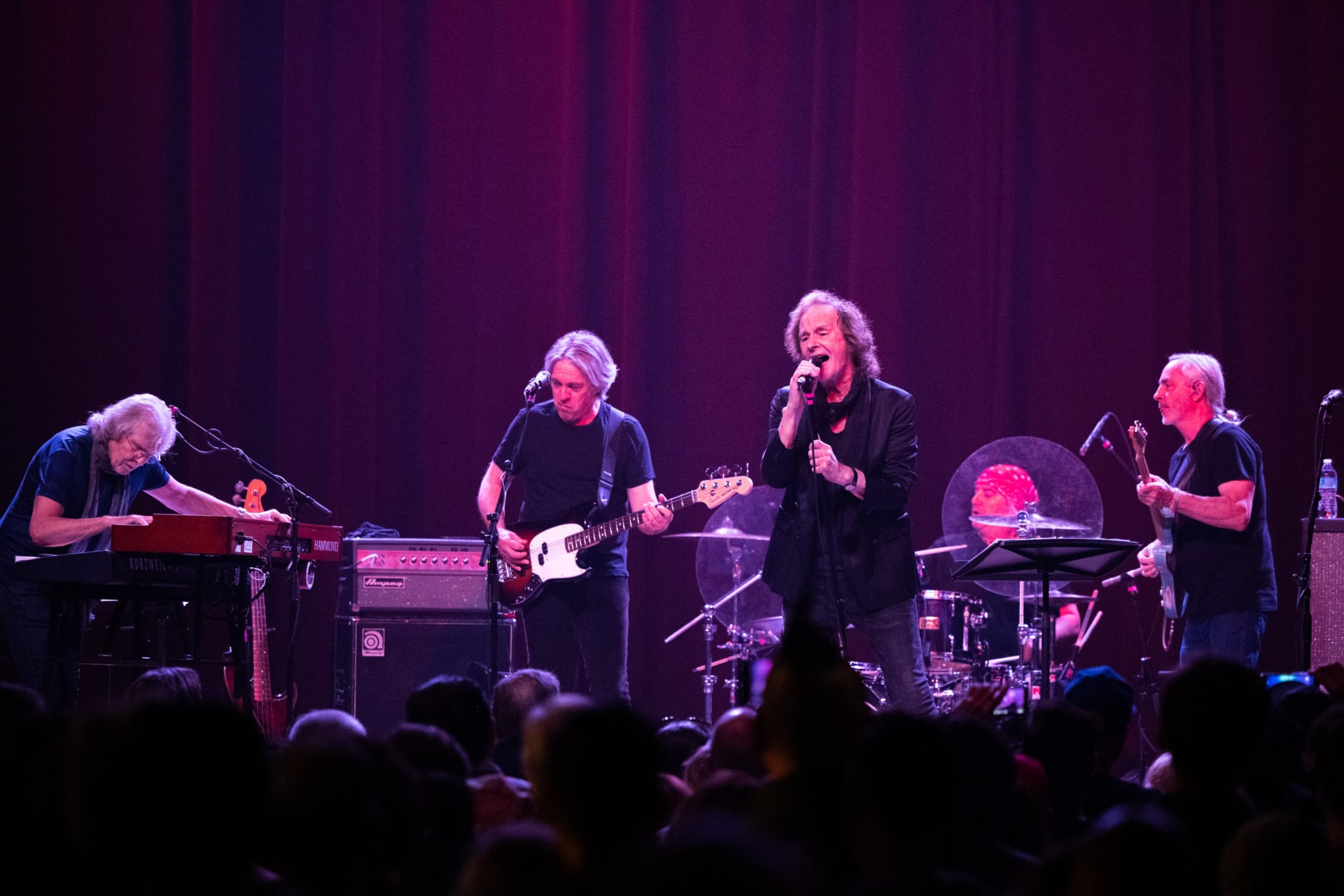
I’m playing with a four-piece. It’s very similar to The Zombies. Keyboard, bass, guitar, and drums. It’s sort of half of The Zombies, what we call the second incarnation of The Zombies, so starting from, like, 1999. Soren Koch is on guitar, Steve Rodford on drums. And then the other half of the band is from The Strawbs. I don’t know if you’re familiar with The Strawbs, but Dave Bainbridge is on keyboards, and Chaz Cronk is on bass. And so we’ve got a good representative of British bands over the last few years. Yeah. All in my solo band.
Don’t you also have a Zombies festival you do?
We do. We do. It’s on the weekend of the 31st of October. So the 30th, the 31st, and the 1st of November. It’s in our hometown, which is St Albans. And we just have many Zombie-themed events over the weekend. And on the Saturday night, we are playing a concert in St Albans Cathedral. It’s one of the oldest cathedrals in the country. But there are activities going on all the time, from Friday night through to Sunday evening. This is the third one that we’ve done, and it’s really good fun. You can opt in and out as the festival develops. You don’t have to go to everything, because it is just one thing after another.
That’s The Fix song, isn’t it?
It is, actually, yeah.
So is it blasphemy having The Zombies play at a cathedral?
Well, it’s very interesting to play in a cathedral like that. In fact, it’s going to be more of an acoustic concert, and it’ll be built around myself and Dave Bainbridge, who’s the keyboard player in my solo band. He’s also a fine guitarist. He’s one of those guys who’s just a wonderful multi-instrumentalist. But we’re having some guests come. We also have a string quartet playing with us as well. It’s something the cathedral does quite often. As opposed to the spiritual side of the cathedral, they have an area where they put on concerts. It’s a huge building.
Weren’t you signed to Elton John’s Rocket Records?
I was, yes.
How did that come about, and what can you tell us about Sir Elton?
Well it came about because my then manager was very friendly with John Reid who my manager was a guy called Barry Krost was very friendly with John Reie, who was Elton’s manager and was one of the owners of the label Rocket Records. And I met Elton quite a few times, but I worked with Elton’s producer, Gus Dudgeon and recorded three albums. The first one was called Plains, after an Elton John Bernie Taupin song. In fact, Gus Dudgeon, who was Elton’s producer, his very first session producing or as a record engineer was (The Zombies’) “She’s Not There.” It was our first session, and it was his first session. So Gus always remembered The Zombies. I think that was another reason the deal came together. Yeah. Elton was very active in Rocket Records, and he’s still, to this day, very involved in encouraging younger acts and acts that are just starting out on their careers. He’s just one of those guys who tries to help people.
So Elton’s kind of known for supporting younger acts like Chappell Roan, Billie Eilish, Sam Fender, Dua LIpa and many others, so I assumed he was a fan of your great work and wanted to put it out.
I never talked to him in those terms, to be honest, but he certainly wanted me on the label. As did Gus Dudgeon and John Reid and Bernie Taupin. They were the four owners of Rocket Records. And, of course, I spent time with all of them.
Who is Neil MacArthur (your former pseudonym solo performer name)?
It’s an assumed name. When The Zombies finished, I was approached by a producer called Mike Hurst to start recording again. I was slightly reluctant because of the sadness of The Beatles and I wasn’t absolutely sure I wanted to get back into the music business again, but he persuaded me to do it. And somewhere along the line, we started recording with the name Neil MacArthur. Now, I’ve spoken to him about it more recently, and he thought it was my idea. It was his idea. So the mysteries of the past have kind of clouded the exact reason for recording under that name. It may be something to do with the fact that he had the idea of re-recording “She’s Not There.” And it seems strange for the lead singer of The Zombies to re-record “She’s Not There.” And so somewhere along the line, the name Neil MacArthur was introduced, and that track in the UK was a hit.
So I was back in the music business, and I was Neil MacArthur, which was a very strange experience for about a year. You don’t think these things through, but well, I don’t, anyway. But it’s alright recording under the name of Neil MacArthur. But then you have to live as that name. People know you as Neil. And so for about a year, I was Neil. I always tell the joke that when people said Neil to me, I never knew if it they were just saying Neil – it me a while to get used to the fact that they were actually calling me by my name.
I would think with your voice so distinctive that people would probably notice that it was you.
Yeah. I mean, it was in a much lower register, I hasten to add. The original Zombies track was recorded in A minor, and Neil MacArthur’s version of him was in E minor. So it did sound quite different, but people knew. Of course, they did. And that only lasted for about a year. And then I went back to Colin Blunstone, and I recorded my first album with Chris White producing from the original Zombies. We recorded in Abbey Road, Studio 3, which is where we recorded Odssey and Oracle. So it was kind of getting the old team back together. And Peter Vince was engineering, and he engineered a lot of Odessey and Oracle. So it was a great way for me to ease back into the music business, really. But II was surrounded by people that I knew, and was very comfortable recording in Studio 3 in Abbey Road.
Did you work with Denny Laine from Wings?
I met him many times, and I recorded a song of his called “Say You Don’t Mind,” which is on that first album. It it was a big hit in the UK. So yes, I knew Denny Laine, and I was always aware of that song. I really liked his version of it. In fact, with the original Zombies, we used to close our show with that song, “Say You Don’t Mind.” So I knew the song well when we started recording.
So one of the craziest things must have been you record Odessey and Oracle, which is considered a masterpiece, but you guys broke up before it came out, which is like, you know, the Beatles breaking up before Sgt.Peppers or something. You couldn’t even imagine it.
It’s strange, isn’t it? I mean, it’s difficult for me to explain it because I don’t understand it myself. One thing I would say is that at that time, I think it was early 1968 the market was still very much a singles market. And we put a single out, “Care of Cell 44,” and nothing happened. Absolutely nothing happened.
One of the greatest songs of all time
And remembering that this album was recorded just after we’d had a quite challenging time in the Philippines, and there were other things that happened– it wasn’t just a one-off incident that led to the band finishing. There were several things that happened. And it just seemed as though it was time to move on. Also, we were very young. We were 21 and 22 years old.
Wow.
And probably didn’t fully understand the business. But looking back, I know it does seem very strange.
It does and that album has become a classic and I still hear “Care of Cell 44” all the time. It’s bigger than ever.
Well, I think the album certainly is. There’s the other side of this– the mystery about this album and why did we the band finish? There is a slight mystery about that. Why was the album totally ignored when it was released? And yet now it’s considered to be one a classic. Rolling Stone named it as one of the top albums of all time. If people are talking about albums from the’ 60s, they very often would say Pet Sounds, Sgt. Pepper or Revolver, and Odessey and Oracle Tom Petty was forever talking about Odessey and Oracle Dave Grohl, Susanna Hoffs. In the UK, Paul Weller is a great advocate of Odessey and Oracle. And it’s wonderful that people talk about that album in– in such revered terms now.
Part off the mystery is, why was it ignored when it was released?
Because it was. It wouldn’t have made any difference if the band had stayed together. The album was totally completely ignored.
Did the label promote it? Or once you broke up, they gave up?
Well, it was always on a minor label. It was a CBS label called Date. I can’t really with any confidence comment on the kind of promotion and marketing it had. But I think it would have been stronger if it had been on CBS rather than on Date. The album nearly wasn’t released at all. It was only Al Kooper from Blood, Sweat & Tears that had just started working in CBS. He’d just been to England, came back with 80 albums, and this album stood out. He went in to see Clive Davis on his first day at work, and he said, “We, whatever it costs, we have to get this album.” And Clive Davis said, “We already own this album, but we were going to pass. We weren’t going to release it .” But Al Kooper just pressured CBS until they did release it. It nearly wasn’t released.
Thank God.
And then released, I think, two singles before “Time of the Season.” Again, Al Kooper pressured them to record “Time of the Season,” it’s an album that really almost forced its own way through to the public consciousness because it literally wasn’t even going to be released.
It’s a beautiful thing when the immutable truth of great music rises to the top. I keep seeing it these days where the kids discover songs or artists that you thought were long gone. Suddenly Kate Bush or The Cramps are popular again. Quality seems to rise to the top and I think that’s totally the case with Odessey and Oracle. So I wanted to ask you about a couple of shows you played in your illustrious career again, as the live industry trade. I read that you played the Brooklyn Fox Theater in 1965 for Murray The K. It was a Christmas Reviews. And it says– and I don’t know if this is true—but you did seven shows a day?
Yes. It was more of a tradition in those days. You would only play two or three songs, and there would be maybe 14 artists on the bill. Then at the end of the show, they would show a short film. And in theory, the audience was supposed to empty, and another audience came in. But often, people came and stayed for the day. But there were 14 acts, roughly speaking. Patty LaBelle & the Bluebells, the Shirelles, Ben E. King, Shangri-Las, Dionne Warwick. And many others. It was a real experience for us. It was our first time in America, and we opened on Christmas Day. So it meant everyone was away from home. Even the Americans were away from home on Christmas Day. So there was a wonderful camaraderie backstage, and it was a great introduction into live appearance in America. I mean we had to follow Patty LaBelle.
Oof.
On every show. We had to follow her. So that was slightly nerve-wracking. She brought the house down every show. And then we had to follow her.
One of the things I’ve written about in the past, in regards to the Beatles, was that they never experienced modern touring. They would play and not have monitors, they couldn’t hear themselves sing or their bandmates play. At some of these arenas and stadiums, they’d go through the PA system that did the announcing. It sounded like crap. What was the experience of trying to perform in places where you couldn’t hear yourself or the band?
Well, I mean, everybody was, that was the accepted way of doing it. Live performances have just changed gradually over the years. But in those days, you’re right. We would use the PA that they announced the show on. That’s what you would sing through and you just had to do the best you could to hear the band. Everyone did it. So you just had to get on with it, really. It was very, very different. There were no monitors. For us, a young band coming into the business, the other side that was very different was the way we traveled. Particularly in the UK, we had a terrible old truck that would go 54 miles an hour downhill with the wind. Sliding doors on the side of it, and they always came off the runners so that the freezing cold air was coming in. We traveled zipped up in sleeping bags.
Oh, my God.
No heat. And it was very primitive. It really was. But like everything else, it’s gradually, things have been refined. And touring is a completely different experience. Now it’s comparably very comfortable.
So you guys did the Odessey and Oracle tour, I think, in 2017. What was that experience like?
Well, it was it was very interesting because some of the guys from the original Zombies band hadn’t played since 1967.
Wow.
It was really funny because Rod (Argent) and I sort of said at one point, “Well, if we’re going to do this Odessey and Oracle we’d all really love to do it, but we need to just sit down and rehearse with the other guys that haven’t played and just see if they can play.” So Paul Atkinson, sadly, had died at this point, but it was Chris White on bass and Hugh Granty on drums. And Rod and I were regularly touring at this point.
So we got together for a rehearsal, and obviously, Chris White and Hugh Grundy had put in a lot of work on Odessey and Oracle, and they were perfect.
Wow.
And Rod and I were all over the place. We were the guys who had been working regularly, and it was really embarrassing because they gave magnificent, no perfect performances and we were just all over the place. And then we knew we had to we had to sharpen up our act. Obviously we had to put some hours into relearning the album ourselves. But it just it really made me laugh at the time because it was totally the opposite of what I was expecting.
And those shows must have validated the fandom that had built over the years of Odessey and Oracle to go out and get that kind of reception everywhere.
It was incredible.And I have to say that I don’t think any of the Zombies really realized the impact that Odyssey & Oracle had had on people or the standing of the band. Yeah, it was a wonderful surprise when we started touring with Odessey and Oracle.
What about playing in Abbey Road for a live stream when you were inducted into the Rock and Roll Hall of Fame. What was that like?
It was interesting going back to Abbey Road. And I have to say, we actually did it from Studio 2, which is where the Beatles recorded. We recorded in Studio 3. And there is a kind of an atmosphere about that building, and in particular about Studio 2. And it can affect you.I was quite surprised that I felt so emotionally involved in the performance. It definitely had a distinctive feeling about performing in Studio 2.
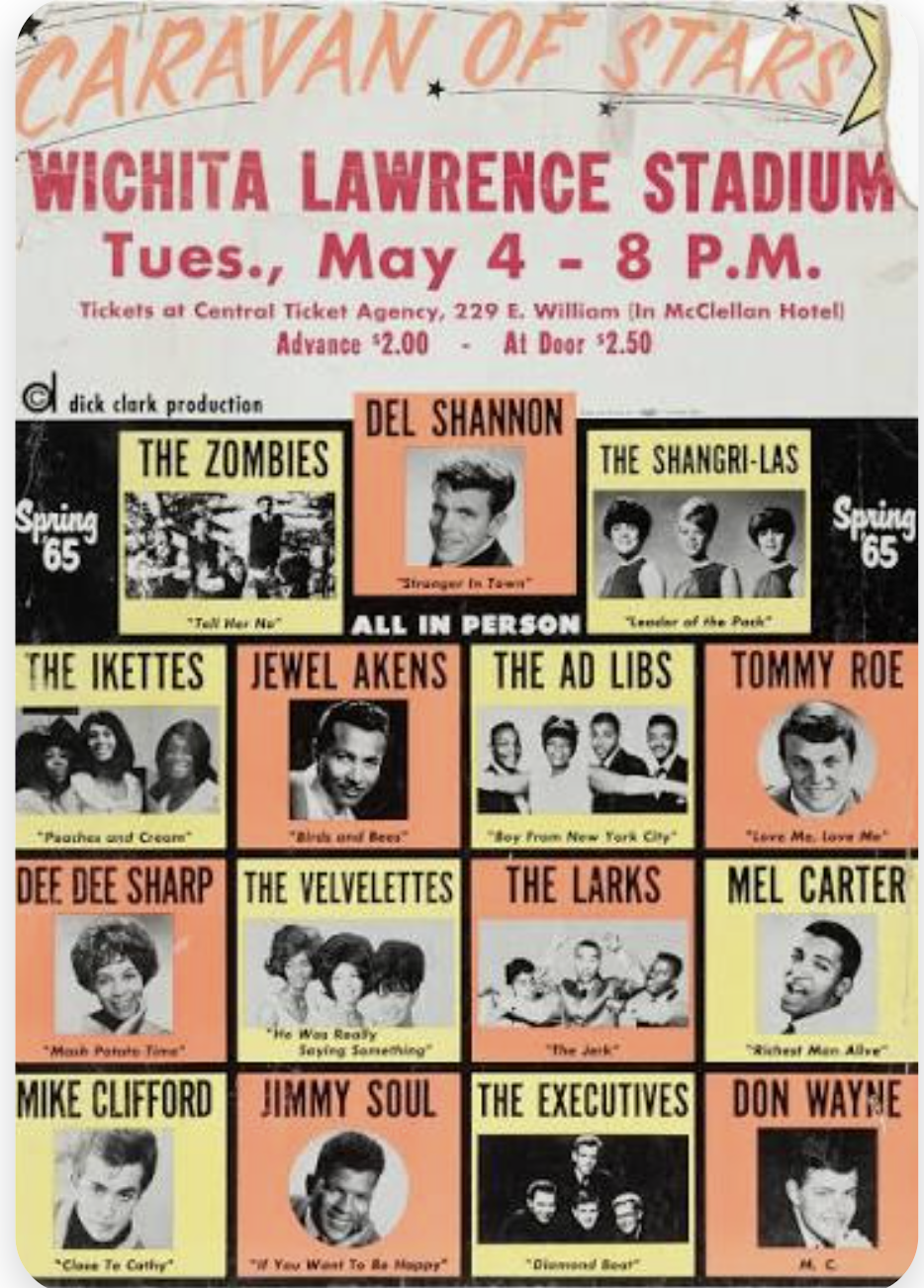
I wanted to ask you about Dick Clark Caravan of Stars. I think Tom Jones was on the bill. Herman Hermits were at the top of the bill.Do you remember much about that? Was it similar to the Murray the K shows?
No, because Murray The K was all at the Brooklyn Fox. The Dick Clark Caravan of Stars was all over the states. It was traveling. And what happened was there were three tours that went out usually at the holidays, Christmas and Easter. And when we did it, there were three different tours that went out at the same time. And on our tour it was Del Shannon, the Shangri-Las again, because they were on the Brooklyn Fox as well. The Ad – libs, The Velvelettes, Tommy Rowe. And then at the end of the tour, 14 acts, he took probably the top acts from all of those three Dick Clark Caravan of Stars shows. And– and we played, I think mostly in Canada. I know we ended up in Montreal. And as you rightly said, Herman’s Hermitza were top of the bill. Todd Owens was on there. Funny enough, Peter and Gordon were on there as well. That’s the first. Oh, wow. I met Peter Asher.
Full-circle. And what’s ahead for you now, Colin?
Well, obviously, we’ve got a month’s touring here. When I get back, I’m going to finish my solo album. We’ve got the Zombies Festival on the weekend of October 31st. And then we’ll start talking about next year. I think there’s dates in Europe that are being talked about for the spring. And I think they’re sketching out a UK solo tour in the autumn of next year. But at the moment, next year is slightly vague, but it’s starting to come together.
Hey, how’s Rod (Argent) doing?
He’s fine. I had lunch with him and his wife. We often have Sunday lunch together just before I came away. And he’s fine. And he’s writing songs. I think he’s doing really well. He’s not going to tour anymore. And I think he’s made the right decision there. But he’s going to keep writing and recording. He’s really well.
That’s good to hear. It’s been a pleasure speaking with you, Colin, I truly appreciate it.
It’s been great fun. I’ve never given an interview on a train before, so this is a first for me.
As long as you’ve been in the business, isn’t there’s always something new and unexpected?
That’s one of the wonderful things about the music business, isn’t it? There’s always new things.
I just have to say thank you. Your music and voice are incredible and an important part of the canon of popular music. Your voice is an unbelievable gift. I love The Zombies as much as I love any band and I’m so happy you’re still doing it.
Well, thank you. Thank you.
FREE
 Daily Pulse
Subscribe
Daily Pulse
Subscribe
 Daily Pulse
Subscribe
Daily Pulse
Subscribe