
Dynamic, Demanding, Diversified: Why Germany Remains ‘One Of The Most Resilient Markets In The World’
The German live entertainment machine is a smooth-running operation. Live expertise is spread evenly across the country, with promoters in each of Germany’s 16 states bringing their local knowledge to the table. In 2026, most of them have been or are in the process of being consolidated under the umbrella of a big multinational, be it AEG, Live Nation or the Germany-based DEAG. Local artists appealing to all generations – from Apache 207 to Helene Fischer to Böhse Onkelz – are the top selling ticket in a country that still attracts most tours by international superstars, as this year’s concert and festival lineups prove.
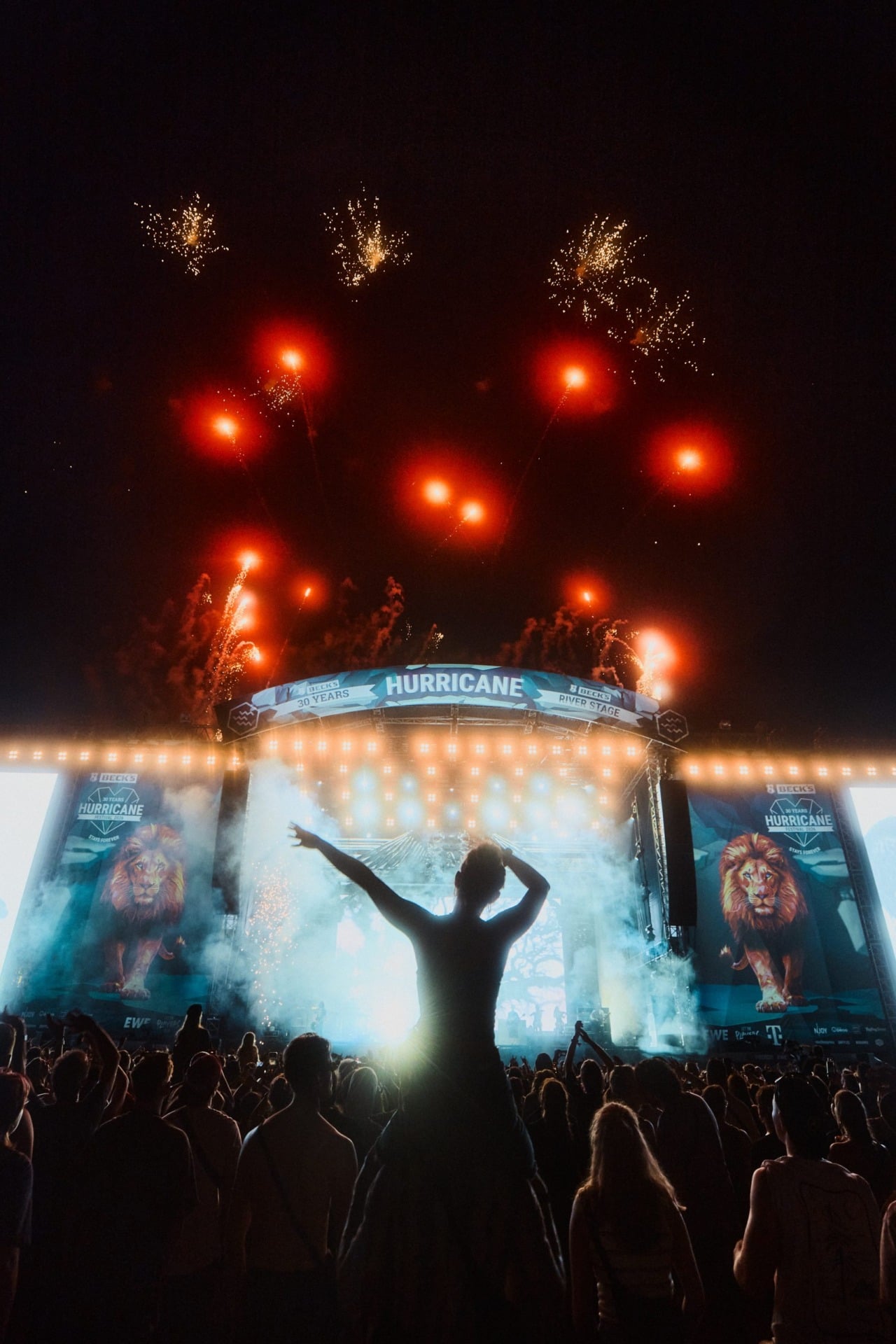
FKP Scorpio/DreamHaus/eventimpresents, part of CTS Eventim, had a particularly strong year. The promoter’s flagship festivals, Rock am Ring/Rock im Park, after celebrating landmark 40th and 30th anniversaries last year, sold out faster than ever in 2026 – and already boasted new presale heights at the time of this writing. Hurricane Festival turned 30 this year, celebrating with 78,000 guests and an anniversary lineup led by Twenty One Pilots, Florence + The Machine, Yungblud, The Offspring, as well as German top acts Kraftklub, Donots, Finch, SSIO, and many more. Its twin festival Southside welcomed 59,000 over the same weekend, June 19-21.
Ihr Rockt! Celebrating Germany’s Phenomenal Rock Am Ring Fest
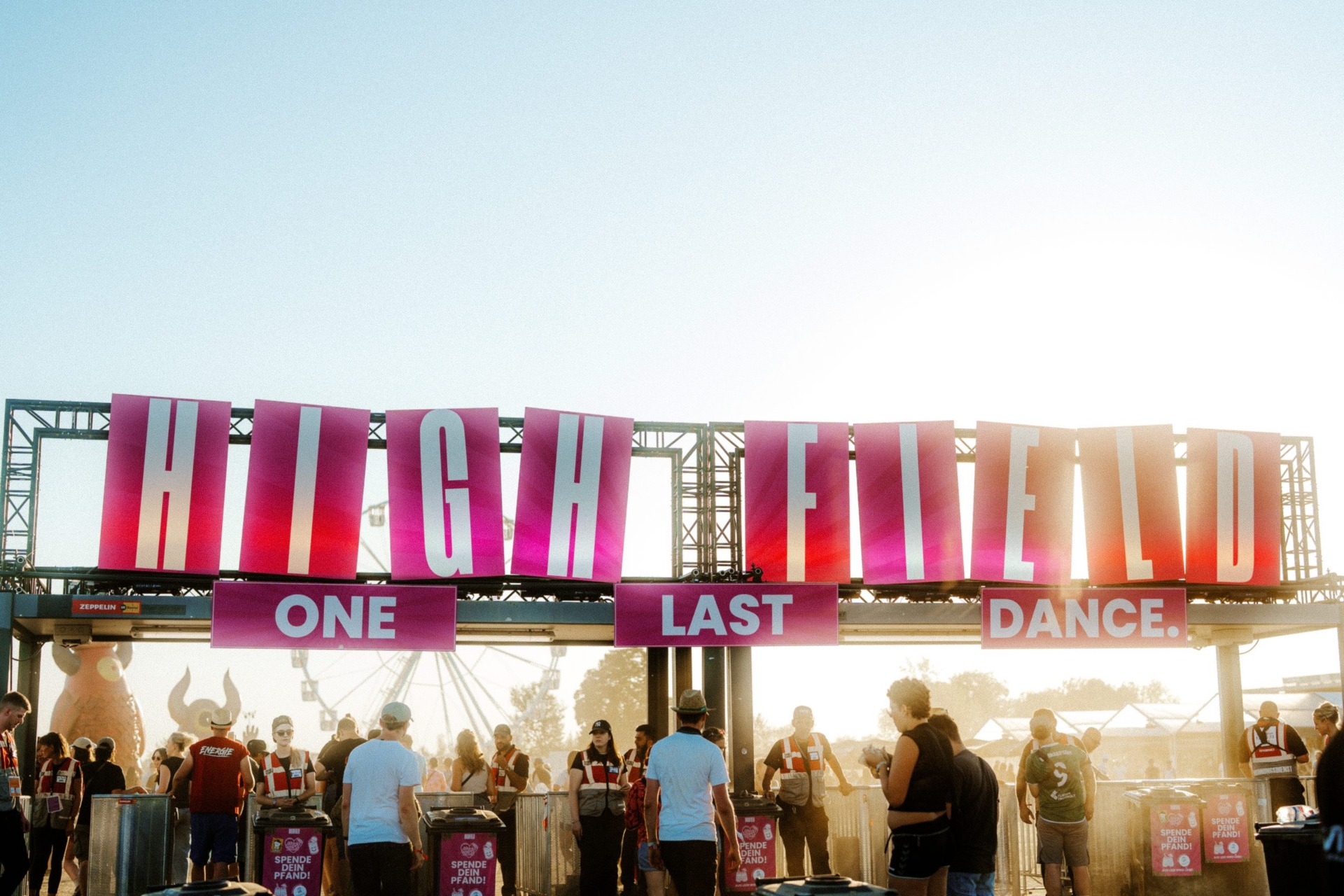
Another FKP Scorpio festival that had been going for more than 25 years, Highfield Festival in Leipzig, announced that this year’s edition, Aug. 13-16, would be its last. It goes to show that even the most established events are under immense pressure in today’s economy.
FKP Scorpio CEO Stephan Thanscheidt explains, “Around 28,000 people attended in 2026, but costs for personnel, materials, artist fees and energy are now roughly 50% above pre-COVID levels. In its current format, that made the festival economically unsustainable. Rising costs are also palpable in daily life, and therefore an issue for festival and concertgoers, dampening demand. Touring is also becoming more expensive, so all in all, the economics behind live entertainment are significantly more challenging than the audience numbers alone suggest.”
Nonetheless, FKP Scorpio’s German business “remains strong and is becoming increasingly diversified,” Thanscheidt continues, referring to the company’s strong offering in family entertainment and immersive exhibitions, which adds to a core touring business: five German Nick Cave & The Bad Seeds open-airs, a seven-date Placebo arena tour, as well as shows by Foo Fighters, Pet Shop Boys and Geese this year, plus Eros Ramazzotti and Tash Sultana among those already confirmed for 2027 – to name but the tip of the iceberg.
Germany’s promoters all confirm that while the market remains strong, it has become more demanding. According to Semmel Concerts head of international marketing Finn Regenhold, “Every project requires a closer look at pricing, capacities and local demand. At the same time, people are looking for both the artists they grew up with – a nostalgic escape in dynamic times – and something new and exciting. That creates great opportunities to develop new artists and formats while also reinventing long-standing classics.”
And he continues, “Germany remains one of the strongest and most diverse live markets in the world. But it is also a highly regional market, and international partners should not focus only on the biggest cities and capacities. Understanding the individual markets is key to building sustainable success. Thats were a trusted local partner comes in.”
Both FKP and Semmel are part of Eventim Live/CTS Eventim. Frithjof Pils, Eventim Live MD and CTS Eventim’s SVP International Growth, acknowledges the rising costs and selective audiences, but remains confident, as “demand is robust across genres and formats – from concerts to theatre and sports.” The “high level of professionalism across the market” contributed to a “highly developed and innovative live entertainment ecosystem” and was the main reason “Germany remains one of the strongest and most resilient live entertainment markets in the world,” according to Pils.
Still, the demanding nature of the live biz in 2026 means that various forms of consolidation are inevitable. Wizard Live, for instance, became a wholly owned subsidiary of DEAG at the beginning of the year, when company founder Ossy Hoppe and Managing Director Oliver Hoppe sold the remaining 24.9% of shares and became DEAG shareholders in the process.
While “business is irritatingly healthy,” as Oliver Hoppe puts it – Wizard Live broke various attendance records with the 11-date Böhse Onkelz stadium tour in June and July – he also acknowledges that “the post-pandemic run has come to an end,” and that the professionals working in this industry are dealing with “multi-facetted crises.” Selling their remaining shares to DEAG reduces the Hoppes’ risk on each show in this volatile live environment, and bolsters DEAG’s quarterly figures: a win-win situation.

DEAG’s outgoing CEO Detlef Kornett says the “relevant research” suggests that the German live entertainment market will continue to grow because the demand for live experiences continues to hold up despite challenging conditions. “The opportunity now lies in shaping growth in a sustainable way,” he says, and elaborates, “touring is expanding, with a notable increase in electronic music and hip hop/German rap. Schlager music is experiencing somewhat of a revival, alongside greater diversification into Latin American, African and regional European genres.”
Kornett cites further research showing that music concerts were the most popular event type in Germany in 2025, creating challenges for the festival market as customers increasingly pick and choose. “While the festival segment continues to support market growth, it is smaller than the music concerts segment. Theatre is expected to remain the most attractive segment in the future, recording the fastest growth from a small baseline,” Kornett sums it up.
According to D.LIVE CEO Michael Brill, who just oversaw the successful opening of Düsseldorf ’s 80,000-capacity Open Air Park in July, demand for live experiences in Germany is even on the rise. “Many people are willing to spend an increasing share of their income on live experiences. At the same time, we’re seeing growing demand for VIP and other upsell products – provided they’re reasonably priced, clearly differentiated, and offer recognizable added value,” he says, adding that “expectations regarding the entire customer journey have risen as well. Audiences no longer evaluate just the show on stage, but rather the event experience as a whole: from travel and parking options to security and Wi-Fi availability, all the way to the concert’s duration and production quality. For promoters, this means paying closer attention to all points of contact and consistently working on the overall experience.”
According to Live Nation GSA CEO Marek Lieberberg, the changing audience expectations present the biggest opportunity for promoters right now. “Fans increasingly expect more than a concert – they want a unique and lasting experience. Which means artists, promoters and venues must continue raising the bar. Our new Munich arena is designed to support that, purpose-built around the needs of artists, productions and audiences, it will provide the infrastructure and technology to deliver exceptional events.”
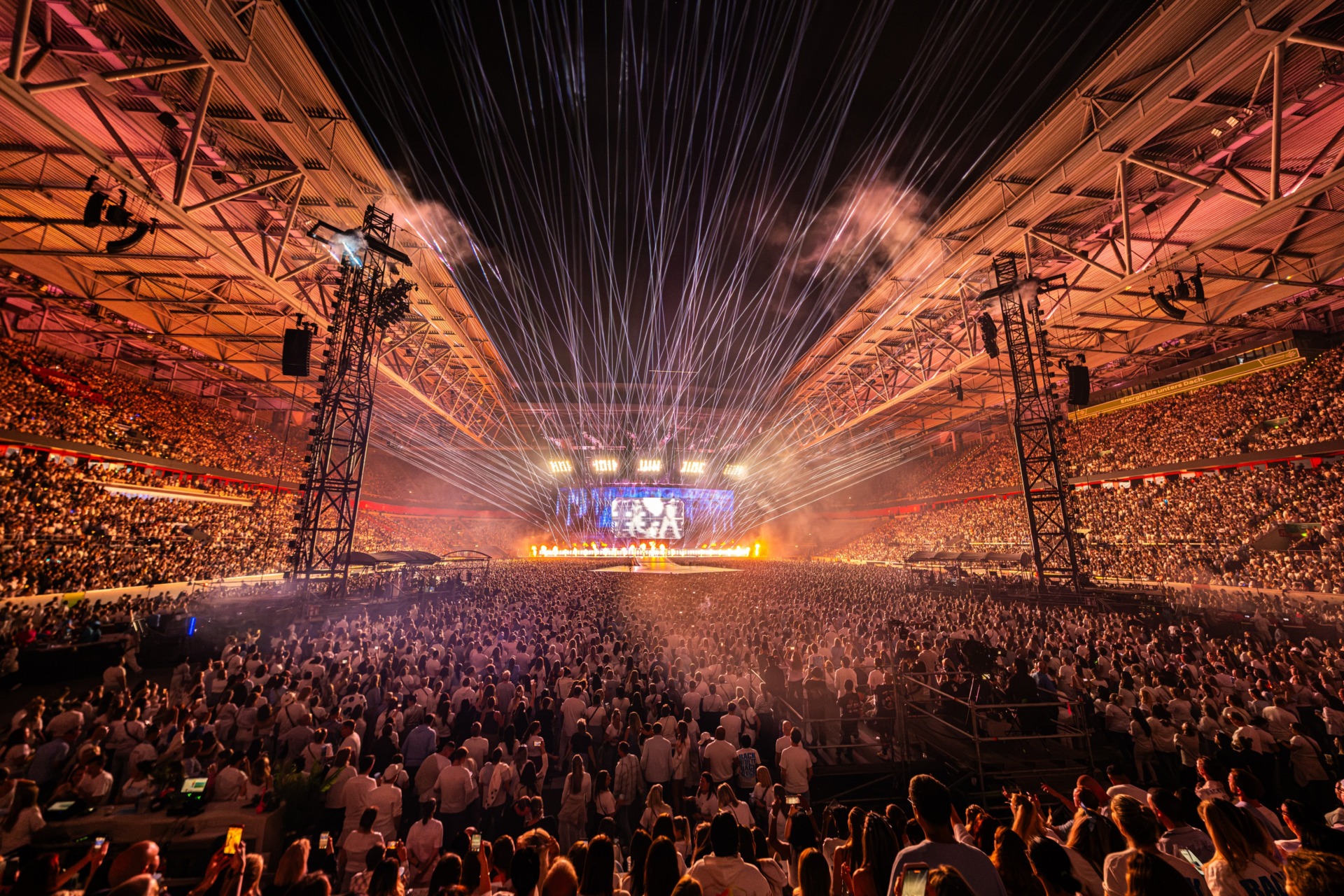
As the architect behind Adele’s 2024 Munich residency, which set the bar for pop-up concert with a stadium capacity and production quality, Lieberberg is also aware of the “potential of major residencies and destination events.” Adele in Munich demonstrated what is possible, and the Backstreet Boys’ Düsseldorf residency in Sept./Oct. sold close to half-a-million tickets.
“At that scale,” Lieberberg explained, “a concert series becomes a destination and a cultural event in its own right. It reflects where the live business is heading – creating unique, must-see experiences that encourage fans to travel, stay and become part of something beyond the show.”
It’s clear that the unbridled growth of the post-pandemic years has slowed down and reached a plateau in certain areas, which begs the question: what will be important in the coming years to ensure the German industry remains a thriving place for culture, and not just in the bigger capacities?
For Thanscheidt, “that’s a question that is as interesting as it is important, because consumers and politicians need to understand that the cultural diversity in Germany is under real pressure. Ultimately, we have to protect the entire cultural landscape, not only arenas and stadiums. Every 80,000-person festival or stadium artist ultimately depends on the hundreds of thousands of smaller concerts and venues where artists develop, audiences discover music and communities form. While we, as one of Europe’s foremost cultural organizers, may mitigate some of the impact of cost inflation, that’s a luxury especially smaller players simply cannot afford.
“It would be good to see policymakers acknowledge that as well. If the Bayreuth Festival receives an additional €1 million while modern music faces significant funding cuts, that sends a disastrous signal. There have been important achievements in recent years, such as the Reeperbahn Festival, Initiative Musik and the Festival Funding Fund, all of which have developed successfully. Undermining these structures now would be the worst possible thing to do, especially at a time when culture plays such an important role in holding society together. Ultimately, the goal should be an ecosystem in which a small capacity club, a regional festival and a huge arena show can all succeed. Large events demonstrate the strength of the German live market; but preserving the smaller stages ensures it still has artists, audiences and cultural diversity ten years from now.”
Wizard Live’s Oliver Hoppe isn’t “a huge fan of state subsidies or government funding, as in a lot of cases the institutions involved are really bad — or politically driven — at choosing projects, and that leads to keeping things alive at a taxpayer cost whereas the market has changed. Of course there are a variety of things in a societal context that need support to keep a multitude, but this is always political agenda setting as well, one that does not favor everyone equally.
What I do believe in is the industry organizing and funding this itself where it makes sense. We know our own ecosystem better than any ministry does. There are already initiatives taking place in Germany where we as an industry are trying to generate cultural parachutes that are funded by us and curated by us, and I feel those are more relevant. So a sensible solution to begin with would be deregulation across the board, not more government intervention. The bureaucratic cross we have to bear has become too much for the cost-intensive and price-sensitive environment we’re operating in, cutting that would level the playing field evenly and free up more budget for us to cross-pollinate.”
One major challenge, according to Regenhold, will be “to keep live entertainment economically viable at all levels – not just in arenas and stadiums. Affordable ticket prices, manageable production costs and healthy clubs, theatres and smaller venues are essential for developing the next generation of artists. That also means investing in the infrastructure that makes live culture possible, which is part of the thinking behind our acquisition and renovation of the Metronom Theater in Oberhausen.”

Investing in venues is something that very much chimes with Brill, who says “it will be crucial that we invest in the entire event landscape — not just in large arenas and established venues. This begins with further developing existing venues and making long-term investments in high standards, functionality and maintenance. At the same time, venues should act as full production partners in the future and offer additional services more—such as technical equipment, local production services, ticketing, or marketing. This will make processes more efficient and reduce the overall costs of productions. Clubs and smaller venues also require special attention, as they form the foundation for artists’ development. That is why we must invest in their infrastructure and improve conditions for grassroots artists. Last but not least, we must continuously refine our safety protocols. This includes measures to protect the audience from extreme weather conditions, drone threats, maliciously used vehicles, and other hazards that could have a significant impact on individual events and the industry as a whole.”
And Pils concludes, “A healthy live entertainment ecosystem needs to work at every level. Today’s arena and stadium artists started out in clubs and smaller venues, so maintaining that pipeline is essential for the long-term strength of our industry. Rising production, personnel and infrastructure costs are particularly challenging at smaller capacities, where margins have always been tight. Ensuring room for investment, manageable regulation and continued infrastructure development will thus be crucial.
“At Eventim, we support club culture in Germany, for example, by offering exclusive special rates for the use of our ticketing systems. Smaller promoters in particular also benefit from the visibility on our platforms and the associated reach. Moreover, promoters that are part of Eventim Live regularly organise many concerts featuring ‘smaller’ acts and young artists in clubs and small venues. Nevertheless, in the end it will always be the audience who decide which artists they want to see, where, and in which setting.”
FREE
 Daily Pulse
Subscribe
 Daily Pulse
Subscribe