
Head Tripping: Apple Music Runs At Live, Launches London Venue, Festival Livestream
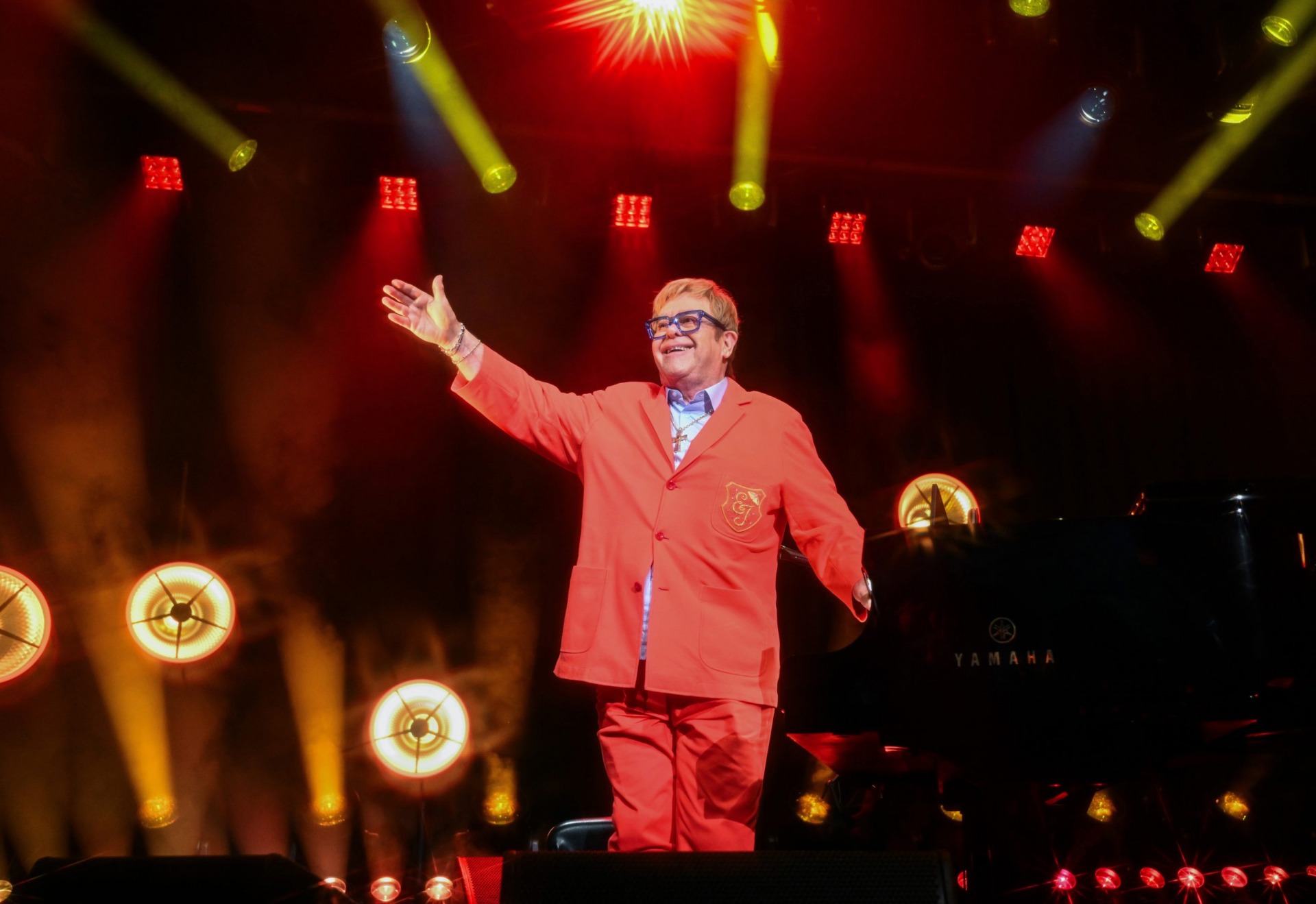
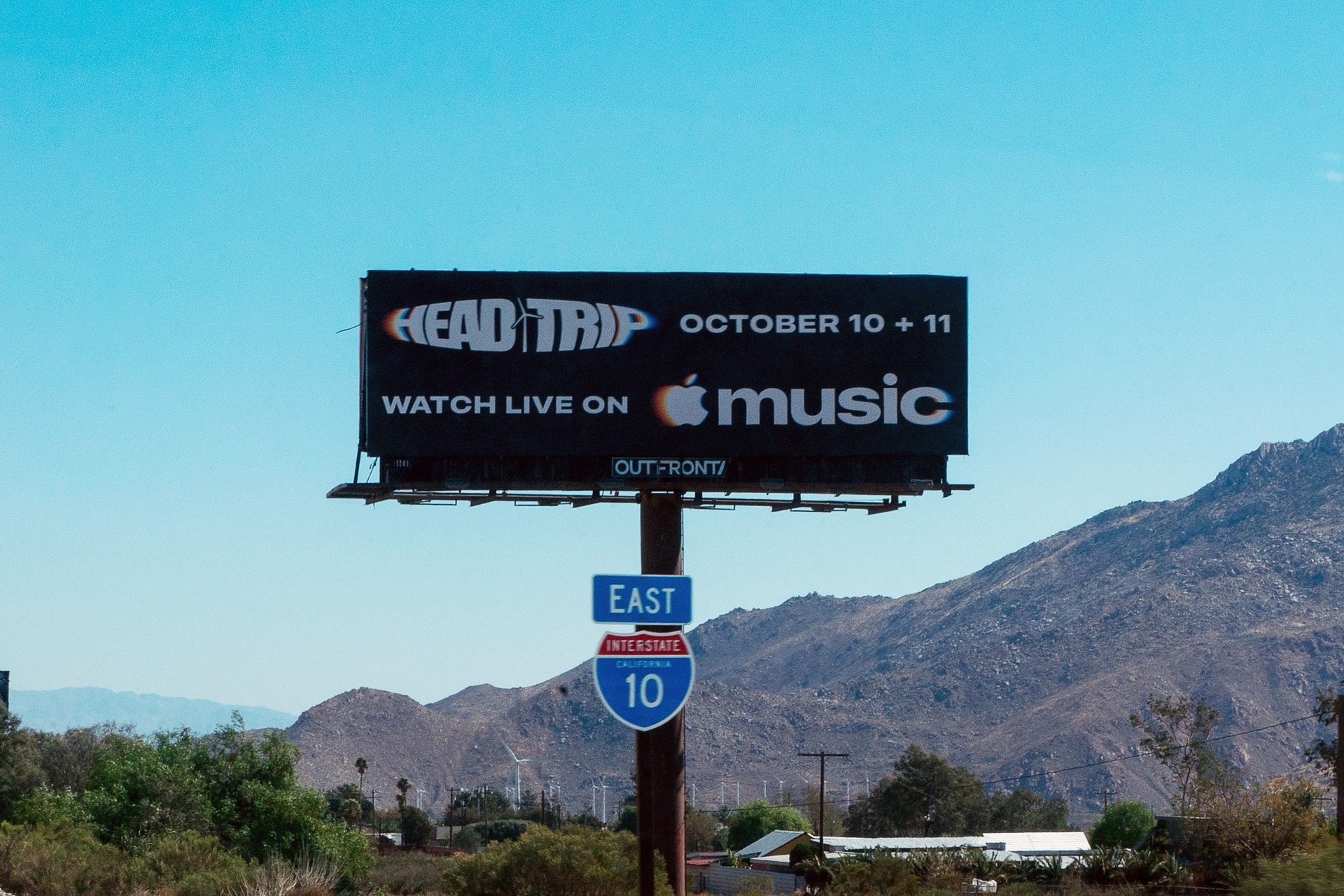
Apple Music is making a decisive live music play. Last weekend, the music streaming platform presented its first festival video livestream in partnership with AEG/Goldenvoice’s Head Trip, a new electronic music festival that debuted Oct. 10-11 at the Empire Polo Club, the promoter’s anchor festival site in the Coachella Valley. Two weeks earlier, on Sept. 28, Apple Music opened Apple Music Hall, a new venue in London’s iconic Battersea Power Station (pictured on the cover of Pink Floyd’s 1977 classic Animals). The opening featured Sir Elton John performing a vast underplay in the technologically tricked-out 600-capacity space.
With its festival livestream initiative, Apple Music joins a cluster of major streaming brands backed by powerful technology and media companies competing for festival live streaming. YouTube, part of Alphabet Inc./Google, streams Goldenvoice’s Coachella, a gold standard of sorts for festival livestreaming. Amazon Music, owned by Amazon.comInc., has deals with a broad slate of festivals, including Goldenvoice’s Stagecoach; Another Planet and Superfly’s Outside Lands; Spain’s Primavera Sound; Sueños Music Festival; All Things Go; Camp Flog Gnaw; Fuji Rock; Vans Warped Tour; and Rolling Loud. Hulu and Disney+, both owned by The Walt Disney Company, livestream C3 Presents’ Lollapalooza, Austin City Limits and Bonnaroo. More recently, Spotify hosted video performances from Goldenvoice’s Portola festival. Although Spotify does not have a corporate parent, it does have the largest number of paying subscribers among music-streaming services.
Apple Music’s approach, however, differs in one key respect: The company chose Head Trip for its first festival video livestream in part because the two-day electronic music event—headlined by Calvin Harris, Skrillex and Swedish House Mafia—provided an opportunity to showcase its DJ mix technology.
“We figured out a way for folks to get paid for their DJ mix for forever money,” says Stephen Campbell, Apple Music’s Global Head of Dance & Electronic and DJ Mixes. “Everyone gets paid. The DJ gets paid, the folks’ music in the mix gets paid, whoever made that moment in time also gets paid. And that, being a new paradigm that we can operate in, allows us, in a really uncontrived way, to work with folks in live music. This is because there’s a content piece that comes off the back of it, the DJ mix, which inherently has been problematic because it’s a DJ playing music that’s not their own in a place they don’t own.”
Campbell says Apple Music uses its Shazam-powered identification technology and licensing process that powers Apple Music’s DJ Mix program to identify the stakeholders behind a mix, including songwriters, publishers and others. That process allows the service to release a new mix live track on the back end while ensuring the appropriate parties are compensated — a complicated undertaking at best.
“There’s a lot of different stakeholders that rightfully have a claim,” says Campbell. “So we solved that. We figured it out. We’ve been building it out over the last seven years, and it works beautifully. There’s a real reason for us to be in that space where we can really add value and be a new line of business.”
After seven years in the marketplace, Apple Music has had time to test and refine the technology. The result, Campbell says, is a system that can turn festival DJ sets into enduring content that continues generating revenue long after the performance ends.

“This allows us to take a mix from the biggest festivals in the world like EDC or Tomorrowland. And those mixes can live on Apple Music, but the DJ gets paid every time it streams. Tomorrowland gets paid every time it streams. And whoever’s track is in the mix at that given moment that’s playing, they also get paid forever. So it’s really become this remarkable means of new revenue.”
Campbell points to Prospa, a UK electronic duo from Leeds, as an act that has benefited from the technology. “It’s an incredible way to build hype around a track that hasn’t been released,” he says. “And Prospa have been a huge part of that. So many of their absolute hit songs have been in mixes for us, oftentimes over a year before it’s officially released. So yeah, it’s a thing.”
That “thing” is part of a broader value proposition for livestreaming, which can help market and promote a platform, reach a global audience, encourage subscriptions and create a library of content while extending a performance’s reach for artists and promoters. Depending on the terms of the deal, livestreaming can be a significant revenue stream for festival promoters. Although the terms of major festival agreements are rarely disclosed publicly, deals can run into eight or nine figures, depending on the scope and rights involved. The promoters, though, often absorb substantial production costs.
Apple distributed Head Trip content across several outlets, including Apple Music, Apple TV, Apple Music’s TikTok account, Apple Music’s YouTube channel and Tim Sweeney’s Beats in Space channel on Twitch (owned by Amazon). Audio was also simulcast on Apple Music 1, Apple Music Club Radio, TuneIn and SiriusXM. While the connection between a livestream and the purchase of a new iPhone Duo may be difficult at best to quantify, live programming can serve as one of many marketing touch points that help shape a consumer’s decisions to consume Apple’s core businesses including hardware devices, streaming subscriptions, software and more.
The new London venue adds a physical dimension to that strategy. Opened Sept. 28 at the historic Battersea Power Station, which also houses Apple’s European headquarters, Apple Music Hall is set to host more underplays with performances by artists that include Charli xcx, Baby Keem, Troye Sivan, Arlo Parks, Burna Boy and Chase & Status.
The technology-forward venue features a 48-speaker spatial-audio system, recording studios, a 38-foot-wide reconfigurable stage and broadcast capabilities for more than 16 cameras. The venue can also capture performances for future distribution. (Apple has similar studio capabilities at its Culver City facility in L.A. where artist legends like Jeff Mills have mixed their sets).
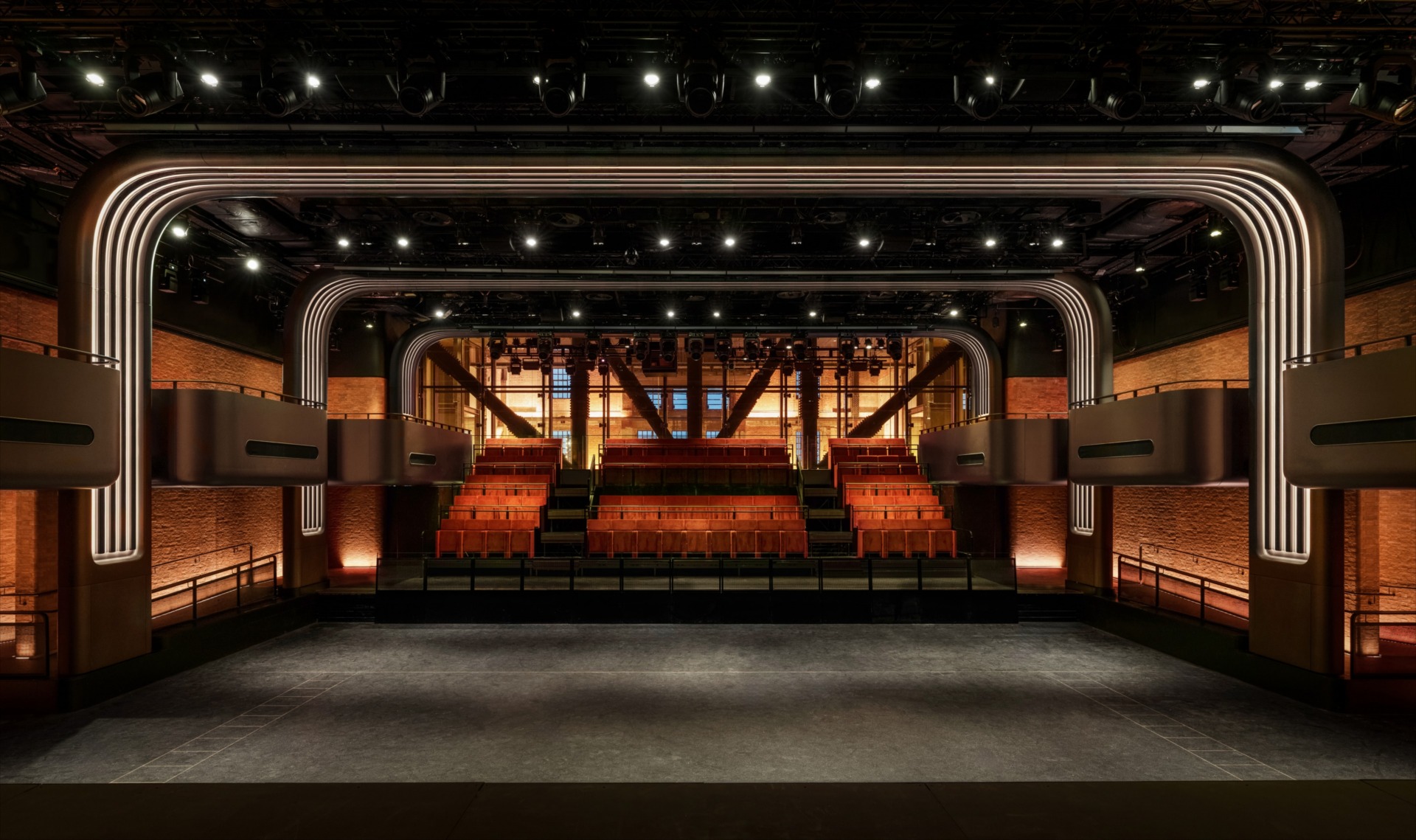
“An artist can perform an intimate live show for fans at Apple Music Hall and walk out with finished Spatial Audio recording, a broadcast-ready mix, and multicamera video — all from a single show,” Apple Music said in its release announcing the venue.
Live recordings have long held value for artists and fans (ask any Deadhead). Today, a single performance can be repurposed in a multitude of ways, depending on the agreements among artists, promoters and platforms and on the resources each company brings to the partnership. A livestream can introduce viewers to a service and encourage them to subscribe; it can also provide artists with professionally produced video and audio that may be used in future releases,. film projects or on social media. A purpose-built venue such as Apple Music Hall gives Apple and artists even more opportunities and options in the production process.
From Campbell’s perspective, the space also creates opportunities for the electronic music he oversees. “There’s going to be a lot of really, really special things that happen in that venue through the lens of dance music with the DJ mix being the foundational content piece, if you will. It’ll be streamed live for the world, but also those mixes, and moments in history, will live on for forever on Apple Music.”
Apple’s competitors have other distinct value propositions. Amazon Music can draw on the massive reach of its parent company’s e-commerce operation, while Twitch provides an interactive livestreaming service spanning gaming, entertainment, sports and music. Merchandise and music sales can also be part of that proposition.
In late September, YouTube and Coachella announced they had extended their partnership, which began in 2011, to 2030. Bloomberg reported that YouTube outbid Netflix and Amazon. And with its massive global reach estimated at 2.7 billion monthly active users, driven in part by its freemium tier, it’s proposition value is its powerful reach and social component.
“Free with no registration is so key,” Goldenvoice CEO Paul Tollett told Bloomberg. “You don’t have to remember some passwords and anything like that. You could just jump right in. As soon as you’re watching a cat video, switch right over, and you’re watching Coachella.”
Spotify is a newer entrant in festival video livestreaming. Its partnership with Portola, Goldenvoice’s San Francisco-based electronic music festival in late-September, brought live videos from artists including Zara Larsson, Four Tet, Max Styler, Groove Armada, Brunello, Beltran b2b Ben Sterling, Fcukers and Chloé Caillet. Spotify recently moved deeper into live with concert-ticket sales, introducing in June its “Reserved by Spotify” platform for superfans.
For artists and their teams, livestreams have become an increasingly important part of festival agreements, offering potential benefits both during an event and after. That, however, was not always the case. Dina LaPolt, founder and owner of LaPolt Law, P.C., recalls a time when artists often opted out of livestreams, sometimes leaving a black box on the livestream page.
“We used to exclude it from all of our festival and larger show agreements,” says LaPolt, who notes that artists’ attitudes have changed as major companies have invested in livestreaming. “Now they love it because you have these huge companies that want to do it and they reach a massive global audience. They offer other incentives, bundles for music, they’ll put your logo on stuff, they all promote your record – it’s all in. And the artist loves it as long as they’re approving it and they look great and their music sounds great. That’s the key. And the technology’s is incredible…Now, I love Couchella, too.”
That approval remains essential as livestreaming grows more sophisticated and the potential uses of performance footage multiply. Artists need to be comfortable with how they are presented, how their music sounds and how the resulting content may be used. For platforms, meanwhile, the challenge is to turn live moments into lasting relationships with listeners.
Apple Music’s Head Trip livestream and its London venue represent two parts of the same strategy: investing in live experiences while building the technology and infrastructure to extend their life. The show may last a night or a weekend, but the recording – and the relationship with the audience – can keep working long afterward.
FREE
 Daily Pulse
Subscribe
 Daily Pulse
Subscribe