
Ladies Of The House: CAA’s Maria May, IMS Legend, On Electronic Music’s Most Influential Women

When Maria May won the IMS Legends Award in 2025, it shouldn’t have come as a surprise. The Music Agent at CAA is one of the many architects that built the modern electronic music industry, expanding the culture from its rebellious underground club roots to the mainstream commercial success and stadium status it enjoys today – most obviously through a stellar roster that includes David Guetta, Black Eyed Peas, Meduza, Becky Hill, Hugel, Sara Landry as well as the next generation of headlining DJs like Marlon Hoffstadt, Myd, Layla Benitez and Lanna; less obviously behind the scenes, be it as a board member of Beatport, or sitting on the advisory boards of Lady of the House, or the Frankie Knuckles foundation (the late house music icon was also one of May’s clients). So, if anything, this award was long-overdue.
What was surprising about her win is that she was the first woman to receive the award in 20 years (and also the youngest award recipient ever). The history of dance music has been shaped by women either behind the scenes or on the records, and this entire genre would look a lot different, had it not been for a long list of female executives and artists, who’ve put their stamp on dance music across the decades and to this day.
So, when May received her IMS Legends Award last year, she did the only thing that felt right: mention as many of the women deserving a spot on that list as speech time and memory would allow. One thing she was clear about is that the list wasn’t exhaustive, and that there are many more women out there that had a role to play in the rise of electronic music than could fit into one acceptance speech.

Pollstar reached out to May, a 2022 Impact International honoree, to pick a selection of the women she mentioned, in order to shine a light on the work they’ve done; find out about May’s individual history with them; and learn a whole lot about dance music history at the same time.
It’s hard to imagine in 2026, when some of the biggest names in music are dance artists, that the genre was once so underground, you’d have to either search for the parties or be invited by the already initiated. The traditional music industry, at one point, did to not take it seriously. One of the women responsible for changing that perception was Judy Weinstein. By launching the For The Record record pool in the late 1970s, and co-founding Def Mix Productions in 1987, which became the agency and management company representing some of the hottest DJs at the time, including co-founder David Morales, Satoshi Tomiie, the late Frankie Knuckles and Hector Romero. She also repped Lord G, Larry Levan, and booked New York’s legendary Paradise Garage.
May was only 17 years old when she first met Weinstein in New York, an encounter that, years later, led to her representing all of Weinstein’s clients in Europe. “She was a formidable New York business figure who taught me how to do business correctly in the house way, and I will forever be grateful to her,” May recalls and elaborates, “us Europeans are often taken aback by how American business is conducted: very aggressive, dog-eat-dog, wanting to win at all costs. And while Judy was definitely New York tough, she also taught us to be kind. She was firm but fair, and she always did right by her artists. If you got crossed her, you’d know it. But she was very clear about having integrity, doing the right thing. There’s room for everybody to thrive. You don’t have to kill everybody that you come across in order to be successful in business.”
May says that communal responsibility of treating others with kindness very much originated on the dance floor, the original safe-space if you will. It used to be the place where people, irrespective of their backgrounds, beliefs and accomplishments became equals. It still is, even if the underground club is under threat in the current music economy. But that’s a matter for a different story.
Weinstein used to be Larry Levan’s flatmate, she saw first-hand what a sanctuary the nightclub offered to the black gay music scene. “I think a lot of her being so protective of her artists evolved from that. Judy became like my second mum. I was a young girl from London who loved the party scene when I first started, and she taught me manners. She told me how to behave in order to do well, and she had my best interests at heart.”
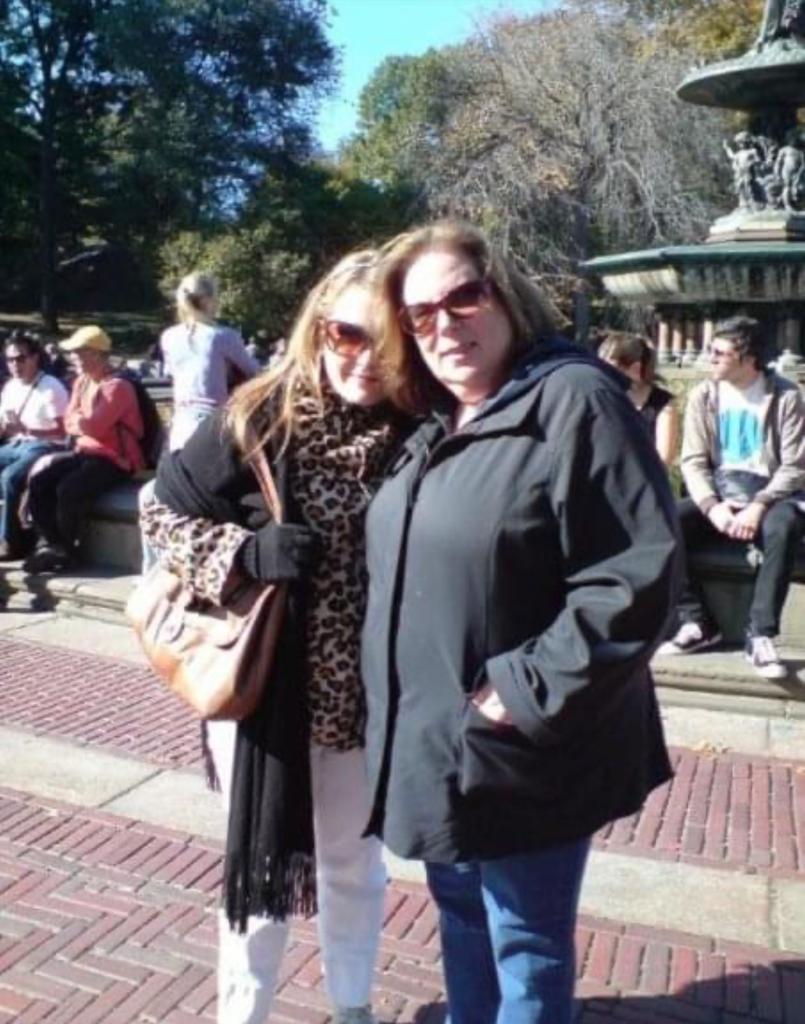
May would visit New York often throughout the 1990s, flying over from London every other weekend and crashing with one of her best friends, Kim Benjamin, founder of Kimco Entertainment and a leading agent in electronic music. May met Kim on her birthday in the queue at Miami’s Winter Music Conference at the Fontainebleau Miami Beach. Not a chance encounter, mind you: both women had agreed to met there at a time when no one yet had mobile phones.
“We’ve been best friends ever since. I’d never met an American woman in business before, because there weren’t too many of us around. And some of the women I would meet in those days weren’t very friendly, maybe because they saw us as competition or whatever it was. But Kim and I bonded instantly, and thanks to her, I got to go to New York every other month, go out to all the parties and see all the DJs. And her roster was so sick; she was just the coolest booking agent on the planet. She helped me sign Deep Dish, which was a pivotal moment in my career. We’re still best friends now, we do Christmas together.”
May’s hometown of London also brought forth a number of female forces of nature in those days, i.e. the late 1990s, early 2000s. Back then, Ministry of Sound was the place to be – the only chance to see some of the aforementioned techno pioneers, and others like Tony Humphries or Masters At Work, outside their home market. “It was the club where New York house DJs were playing in London from the minute it opened. I used to queue for six hours on the street to get into Ministry, and often I got knocked back by Mark Herman, who’s no longer with us, but he was the door guy. He was really mean, but we became good friends,” May recalls.
Running Saturday nights at the club back then was Lynn Cosgrave, who was charged by MoS founder James Palumbo to expand the business, she launched the Ministry of Sound record label in 1993, and got promoted to a director of the entire business in 1996, before she got poached by Sony, where she became a VP as well as the youngest and only female on the board, and which caused all sorts of legal disputes with her former employer. What isn’t being disputed is the fact that Cosgrave was one of the most influential and powerful players in UK music at the time.
May says “it was amazing to see such a young woman being put in those positions of power. It was inspirational to me in my early 20s, going, ‘I wonder if I could do that’. She’s definitely someone that I looked up to and admired for her success in business, and she was really bloody good at her job. She kept to herself, but, funnily enough, we’re now good friends. I once gave her ‘Lean In’, the book by Sheryl Sandberg, which she credits with making her realize that we all need to support each other as women in the music industry. She’s always been there for me, never declined a lunch, and has always listened to me blaring on. She’s way more serious than me and much more concise in terms of her outlook. I just talk too much, and somewhere I still get the results. But she’s a proper business person, the real deal.”
Aside from business executives that helped take dance music from the underground to the radio, from clubs to arenas and stadiums, there’s also a long list of female artists, producers, DJs, multi-instrumentalists, who’ve shaped the electronic sound like few others. One of the first that comes to mind is Sister Bliss, incredible keyboarder, one half of the legendary Faithless and, as May puts it, “the absolute G.O.A.T. of female DJs. If I know she’s playing at a festival, I’ll go because I just love her music. Add the whole thing with Faithless, and I honestly think Bliss doesn’t get the credit that’s due for what she’s done for women in music. She’s an incredible musician, DJ, and businesswoman. There’s not really much more I can add to that.”
Next on the list is Nancy Noise, one of the main reasons the Balearic Beat and Acid House sound from Ibiza became so hugely poplar in the UK. She was part of the same Ibiza travel party as people like Paul Oakenfold or Danny Rampling – who are usually the first names mentioned when it comes to this particular style of electronic music. She fell in love with the Balearic vibe and brought it home, playing it at “house parties in Essex in 1987 before clubs like Shoom even started,” as she told DJHistory in a 2023 interview.
May knew her from the London club scene, and describes her as “another woman that really doesn’t get the credit due for what she’s done, certainly when it comes to the Ballearic sound and that whole vibe in the early days. She’s still DJing now, and doing amazing. She’s was really inspiring to me, as one of the original lot that were doing things in London. She’s just such a lovely woman, and one of the icons of that late 1980s, early 1990s period in dance music for sure.”
Lottie is another famous female DJ, who’s been performing around the world for the past 30 years, ever since getting her first weekly residency at London’s Gallery in 1996. She was one of the first professional DJs to tour all across the UK and Europe, and performed on the radio as well. “She ran a club night with Caroline Prothero called Missdemeanors, which was every Thursday in London at The End, a phenomenal Thursday night. Most of us were still awake Friday morning, in the days when you were allowed to behave like that. Everybody from the music industry that was into dance music would meet on Thursdays at Missdemeanors. It was pretty infamous, and I just think that Lottie never really got the chance to go as big as some of the male DJs in the same cohort.”
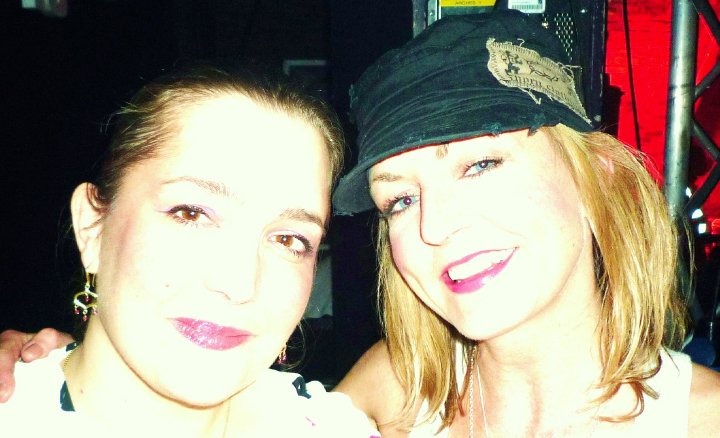
Speaking of Caroline Prothero: the former manager of May’s most famous client, David Guetta, is also her best friend and godmother to May’s daughter. Both women go way back to the time before May was an angent, working as a management assistant to famous UK rock band The Levellers in the early 1990s. They were a very political band, actively involved in fighting the Criminal Justice Act introduced by the UK government in 1994. It was a piece of legislation that clamped down on unlicensed raves, and introduced penalties for “anti-social behaviour” – all formulated in the typically vague wording of politicians. May helped The Levellers organize all of their marches and protests, and first met Prothero when she walked into Ministry of Sound (where Prothero used to work) to get the club to sign a petition against the proposed new legislation.
“I actually went in barefoot off a tour bus and asked if she would be willing to help me with this campaign,” May remembers, “and she made every single person coming to Ministry that month sign the petition. We just became friends from that point. When I became an agent a few years later, she was at Virgin Records, helping The Chemical Brothers, Daft Punk and many of the French Touch artists, which eventually led me to becoming David Guetta’s agent because she used to be his manager. She was one of the most inspiring and amazing brains to be around. Because of her record company experience, she really understood everything about how to package and put out artists. She taught me a lot and remains one of my favorite people in the world to this day.”
Only one woman ever took the number one spot on DJ Magazine’s Top 100 DJs Poll, and that was Smokin Jo in 1992. She once said in an interview that she started DJing because she’d notice on nights out that no women were doing the job: “I was like, ‘that’s not right, I’m going to do it’. It was almost just for a laugh, and I just got obsessed by it, and thought, ‘this is it’,” she said on Euromaxx, a show exploring culture and lifestyle, some 15 years ago.
May was a fully-fledged agent chasing talent by the time she first heard Smokin Jo perform, and thought, “she was the benchmark: a black female DJ that plays real house music. She contributed a lot to the evolution of our scene, but never really reached the heights she should have. And she’s got super opinions about why that is. A very lovely lady and really fantastic DJ.”
In that same interview, Smokin Jo recalls how “promoters wouldn’t book me in the right room, they’d put me in the side room, they’d pay me really crap money. It was hard, but because of my personality I didn’t really let that get to me. And I was very good at what I did. You’d literally get boys standing around the decks [their arms crossed], just waiting for you to make a mistake. There was a lot of pressure.” She also said that things have changed, though, and that “it’s not a big deal anymore, it’s almost a plus if you’re a woman, you almost get a little bit more respect, whereas in the past you’d be looked down upon a little bit, but it’s even cool now.”

Getting her artists into the right rooms is one of the things May focuses on with her own clients, female and male. One of them, Layla Benitez, a Miami Space resident, talked about the advantages of working with a female agent during this year’s Bridge Conference in Croatia, where she said: “Maria just understands what it’s like to be a woman, I think that’s extremely valuable. It would definitely be different with a male agent. First of all, she’s fighting for me constantly, she brings my name into rooms that I would never have been in before. She really wants to see me win, and I can feel that for every booking with her.”
Case in point: in 2023, Benitez lost her set time at EXIT festival in Serbia, due to flight delays. “Maria called them and fought for me as hard as she could, and they decided that I would get the sunrise set. I spoke with Maria on the phone, something along the lines of, ‘this is a huge opportunity, they’re really going to believe in you’. But they really wouldn’t have believed in me, if it wasn’t for Maria. She convinced them, she pushed for me, and they believed in me because she believed in me,” she recalled.
One of the first female artists May ever signed as an agent – and if not the first, than certainly “the most phenomenal one to walk into my orbit” – was Róisín Murphy in Moloko. “I first saw her sitting in a dog basket barking at the audience. That day changed my life. We’ve now worked with each other for nearly 30 years, and I’d say, what a great artist! I really have enjoyed my relationship with her. She is truly brilliant artistically. Truly!”
There were many more women mentioned in May’s IMS Legends Award acceptance speech, like Abigail Adams, founder of Movin’ Records, often referred to as the “fairy godmother” of New Jersey house music; Amy Thompson, who began at Ministry of Sound before starting her own management agency, working with the likes of Groove Armada, Cassius, and three Swedish DJs by the names of Axwell, Sebastian Ingrosso and Steve Angello, who went on to conquer the world as Swedish House Mafia; Sarah Broadbent, the booker at the world-famous Space Ibiza (now Hï Ibiza); Dawn Hindle, one of the creators of Ibiza’s famous Manumission club night, and one reason Ibiza’s cultural scene looks the way it does today; Judy Griffith, black female promoter at legendary London nightclub Fabric, booking the most underground, cutting-edge music across a career that spans 30 years.
“All of these women,” says May, “weren’t just brilliant, they’ve also always just been so kind. They began redefining the mold of how we all started to treat each other as women in the music industry. When you’re a 22-year old, the night-club scene can be completely overwhelming. And while most of these women aren’t massively older than me, maybe seven years, maybe nine, when you’re 22, it’s quite a big difference, and these women really looked out for me besides being great fun to be with.”
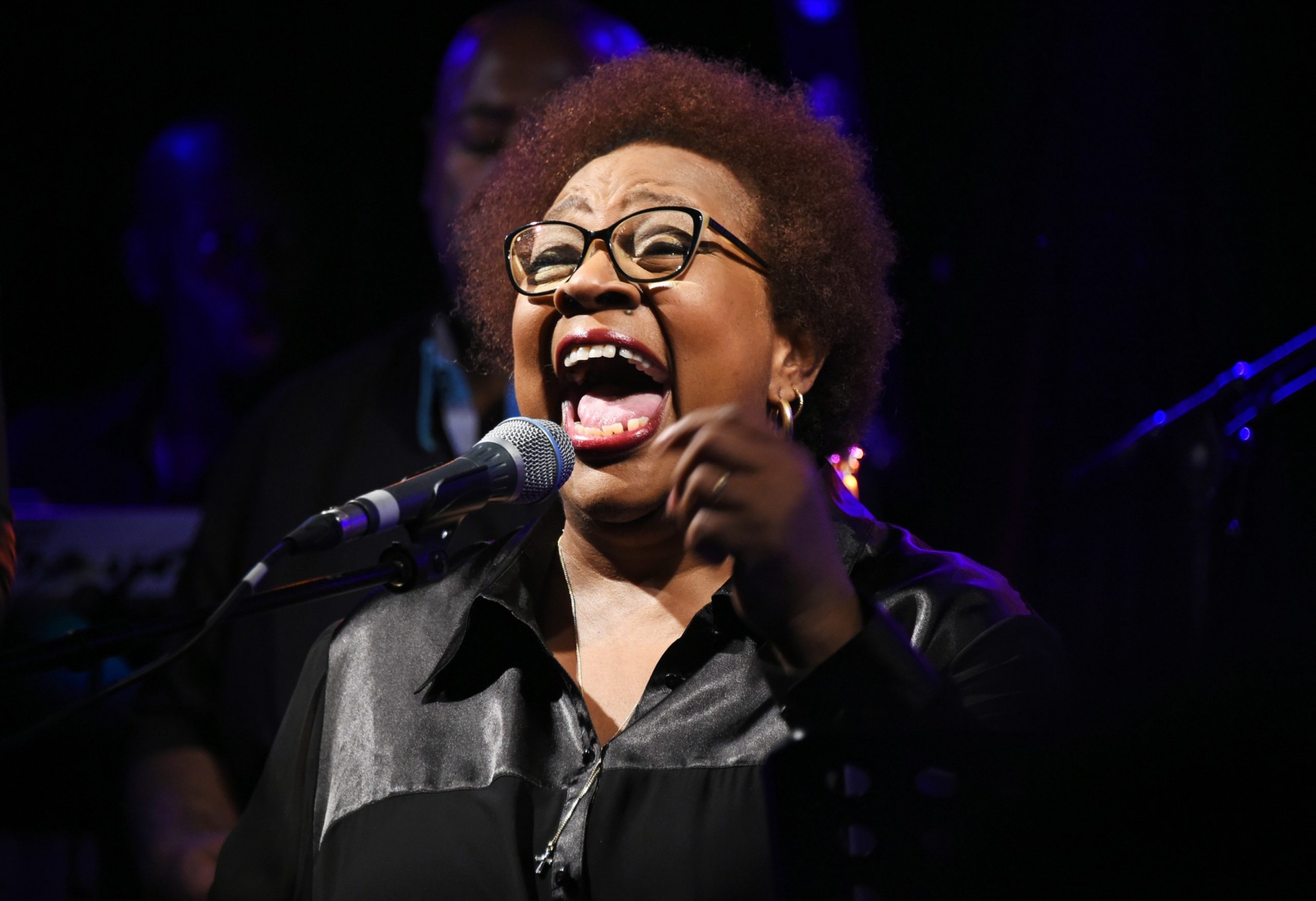
May also highlighted the many black voices in house music during her IMS Award speech, including “queens like Jocelyn Brown, Barbara Tucker, Candi Staton, Ultra Naté, Kathy Brown,” without whom some of the most iconic house tracks of all time would have come and gone without anybody noticing. “It’s important to me to correct the narrative that exists about the people that actually contributed to the house music scene and to the electronic music scene, who created all those building blocks that have gotten us to this point where we’ve got a billion-dollar global business on our hands. It’s really important to make sure that we get this right, that people get the credit that’s due. When I won this award, I felt very strongly that I needed to read out these people’s names and credit them, because if it wasn’t for all of these people, I wouldn’t have got to where I got to either.”
The fight for equality, according to May is “a constant battle. Even now, we’re constantly looking at lineups and asking, ‘why isn’t this more diverse?’ And we still have conversations with promoters who tell us they can’t get the talent, there’s no one available. There are so many promoters at the moment that are trying hard to do this. We’ve got a lot of artists on our roster, who are saying they won’t perform on bills anymore unless the lineup is more diverse, and that is making real change, real fast. It does really come down to the headliners dictating how they feel about things. I still think that women are unrepresented at board level, and at artist level. It’s getting better for sure, but we should not be thinking that all of our work over the last 20, 30 years had been enough, and we can now rest on our laurels. If you look at the world right now, it can sometimes feels like we’re going backwards in the fight for real equality, and I’m not just talking about women.”
May says she works for a company that “really upholds these values, and I know it sounds like the speech, but honestly, one of the main reasons I came to CAA was because these values were very important to them. Things I’ve learned over the last 15 years at CAA as part of the training that I’ve been given, I’ve actually taken out into my community and my industry, and created some real opportunities, and some deep thinking on these matters. It’s reflected in how the company works, how it employs and treats people, and it goes to show that it all comes down to good leadership. If you have a diverse workforce, you create opportunities for a diverse roster. We attract diverse clients to our business if we’re advocating for these things in the right way. So, I think it’s actually really good for business to do this.”
May, who has experienced her fair share of misogynistic behavior across her long career, chooses to focus on the positive. “I try not to labor on that. What I want to do is talk about what all these women did, so that electronic music history is rewritten and credit is given where credit is due.”
FREE
 Daily Pulse
Subscribe
 Daily Pulse
Subscribe