
The Biz: Economy’s Heartburn Could Be Live’s Heartache
Could Wall Street Woes Portend Live Downturn?
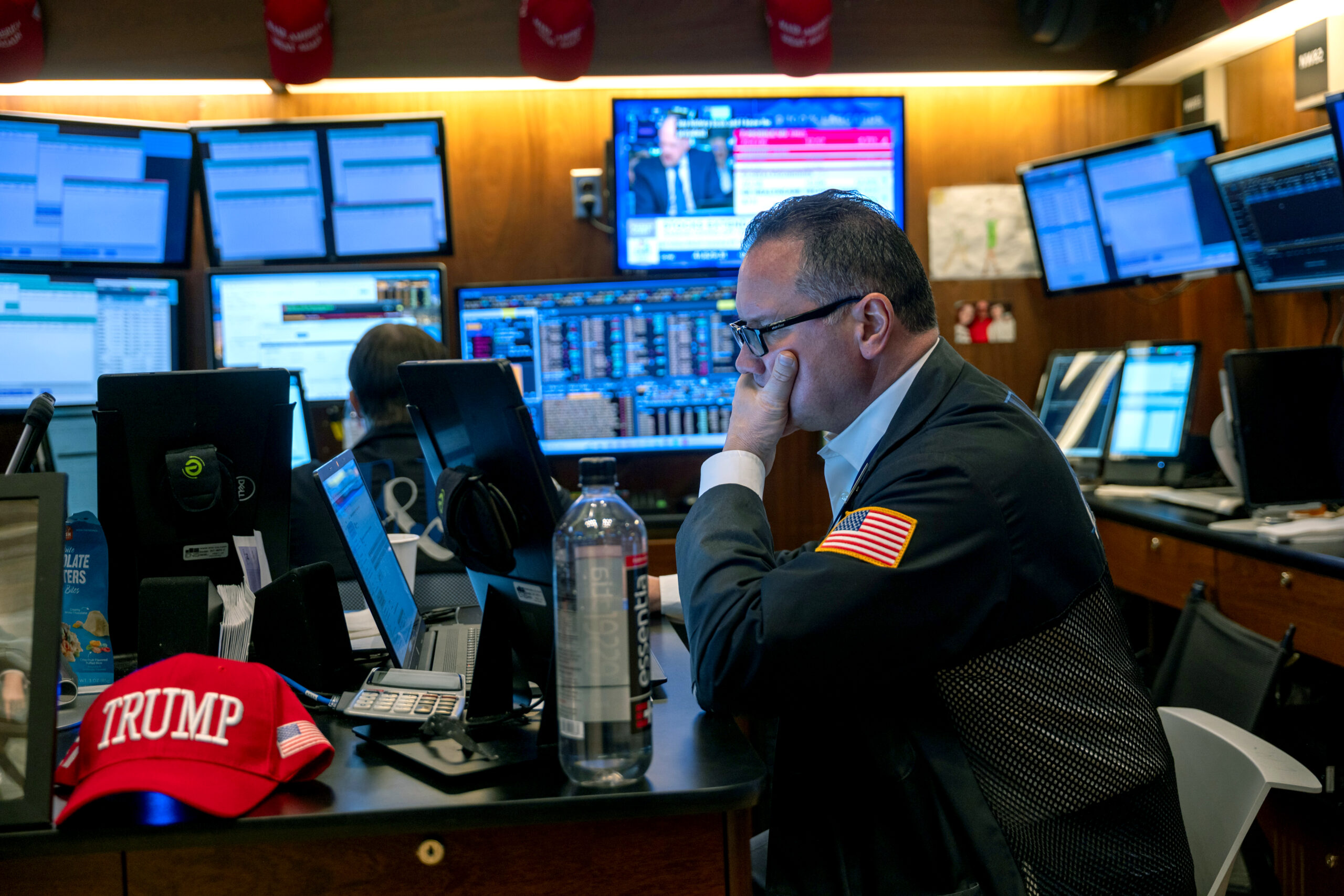
The stock market has been roiled this month by President Donald Trump’s tariff whiplash, as he threatens and rescinds and reinstates broad tariffs on imports from the U.S.’s biggest trading partners. Both the Dow Jones Industrial Average and the broader S&P 500 are down nearly 6% since the beginning of March.
It’s not just Wall Street that’s expressing concern. Consumer sentiment surveys show an increasingly leery purchasing public, as well. Deloitte’s quarterly report showed a continued decline in discretionary spending expectations and a concomitant increase in what Americans believe they’ll spend on essentials. A CNN poll released March 12 had Trump with a 56% disapproval rating on his handling of the economy, a stark reversal from polling just before his inauguration in which 53% of Americans expressed confidence in his economic policies.
The long-and-short is that Americans are worried about the economy’s prospects and clearly intend to tighten the belt. And that’s less-than-good news for industries — like live — that rely on consumers feeling rosy enough to shell out for goods and services that aren’t essential.
Live Nation’s stock price has nosedived since hitting all-time highs in February, now trading in the low $120s, off more than 20% from its record and well below the $165-$175 price targets set by the major analysis houses after the company’s year-end earnings report.
Still, it will take time to determine what the long-term impact is on the business. With higher tariffs, input costs are no doubt going to rise, but the question remains whether the concert-going public will stomach higher ticket prices on top of higher prices everywhere else.
Because tickets are a time-forward purchase — that is, the money is long spent by the time the event actually occurs — short-term heartburn is unlikely to cause long-term heartache. But if a recession really is in the offing or if the public just believes one is pending, people will eventually stop buying tickets and may well try to offload ones they’ve already bought for a cash infusion. Now the knock-on begins: per-caps decline, ancillary spending evaporates and touring becomes less viable. And because of the time-forward nature of ticketbuying, the concert slump extends beyond the technical end of the broader downturn.
Little Spheres Everywhere?
During Sphere Entertainment’s earnings call, Chairman and CEO James Dolan confirmed that the company was in the planning stage for a potential rollout of a scaled-down version of the eponymous, groundbreaking Las Vegas venue.
The “mini-spheres” would be located in mid-size markets and seat 5,000 (the original can seat up to 20,000 depending on the setup).
It’s an idea that’s been mooted since even before the Vegas venue debuted. One of the advantages of a sphere is that it’s infinitely scalable both larger and smaller; the proportions are consistent and a matter of (relatively) simple multiplication.
A network of smaller Spheres would also make playing the venue more viable for a broader subset of artists by lowering production costs and removing the barrier of having to set up shop on the Strip for weeks or months at a time. And it would open the door for fans who cannot or may not want to swallow the added expense of a trip to Las Vegas.
For now, the only confirmed new Sphere is a full-sized version set for Abu Dhabi, built in cooperation with the UAE and local government.
UMG Bets Big On ‘Streaming 2.0’
Recording and publishing giant Universal Music Group released its annual earnings March 6, reporting revenues of €11.834 billion ($12.81 billion), up 7.6% year-over-year.
Subscription revenues were €4.624 billion ($5 billion) annually, up 9.1%.
Sir Lucian Grainge, chairman and CEO, noted that UMG’s EBITDA has grown by double-digits annually since its 2021 IPO after its spin-out from Vivendi.
Looking forward, Grainge emphasized a strategy centered around breaking new artists — two of 2024’s biggest breakout artists, Sabrina Carpenter and Chappell Roan, are on UMG’s roster — and a new era of streaming that the company is appropriately labeling “Streaming 2.0.”
The strategy relies on segmented offerings with premium offerings targeted at so-called superfans, which UMG and its partners believe will lead to higher average revenue per user with a combination of higher subscription prices in general and bigger increases on the backs of the superfans.
“This next stage of streaming will see it evolve into a more sustainable and growing artist-centric ecosystem that improves monetization and delivers great experiences for fans,” Grainge said on an earnings call. “At the same time, enhanced consumer acquisition strategies will drive greater conversion by fans from free to paid. And then from paid on to super premium tiers enabling us to segment and [improve] customer value at higher than ever levels.”
FREE
 Daily Pulse
Subscribe
Daily Pulse
Subscribe
 Daily Pulse
Subscribe
Daily Pulse
Subscribe