
Industry Insights: Touring Execs Forecast 2025 Touring business

Pollstar has heralded a new “Golden Era” for concert touring since (at least) 2019 when the industry’s continued globalization and super-star stadium tours continued to demonstrate again that the live experience continues to offer unique experiences — with fans more than willing to come out and pay accordingly.
With seemingly every calendar year bringing a new record-breaking blockbuster tour, a sizable contingent of doubters keep wondering if the bottom will fall out — whether macroeconomic pressures like inflation and political uncertainty lead to soft demand, or plain old greed and oversaturation cannibalize ticket sales and leave fans with too many options, or something in between.
No single artist may be able to make up for the $1 billion generated alone in ticket sales by Taylor Swift in consecutive years, but superstars like The Weeknd, Beyoncé and the duo of Kendrick Lamar and SZA are announcing multiple-night, Taylor-sized shows across the country — and adding more dates after blowing out initial onsales.
As we get deeper into onsale season, many talent-focused industry execs are reporting continued momentum and optimism heading into spring.
“A lot of the touring business is healthy, and I think it’ll continue to be healthy,” says Independent Artist Group’s Jarred Arfa, mentioning strength in rock tours like Pantera, Ghost and Disturbed (not to mention metal juggernauts Metallica, which the agency also represents). However, post-COVID, some artists need to be mindful of over-playing markets and potentially drying up demand. “I think it’s going to be more like it was before (COVID). I know everyone last year made a big deal about some of the cancellations, but everyone’s forgetting cancellations do happen. “We’ve had more winners than losers, but not everything is bulletproof the way it was two or three years ago.”
That could mean more opportunities worldwide, for those willing to put in the time and effort.
“This year, some of our tours in Europe and other countries might be doing better than in North America, but I think the really strong artists are still the really strong artists,” he says, mentioning international stars like Billy Joel, who announced gigs at three separate New York City stadiums.
He also sees strong demand for R&B and hip-hop as fans of the ‘90 and 2000s hitmakers move into their high-discretionary-income years.
“Ne-Yo worldwide did two O2s and sold it out, two Resorts World Arenas in Birmingham sold out amongst other sold out dates throughout the world — the guy had 15 hits and wrote them all, and is the real deal as a singer and performer,” Arfa said.
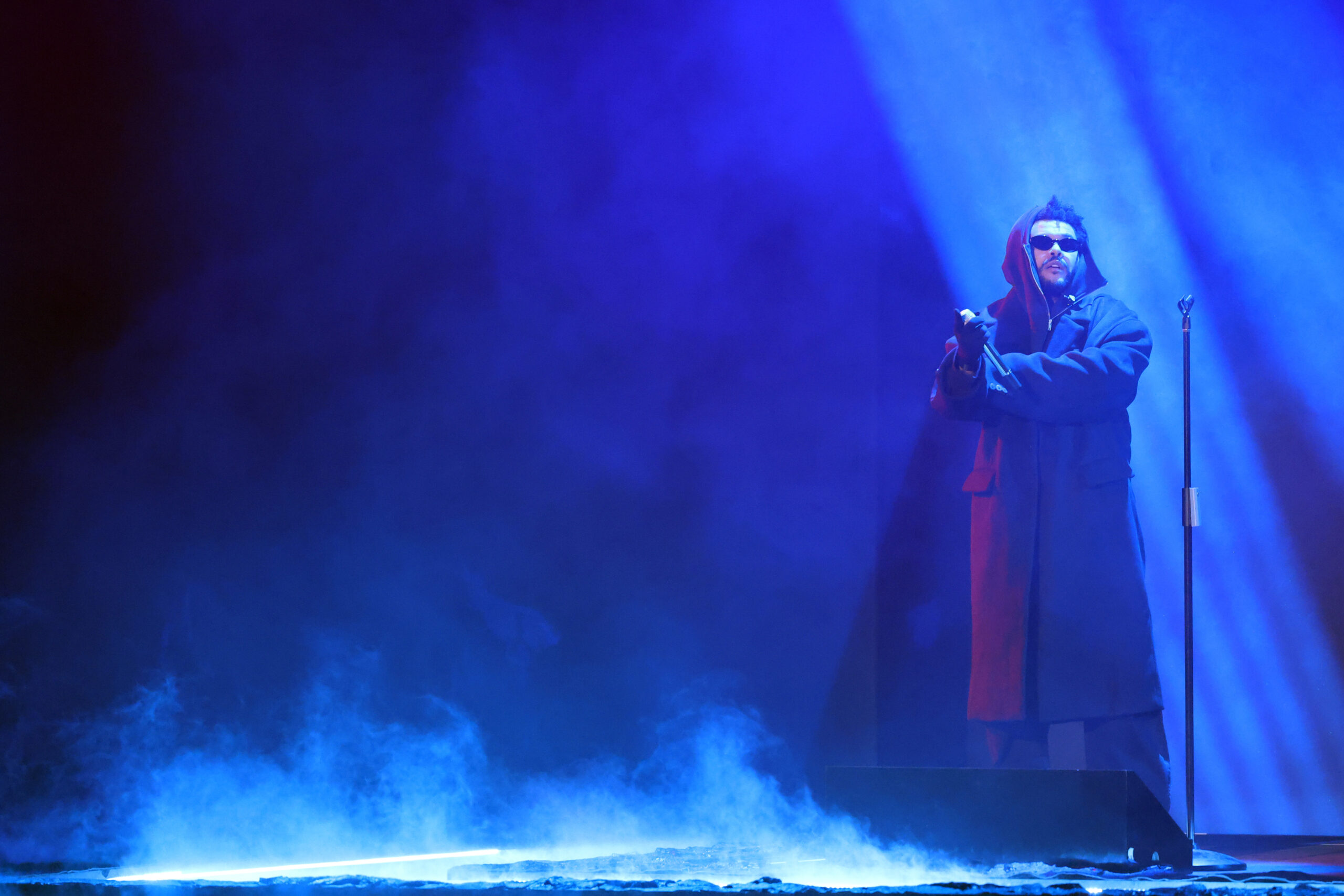
As talent agencies are juggling client rosters and maximizing volume on the road, artist managers are crucial in helping their clients make a splash to reach fans in the biggest way possible.
“We were hearing in the fall, everyone saying it was just so grim for touring and all that, but I had two headliners go out and one did 98% business and the other did 95%,” said Andrew Jarrin, artist manager at the newly launched Culture Wave. He says a New Jersey-focused co-bill with Senses Fail and Saves The Day saw the bands’ biggest tours yet.
“We didn’t wait to the last minute to announce those stories, we allowed five months to market that tour and the artists themselves were not over-toured. It’s about putting together strong packages, investing into marketing the tour and finding ways to actually make the tour a moment.”
With a long runway required in booking, announcing and marketing tours, a lot can change in six to eight months, which leads to the need to adapt and plan accordingly. A turbulent regime change in the United States has many wondering what international travel – and touring – could look like come summer or fall.
“While not purposely put out to hurt the touring industry, I’m sure there will be some indirect effects and complications,” says Paul Bradley, CEO of Eventric, whose Master Tour event management platform is used by tens of thousands of tour crew while on the road. He says while not a perfect gauge, his company’s software gives a good reflection of number of people on the road advancing shows and staging rehearsals, and 2025 so far appears on pace to match or beat 2024. “The things I worry about and see as potential issues are tariffs, how that’s going to affect shipping gear, the ease of visas and the ease of transporting to other countries.”
Music festivals often serve as a barometer for the health of the music industry and, although the size and experience vary from event to event, more is almost always a good thing —bigger lineups, more stages, tickets sold.
“The festival world feels pretty healthy this year,” C3 Presents’ Huston Powell said in a recent interview, noting strength of large events like Bonnaroo, Governors Ball and Lollapalooza as well as more boutique events like Sea.Hear.Now in New Jersey and Oceans Calling in Maryland.
Eager to announce lineups for Lollapalooza, Shaky Knees and ACL among others, Powell said, “We feel more optimistic than pessimistic, which is rare.”
FREE
 Daily Pulse
Subscribe
Daily Pulse
Subscribe
 Daily Pulse
Subscribe
Daily Pulse
Subscribe