
The Biz: What Wall Street Sees In Live’s 2026; The Indies’ Investment & More
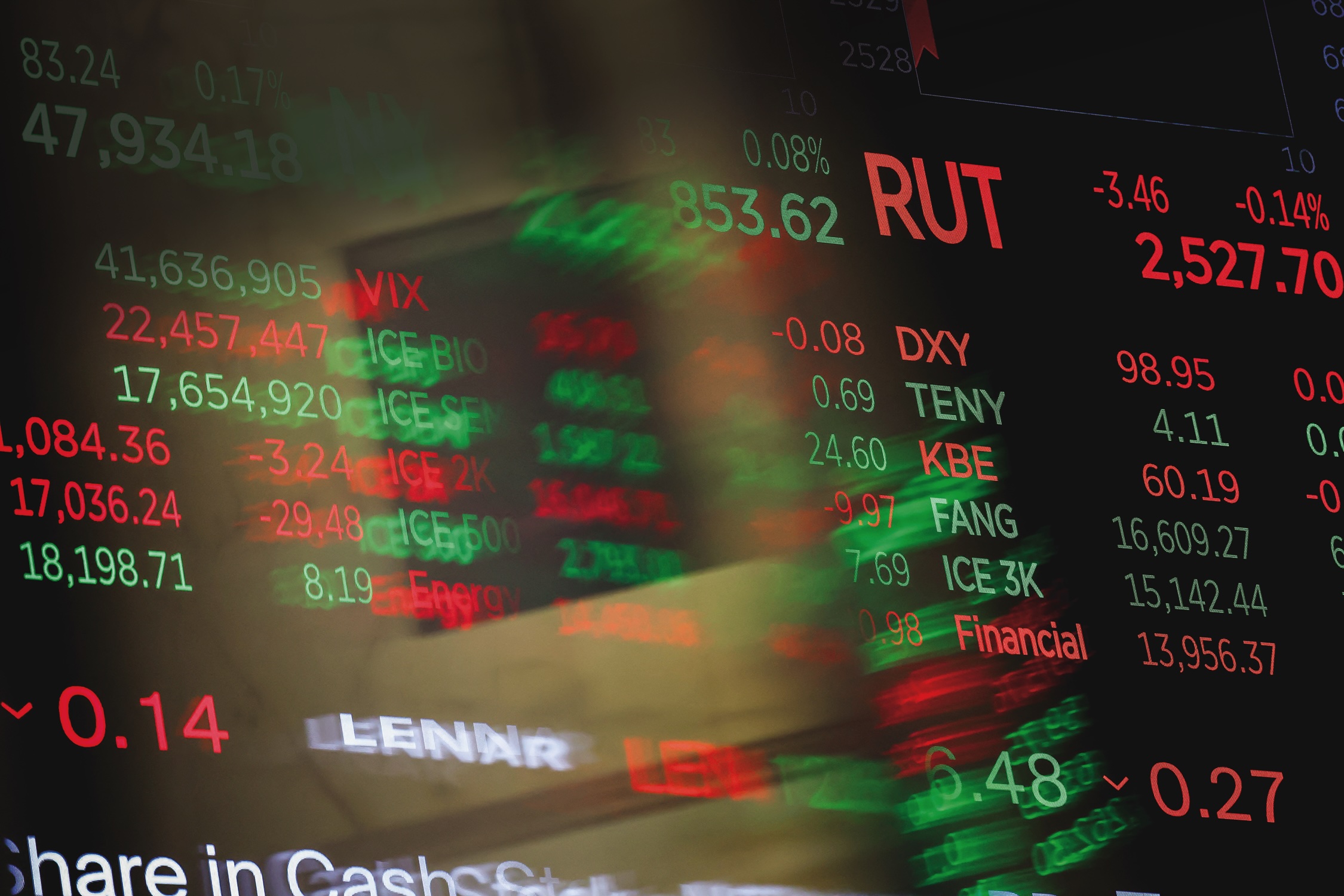
t was a strong year for publicly held live entertainment corporations on Wall Street.
Live Nation and Grand Ole Opry owner — and with the acquisition of Southern Entertainment, festival promoter — Ryman Hospitality both hit all-time high share prices (see page 97). On the back of impressive returns from “The Wizard of Oz,” Sphere Entertainment’s price nearly doubled. WWE and UFC parent TKO is a darling among investors.
Now, attention turns to whether that momentum can continue into the New Year.
Despite all the seeming headwinds — economic malaise, a looming antitrust trial, predictable legislative and regulatory poking — the Street is still bullish on Live Nation, for starters. The median price target is $170 and with its current price dancing around $140, it’s maintained a buy rating from nearly every investment house and has only received one downgrade — and that was from buy to neutral — in the last six months.
It’s not all sunshine and charging bulls, as there’s a good dose of caution tempering the optimism. Zacks recently revised down bottom line expectations for Live Nation
for the second quarter of 2026 and when shares of LYV went on the rise after the company reported record revenues in Q3, Zacks noted that cost increases — especially in support for stadium shows — are holding down profits and, if the global economy slows — and if consumer sentiment stays anemic in the U.S. — a demand crunch could rattle the cage.
RHP gets major marks from analysts because it’s primarily a real estate company that just happens to own one of America’s most enduring entertainment institutions. That diversification fends off recession fears — after all, if the hotel side of the business drops off, it’s not like the Opry is going anywhere; the now-century-old show broadcasts every Saturday come hell or (as its persistence through the 2010 flood in Nashville proved) highwater.
Sphere’s outlook is more mixed. The Street was excited as anybody with the success of “The Wizard of Oz at Sphere” — which has now sold more than 1.5 million tickets — but virtually no one expects profitability from the company in the coming years, though some of that is due to the company owning the Madison Square Garden family of regional sports networks in an era of cord-cutting and difficult carriage negotiations and because the venue side of the business is still in its infancy, with plenty of expansion — and spending — expected.
It’s easy to find analysts who think Sphere is overpriced in the low- to -mid-$80 range and it’s easy to find analysts tagging SPHR shares with a “buy” recommendation. The success of non-Vegas versions of the technofuturist building — and the ability to find a follow-on success to Dorothy, Toto et. al — would do much to firm up a positive vibe around the company.
Goldman Sachs’ annual “Music InThe Air” report predicts annualized growth of 7.2% for the live sector through 2030, when global revenues of ticket sales and sponsorships are expected to hit $52.6 billion. In 2026, Goldman is looking for revenues of $40.5 billion, up around 6% from 2025. The takeaway there is that live is still a good bet but its best years are actually yet to come.
In large part, that’s attributable to what laymen would call the seemingly recession-proof (or at least recession-resistant) nature of live music. An economist, on the other hand, would say the last six years or so have shown that the tickets for the top of the concert market are inelastic; that is: demand doesn’t seem to slow in response to price, as average prices for top tours have grown 50% since 2019 with no downside in demand.
The Importance of Indie Label Investment
Indie labels punch above their weight, according to a new study from the Organization for Recorded Culture and Arts.
The think tank studied nine global independent labels and found they invested an average of $236,197 per artist in 2023, or a total of $134 million.
Those labels generated more than $239 million in revenue for a return of $1.77 per each $1 spent. The largest share of the investment — nearly half — went toward organizational infrastructure and capacity. Artist marketing, distribution and visibility support amounted to 36.4%. Creative development and production accounted for almost 10%.
“If these numbers represent just nine labels, it follows that the global independent label sector, composed of thousands of businesses, contributes many times more in overall investment and economic impact,” the report said.
Indie labels also do far better with physical sales than do their major label counterparts, with more than a quarter of their sales in physical form. For the industry at-large, that figure is around 17%.
FREE
 Daily Pulse
Subscribe
Daily Pulse
Subscribe
 Daily Pulse
Subscribe
Daily Pulse
Subscribe