
‘There’s Not Many Companies Providing A Festival With £5M In Funding Today’: Q’s With Ritesh Patel, Co-Founder, Ticket Fairy
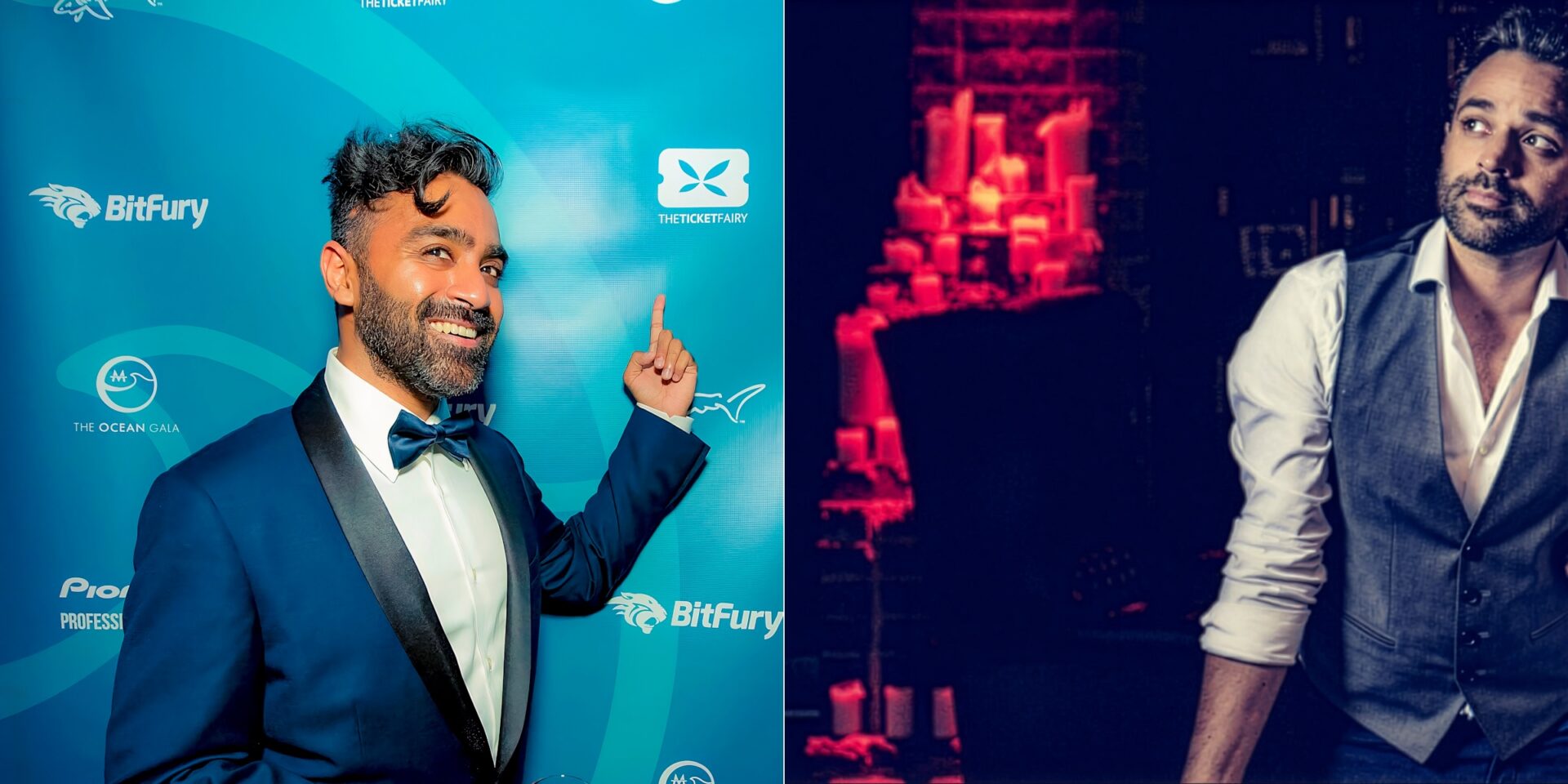
Ticket Fairy, by its own admission, is “a next-generation event ticketing, marketing, management, intelligence and revenue acceleration platform, providing event promoters and venue managers the tools necessary to increase attendance levels, social media exposure and consumer engagement” all in order to “provide an enhanced experience to their patrons.”
In other words, it promises to automate revenue for event promoters and venue operators and help them make more cash. A lot has been happening at the Ticket Fairy HQ in LA in the past few months, including the addition of a suite of AI features, which are meant to empower the independent events industry in particular in order for them to be able to stay competitive with the giants of the industry.
The AI‑powered operating system, dubbed Ticket Fairy 3.0, combines autonomous AI agents, integrated multi‑currency banking and working capital financing into a single system designed for independent festivals, venues and promoters.
While all of these technological additions are impressive, Ticket Fairy’s arguably greatest service to independent event professionals is a unique funding facility driven by private credit partners that provide capital for the company’s festival and venue clients – hard cash they can invest in the many upfront costs you have to deal with when working in events, which aren’t getting any cheaper. It is called Ticket Fairy Capital.
It’s an industry-first that almost sounds too good to be true, which is why Pollstar reached out to Patel to ask him how exactly it all works.
Pollstar: How does Ticket Fairy work?
Ritesh Patel: Once a fan buys a ticket, they immediately get offered their money back if they help bring more people to that gig. If you’ve already got someone who’s willing to pay for a show because they’re a fan, the best way to find other people is to incentivize them to get their group involved.
My theory was that it would help bring in 10% more ticket sales, which is the difference between losing money and breaking even, or breaking even and turning a profit. We launched it, and it actually brings in 20% more ticket sales, making it clear that it was something we had to take to market.
When did you launch?
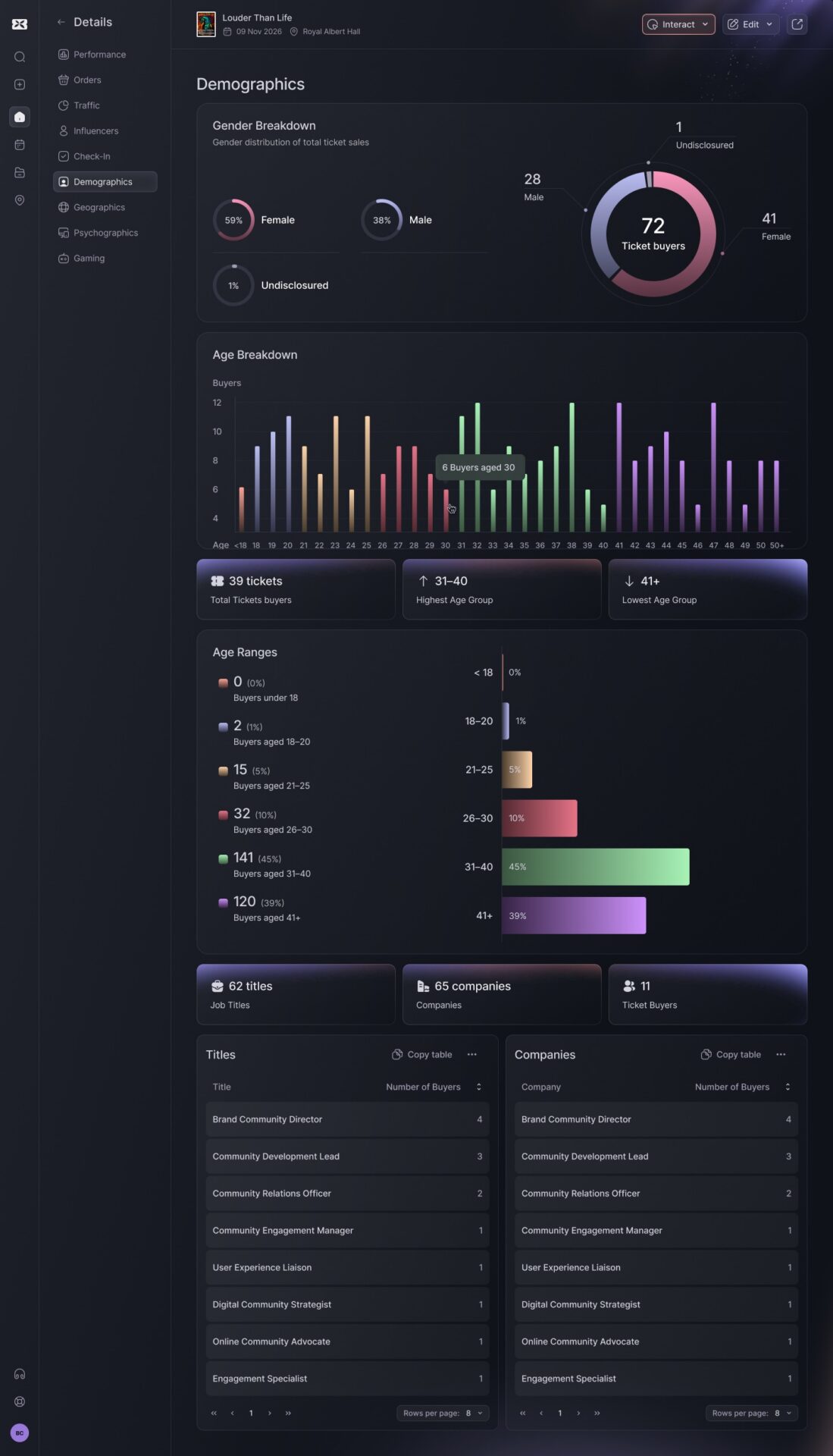
This cash-back model launched in 2011. Since then, we added various tools, including a face-value resale option for events desiring one; a CRM platform, mass-scale marketing, analytics, operational tools, and more. I always say, that we’re not a ticketing platform, but I have to do the ticket to be able to control the money, interact with the fan and get the data. But what Ticket Fairy actually is, is a a full-service marketing and event management suite, all dedicated to helping the promoter or the venue make more money.
How many tickets have you sold so far?
We’ve sold $300 million worth of tickets through the platform. It’s operational in the U.S., Canada, Mexico, Australia and New Zealand, Singapore, Indonesia, India, the EU, and, at a very small scale, in the UK.
Why’s that?
The UK’s an allocation-based market. Promoters tend to put their tickets on several different platforms. But the way our tech is structured, managing the entire event, including marketing and ticket resale, it actually makes sense to do 100% of tickets with us.
The launch of Ticket Fairy Capital suggests you’re tackling the UK in earnest.
Yes, it allows us to go back in really strong. Festival and gig buying patterns have changed drastically over the last couple of years to last minute. Festivals and venues are dying because no one’s buying until the week of the gig, or the day of the gig. There’s a big need for a large amount of cash flow early on, especially in the festival world. We’re coming in with a combination of millions in funding and this really complex stack of software that helps generate more revenue. It’s a double win for the promoter.
So the funding facilitated by Ticket Fairy directly gives festivals the cash injection they need in absence of early advance ticket sales?
Exactly. Ticket pre-sales used to be enough to pay your deposits. Given the new buying patterns, festival promoters can’t pay the agencies or invoices, and are forced to cancel the gig. We can help you with up to £5 million [$6.7 million] in funding way before your event starts to sell. Months worth of cash flow to pay all your artists, to lock in and announce your lineup. You don’t need to rely on ticket sales to pay those deposits.
Tying into that is our refer-your-friends-and-get-your-money-back thing. One reason sales happen late is that you might see a show you think looks really good, but you’re not going to spend your money until you know that you’ve got someone to go with. Since we incentivize buyers to find other buyers right at the point of purchase, you may commit way earlier than you normally would have done, because now you know you have someone to go with. Next thing you know, a third person commits, and suddenly you have a group of 10 going. So, it speeds up the rate of sales as well.
If you’re already sold out, you save a bunch of panic marketing spend in the lead-up to the event, as well. So, there’s a lot of different things we have in the platform that really help with driving earlier sales and cash flow. There’s probably not that many companies that can provide a festival with £5 million in funding today.
Who’s providing the finances?
We’ve been looking for a partner to provide the funding for a while, and we found a really good one in the UK, who understands the UK market. They are a separate credit fund providing a couple of hundreds of millions in funding, which can be scaled up if need be.
Are there other ways of unlocking revenues for live events?
We built a function where you can upload the artwork for the different wristbands a festival utilizes, and map them to the different tickets in advance. So, when you scan the QR code at the gates, it visually shows you which wristband to hand out on the screen. It reduces the time it takes to process each person. If you multiply that by 10,000 people, and all those people are in one or two hours earlier, and they buy one drink each, the festival just sold 10,000 more drinks.
Or say you’ve got a multi-genre festival with a lineup of 200 artists. You might have a really good ads team that’s running loads of different campaigns, including genre and artist-based ads. But if someone clicks on them, they still get funneled to the same ticketing page. Someone might see an obscure niche artist in an ad, click on the ad, but because the lineup poster on the ticketing page has that artists listed in a tiny font or not at all, they’re going to close the page again, thinking it’s not relevant to them after all.
We offer a way for you to make as many ticket pages as you want as additional landing pages from the main ticket page. You can have your main ticket page listing all your artists, but you can also have a landing page just for bass music fans with different content, different artwork, and you can drive your bass music campaign to the bass music landing page. You can give a sponsor a branded page that they’re more likely to push. You can give an artist their own individualized ticket page that talks about them first and only then about rest of the lineup. Now that the ad has become relevant to the person, who clicked on it, the conversion rate is going to go up.
We do all those little things that are best practices for huge consumer brands, but not in independent event promotion. Let us automate as much as possible. Let us bring in the toolkits that allow you to unlock 10% more margin here, 20% more ticket sales there, because the fans are pushing your gig. Conversion rates go up by 40%, the gate process means you’ll get people in three times as fast, and you’re selling more f&b. Everything adds up.
How does the grassroots sector in particular profit from working with you?
The great thing about grassroots is that they’re not homogenized, like most big festivals, which have become very cookie cutter and do the same thing. When I was doing gigs in the early 2000s, I was obsessed about getting the artists I discovered and loved to come and play my gig. I didn’t care if it was commercially viable or not, I just paired them with a bigger artist, put them on right before, and exposed that artist to as many people as I could, because I loved what they do. The grassroots community is really good at discovering early talent, the problem is that it’s not commercially viable most of the time. I see us as the STACK for everyone that isn’t Live Nation. We provide funding, infrastructure, best practices, and we have a bunch of stuff we’re doing on the AI side.
Like what?
When an artist gets confirmed, for instance, AI reads your artist contract, the riders, and it extracts everything that’s relevant. On the operational side, it for example tells you what equipment needs to be rented. Now, a two person team is able to do the same as a 20 person team, which is very relevant to the grassroots.
Small events and venue operators are obviously just as eligible as the bigger players to apply for our funding in order to pay for their deposits. The grassroots thing is actually the most important part of what we do. We want to give really good, unique event producers and venues a way to kind of do the same as the big guys.
FREE
 Daily Pulse
Subscribe
Daily Pulse
Subscribe
 Daily Pulse
Subscribe
Daily Pulse
Subscribe