
Live Nation’s Michael Rapino Vigorously Defends Company In States’ Anti-Trust Trial
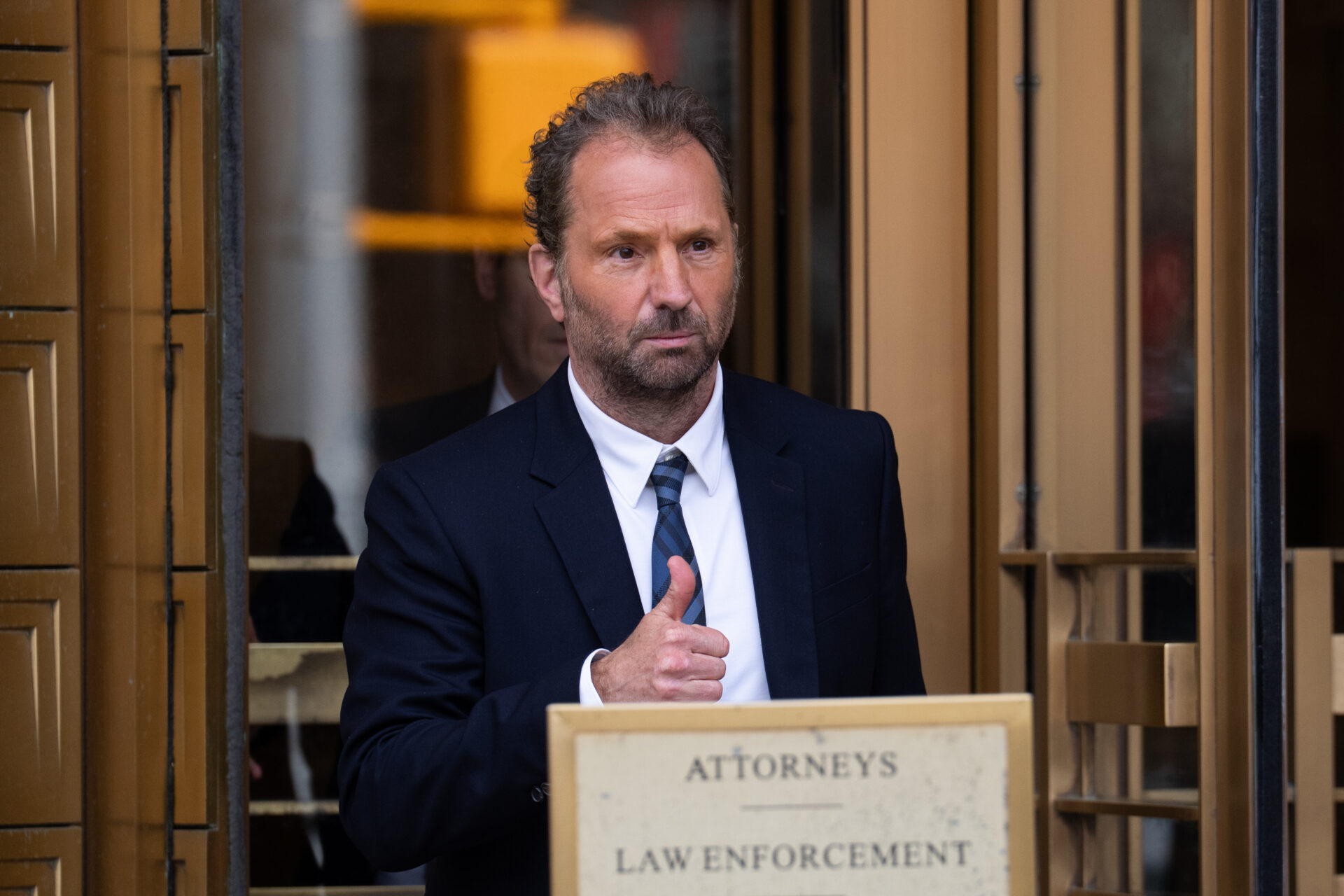
NEW YORK — Michael Rapino, President and CEO of Live Nation, testified on Thursday and vigorously defended his company against anti-trust allegations at the United States District Court for the Southern District of New York in Manhattan before District Judge Arun Subramanian. The world’s largest promoter is facing off against more than 30 states who declined to sign-off on a DOJ-Live Nation anti-trust settlement reached March 9 in a suit that began in May of 2024.
Attorney Jeffrey Kessler directly examined Rapino in what turned out to be a full day of rather grueling and repetitive questioning that ran the gamut from the pricing of lawn chairs at Live Nation amphitheaters ($15) to the company’s revenue model.
Live Nation Reaches Settlement With DOJ In Antitrust Case
The state attorneys announced today, after only the first week of testimony, they plan to rest their case next week. The original DOJ trial was initially set for five weeks.
“I’m very proud,” Rapino said, speaking of how more than 20 years ago his company took a fragmented industry and organized it to better serve artists and fans in a manner that other companies now try to emulate. In 2010, Live Nation merged with Ticketmaster.
Kessler, however, repeatedly tried to emphasize Live Nation’s profits, which he claimed came at the expense of fans, though artists often have the power to determine how their prices are set. The attorney focused on three levers he claimed Live Nation has control over: price, choice and quality.
When questioned about Live Nation’s profit margins, or adjusted operating income (AOI, the financial metric the company uses) and the company’s various divisions’ profits, Rapino said plainly, “We’ve done well for our investors, yes,” but he contested much of how Kessler framed that success. He said while sponsorships and ticket sales are the most lucrative, actual concert promotions are much more modest. “It’s not a standalone business,” Rapino said, underscoring the company’s flywheel model which includes several ancillary revenue streams contributing to revenues. He noted that other promoters are also moving toward the flywheel model.
The Risk-Taking Entrepreneurs Who Preceded Live Nation, Ticketmaster, DOJ Lawsuits
Kessler tried to make the case that Live Nation was forcing venues into exclusive contracts with Ticketmaster.
Rapino’s lawyers asked if the venue owners were subject to Live Nation’s pressure? “You’re dealing with 100 billionaires,” he replied. “You’re not telling them what to do with their venue. They look at all the options.”
He also testified that approximately 80% of Live Nation shows take place in venues the company does not own or operate.
Several times Subramanian paused to explain whether Rapino needed to respond or not to Kessler’s sometimes convoluted questions while his lawyers fired off objections and asked for sidebars. In one of the more chaotic moments, Rapino spoke on the sale of Webster Hall, but which Subramanian had already sustained an objection to the question.
Elsewhere, a contentious conversation was played between the Live Nation top executive and John Abbamondi of Barclays Center in which Barclays had ended their ticking contract and claimed the promoter stopped routing shows there. The conversation however seemed to support Rapino’s assertion that he had never threatened to pull talent from Barclays.
Live Nation Trial: As States Press On In Court, Lawmakers Push For Change On Capitol Hill
Rapino said he had not yet taken any disciplinary action against Ben Baker, the National Director of Ticketing for Ticketmaster who early in the trial was shown to be saying disparaging things about ticket buyers on a Slack channel. Rapino called it “disgusting” and said “it’s not the way we operate.” He added he will soon take action.
Two jurors were excused from duty due to financial hardship, and with no alternates, this leaves the decision down to just ten jurors, a couple of who seemed to be snoozing during the proceedings.
In 2025, Live Nation’s annual revenues surpassed $25 billion for the first time, a 9% jump from a record-setting 2024. Concert revenue checked in at $20.9 billion, up 10% against 2024, with the fourth quarter number of $5.15 billion up a strong 12% against the same time in 2024. Year-long ticketing revenues of $3.08 billion were in line with 2024’s number —up 3% — and basically flat for the quarter year-over-year with $846 million in revenue. Sponsorship continues to be a growth segment for LN. The company added $134 million this year for a 11% year-on-year improvement up to $1.33 billion.
Colin Lewis, a Live Nation Global Tour Promoter, is slated to testify today. Victoria Khan of the NY State Attorney General’s Office and Dr. Nicholas Hill an expert for the plaintiffs are slated for Monday.
FREE
 Daily Pulse
Subscribe
Daily Pulse
Subscribe
 Daily Pulse
Subscribe
Daily Pulse
Subscribe