
Pollstar Live! 2026: State Of Independents
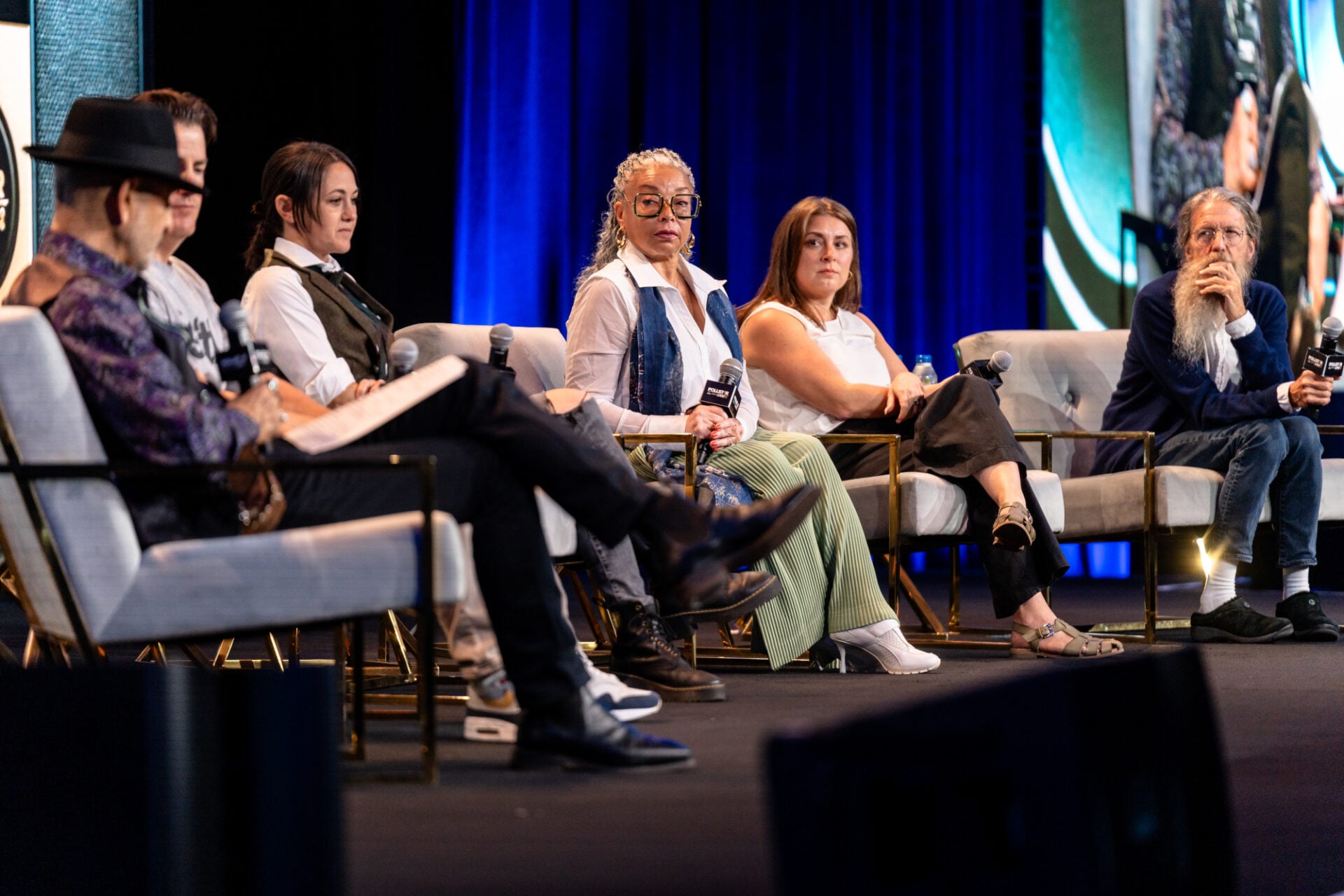
A panel of independent managers, agents, bookers and venues discussed the current competitive marketplace – and the independent sector’s role in it – at Pollstar Live! 2026.
Moderated by Wayne Forte (Entourage Talent Associates Ltd), the panel featured Thomas Cussins (Ineffable Music Group), Dayna Frank (First Avenue Productions), Shahida Mausi (The Right Productions, Inc.), Katie Nowak (TBA Agency), and Frank Riley (High Road Touring, LLC).
One theme that kept on recurring throughout the discussion was the fan experience, and how it needed to be protected.
According to Frank, the pandemic caused a generation of kids to miss out on their first gig-going experience. Many of them now thought that buying a ticket would set them back $500 and take all day. It was important to “re-introduce them to what we have to offer. Once they’re in, they’re hooked,” she said, adding, “that’s on us as an industry to protect that experience, and to make it easier, more affordable, more accessible so we can continually have generations of people that love live music as we do.”
The accessibility of live shows was talked about a lot. Riley said the independent venue world was “under dire threat. Clubs are going away, and I don’t know if they’re ever going to be replaced. Ticket prices, surcharges are too high. It’s hurting music, which should be the most populous art form on the planet, yet it is increasingly kept away from people.”
This, said Frank, has led to “a breakdown in trust between our industry and the fan,” and it was the job of everybody part of this industry, including the artists, local promoters, corporations and indies, as well as streamers to “build up that trust again.”
One way of doing that was to communicate better to the young audience, why they should be spending $30 for a Friday night show at their local club, instead of saving up all year for that one blockbuster stadium act. Frank pointed to the NIVA Spotify partnership that just got announced as a positive example.
Fans favoring the super tours was a real problem, according to Cussins, who said, “we have to make so you can casually attend a show on Tuesday night after work, and be sure to have a great experience.”
The panel also talked a lot about the advantages of being independent.
Cussins said, Indies were more nimble, they could develop artists, shows, events on a micro level and locally, without worrying about scale.
Mausi said, “we can also speak to issues of concern in a way that the big corporations can’t.”
The key to create stable business as an independent, she continued, was “building community”, and serving that community in a way that made it sustainable. She pointed to a Wednesday-night concert series her team has been putting on in Detroit for 40 years that features national touring acts as well as local talent. “It’s a small margin, we monitor it very closely, but it works,” she said.
Frank added, “We build community, we don’t commoditize community.” Minneapolis, where Frank is based, showed the world what a real community feels like when uniting in protests against I.C.E. in January, topped off by A Concert in Solidarity & Resistance to Defend Minnesota at First Avenue, a benefit concert collecting money for the families of I.C.E. victims Renee Good and Alex Pretti.
She thanked “everybody who sent their artists to Minneapolis” for that occasion.
Riley said, “Minneapolis has always had a community of spirit music, partly because it’s so isolated, and I think that has served you well.”
Nowak said the talk around music, fans and artists had become “very technified, but we’re not tech. We’re human beings. Going to a show is a very emotional decision, something that could potentially be the best day of your life.”
Coming from an artist’s perspective, she thought one of the ways to help the independent sector was to “create new models for artists to connect with their fans,” so they could build a relationship that wasn’t limited to social media, which took a lot of work, but was worth doing.
Cussins then wanted to focus on how to make the ticket “inherently more valuable.” His team has been experimenting with allowing refunds up until two weeks before the show, which would build consumer confidence. In his experience, only a fraction of people ever make use of that option, and the tiny amount of money lost was nothing compared to the “fan karma” built.
In terms of ticketing measures, Frank was a supporter of price caps, which earned her a round of applause from the audience at the Dolby Ballroom.
And since a lot of the high ticket prices are due to rising artist fees, she said “we need to be more creative to ensure artists’ income. Using the data tools to direct payments, PRO [money], etc. more effectively. A lot of areas of our industry are controlled by a couple companies across the value chain, not just Live Nation, but the PROs as well.”
At which point Cussins brought up the concept of user-centric payments from streaming services, which would mean that all subscription fees paid by any given user go exclusively to those acts they’re actually streaming in one month (rather than the current model, where all money ends up in one big pot and is paid out according to a formula that may be one of the best-kept secrets in music).
Cussins also pointed to high ticket taxes in some states, which took a huge chunk off the gross away. Reducing that tax would be another measure to keep ticket prices down.
With regard to the high fees charged by certain ticketing operators, Mausi said, “there are options to work with ticketing companies that don’t charge excessive fees,” encouraging everybody to make use of those options, because “the customer needs to know that we are on their side.”
She also talked about the community-forming aspects of maintaining a physical boxoffice. “We hold tickets off the online stores,” she explained, “so people save the fees, and can have the human experience of a real box office, which is an exciting process in itself that can create community.”
All of the above caused Forte to conclude, “it’s not all doom and gloom.”
As independents, we’re entrepreneurs. We’re nimble, we can make a move, switch our direction pretty quickly. The financial challenges are always going to be there, however the independents show resilience. They have strong community, and independent venues in the U.S. contributed over $100 billion to the economy in 2024.”
FREE
 Daily Pulse
Subscribe
Daily Pulse
Subscribe
 Daily Pulse
Subscribe
Daily Pulse
Subscribe