
Rock & Roll Ain’t Red Tape: Europe’s Transportation Business Slowed Down By Costs & Bureaucracy (Transportation Special 2026)
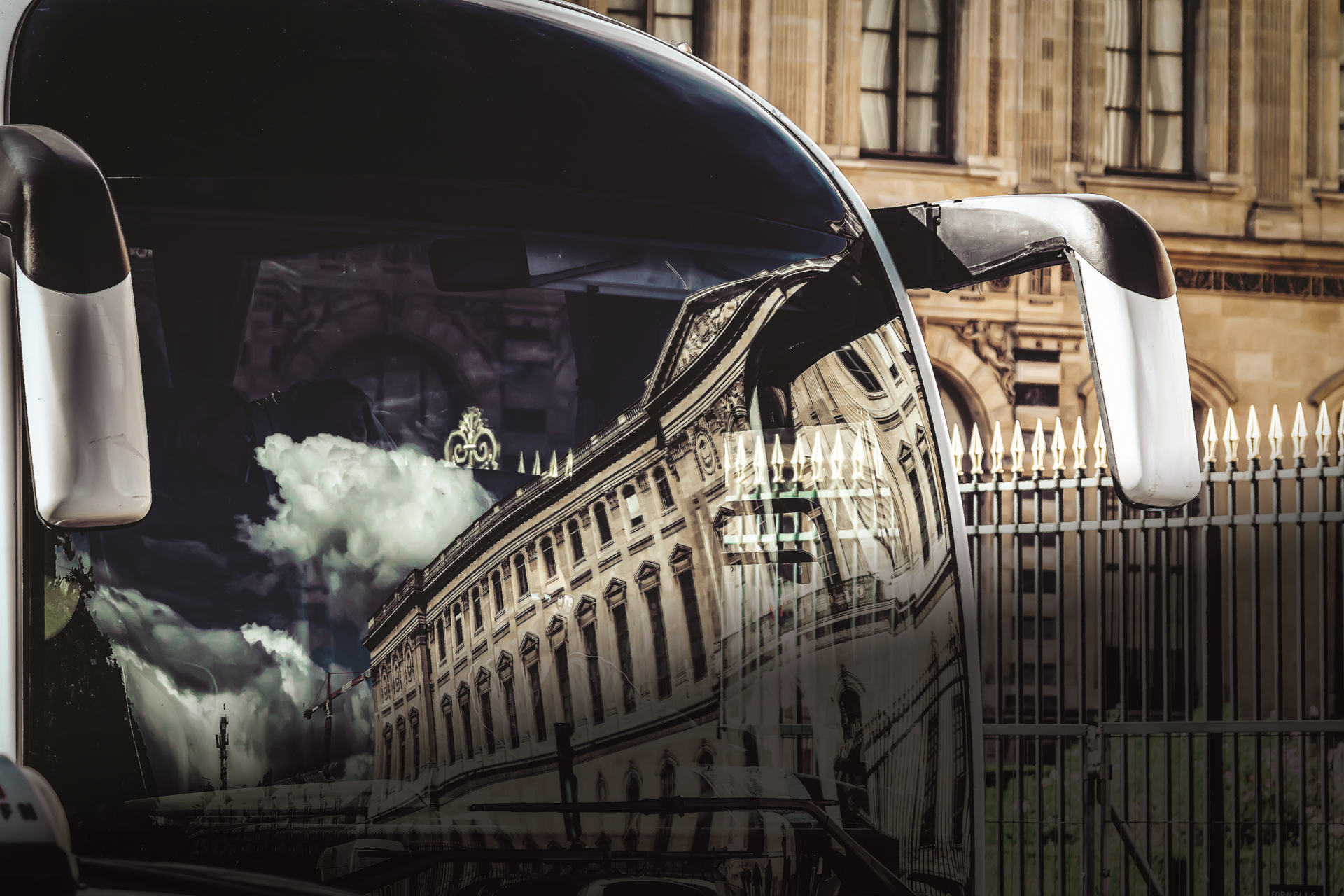
TRANS EUROPE EXPRESS: Transportation challenges in Europe have been exacerbated by inflated costs and bureaucratic red tape, especially between UK and mainland Europe.
Photo courtesy Kolderal
Tours are getting shorter. A counterintuitive claim in times when the biggest acts on earth are embarking on seemingly never-ending runs they can expand at will. However, the majority of artists cannot operate that way, on the contrary: they’re routing shorter tours to save costs. And the transportation business feels it. “Not only are tours getting shorter” said Ulf Zimmermann, owner of Tour Lounge as well as the more specialized ensemble.tours, “but schedules are tighter, as well.”
What takes away even more business from those dealing on the ground is today’s practice of moving stages and stage elements by plane or train. Therefore, said Zimmerman, “We often only help with transfers, and are not continuously on site with our buses.” And because tours regularly add new dates and markets, taking breaks in-between, “it is often not worthwhile to offer our own vehicles continuously,” he said. “As a result, we work with local partners. It helps save empty trips and other unnecessary costs, but it is time-consuming and bureaucratic.”
Bureaucracy in general is a big issue in Europe right now, not just when crossing borders. Many cities have introduced green emission zones, where most trucks aren’t allowed to travel without a permit. There are other regulations limiting access, and even things like parking permits can be “very time-consuming to organize. For this, extra personnel is needed,” he explained, adding, “it wasn’t this complex in the past.”
Louise Smit, CEO of the Pieter Smit Group, one of the most reputable transportation companies in Europe, added, “The problem isn’t that you have to pay for a permit. What makes it expensive is hiring someone that can take care of it. There’s already a shortage of good staff, and we now have two planning assistants to help them with all the paperwork.”
Personnel is the costliest item on any balance sheet, and those running a business will increasingly make use of technology to save those costs. Eventually, technology will drive the trucks and buses, too. Zimmerman finds the introduction of e-coaches “exciting, it’s an interesting topic, because once the infrastructure catches up, we will have to plan differently yet again.”
The current war with Iran has led to an increase in fuel prices that has exacerbated the inflationary economy since COVID. The Pieter Smit Group has to raise its rental prices, and, according to Smit, “most clients understand, unless they were already opearting on a tight budget.”
Despite the high costs on all fronts, admin and bureaucracy seem to be a bigger problem. When we spoke with Joerg Philipp, owner and managing director of Beat The Street, in 2025, he said, “The challenge is not so much the cost of travel. The challenges are posed by more and more red tape.”
He pointed to a regulation currently in place between Europe and the UK, whereby British citizens cannot stay in the EU/Schengen area for more than 90 days within a 180-day window. It applies to all British clients, bands, technicians, and of course drivers. As of April 2026, there’s an electronic system in place monitoring anyone coming into the EU, automatically calculating whether they’ve overstayed their welcome.
The UK has a more generous window for EU citizens, but it’s still limited. In both cases visas for longer stays are available, but they only add costs for bands already in a financial tight spot. “It’s just more and more red tape, and that’s frustrating,” said Philipp, adding, “Rock and roll is dead when it comes to touring. It purely concentrates on the stage, everything else is as corporate as it gets with all the negative aspects that come with it.”
With tours getting shorter and budgets tighter, Zimmermann adapted the business model of Tour Lounge to get the smaller jobs done: “We have set ourselves up in such a way so we can still be partners for our clients in all matters, even if it is just a simple airport transfer that we organize,” he explained.
Putting together multiple tours at any given time, offering the vehicles that can do it all, from taking a small band and their equipment to an inner-city club, to taking the world’s biggest stars and dozens of trucks’ worth of production to stadiums – it’s a big challenge in 2026. Smit doesn’t mind it too much. She said, “It’s our job to know, and it’s also an opportunity to distinguish yourself as an expert in transport and touring.” s
FREE
 Daily Pulse
Subscribe
Daily Pulse
Subscribe
 Daily Pulse
Subscribe
Daily Pulse
Subscribe