
Q’s With: Canadian Artist Manager Bruce Allen Talks Bublé, Bryan, BTO: ‘Our Business Is Now The Live Business’
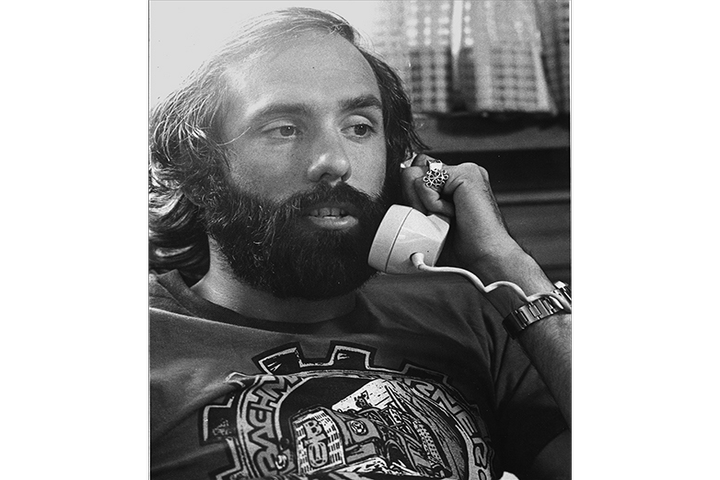
“Our business now is the live business, not the record business. We’re in the live business,” artist manager Bruce Allen tells Pollstar. With more than 200 million albums sold— primarily by Michael Bublé and his former client Bryan Adams, whose career he handled for 44 years until 2023 — Allen remains one of the industry’s most successful managers. Over the decades, he witnessed the music industry’s many ups and downs, from booming record sales to performing becoming increasingly vital to an artist’s income.
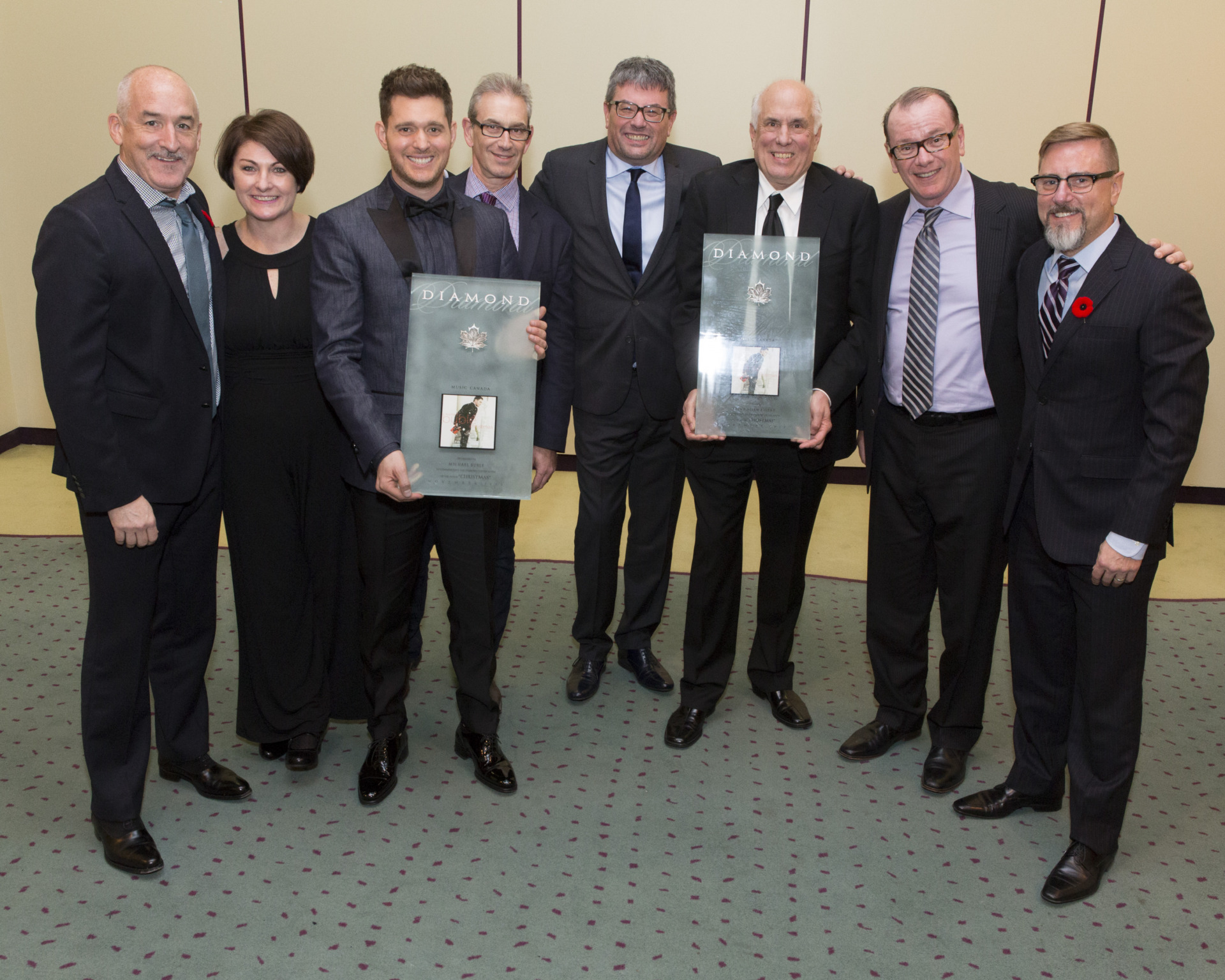
Thirty-seven years ago, Allen received Canada’s highest music industry honor, the Walt Grealis Special Achievement Award at the Juno Awards, but, at just 41 years old, he still had a lifetime of accomplishments ahead. Another 40 years later, this past May he added another milestone to his remarkable career, the Lifetime Achievement Award at Toronto’s Departure Honours, presented by the rebranded Canadian Music Week.
BAT’s roster has always been small but mighty, currently consisting of Bublé; singer-songwriter, podcaster and author Jann Arden; rock veterans The Offspring, Grammy Award-winning producer Bob Rock (whose credits include Bublé, The Offspring, Metallica, Aerosmith, and Bon Jovi), retired Canadian icon Anne Murray, and Emmy Award-winning musical director and composer Dave Pierce.
His staff has also remained loyal, including Randy Berswick, 45 years; Michelle Larsen, 42 years; Sandee Bathgate, 39; Andrea Richard, 33; Nancy Emery, 28; and Jo Faloona, 22.
Last September, Allen brought former Live Nation President of Canada Paul Haagenson on board as president of Bruce Allen Talent to help shoulder the workload. Even so, he seems as hands-on as ever.
The Canadian booking agent for Bublé, Arden and the Offspring is Vinny Cinquemani at Paquin Artists Agency. For the U.S., the RAs for the Offspring are Jared Martin and Darryl Eaton, and for Bublé, it’s Rob Light, all at CAA.
Allen talked to Pollstar about his time as an agent, getting into management, what Bublé is up to, why he took on The Offspring, the diversification of Arden, and the biggest threat to the live business.
Pollstar: You started as an agent. What did you prefer about management?
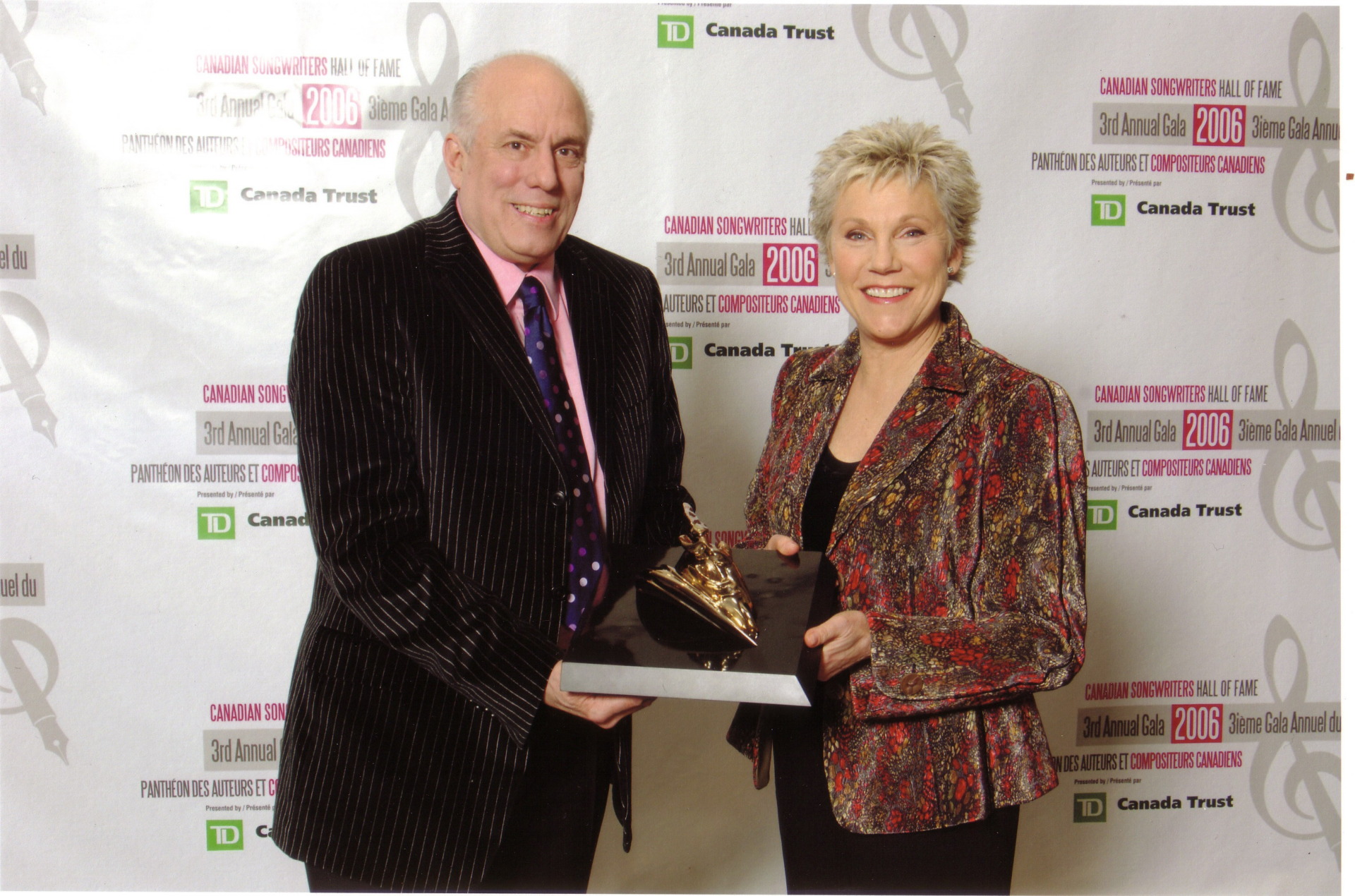
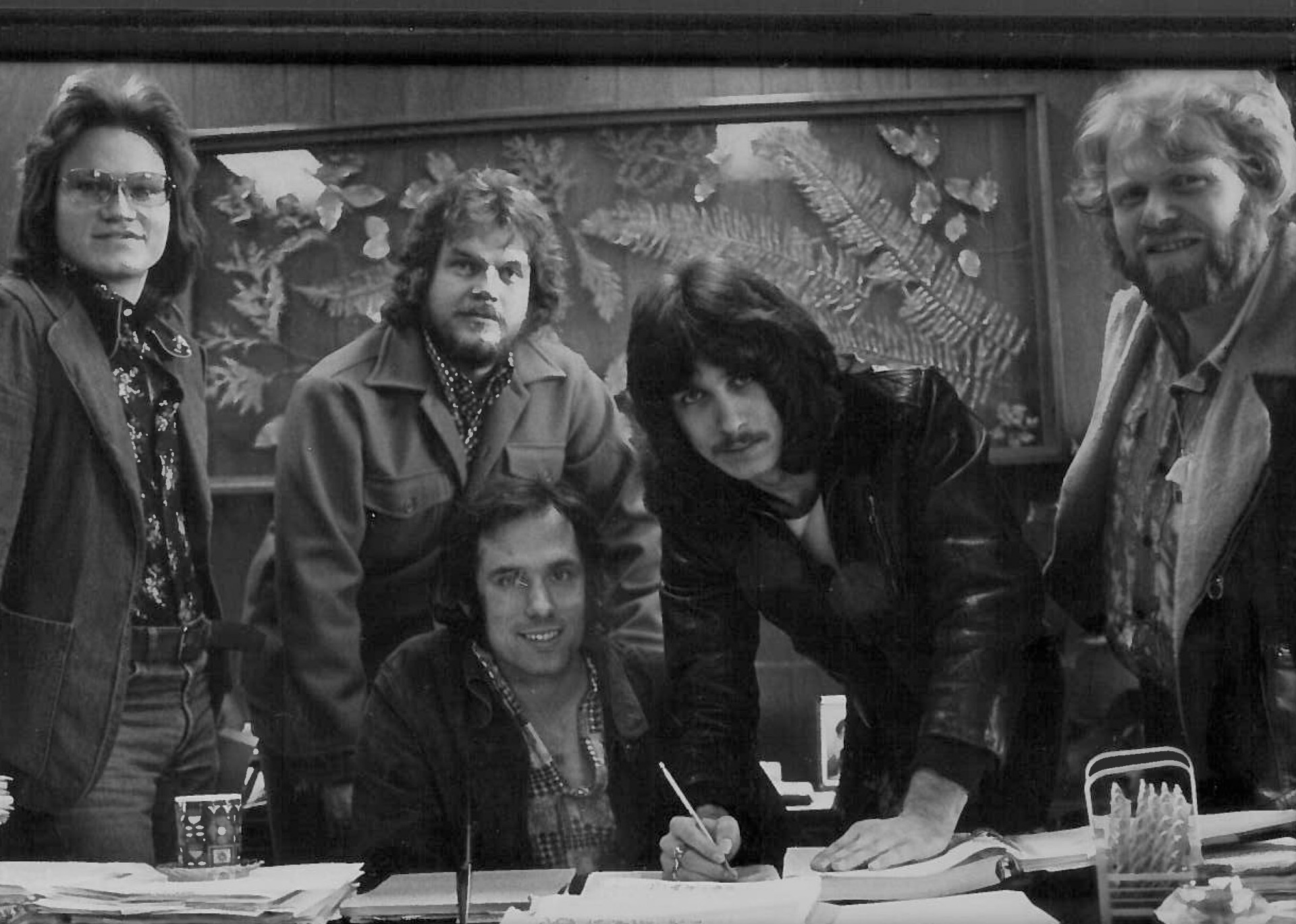
Bruce Allen: We had a pretty good lock on Vancouver at my own company and Randy Bachman asked me if I’d be interested in managing the band. I was young and I said, “That’s cool. I just got to get somebody to run the company at home,” and so I did. That’s how me and Sam got together because he had a couple of acts, but he wasn’t the size of my business. I said, “I need somebody to run this because I’m going to go on the road with Randy Bachman.” Believe me, I knew nothing about the road, nothing, zero, so I said, “I’ve got to go with him and learn side by side.” And, we sat together on the plane; we sat together in the truck; we sat together in the bus. Whatever we were traveling on, I was with Randy by his side for three years. I never missed one show. That taught me about America, for sure. And then, on being a manager, it was really enjoyable. I said, “You know a lot more than me, Randy, than I can ever know. You’ve already had a big hit right here with a big hit group.” And he said, “I can’t say, ‘I want, I want this. I want, I want… ‘ You can say, ‘They want, they want, they want.’ I need somebody to do that.”
And that’s how that all came together.
How does Sam figure into the company, currently?
The same as it’s always been. There’s no change. We split the company.
What did you like more about management than you did about being an agent?
It’s because Bachman-Turner Overdrive became very big and there was some money. There’s a cachet that comes with that. If I’m booking 20 bar bands in BC, so what? But, if I was involved with something like Randy Bachman and Bachman-Turner Overdrive, that was global. And I got a chance to go around the world and meet people and see how everything worked in different countries. It was very exciting for me to do that. That’s why I stayed with it.
You are one of Canada’s top managers, in terms of sales.
I looked at it because of this award I just got, and we sold over 200 million albums. That’s a lot of albums [chuckles] and big success stories. And, you know what’s more important to me is that I haven’t had any lawsuits; there hasn’t been any ugly problems; there hasn’t been anything like that. I’m proud of that because acts have gone, I’ve let acts go, or they’ve said, “Can we go?” or however that happened, but everybody shook hands and away they went.
At Departure Festival and Conference in Toronto, Bob Lefsetz interviewed Chief, who manages Nickelback and a bunch of country artists. He said he had a contract with Florida Georgia Line, so it was an easy exit and sunset clause. There’s no fighting because it’s right there on paper. How have you been able to go this long on a handshake? What happens with those exits?
Look at right now, it’s pretty easy. The record business isn’t exactly something to hang on to, but I just got to a point where I didn’t want to be there. I can’t remember being fired. Bryan and I had a talk about it. We just couldn’t come to this thing that he wanted to do, and I just said, “OK, if that’s the only thing you need to do, then I’ll be out of here and that’ll be it.” And, I haven’t got futures or anything like that and I don’t worry about that. I’m kind of proud of it. I mean, I know all these guys, I don’t have any big-time enemies that are snarling at me how they got screwed. There’s no possible way they could have been screwed.
I look at your company, some staff have been with you 40 years, 20 years, which is incredible, but, also, as far as I’m aware, you haven’t brought in young managers with their own rosters, as many firms do in the U.S. Your knowledge is so valuable, why have you not done that?
I’ve never even thought of that. I don’t know why, but when I brought in Paul Haagenson, he is not a manager either that I can ever remember him being, but he’s going to do that now. Sandee Bathgate, who’s been here forever, I took her out of Toronto a long time ago, she’s doing a big portion of what I do with The Offspring, as does Randy Berswick. I’m not as upfront as I was even 10 years ago. These people are in there doing the job because they can do the job. They’ve been doing it for years. They know how I think and they can finish my sentences. The only way this company got bigger is because I had the staff that could handle everything. And now the staff is, hopefully, being rewarded for what they’re doing. That was the difference between me and Sam. I made a 50-50 deal with Sam when we split the company up, but my company has always stayed at 50. Sam did make partners and shared. I was different.
Why did you bring Paul in and had you been talking to other people or was he the guy you wanted?
I didn’t talk to anybody else. I didn’t put out a thing that I was looking for, but me and Bublé and the office here, they told me and there’s no doubt about it, I’m 80 now. I’m not 50. I’m not 60. I’m 80. I put in my time, a lot of time, and I think this office cared about me and they cared what was going to happen to them. I am blessed on this one because our business now is the live business, not the record business. We’re in the live business. So, here’s this guy [Haagenson], he leaves Live Nation after probably 20-plus years, and I asked him if he’d be interested in coming into management. That’s how easy it was done. It was done probably in a day. I was lucky, otherwise I’d have been advertising, or I’d have been nosing around. And he was here [Vancouver]. I’m very lucky to have Paul Haagenson who, who I did not tell to leave Live Nation; he’d already gone, probably for four months before I even mentioned it to him. I was very fortunate.
The other thing I notice is your staff is majority women and they’ve been there forever. You didn’t have to make changes during the renewed gender equity push because you already have an office full of women.
I was brought up by a mother. My dad died when I was 13 and so I was raised by a mother. Basically, I really trust women a lot. I don’t think there’s a person in here who wants my job. I believe that there have been people in here who are male and do want my job. Women, they’ve got to be paid properly, and I think I look after them. I’m blessed with these women because they think differently than me. Jo Faloona comes with a huge background. And so does Sandee Bathgate. They’re both from the record company business. I didn’t have to take kids out of college and teach them [laughs]. Nancy is my accountant for nearly 30 years. She was not in the business, but she could move into that business easily with the companies that I have to deal with. I’m blessed with these women around me.
Bryan was with you for 44 years. You’ve managed Bublé for 23 years. You took on the Offspring relatively recently, 2020. I don’t think you had managed a band since the ‘80s, Payola$/Rock & Hyde. How did Offspring come to you?
Bob Rock was making the record and he phoned me and he said, “Bruce, listen, we’re making a hell of a good record here and the manager’s leaving. I don’t want to make this record and there’s no management. Would you be interested?” And the last thing, honestly, I wanted was a band. I don’t want to talk with the drummer. I don’t care what he has to say. But I took the meeting and if you speak to Dexter [Holland, frontman] for about 20 minutes, you realize this is a brilliant guy. This is a guy with a vision. This guy’s the leader of the band.
What did you think you could help with at this stage in their career?
Sandee puts a lot more time in on Offspring than me, but I believed I could do something with him, and Bob Rock is my client [since 1987]. I don’t want him sitting here for the last six months, putting in a record that’s going to go in the tank. So, that’s the reason I did it. And the record was really good. I really am a big fan of Bob Rock’s stuff that he does, so I thought, “What the hell, I’ll give it a shot. Here we go.” And Sandee was so excited. She’s running the show now. She’s tremendous.
What were you able to do after taking them on?
They’re selling records. They’re playing shows now where they’re doing 15,000, 18,000 people, no problem. When I got there, they were third on the bill. Now we’re either first or second on outdoor shows. And on the next tour, we’ll be headlining every one of them. And Randy Berswick, who’s very active with them, they’ve made tremendous strides in bringing those guys back in. And Dexter is so smart, I watched him do this interview from NASA and I had to watch it twice to understand it [laughs] and he’s a joy to be around. And I don’t have to do it all, all the time. Sandee and Randy are probably doing 80% of it.
Speaking of a joy to be around, Michael Buble’s gotta be one of the nicest, most down-to-earth global superstars on the planet. You were a rock guy when you took him on. He was singing standards. What did you see in him?
I’ll be honest with you, I put my money on [David] Foster. When he was in a band a long time ago, I booked it for about eight months. Foster was red-hot when we went in there with Michael. He phoned me up and he said, “I’m working with this guy. Bruce, this could be a real hit if you got behind it.’ So, I said I’ll go down and listen to it and I thought it was really, really good. I thought, “It’s a really long shot for what’s on the radio.” And, first record [2003’s Michael Bublé on Foster’s label 143/Reprise], I don’t think we could get on the radio [top 30 on Billboard’s adult-contemporary chart], until the second one [2005’s It’s Time], which had “Home” [No. 1 in 20 countries, including Billboard’s AC]. People liked it and he got on TV and his personality shone through. He had a tremendous personality. Michael Bublé has no trouble talking to anybody. This guy is a really good man.
Is there anywhere he hasn’t conquered? What’s going to happen in the next year or two?
We’re looking right now at a lot of things. We’re getting a lot of offers for motion pictures. We’re finishing up a record now. I’m not going to tell you what it is unless you probably know, so it’s not me talking about it, but it’s going to surprise people. It’s quite exciting [Bublé told Billboard at the American Music Awards “It’s my love letter to country music”]. Michael is a well-rounded guy. I can put him anywhere to do something and he’ll do it. He’s a great guy. He cares about the audience. He’s an entertainer. And I’m blessed to have him.
When will we see him back out on the road?
He’s been doing spot dates this summer, Ireland, UK, and last weekend back in Canada in Quebec City.
He’ll be in North America doing spots here, spots there. We haven’t worked on a long schedule because I want to finish this album up this year And then we’ll worry about that next year.
Your other client Jann Arden is not as well known elsewhere [she had one US hit, 1994’s “Insensitive”], but has a steady career at home in Canada. Her last album, Mixtape, was 2025 and she tours or does spot dates along with a podcast, TV, books.
I didn’t take Jann from the beginning of her career. I took her from probably after halfway through [2008]. I didn’t know what I could do, if I could make it happen in the States or not, and I obviously I haven’t, but I talked to the girls [in the office] and I said, “Do you want to take on Jann Arden?’” Hands all lit up and I was taking on Jann Arden. I love working with her. She writes all her own material. She’s got a great sense of humor. And we’ve taken her out of just singing songs and playing a tour. She’s just so gifted in so many different ways. I think we’ve done all right. I’m happy with it. She’s making decent money and she’s getting a lot of big jobs now that aren’t about singing.
What do you think is the biggest threat facing the live industry?
The biggest problem we’re going to have is the costs. The cost of touring is just wicked.
Some acts take out 20 trucks or 10 trucks, and the gas prices, staying in a hotel, feeding these guys, and this and that, it’s really hard. Now, you’re saying, “Let’s go on tour, but we’ll do 10 shows here, five shows here” because you don’t want to be driving every night. So, we’ve got to be careful.
FREE
 Daily Pulse
Subscribe
Daily Pulse
Subscribe
 Daily Pulse
Subscribe
Daily Pulse
Subscribe