
Mass. Senate Advances Ticketing Reform After Artist Push
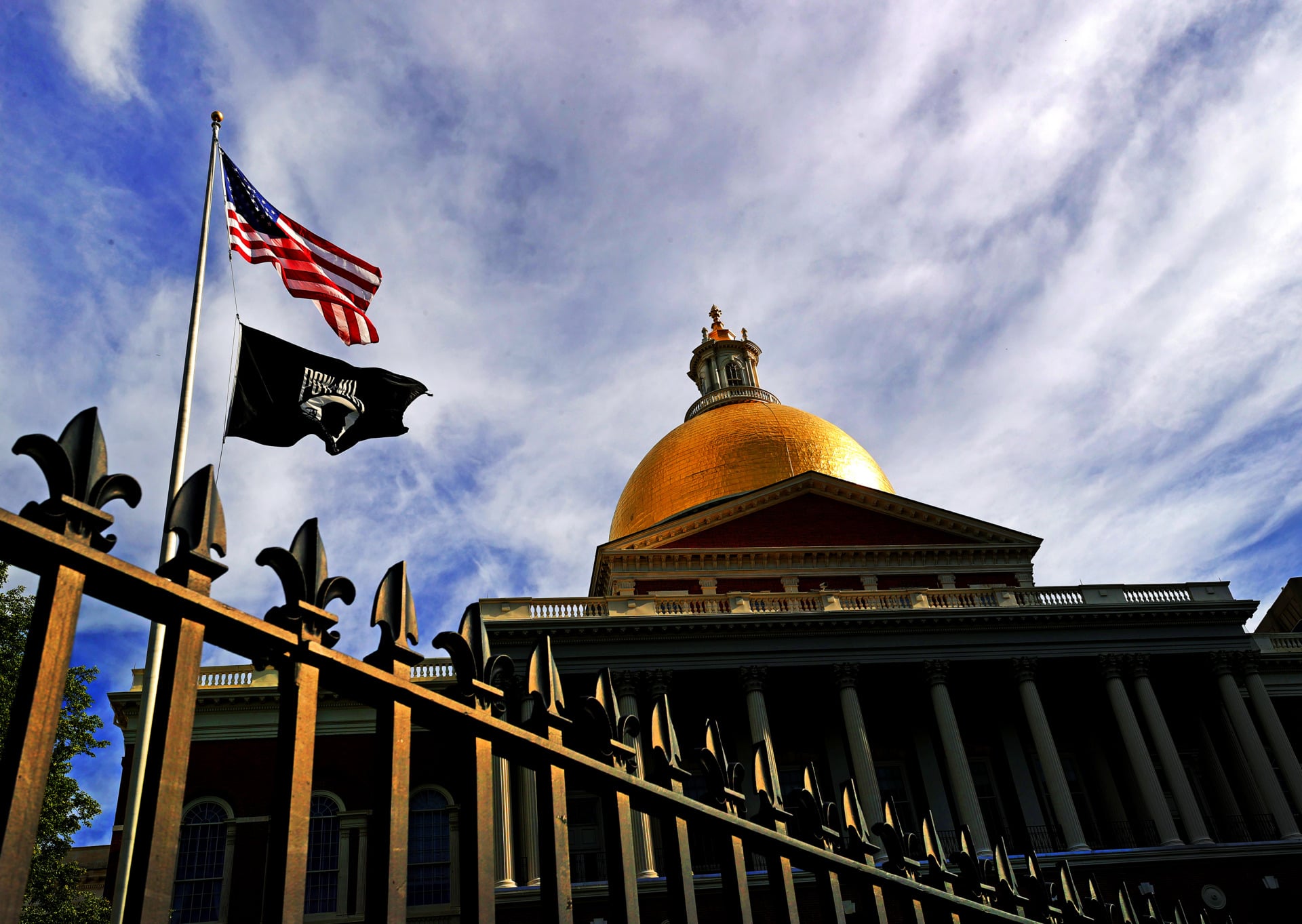
The Massachusetts Senate advanced an amendment that would bring sweeping ticketing reform to the Bay State late Thursday.
Originally introduced by Sen. Dylan Fernandes and then given a boost by Gov. Maura Healey, the reforms — known variously as Amendment 20 to the economic development bill or “The Great Divide Act” — would cap resale prices at 110% of face value, ban speculative ticketing and prohibit various deceptive marketing practices.
As originally introduced, the reforms include a fee cap of 10%, but that provision was not included in the Senate’s final version.
The entire economic development bill now heads to a conference committee to reconcile differences in the Senate bill with the version previously passed by the House (which did not include ticketing reform).
Fernandes has been working on the bill for months and it looked to be in trouble as the General Court’s session wound down, but Healey’s late push came at an opportune time.
National Independent Talent Organization board member Randy Nichols tells Pollstar that Fernandes began his push after Vermont passed a similar law — with a little help from Noah Kahan. Healey, it turns out, is a fan of Kahan and attended one of his four Fenway Park concerts.
“She learned about the situation and the bill and there wasn’t a huge plan to bumrush her but everyone talked to her about it and that helped. It spun from being at the shows to a press conference,” he says.
Nichols then helped build a coalition of artists with Massachusetts and broader New England ties to sign a letter advocating for the reforms. Those artists included Kahan, Dropkick Murphys, Pixies, Goose, Aimee Mann, Guster, All That Remains, Belly, Dicky Barrett of Mighty Mighty Bosstones and The Defiant, Dispatch, Killswitch Engage, Lori McKenna, Mission of Burma, MGMT, Shadows Fall, and others.
“When you get to Massachusetts, those guys and women have pride they are from there, so we said let’s tap into that local, we-can-take-care-of-our-own mentality,” Nichols says. “We hit everyone up and i think 100% of the artists who replied said they would be part of the coalition.”
FREE
 Daily Pulse
Subscribe
Daily Pulse
Subscribe
 Daily Pulse
Subscribe
Daily Pulse
Subscribe