
The Artist Take: The Killers’ Ronnie Vannucci Jr. Talks Glitz And Glamour Of Vegas Music Scene (Las Vegas Market Focus)
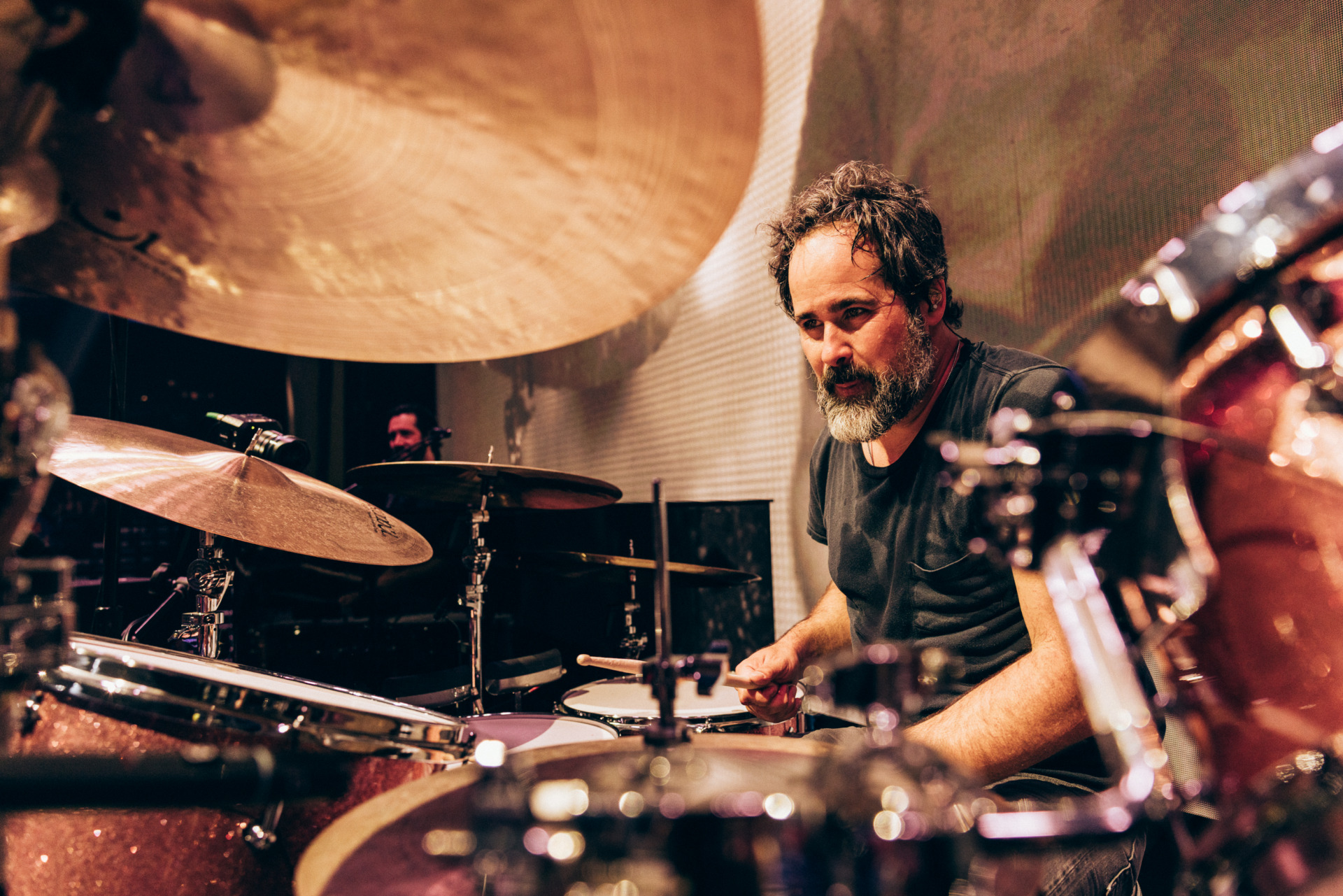
Every major market is synonymous with a specific music act or movement: Seattle and Nirvana; Bruce Springsteen and New Jersey; The Beatles and Liverpool.
Las Vegas, however, is a unique place that was, for a long time, known as a fountain of youth of sorts, rejuvenating older acts who, in turn, made Sin City a destination for live music fans. Residencies from icons like Frank Sinatra, Elvis Presley and Celine Dion reshaped their careers and Vegas over the years, but it’s the local musicians who cemented the city as one of the best markets in the world, one that somehow feels old and new simultaneously by pushing the boundaries of modern pop and rock.
The Killers are one of the local acts who ground through the seedy, smoky bars and small theaters to gradually make their way to The Strip (and the globe at large). They did their part in shaping Vegas’ music identity in the 21st century with anthemic dance-infused rock hits that often explore the glitz and glamour as well as the underbelly of their beloved hometown.
From playing garage concerts to desert shows (which were usually broken up by cops) to T-Mobile Arena, The Killers drummer Ronnie Vannucci Jr. has seen just about every corner of Las Vegas and the outskirts of the town, honing his craft with every show and discovering his sound as a disciple of local rock radio stations.
Pollstar: How would you describe the Las Vegas music scene when you were growing up, and how did it shape you as a musician?
Ronnie Vannucci Jr.: Growing up, I was always the younger guy who was playing in bars before I was allowed in bars. The laws were a bit loose, and people looked the other way. It was still very much a small town. The people I played with were college-age, and I was still in junior high or high school.
I would listen to a radio station called KUNV 91.5. They had a couple of really cool programs which would let people play live on air, which I got to be a part of a few times. Records used to come out every Tuesday, and they had this thing called “Hot Off The Press” where they would play an entire record, start to finish. That’s how I discovered Nirvana and molded my music taste. I was a big Replacements fan and loved early Cure and the British stuff. That’s where my ear was going toward, and I ended up hanging out with other musicians who were in that vein.
What were some of the venues you played in as a youngster?
There was the Double Down Saloon and, of course, the Huntridge Theater. I was playing alongside a couple of punk bands, and we would put on shows where we’d find a location outside the city limits, far enough outside that we wouldn’t bother anybody, take some generators and have these ruckus desert shows. We’d go to those on the early side because they generally got a little out of order and the cops were called. You had to be out there before shit got crazy.
We’d do garage shows where somebody would host a band at their house in the middle of the desert in a two-car garage, roll up that garage door and you’d have these crazy shows. We’d also have shows in the warehouse district in downtown Vegas, where bands would play in a warehouse or on a loading dock. That’s how I cut my teeth.
Man…the early days. I did that at night and then it was jazz band in school and drum lessons from this really mean instructor—Mark Kimpton. He wasn’t exactly Mr. Holland. But that was my life until I was 18. And then I got involved in other bands that were fun to play in and did some touring and made some records. It was simple, but lovely.
Were you hanging out at record stores?
Oh yeah. There was Big G’s and Benway Bop! [Owner] Ronn Benway, who was like your John Cusack character of High Fidelity. That’s where you would find all the Merge Records and Elephant 6 bands and punk bands and be instructed. “If you like D.C. hardcore, then check out Fugazi and Bad Brains.” I got familiar with those bands, and out of that, I discovered Sub Pop Records and bands like Sunny Day Real Estate. I was into different versions of that band, but they were such a big influence.
What challenges were there for you local bands with L.A. being so close?
L.A. was such a force. Vegas being four hours away by car from Riverside, a lot of bands would come here. We were considered a secondary market, where people would go out to venues on Boulder Highway. Nirvana played in such venues, and I’d go see the Jon Spencer Blues Explosion out there, early Reverend Horton Heat and all these guys that would come from L.A. and do a quick show out and then go to Phoenix or San Francisco.
Being in the shadow of L.A., Vegas struggled to have its own identity. It was constantly competing for other forms of entertainment. It became what it is because it had to. It was the little red-headed stepchild of the music industry, and because there were people who were starting to come because it was a stopover, it influenced people like me to see real touring acts.
I remember seeing a band in 1995 called Spacehog. They were such a good band—these British guys out of New York. They played to like six people at an Air Force base. Other musicians would find out about it, and we’d see the pros in a rehearsal scenario because there was nobody there. It wasn’t a typical show they’d give, but you’d see people working through stuff without a showbiz veil. It was almost like you were invited to their rehearsal. That was very inspiring to see and hear how good they were. It made me and my other musician friends want to be better. And we did get better, and we formed our own bands and started touring.
It must be gratifying to know that you had a hand in helping the city form a music identity.
I’m happy to be in the lucky position we were in to have that opportunity. I don’t think we shaped it. It was everybody else who came before us. We were just people left to give it somewhat of an identity, and I hope we’re doing Vegas proud.
Was there a place that made rock bands feel like they made it?
The Huntridge Theater on Charleston. We were endorsing the reopening of it because it’s where we’ve played many times and cut our teeth on the early shows, opening up for people and doing local night shows. It was the one that had a sizeable stage and held about 800 people. It was an old movie theater, and it was a happening area in the ’50s. Then it fell into this Vegas tendency of every 10 years degrading and withering away. And then things close, are rebought and rezoned and picked up again and gentrified and turned into something entirely different.
The Huntridge Theater was the place. Gosh, I saw the Cadillac Tramps, and one of my bands opened for No Doubt once, and I saw the Catherine Wheel there when I was in high school. It felt good. I made out with a girl. It was “The Wonder Years.” The Huntridge Theater has a dear place in my heart.
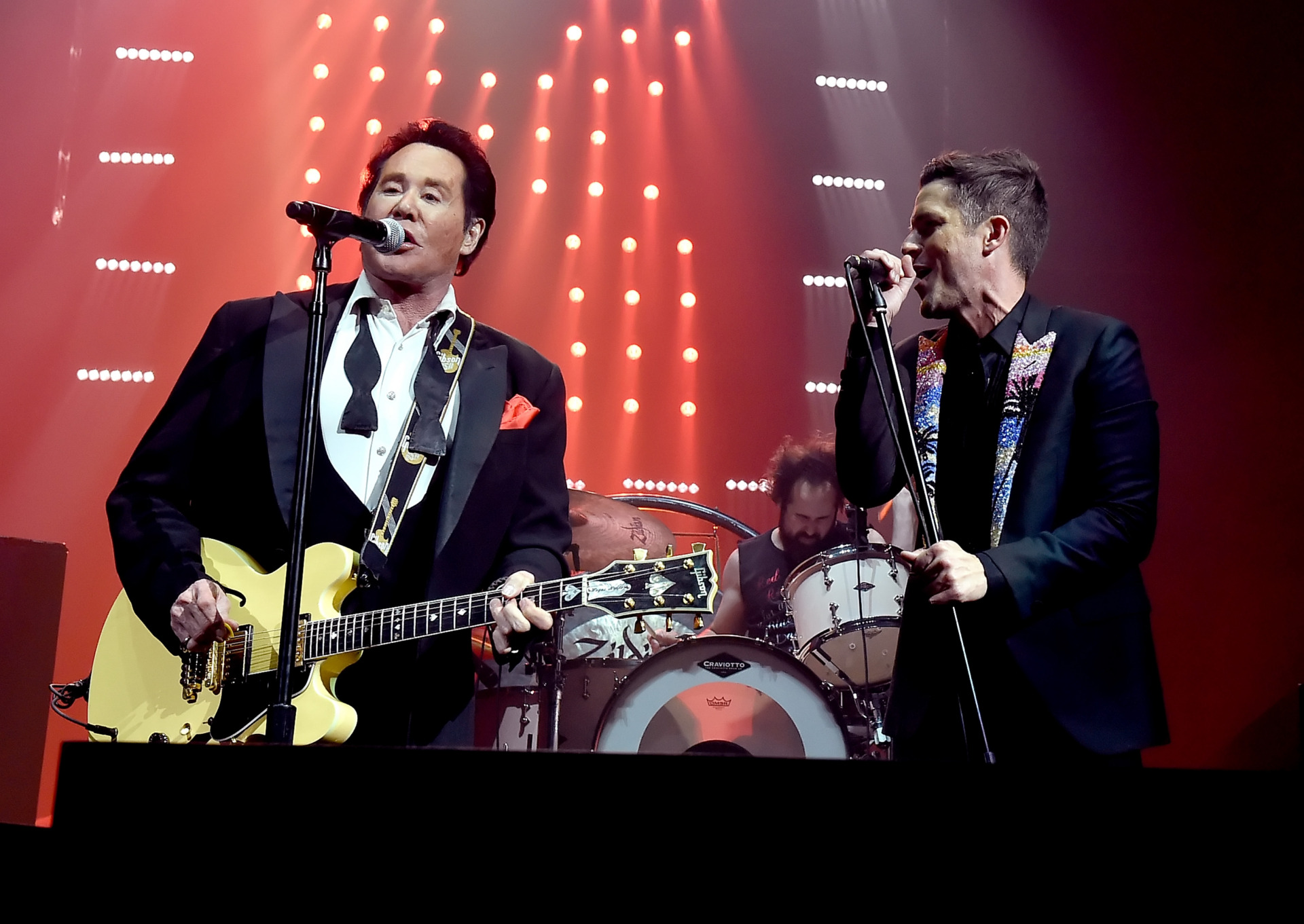
You guys seem like ambassadors of that venue and served that role again for the opening of T-Mobile Arena, where you co-headlined the opener with Wayne Newton.
That was a lot of fun, and we made a lot of great friends that night. It’s so funny because they threatened to bring Wayne to my friend’s show on The Strip the other night because we still keep in touch. That’s some rock and roll weirdness for you.
In addition to venues, each market has specific promoters and event organizers. Which are the ones that aspiring musicians wanted to work with?
It was more the ones we needed to stay away from. It was Vegas; it’s a hustler’s town. You learn how to hustle, and there’s different ways of doing it. There’s the undercutting side, the dishonest side, and then there’s the hardworking side, the sort of “you can sleep at night” side. More often than not, those two would coexist in the same endeavor. There will be a show or a string of shows, and you’d have to deal with somebody just to have to make sure you have your best guy at the T-shirt stand or get the money up front.
With The Killers, you’ve toured the globe the past few decades. Is playing a hometown show something that still resonates with you?
I think the pressure comes from wanting to do right and not wanting to disappoint the fans. Vegas possesses a sort of “get what you pay for” mentality, and we’ve held on to that, too. … We want to go out there and deliver. It’s not that if we’re playing in Denver, we’re not going to deliver. I think the pressure is a little higher at hometown shows because you want to do well. You want to show that girl in English class who didn’t give you any time of day that you can really drive a show. s
FREE
 Daily Pulse
Subscribe
Daily Pulse
Subscribe
 Daily Pulse
Subscribe
Daily Pulse
Subscribe