
‘Domestic Talent Is A Cornerstone Of The Business’: Q’s With Peer Osmundsvaag, MD, AEG Presents Norway
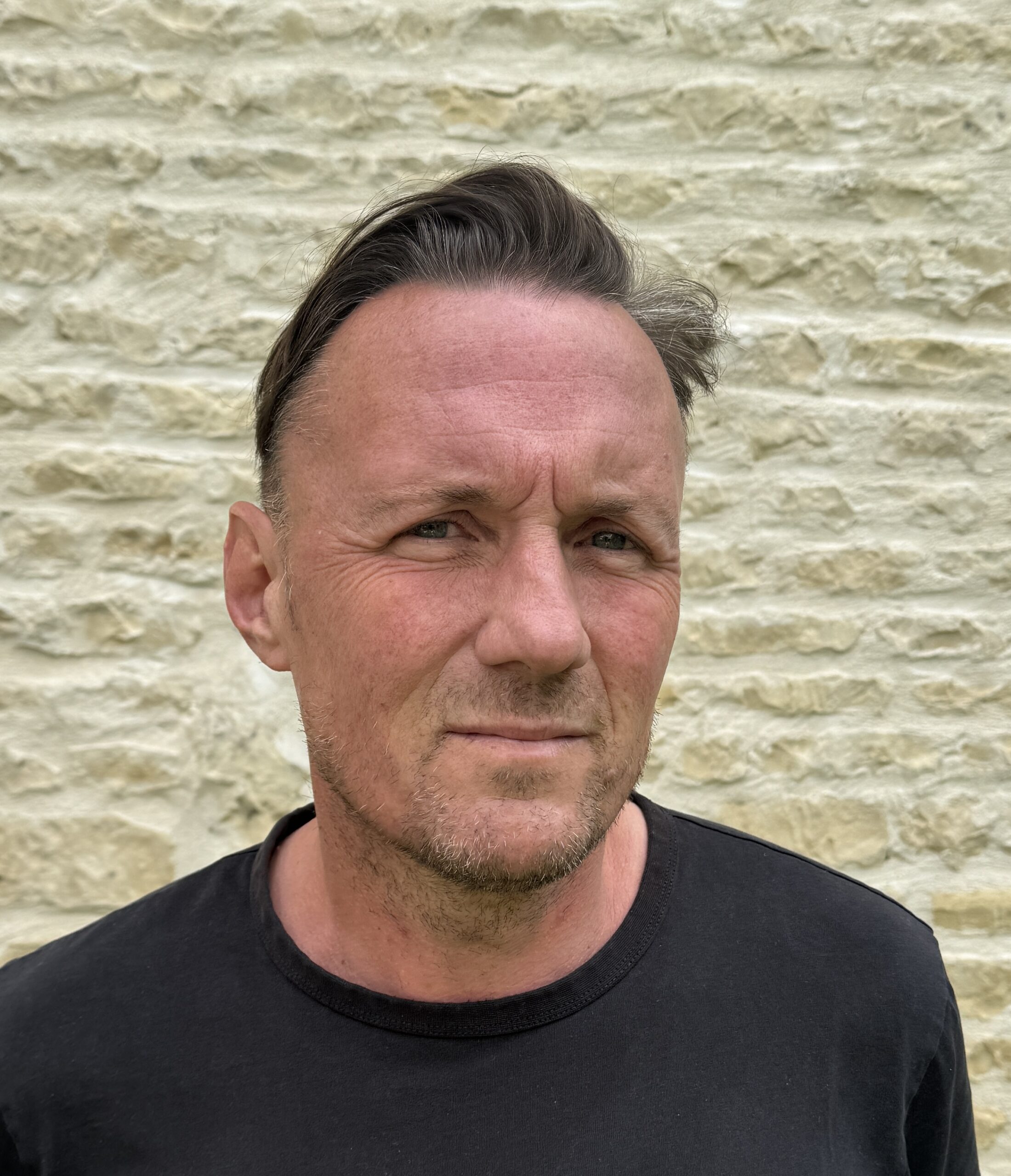
AEG Presents opened an office in Norway, and hired live entertainment veteran Peer Osmundsvaag, who brings with him an extensive 35 years of experience in the biz, to run it.
Perfect timing, as this latest expansion of AEG Present’ ever-growing business profile across Europe came right during the production of Pollstar’s first-ever Nordic Focus. Osmundsvaag’s vast experience in the markets showed, as he answered our questions on the state of business, opportunities and challenges, the importance of local talent, and promising touring destinations outside the main capital hubs.
Pollstar: How would you sum up the state of the live entertainment business in the Nordic region at this point in time?
Peer Osmundsvaag: The live entertainment business in the Nordic region is currently thriving, with a strong recovery following the challenges of the pandemic. The presence of strong international players keeps the business sharpened and focused – and we see both domestic and international business continues to develop, with growth in festivals and agencies, driving the industry forward.
However, we face our challenges. The weaker currency compared to previous years has had an impact, and rising interest rates and general price increases mean that audiences have less disposable income. While larger international events remain largely unaffected, the Norwegian mid-tier market is feeling the strain. Audiences are waiting longer to purchase tickets, and there is an increasing trend of walk-up sales for club concerts. These factors are shaping the dynamics of the industry in significant ways.
Are there regional markets in the Nordics that stand out compared to others? Which are the most developed markets, in terms of infrastructure, economy, etc.?
Sweden and Denmark are often considered the most developed markets in the Nordics due to their robust infrastructure, larger populations, and strong economies. Cities like Stockholm and Copenhagen host world-class venues and attract major international tours and is closer to Europe. Norway, while slightly smaller in population, has a highly engaged audience and a growing reputation for hosting large-scale events, particularly in Oslo. Finland also has a vibrant live entertainment scene, with Helsinki as a key hub.
In Norway, the market is naturally strongest in Oslo, as it is the largest city and offers the easiest access for international artists. However, there are also strong regional markets. Bergen has long been an established stop for major artists, with a vibrant music scene, a strong student culture, and a well-developed industry network that consistently produces prominent Norwegian headliners such as Sigrid and Aurora and Kygo. Trondheim and Stavanger also play key roles, hosting larger festivals and facilitating more and more arena shows. Trondheim has grown significantly in recent years, with its student houses and expanding festival scene contributing to its prominence.
A general trend across Norway is a strong presence of rock acts on arena level and festivals alongside the growing focus of youth-oriented, party-festivals. These events have become a defining feature of the Norwegian festival landscape.
What makes the Nordics in general, and Norway in particular, an attractive touring region?
The Nordics are an attractive touring region due to their high standard of living, strong economies, and audiences with a deep appreciation for live music and cultural events. Norway, in particular, stands out for its stunning nature, the midnight sun and beautiful coastline which provide unique settings for outdoor festivals and concerts.
Additionally, the region’s focus on sustainability and innovation aligns with the values of many artists and production teams. The Nordics also have a reputation for being well-organized and reliable, making it easier for international tours to operate smoothly.
Despite these strengths, Norway faces significant challenges in remaining an attractive destination for international tours. The high costs of labor, a weak currency, and logistical difficulties make it expensive to include Norway in a tour itinerary. This often results in tours stopping in Denmark or Sweden instead, leaving Norway outside the reach of some major acts.
Oslo, in particular, struggles with a lack of specialized venues on arena level, forcing the industry to rely on greenfield sites or shared resources with sports organizations. However, strong regional markets in Bergen, Trondheim, and Stavanger, combined with the enthusiasm of Norwegian audiences, continue to make Norway an appealing destination and as a promoter we are specialized in navigate these challenges.
How important is domestic talent to your overall business? Has the importance/popularity of local talent increased over the years?
Domestic talent is a cornerstone of the live entertainment business in our market, and its importance has grown significantly in recent years. The pandemic accelerated a trend toward glocalization, where local talent became more prominent as international touring slowed. Norwegian artists began headlining festivals that were previously dominated by international acts, and this trend has continued to develop.
What was once considered a milestone for Norwegian artists—selling out Rockefeller with its 1,300 capacity—has now evolved. Today, we see Norwegian acts easily selling out Oslo Spektrum, which holds 10,000 people. This growth in domestic talent has not only elevated individual artists but also strengthened the local music industry as a whole. By fostering strong domestic acts, the industry ensures growth in the local music ecosystem, which in turn creates a more professionalized environment and a stronger home market. This cycle of growth benefits both artists and the broader live entertainment sector, making Norway a more self-sustaining and dynamic market.
Cities like Bergen have been instrumental in driving this trend, with their strong student culture, vibrant music scene, and established industry networks consistently producing new headliners. Trondheim, with its student houses and growing festival scene, has also played a key role in supporting domestic talent. This focus on local acts not only strengthens the Norwegian market but also positions it as a leader in showcasing homegrown talent on a larger stage.
What’s your vision for the new office? Any plans you can reveal?
Setting up the new office from scratch is both a privilege and a dream scenario. Starting with a blank slate allows us to focus on finding the right people, which will be an exciting and rewarding challenge. Our goal is to create a workplace that fosters an honest, generous, and motivating culture. The strength of this new office will lie in the collective experience of the team — drawing lessons from both past successes and failures — and the opportunity to build something new with the support of such a strong and established player as AEG.
We are committed to building a team that reflects the values of AEG Presents, that aligns with our values and vision. Our office will be a hub for collaboration, innovation, and growth. At the same time, we will focus on creating a flexible and adaptable administration that does not take action until we have strategically determined where to land specific initiatives. This approach will allow us to remain agile and responsive to the unique challenges and opportunities of the Norwegian market.
Upcoming highlights include the continuing of the city centre park-festival Piknik I Parken, which showcases our commitment to delivering high-quality experiences. We will explore new ways to integrate technology and sustainability into our operations, ensuring that we remain at the forefront of industry innovation.
Anything you’d like to add?
The Nordic region continues to be a dynamic and exciting market for live entertainment, with immense potential for growth when done right. While there are challenges, such as economic pressures, exclusivity issues, and infrastructure gaps in cities like Oslo, these also present opportunities for innovation and collaboration. Norway’s strong regional markets, particularly in Bergen, Trondheim, and Stavanger, highlight the country’s diversity and potential for growth beyond Oslo. The rise of domestic talent and the continued trend of glocalization have further strengthened the local music industry, creating a more professionalized and sustainable ecosystem.
Setting up the new office is an exciting opportunity to build something from the ground up, with a focus on fostering a positive and forward-thinking culture. With the support of AEG, and by maintaining a flexible and strategic approach, we are confident that we can navigate the challenges of the Norwegian market and contribute to its continued growth as a hot destination for live entertainment. As the industry evolves, we look forward to embracing new opportunities and challenges, ensuring that the Nordics remain a vital hub for live entertainment.
FREE
 Daily Pulse
Subscribe
Daily Pulse
Subscribe
 Daily Pulse
Subscribe
Daily Pulse
Subscribe