
Live Nation Trial Heads To Jury; What Comes Next?
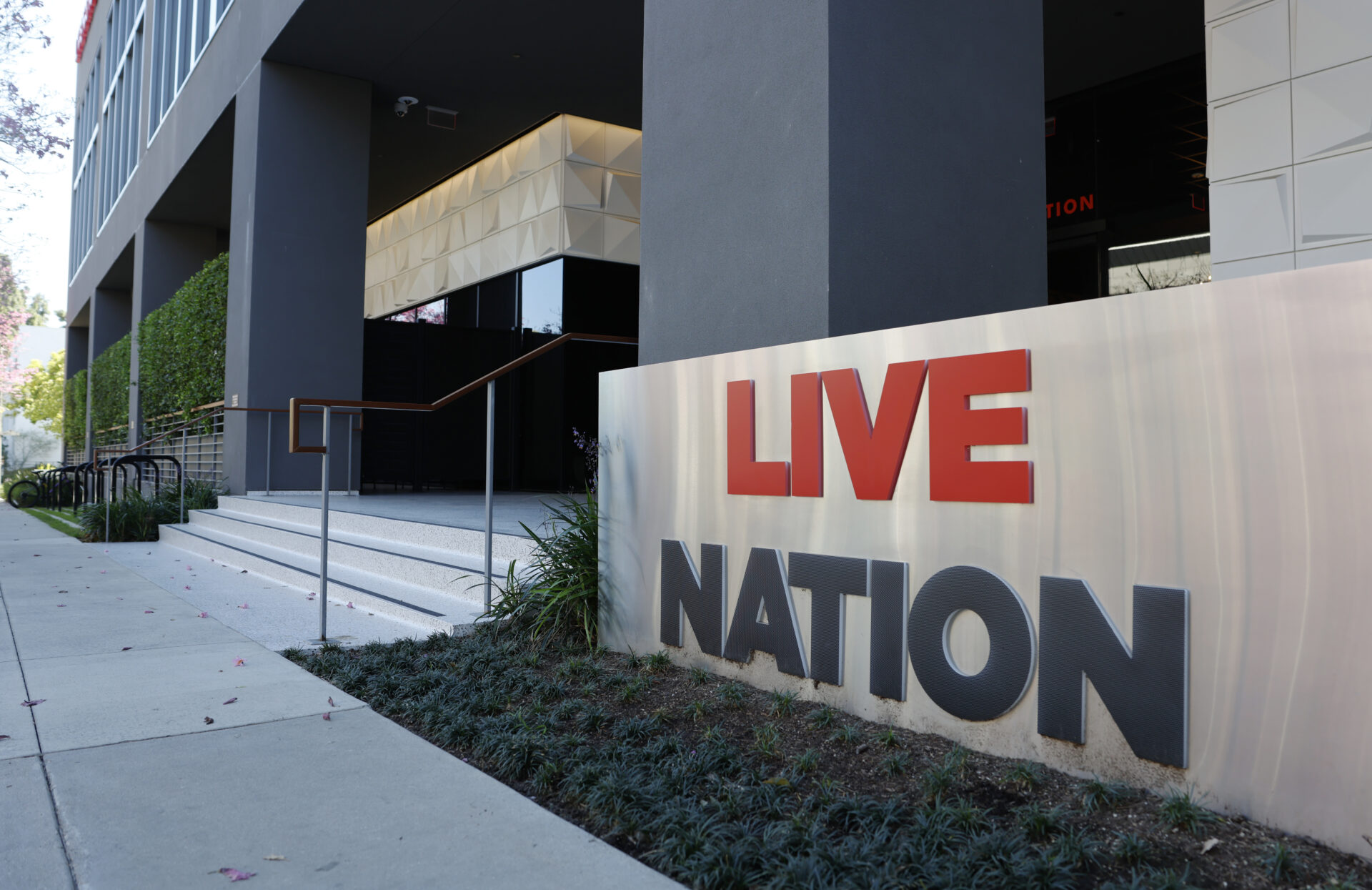
After a monthlong trial beginning nearly two years since the case was first announced, the Live Nation antitrust suit is now in the hands of the jury.
U.S. District Court Judge Arun Subramanian delivered instructions to the now-10-member jury — dwindled from the traditional 12 due to financial strain caused by the lengthy process — which was no small task. Each state has concurrent claims, antitrust law itself is complicated and the determination of monopoly power is notoriously thorny and what one economist finds to be monopolization may be simply fierce competition in another’s eyes, as the cavalcade of competing experts the two sides called to the witness stand shows.
That there’s even a jury hearing the case at all is unusual. Historically, the Department of Justice has only sought injunctive relief in antitrust cases — asking a judge to break up a company or order some other sort of behavioral redress — and seeking monetary damages — which triggers a jury trial — is rare.
Could Live Nation Vs. DOJ/U.S. States End In A Mistrial? Possibly. Appeals? For Sure
The jury must determine if the non-settling states proved by a preponderance of the evidence — a much lower standard than the beyond-a-reasonable-doubt used in criminal trials — that Live Nation violated antitrust law. But the case is already substantially narrower than it was when it was filed in 2024 — Subramanian dismissed claims that Live Nation monopolized concert promotion and major venue booking before the trial began, leaving only the state claims, plus claims of major-venue ticketing monopolization and tying claims related to amphitheaters. The states voluntarily withdrew the tying claim before closing arguments, leaving the jury a much narrower path than existed when Subramanian empaneled them more than a month ago.
Just ahead of closing arguments, Live Nation filed a motion asking for judgment as a matter of law — in other words asking Subramanian to rule without the jury deliberating at all. The motion said the plaintiffs failed to establish market definitions — whether a distinct “large amphitheater” market exists was the subject of much expert-witness to-and-fro — and failed to prove monopolization or anticompetitive effects. Subramanian reserved judgment on the motion before closing arguments, but in any case, the mere existence of the motion sets up an appeal if the jury goes against Live Nation. And — pending a verdict — is where this case is almost certainly headed.
In addition to the matter-of-law motion, Live Nation sought to strike testimony from a plaintiffs’ expert, economist Dr. Rosa Abrantes‑Metz, as they said she artificially narrowed the ticketing market for major venues to make Live Nation’s share balloon from what the company claims is 50% to 86%. Subramanian reserved judgment on a motion to strike her testimony as well, but that too could set up a later appeal.
And besides all that, the DOJ’s early deal with Live Nation — later joined by a small group of states, all with Republican attorneys-general; it should be noted the remaining states are represented by a bipartisan group of AGs — threw a wrench into the operations what was once a united front was splintered and without its biggest hammer.
If the jury returns with a verdict for the plaintiffs and grants damages and Subramanian delivers sanctions, it’s far from likely that’s the end of this story with years of appeals and judicial back and forth all but certain to drag the Live Trial of the Century even farther into the decade.
FREE
 Daily Pulse
Subscribe
Daily Pulse
Subscribe
 Daily Pulse
Subscribe
Daily Pulse
Subscribe