
Jury Finds Live Nation Operated As A Monopoly
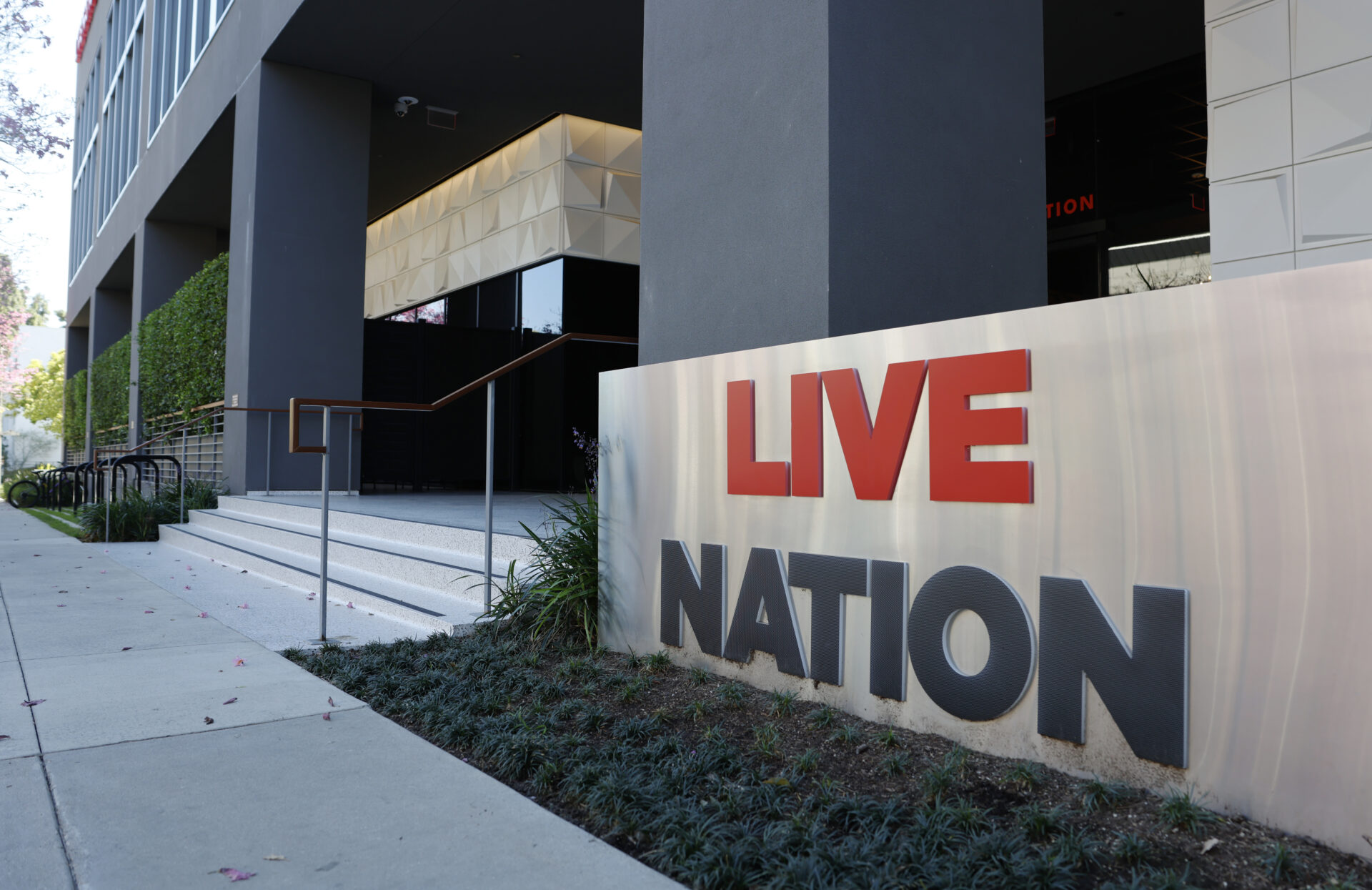
After a nearly five week trial full of twists and turns, a New York jury found that entertainment giant Live Nation and Ticketmaster operated as a monopoly in the ticketing industry in violation of federal and state antitrust laws.
Could Live Nation Vs. DOJ/U.S. States End In A Mistrial? Possibly. Appeals? For Sure
The jury — whittled down to nine members by the time it began deliberations Friday — listened to seven weeks of often detailed and complicated testimony from experts as well as many of the top executives in the live industry.
Next up is the penalty phase where U.S. District Court Judge Arun Subramanian will determine the remedies, which could include divestment by Live Nation as well as a reversal of the 2010 merger with Ticketmaster. Those moves, if they come to pass, are all but certain to be contested by Live Nation.
“The jury’s verdict is not the last word on this matter. Pending motions will determine whether the liability and damages rulings stand,” Live Nation said in a statement. “Live Nation will soon renew its motion for judgment as a matter of law, which the Court deferred until after the jury returned its verdict. That motion addresses all liability theories. The Court previously noted that Live Nation’s motion raises serious issues.”.
The company will also face monetary damages. The jury found that consumers were overcharged $1.72 per ticket — in line with the plaintiffs demands; Subramanian will determine the actual level of relief.
“Ultimately, Judge Subramanian is the one who determines the remedies if they are found guilty,” said Lauren Spahn, a partner in Buchalter’s Nashville office with a background in entertainment law and specializing in live, “which includes any potential structural relief. For example, the judge may decide that there are remedies outside of a full breakup that would satisfactorily limit Live Nation’s monopoly (i.e., requiring limitations on Live Nation’s business practices in lieu of a full breakup).”
Live Nation, in their statement, seemed to believe the final damages award will be similar to what was agreed to as part of the earlier settlement.
”The jury’s award of $1.72 per ticket applies to a limited number of tickets—those sold at 257 venues, which represent about 20% of total tickets—and only to purchases by fans (excluding brokers) in certain states over the past five years. Based on that scope, we believe the aggregate single damages figure would be below $150 million, which would be trebled. In connection with the DOJ settlement, Live Nation has already accrued $280 million toward state damages and civil penalty claims,” the company’s statement said.
Stephen Parker, National Independent Venue Association executive director, said despite Live Nation’s messaging that a structural remedy like a full break-up isn’t on the table, today’s verdict opens the door to a variety of remedies.
“In order to take away Live Nation’s leverage that, according to a jury, they have abused, you have to take away the tours,” he said. “While the illegal monopolization of the ticketing market is the headline, the true headline is that the way to fix monpolization of the ticketing market is to take aay Live Nation’s leverage and Live Nation’s leverage is the tours.”
Parker says NIVA believes Live Nation and Ticketmaster should be broken up, plus the remaining Ticketmaster business be broken up into primary and resale sectors. In addition, Parker said, because Live Nation’s leverage is their ability to book an entire tour, that the judge should limit how much of a tour Live Nation promotes to 50%.
On the other hand, Live Nation itself said it does not expect Subramanian’s injunctive relief to differ materially from the settlement.
Filed more than two years ago under the Biden Administration, the case was roiled by a surprise settlement between Live Nation and the federal government — and a handful of state plaintiffs — just days into the trial, leaving dozens of states to helm the case without the feds behind them. That settlement is still subject to judicial review under the Tunney Act.
After the settlement, the remaining states hired high-profile antitrust attorney Jeffrey Kessler, who prepared his case in just days, arguing that Live Nation is “a monopolist who views itself to be above the law” and that the company retaliated against venues who went with other ticketers and forced artists to sign with its management arm in order to play its owned-and-operated amphitheaters.
Live Nation’s defense during the trial was that it was a fierce competitor but operated within the bounds of the law and denied that it pressured venues to sign exclusivity arrangements with Ticketmaster in exchange for visits from the company’s top tours.
Any decision by Subramanian that spins off a portion of Live Nation’s business will no doubt endanger the so-called “flywheel model,” which LN has argued increases efficiencies — and profits — and made it one of the more attractive Wall Street plays in the entertainment business.
This story is breaking and will be updated.
FREE
 Daily Pulse
Subscribe
Daily Pulse
Subscribe
 Daily Pulse
Subscribe
Daily Pulse
Subscribe