
‘Arenas Are Becoming True Lifestyle Destinations’: Q’s With Marie Balsaqc, CEO Paris Entertainment Company
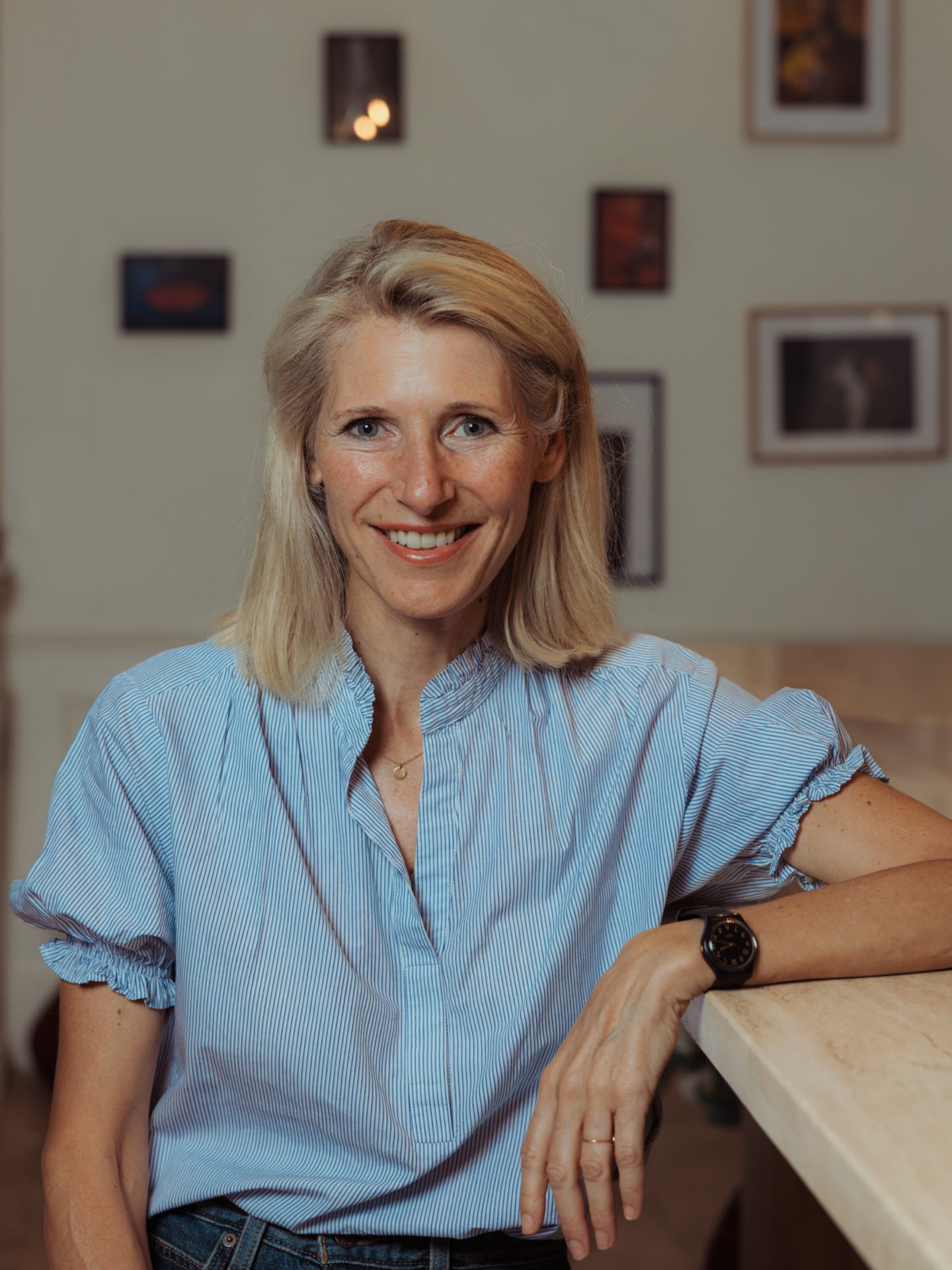
Paris Entertainment Company operates three landmark buildings in the Franch capital – Le Bataclan, adidas arena, and Accor Arena – comprising a total of more than 30,000 seats, and 400-plus events annually.
It’s buildings form a circuit within themselves, and there are many examples of artists who’ve performed in each of them while growing their fanbase in France. Paris Entertainment Company CEO Marie Barsaqc shares one example in this interview for Pollstar’s annual France Focus and talks about other trends shaping how her business operates, such as the rise of “sportainment”.
It’s a conversation that perfectly encapsulates the reality faced by many venue operators in France, including the challenges but especially the plethora of opportunities to meet the higher-than-ever audience expectations.
Pollstar: How would you sum up the state of business at Paris Entertainment Company halfway through 2026?
Marie Barsacq: The live entertainment market remains extremely dynamic, but it has also become far more demanding. Demand for shared experiences continues to be very strong, and Paris is further cementing its position as one of Europe’s leading capitals for live entertainment, sports and culture.
At Paris Entertainment Company, this momentum is reflected in activity levels that have exceeded our forecasts, with more than 2.4 million spectators expected this season, over 400 events scheduled, and steadily improving results.
However, the numbers tell only part of the story. Costs are rising, audience expectations are evolving, and competition is intensifying. Today, it is no longer enough to simply fill a venue. We must create a comprehensive, coherent and sustainable experience for artists, audiences, partners and the city itself.
We are entering a new phase of our development, with the ambition of strengthening our position among Europe’s leading entertainment operators while remaining deeply rooted in Paris.
Is there a category of events that’s underperforming? Is there one that’s over-performing?
We are not currently seeing any category that is genuinely underperforming. On the contrary, every musical genre seems to find its audience, from pop and K-pop to electronic music, metal, rap and French-language music. We also regularly see new genres and subgenres emerge, which reflects the vitality of the market.
What has changed is the significant increase in the number of events, creating greater competition between concerts themselves. Smaller-scale projects, particularly in lower-capacity venues, can be more exposed to this growing supply.
Rather than overperforming or underperforming genres, what we observe is that audiences have become much more selective. An event needs to have meaning, deliver an experience and create genuine added value. Major events, whether in music or sports, continue to generate exceptional demand, as do events capable of bringing communities together or offering distinctive experiences.
Going through Pollstar Boxoffice, it’s incredible how many tickets French and French-speaking artists sell. Is it fair to say that national talent has never been stronger?
There is no doubt that the French and French-speaking music scene is experiencing an exceptionally dynamic period. Domestic artists are now demonstrating their ability to fill the largest venues and create hugely successful live events. This reflects both the richness of French creativity and audiences’ attachment to artists who speak their language, reflect their era and create a close connection with their fans.
Over the past several years, we have witnessed the rise of urban music, which has become one of the main drivers of the French-language live market in our venues. As an example, Accor Arena will host fifteen shows by Orelsan next December, demonstrating how these artists are now achieving remarkable longevity and attendance levels.
This momentum extends well beyond urban music. French-language pop, in its many forms, also continues to attract large audiences, highlighting the diversity and vitality of French creation.
That said, there is no reason to view French and international artists as opposing categories. One of Paris’s greatest strengths lies precisely in its ability to host the world’s biggest touring acts while also providing a major platform for French-speaking artists.
You run several venues of different sizes. What about the club and grassroots sector?
A healthy music ecosystem depends on its entire value chain, from small venues to major arenas. Grassroots venues play an essential role in artist development and cultural diversity. The Bataclan, with its intermediate capacity of 1,600 seats, occupies a unique position within this ecosystem and holds a special place in the hearts of Parisians.
We are also fortunate to accompany certain artists throughout their growth. Don Toliver, for example, will soon perform at Accor Arena after having played successively in all three of our venues over recent years. This perfectly illustrates the importance of having a complementary ecosystem of venues that allows artists to grow and evolve.
More broadly, it is essential that a city like Paris continues to offer a diverse range of venues and formats that enable artists to develop progressively throughout their careers.
Which trends are shaping your business?
Several. The first is the growing importance of the overall experience. Audiences no longer come simply to attend a concert or a sporting event; they want to enjoy the entire experience before, during and after the event.
The second is hospitality, which has become both an experience driver and a value-creation tool.
The third is the rise of “sportainment.” Sport is no longer consumed solely as a competition; it is increasingly part of a broader experience that combines music, content, hospitality and entertainment.
Finally, arenas are becoming true lifestyle destinations. The adidas arena and the opening of Central Chapelle illustrate this evolution toward venues that are more open, more hybrid and more deeply connected to their surrounding communities.
What’s the biggest challenge you’re currently facing, and what’s the biggest opportunity you see?
Our main challenge is continuing to meet increasingly high expectations while preserving accessibility and maintaining a close relationship with our audiences.
Visitors now compare their experience not only with other venues, but also with hotels, restaurants and digital platforms. Expectations have become global.
Our greatest opportunity lies in the ability of venues to become genuine cultural and urban destinations. Our venues should not come alive only on event nights; they should exist every day, connect with their neighborhoods and offer new uses and experiences.
Anything else that maybe surprised you in recent times?
The Paris Sumo Tournament at Accor Arena is probably one of the events that has impressed me the most recently.
Seeing such a diverse audience come together around a discipline that is both unique and deeply rooted in tradition – discovering its rituals, culture and history while filling a major Paris arena – perfectly illustrates how our industry is evolving.
It reminds us that, beyond major concerts and traditional sporting events, audiences today are very open to new cultural experiences, provided they are authentic, meaningful and presented under the right conditions.
This is also what makes our industry so exciting: the ability to create unexpected connections between disciplines, artists, sports and audiences.
Any works, upgrades or other plans to your venues you can talk about?
We are currently developing two major projects that illustrate our vision for the future of our venues. The first is Central Chapelle, which recently opened adjacent to the adidas arena. It is a new 3,500-square-meter hybrid destination combining music, food, culture and social spaces. It includes several food concepts, terraces, a concert and club venue, creative spaces and gathering places designed to be used throughout the day and throughout the year.
More than an extension of the adidas arena, Central Chapelle reflects our belief that entertainment venues should no longer operate only on event nights. They should become places people visit regularly—whether to attend a concert, have lunch, participate in a cultural event or simply spend time there.
The second project concerns the surroundings of Accor Arena, where we are making significant investments in the public spaces around the venue. This includes the restoration of Canyoneaustrate, Gérard Singer’s monumental artwork located in Bercy Park, as well as the redevelopment of surrounding public areas to improve circulation, create new pathways and better reconnect the arena with its urban environment.
These projects include renovated public spaces, new landscaping, redesigned lighting and more welcoming outdoor areas around the venue.
Although very different in nature, both projects share the same objective: to make our venues active contributors to city life every day, not only when an event is taking place.
We believe the future of arenas will be shaped not only by what happens inside the buildings, but also by the relationship they maintain with their neighborhoods, public spaces and communities.
FREE
 Daily Pulse
Subscribe
Daily Pulse
Subscribe
 Daily Pulse
Subscribe
Daily Pulse
Subscribe