
‘Every Show Has To Justify Its Value’ : Q’s With Arnaud Meersseman, MD, AEG Presents France
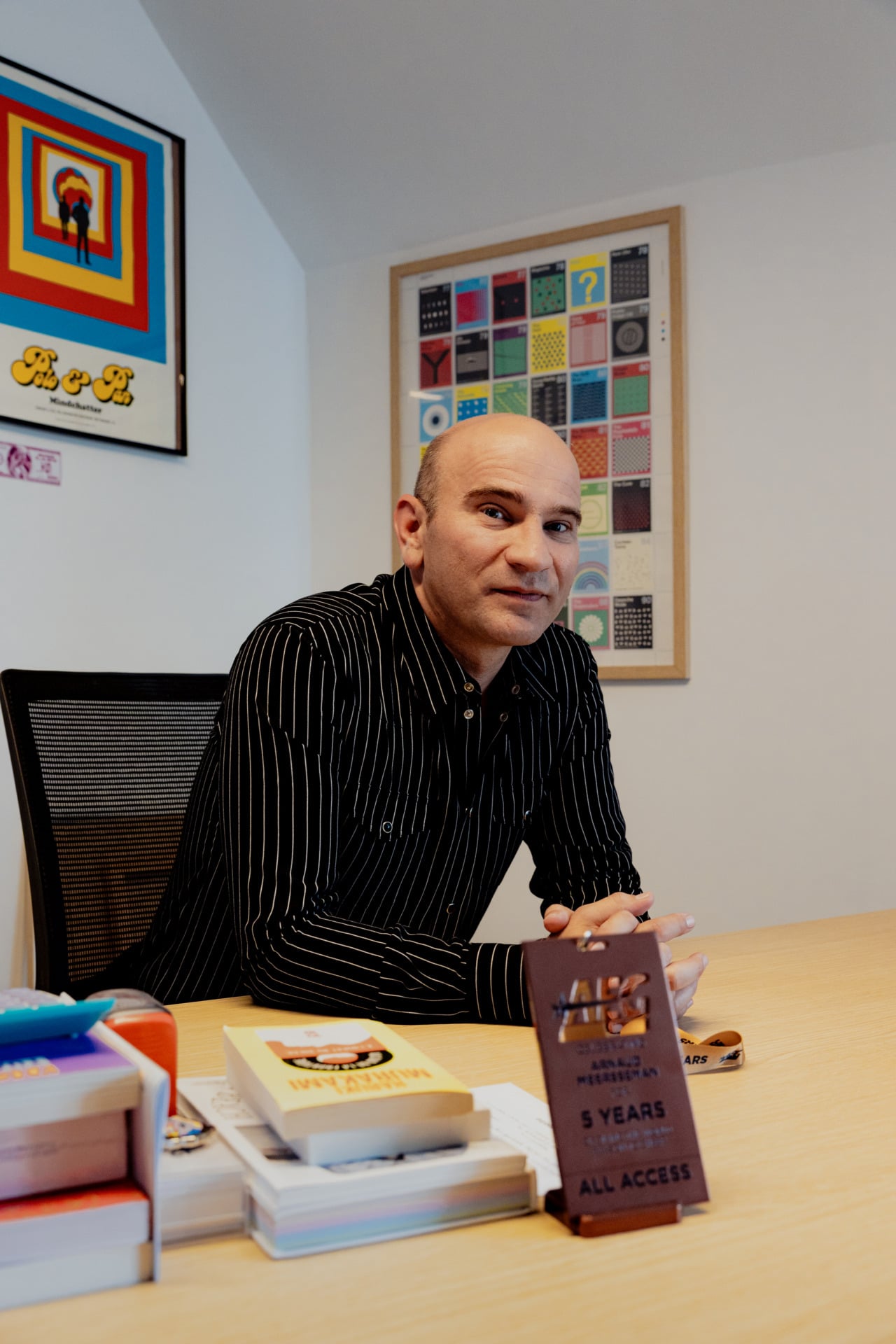
For our annual France Focus, Pollstar speaks with Arnaud Meersseman, Managing Director, AEG Presents France, touching on everything from the health of the country’s touring and festival industries to the grassroots scene and strength of domestic talent.
Meersseman also shared why he feels like the business is more healthy now than ever since the post-COVID bounce-back ; where he sees the greatest opportunities (as well as challenges) going forward; and moments that remind him of why he loves this job – the kind of all-encompassing round-up you only get when speaking to a seasoned live veteran.
Pollstar: How would you sum up the state of business at AEG Presents France roughly halfway through 2026, and how is this year comparing to 2025?
Arnaud Meersseman : The first half of 2026 has been encouraging. Demand for live entertainment remains strong, but the market has definitely entered a more mature phase after the exceptional post-pandemic rebound. Audiences are becoming more selective, choosing fewer events but expecting a higher-quality experience every time.
Compared to 2025, I’d say the business feels healthier and more balanced. We continue to see strong performances from both international artists and French talent, while remaining very conscious of the economic environment. Production costs remain high and consumers are paying closer attention to how they spend their money, so every show has to justify its value.
Is there a category of events – a certain capacity range or musical genre for example – that’s underperforming? Is there one that’s over-performing?
The market remains strongest at both ends of the spectrum. Arena and stadium shows featuring established artists continue to perform extremely well, particularly when they offer a truly premium experience.
The biggest challenge today is probably the mid-sized touring market, where competition for consumers’ attention is stronger than ever. Audiences have become much more selective about where they spend both their time and money.
Rather than thinking in terms of musical genres, I believe success today comes down to the uniqueness of the proposition. Whether it’s an international superstar or a rising French act, people want to feel they’re attending something they simply can’t miss.
How about your festival business? How is that shaping up? What are the current dynamics in the festival sector you need to factor in/take into account?
Festivals remain an essential part of the live ecosystem, but they’re operating in a much more competitive environment than just a few years ago.
One of the biggest challenges is artist availability. With the rapid growth of festivals around the world, particularly in North America, international artists have far more options than before. They increasingly build their own routing according to their schedules, which means promoters have less influence than they once did.
That makes exclusivity more valuable than ever. Securing a headliner on an exclusive basis, whether nationally or within a specific geographic radius can make a real difference. Exclusive performances strengthen a festival’s identity and give audiences a compelling reason to choose one event over another in an increasingly crowded marketplace.
At the same time, audiences expect much more than simply a line-up. They look at the overall experience: comfort, accessibility, sustainability, food offering and value for money. Festivals with a strong identity and a loyal community continue to thrive.
How’s the French grassroots scene doing?
France benefits from a remarkably strong grassroots network, supported by independent venues, local promoters and regional festivals. It’s an ecosystem that continues to nurture exciting new artists.
Touring remains challenging for emerging acts because costs have increased significantly, but the creative pipeline is incredibly healthy. One of our responsibilities as promoters is to continue investing in artists early in their careers and help them develop sustainably over the long term.
How important is domestic talent to your business, and can you quantify that? What are some French acts people should have on their radar right now?
Domestic talent is absolutely fundamental to our business. France has one of Europe’s strongest local music markets, and French audiences have a genuine appetite for homegrown artists.
More importantly, developing local artists is a strategic priority for AEG Presents France. We are committed to identifying talent early, supporting artists as they grow and helping them build sustainable careers over the long term. That means investing not only in established names but also in the next generation of French artists who have the potential to reach larger audiences both in France and internationally.
A significant proportion of our activity involves French-speaking artists, making domestic repertoire one of the pillars of our business rather than simply a complement to international touring.
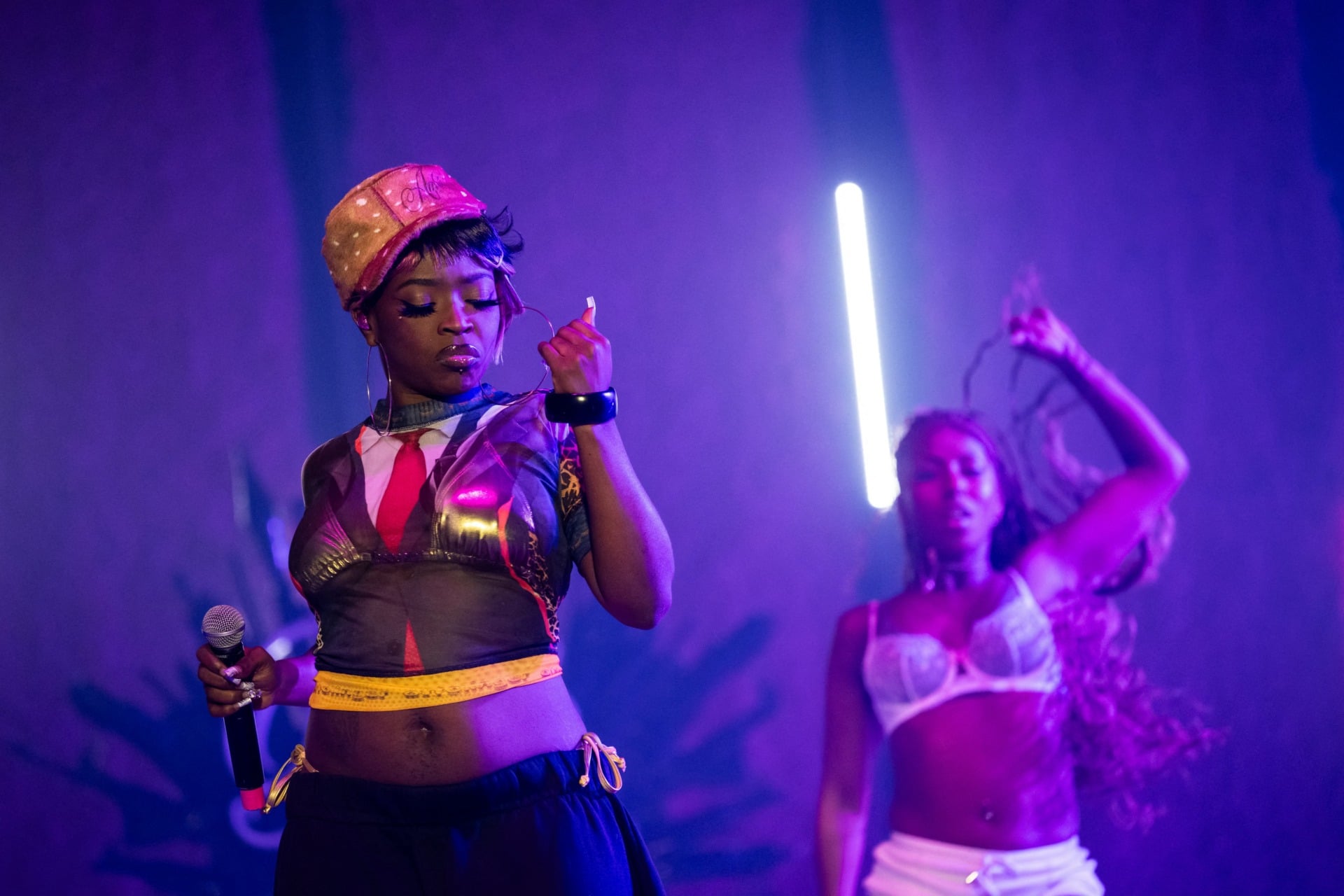
There is an exciting new generation of artists emerging across rap, pop, electronic and alternative music. Acts like Théodora, Polo & Pan or Ino Casablanca are great examples of the diversity and creativity currently shaping the French scene, and I believe many more artists will break internationally over the coming years.
Which trends are shaping your business?
One of the biggest trends is the premiumisation of live entertainment. Concerts have become destination experiences. Fans aren’t simply buying a ticket anymore, they’re investing in memories, emotions and experiences they want to share.
We’re also seeing increasing demand for premium hospitality, while technology and data continue helping us better understand audiences and communicate more effectively.
At the same time, sustainability has become a key expectation from fans, artists and partners alike. Finally, the industry has become increasingly global, making strategic planning and international collaboration more important than ever.
What’s the biggest challenge you’re currently facing, and what’s the biggest opportunity you see?
The biggest challenge is balancing increasingly sophisticated productions, rising operating costs and accessible ticket prices.
Artists are investing more than ever in production, staging and technology, while audiences rightly expect exceptional live experiences. Our responsibility is to continue delivering world-class shows without making live entertainment inaccessible.
The biggest opportunity is that people’s desire to experience live music together remains incredibly strong. Despite economic uncertainty, concerts continue to create emotional connections that simply can’t be replicated elsewhere. That’s what makes this business so exciting.
Anything you’d like to add? Something that maybe surprised you in recent times, a spectacular or beautiful anecdote from an event, something that serves as a reminder of what an incredible, exhausting, and magical business this is?
One thing that continues to amaze me is the emotional power of live music.
You can spend months negotiating, planning and solving countless logistical challenges, and then, the moment the lights go down and the artist walks on stage, you remember why we do this.
Seeing tens of thousands of people singing together, forgetting everyday concerns for a couple of hours, is something incredibly powerful. It’s an exhausting business at times, but it’s also a privilege. We don’t simply produce concerts, we create memories that people will carry with them for years.
FREE
 Daily Pulse
Subscribe
Daily Pulse
Subscribe
 Daily Pulse
Subscribe
Daily Pulse
Subscribe