
‘The Residency Changes The Very Nature Of The Show’: Q’s With Frédéric Longuépée, CEO, Plenitude Arena
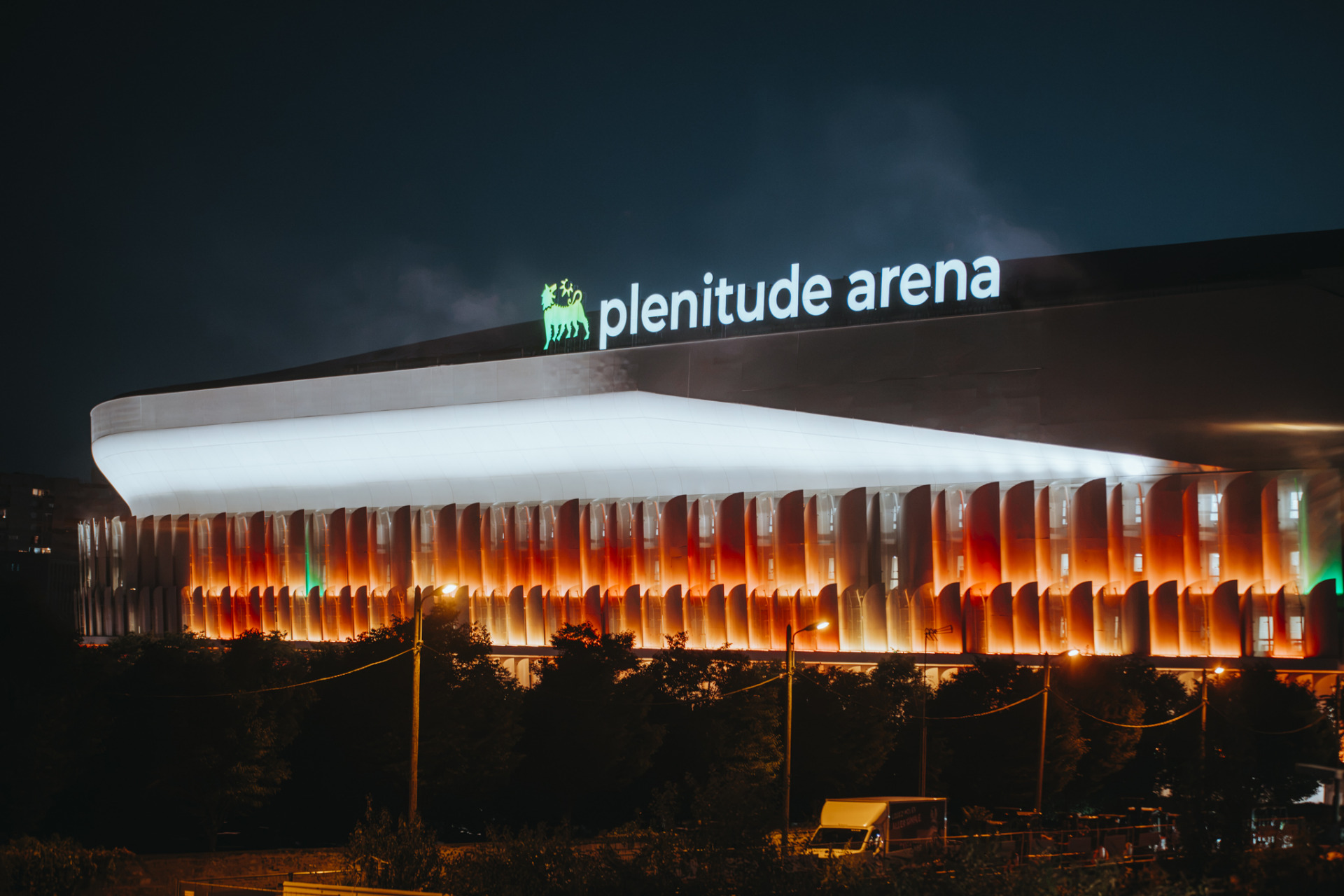
The biggest indoor stadium in Europe has a new name since July: Plenitude Arena, located in La Défense, a major business dirstrict in Paris, France. At a maximum capacity of 45,000, it offer space for the biggest shows by the biggest stars without exposing spectators to the elements.
It’s also home to professional French rugby club Racing 92, and hosts major sports events throughout each year, in 2026, for instance, the Rolex Paris Masters tennis competition.
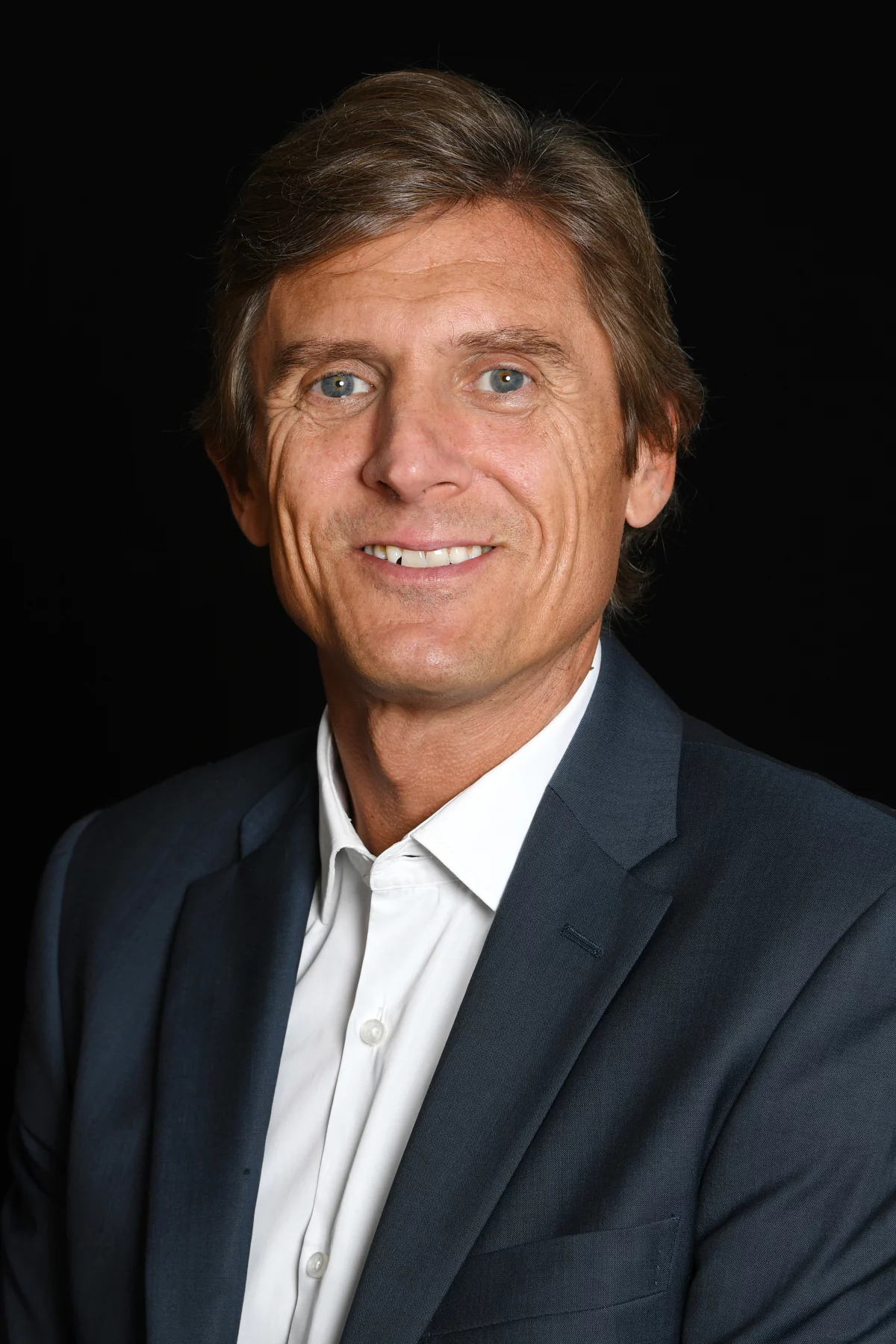
Premium corporate events complete the core offering around which Plenitude Arena has built its business, and its diverse program has grown steadily over the years. For Pollstar’s annual France Focus, we spoke with Frédéric Longuépée, CEO of Plenitude Arena – about trends, challenges and opportunities, as well as event highlights like the upcoming Céline Dion Paris residency in September and October.
Pollstar: Mr. Longuépée, how would you sum up the state of business at Plenitude Arena roughly half-way through 2026?
Frédéric Longuépée: The first half of 2026 confirms a very strong momentum for the Arena, both operationally and strategically. It is also a milestone year marked by a new naming partnership, with Paris La Défense Arena becoming Plenitude Arena. This evolution goes beyond a rebranding: it reflects a long-term alignment with a partner focused on innovation, sustainability and performance, and reinforces the venue’s ambition on a European scale.
Programming has grown steadily every year since the 2019/20 season, rising from 32 events to more than 90 events this season, making 2026 the strongest year in the Arena’s history, both in terms of volume and the diversity of formats hosted.
The 2025/2026 season will close with more than 90 events, over 2 million tickets sold and €120 million in gross box office revenue, strong growth in our activity. This diversity of programming, combining major international tours, very strong demand from French-speaking artists, premium corporate events and world-class sporting competitions, is at the core of our model and ensures long-term resilience.
To put this in perspective, the Arena hosted 56 events last year, meaning our programming has grown by roughly 61% year on year, a trajectory we intend to sustain rather than treat as a single exceptional season.
Among the key highlights of our calendar, the world residency of Céline Dion stands as a major milestone, illustrating the Arena’s ability to host unique, global-scale formats. Alongside this, major tours and international productions such as Muse and Bad Bunny, this year’s Super Bowl Halftime Show artist, as well as many French and international artists, continue to establish the venue as a fixture on the European touring map.
The growing number of major North and Latin American acts choosing Plenitude Arena as their European anchor date tells us something beyond programming success: the venue is now factored into global routing decisions, not only into the European touring circuit.
We also continue to strengthen our role as a leading venue for major sporting events, including the Rolex Paris Masters, which we have been hosting since 2025, further consolidating the Arena’s multi-purpose dimension at the highest international level.
Is there a category of events that’s underperforming? Is there one that’s over-performing?
We are not seeing structural underperformance in any category. The reality is more that the market has become increasingly selective and competitive.
Large-scale concerts remain extremely strong, particularly for artists capable of mobilising international audiences. Sport continues to be a key driver, especially with flagship events such as the Rolex Paris Masters, which confirms the venue’s positioning at the highest level of international competition. Corporate and experiential events are also growing steadily, as clients are looking for more premium, immersive and tailor-made formats.
Going through Pollstar Boxoffice for your building, French and French-speaking artists are boasting exceptional ticket sales. Is it fair to say that national talent has never been stronger and generated more demand than right now?
Absolutely. French-speaking artists are currently experiencing a very strong cycle, with the ability to fill arenas of our size over multiple nights, which reflects both artistic maturity and a very strong connection with audiences.
What is particularly notable is the internationalisation of this success. Many of these artists are now building audiences well beyond France, supported by streaming platforms and digital ecosystems.
At the same time, our strength lies in maintaining a truly global programming strategy, with a balance between leading French-speaking acts and the world’s biggest international touring productions.
See: Live Nation To Acquire Plenitude Arena
Which trends are shaping your business?
The residency format is clearly the underlying trend reshaping the industry. After Las Vegas, this model is spreading to major European capitals, and Paris has a structural advantage no other city has: a venue able to hold up to 45,000 people and a destination the whole world wants to visit. Most comparable arenas across Europe cap out around 18,000 to 20,000 seats, which increasingly limits the gross revenue available to justify the biggest bookings. Capacity at our scale simply removes that ceiling.
The logic is simple: bring the audience to the artist rather than the other way around. It generates an experiential form of tourism that we’re starting to see in music the way it has always existed in sport. The Céline Dion world residency is a direct illustration of this: 9 million registrations were recorded for the first sale, a level of demand that led to the addition of 10 further dates, bringing the residency to 26 shows.
But the strongest contribution of the residency format isn’t just quantitative: it changes the very nature of the show. A traditional tour forces a production designed to adapt to a different venue every night. A residency allows the reverse: a stage design built specifically for this venue, delivering a far more immersive experience for the audience. The show no longer adapts to the venue, the venue becomes part of the show. Structurally, our venue behaves more like an indoor stadium than a traditional arena, which is precisely what makes it a natural fit for residencies: artists can play at stadium scale without the cost and logistics of a stadium tour, and without having to repeat the exercise night after night in a different building.
For us, it is also a signal about how our model is evolving: the ability to host world residencies requires infrastructure, a team and a reputation built over time. This is also visible at industry level: major global promoters and venue operators are collectively committing billions of dollars to new arena development over the coming years, a clear signal that venues themselves, not just touring content, are now treated as a strategic asset class in their own right.
What’s the biggest challenge you’re currently facing, and what’s the biggest opportunity you see?
The biggest challenge is the increasing competition between major international venues for a limited number of global touring productions. This requires constant differentiation and the ability to deliver value that goes far beyond capacity alone.
Our opportunity lies in the unique positioning of Plenitude Arena as a multi-purpose destination capable of hosting the biggest international tours, international sporting events, and exclusive formats such as global residencies.
Anything you’d like to add?
The live entertainment industry is going through a phase of acceleration and transformation. Audiences are more demanding, but also more engaged than ever, which is extremely positive for the future of the sector.
Our ambition is for Plenitude Arena to remain the reference where sport, music and live experience converge at the highest level. We are not only adapting to the evolution of the industry, we are actively contributing to shaping it. Since opening in 2017, Plenitude Arena has welcomed close to 400 events and more than 7.5 million visitors. That trajectory keeps accelerating rather than plateauing, and that, for an international audience, is the real takeaway: this venue is not consolidating, it is still scaling.
FREE
 Daily Pulse
Subscribe
Daily Pulse
Subscribe
 Daily Pulse
Subscribe
Daily Pulse
Subscribe