
Remembering Dale Morris: Randy Owen, Kenny Chesney, Clint Higham Pay Tribute To Pioneering Manager Who Changed Game With Alabama
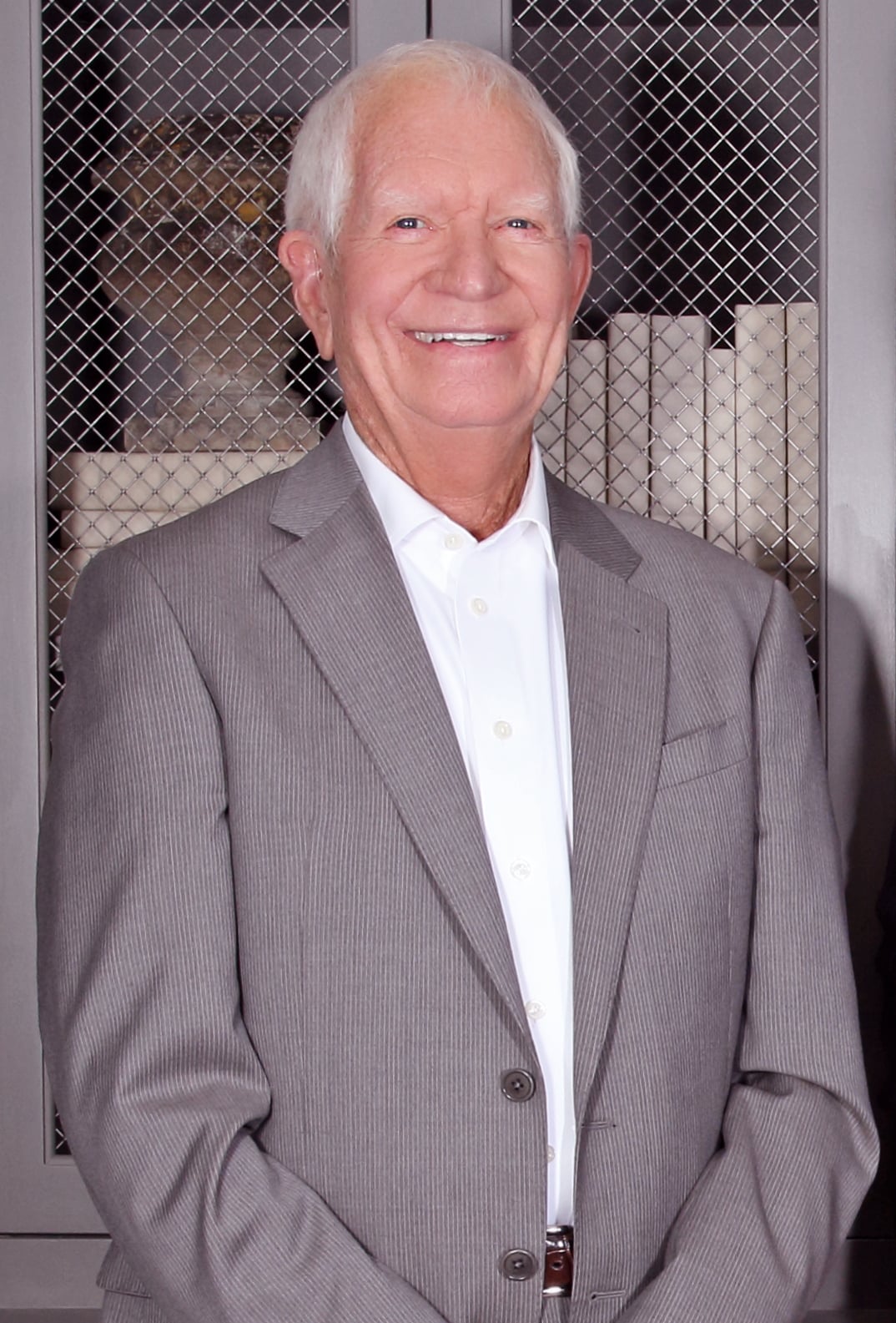
Dale Morris, the 89-year-old supermanager who passed away in Nashville Friday evening, was hard to miss. With his tennis shorts, collar popped and sunglasses, the gregarious white-haired icon-maker stood out, even as he eschewed the spotlight and avoided attention.
But you can’t miss the generational superstardom of his two biggest clients. Alabama, whom Morris signed in 1979, went into the Country Music Hall of Fame in 2005; and Kenny Chesney, who started with Morris in 1994, was inducted into the CMHoF in 2025. That’s a lot of longevity, but it also takes a great deal of heart, big dreams and familial connection to sustain that level of impact over almost half a century.
“Dale was in an old rattle trap of a Ford station wagon, and he picked us up at the airport,” Alabama lead singer/guitarist Randy Owen recalled Saturday night. “He pulled up in this rust bucket, and told us, ‘I want to be your manager.’ I remember it so vividly.
“We were kids from Alabama, playing in a beach bar. We didn’t really know what a manager was, or did. We’d been working for tips in a bar on the oceanfront, working hard – just trying to exist. We thought we had to pay him, and we didn’t have any money.”
Rollin’ On: Alabama Celebrates Its 50th (Cover Story)
Looking back, Owen still marvels. “He saw something in us. He saw something we sure didn’t.”
Recognizing what other people didn’t see was part of Morris’ superpower. But everything about the 2005 IEBA Hall of Famer’s rise to prominence defies logic. Having sold headache powder door-to-door and store-to-store, the rural South Carolinian headed to Nashville to be a songwriter.
His “Don’t Monkey with Another Monkey’s Monkey” propelled Johnny Paycheck into the Top 5 in 1967, but Morris decided he could make a bigger impact on the business side. A stint in promotion at Little Darlin’ Records led to his teaming with producer Ron Chancey; they formed Cartwheel Records, signed a fellow South Carolinian Billy “Crash” Craddock, and created enough success ABC bought them out.
With Craddock’s “Rub It In” creating a sensation, Morris began managing and repping the good-looking singer via his International House of Talent. If marrying the two roles was unconventional, Morris had more control – and the ability to focus completely on a few acts.
In that capacity, he started doing a lot of business with Variety Attractions, an Ohio-based state and county fair buying company founded in 1961 by George Moffatt. Entertainment booking was going through a change, Moffatt realized– and sought to build relationships rather than just book dates.
As Todd Boltin, who went to work on the Demolition Derby side of the business in 1982, and bought the company in 2016, remembers, “Dale and George understood each other. They’d done a lot of dates with ‘Crash’ Craddock, so when Dale said he’d signed this band called Alabama – and to book’em as much as we could, George did.
“They played 60 dates for us the summer of 1980.”
Randy Owen laughs when he looks back. Even with a hit on an indie label, a bidding war across the major labels – with RCA, the home of Dolly Parton, Waylon Jennings and Ronnie Milsap winning – and a manager with big dreams, the boys from Fort Payne, Alabama, were awestruck.
“When we went to the studio, the old Music Mill, and recorded ‘Tennessee River’ and ‘My Home’s In Alabama,’ it was happening so fast. We were signed to RCA Records, then ‘Tennessee River’ took off. I still don’t really believe it, but it hit No. 1!”
Certain it was all going up in smoke, the band stayed on at the Bowery in Myrtle Beach, where they’d staked their claim as Wild Country. Mostly playing covers, they weren’t sure.
Q’s With Dale Morris: From Alabama To No Shoes Nation, Morris Walks His Own Path
“Tennessee River” became the first of 21 consecutive No. 1 country hits. On July 12, 1980, Alabama let go of their club gig – finally staking their claim. In addition to those 60 fair dates, Morris sent the band to Texas, Oklahoma, California. Owen, again, marvels. “When we were in Texas, we’d have 20, 30 cars following us from town-to-town-to-town. It was crazy.
“Dale told us we needed to play those places; it was important. I remember calling him and saying, ‘They don’t like us,’ even though the shows were selling out. Dale asked, ‘Why do you say that?’ And I explained, ‘Well, they keep dancing while we’re playing.’
“In the bars, people danced when they didn’t like you. Dale laughed, said, ‘Son, it’s different in Texas. When they’re dancing, that’s good.’ We didn’t know; we just wanted to make sure people had a good time.”
Unintentionally, Alabama were toppling country norms. A self-contained band, they performed in street clothes, not suits. They sang conversationally, speaking to working-class people – and taking the stage looking like the audience.
“We were so broke, we were wearing whatever was the cleanest pair of jeans we had, cutoffs, sneakers, T-shirts with holes,” Owen admits. “People would give us shirts and T-shirts – and we’d wear ’em, because having a new, clean shirt was a big deal.”
At a time when country stars dressed up, cutting across the grain struck Morris. Owen explains, “We’d play hotel bars in the winter, and they’d want matching suits. That was the thing. We hated it, and we told Dale. He said, ‘Good. Wear what you want.’
“I think he saw something we didn’t: he saw that we looked just like the audience. He knew it could work for us. He could read the room, read people and watch how the audience would connect. He saw what nobody else did.”
Part of that vision was putting the fledgling band on “Austin City Limits” in 1981. As Executive Producer Terry Lickona remembers, “When they did that show, they were driving a van and pulling a trailer with their gear. I suspected Dale wanted the exposure ‘ACL’ brought… I had the impression they let him pretty much take control of everything.”
Owen confirms how big Morris’ role was. “It all happened so fast, and he saw things in a futuristic way. I’d envision something or dream, but he’d have this big humongous picture – versus us kids from a small town in Alabama – and he’d have a plan.
“How could you not be excited and grateful when someone believed in you so much? Was devoting their life to your band? The more excited Dale got, the more excited we got.”
As Morris remembered for Pollstar’s Alabama cover story, “The screaming was so loud, and the audience was so young, it was drowning out the band. I knew we needed a sound system that could carry over all of that.”
Doing his research, Morris went to listen to popular rock bands live. What he heard with Bob Seger’s sound system impressed him; he bought it. It was the beginning of Morris Light + Sounds More importantly, by purchasing a massive rock sound system, he pulled Alabama ever closer to the mainstream touring acts of the ‘80s.
Knowing what he wanted to build, Morris wasn’t worried about other country acts. Alabama would make their mark against artists from other genres. Reaching out to Dick Clark, he pulled the coup of getting the band booked on the decidedly not country “American Bandstand,” where they performed “Tennessee River” and “My Home’s In Alabama.”
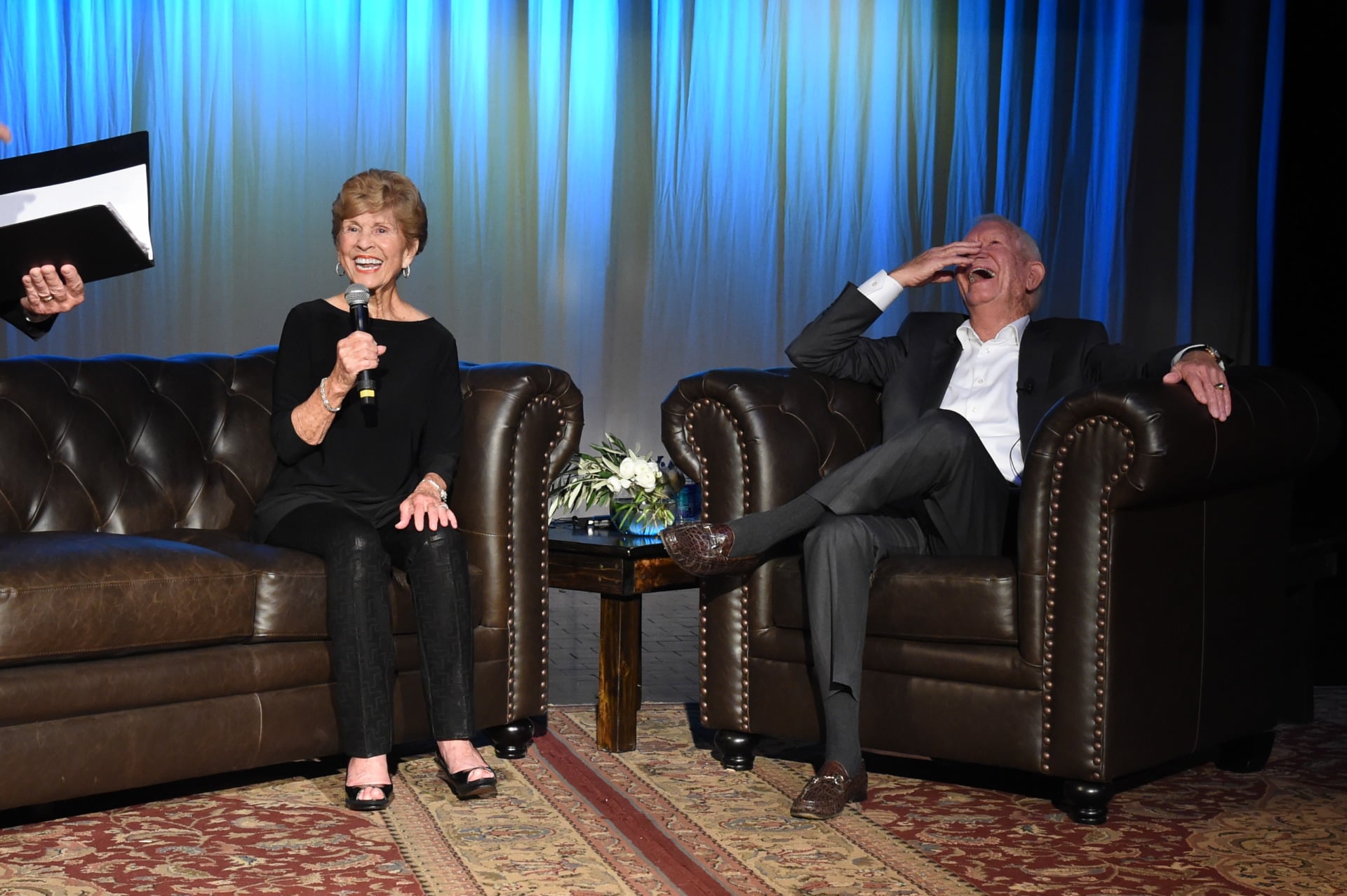
“It was so exciting,” Owen says. “We’d watched Dick Clark back home, and then there we were. Dick couldn’t have been nicer to us – and only a few months before, we’d been playing for tips in bars where people weren’t so nice.”
“Dale always said when Alabama did ‘American Bandstand,’ it really changed things for them as a country rock band,” says television producer Rac Clark, Dick Clark’s son. “It showed how fans listening to rock and especially Top 40 really reacted to them. Suddenly, they weren’t ‘just a country group,’ they were a band who mattered to music lovers no matter what they listened to.
“And let’s face it: people can say all kinds of things, put hype in trade ads, but when you did ‘Bandstand’ in those days especially, those kids were the litmus test. Dad was very protective about who was booked on the show, because ‘Bandstand’ was his baby. With Alabama, he took a real chance, and it worked; Dale said it broke the band wide open.”
Certainly no band dominated country – and in a lot of ways American – music in the ‘80s like Alabama. Morris pushed the band to break ground, to forge alliances in places most Nashville-centered acts didn’t. Rock promoters, including Bill Graham, started working with them.
Making their production on par with the biggest bands touring certainly made a statement. But as now SVP at AEG Live John Valentino, then a booking agent at West Palm Beach’s powerhouse concert promoter Fantasma Productions, explains, “In the early ‘80s, I was told by a record rep friend of mine, you must see this band, Alabama, who were playing in a club in Fort Lauderdale. I had never seen a country band like this before. They were high energy. The band was all over the stage, and they had a force that matched that of a rock band. And the songs were great.
“Alabama wasn’t what country was at that time. This was the new generation, and I liked it. We started booking them almost immediately, because they were a band people could relate to. Florida’s a big state for rock, but also anything country that hits hard. Alabama hit on all cylinders.”
Dale Morris, who wanted to dream the undreamable, had tapped into something. He recognized what music could deliver to people who worked hard. When you added the rock aspect, there was nothing Alabama couldn’t do. Including not forgetting the people who were there early.
As Boltin remembers, “Dale was a relationship person. He didn’t work with everybody, but he was loyal to the ones he did work with. George (Moffatt) was the same way. When Alabama took off, they could’ve just moved on, especially because a lot of the fairs we work with couldn’t have handled the guarantee.
“But Dale figured out how to make it work for everyone. They set their guarantee at $65,000 with $15,000 for production; then they’d take 85% on the back end – and still make the same kind of money. Everybody won, and that made a lot of the fairs happy they could hang onto this act.”
Valentino, too, points to the relationship factor as a key in Morris’ success. “We started working with Dale as both the manager and agent really. He wanted to enhance their production, give them something bigger than the typical look. We understood. Dale did things his own way, because he believed you didn’t have to do what had always been done. He was willing to work with and get to know promoters who shared that vision and could make it happen.
“Jon Stoll, who founded Fantasma, was very much the same way,” Valentino adds. “He was a relationship guy, and he’d take chances when he believed. Alabama, for us, kind of opened the door to country. We promoted major rock acts and the pop stars, but Alabama delivered the same way. So that got us into country.
“We started booking the bigger fairs, where many of the rock acts played, because Dale’s vision with production made them the same kind of booking. We knew we could sell out the Gulfstream Race Track for the Broward County Fair. Places like Jacksonville, Tallahassee, Lakeland, Gainesville and Hollywood in the early days worked because of that show.”
Randy Owen doesn’t joke when asked: “Was Dale the fifth Beatle?” In a measured tone, he answers, “I don’t know about that, but he certainly was the fifth member of Alabama. He saw these things, and made us believe in them, too. That’s a big part of it.”
Handling one of the hottest bands in any genre, Dale came to find out country acts were hitting a ceiling in what they were being paid in many arenas. He didn’t like that, not one bit. He decided there must be a better way, and started booking the band on massive outdoor shows.
Suddenly, the people who’d try to cap what a country headliner was paid were locked out of the Alabama business. And country music fans were pouring into fields to hear their favorite band in a location that reflected not just how they lived, but the all-America live wide open ideal.
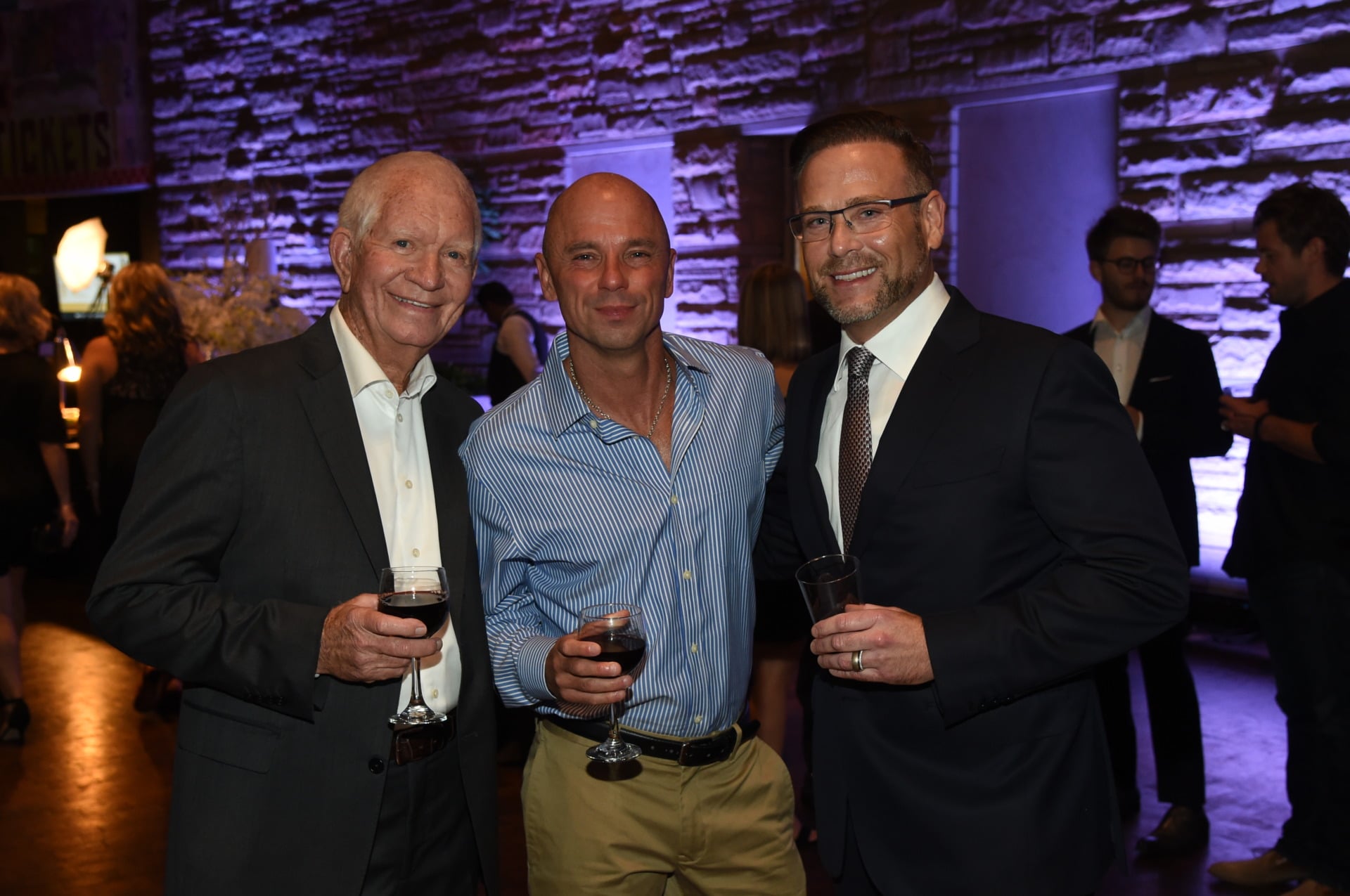
Kenny Chesney writes of seeing the band at Red Gate, 8 miles from his home well beyond Knoxville’s city lights, in his No. 1 New York Times best seller HEART LIFE MUSIC, flying in on a helicopter. “Maybe 10 or 11 years old, I remember going, ‘My God! This is the coolest thing ever…’
“The helicopter landed in a field off to the side of the stage. A door popped open, and the band scrambled out; hunching low under the blades… Like something in a movie, like something rock stars would do. We lost our minds.
“That move took the anticipation up 100 percent. Now they were superheroes, landing in a field in their helicopter…. They played all the songs we listened to since their records came out. ‘Tennessee River’ with its big chorus had everybody clapping in time; swept up in a song that was all about something that really was a part of our lives. I’ll never ger over the feeling…
“We knew there was the Rolling Stones. We knew there was The Beatles. But they weren’t us, and they didn’t understand who we were. But that night in East Tennessee, there was Alabama! That was it. They were not only the biggest band in the world to us, which they were in many ways, but they were ours!”
The more they engaged and reflected the people who loved the music, the bigger things would be was a critical part of Morris’ acumen. Valentino concurs. “It was insanity, putting them at the Palm Beach Fairgrounds before there was an amphitheater, because people in South Florida take their country seriously,” he says.
“We built a stage, working with their production people who came in with a world-class lighting rig and sound system. If nobody in country had ever really done this, we were game. Fantasma was always doing things beyond what the other promoters might have, whether it was a jazz festival in Miami or a comedy club in West Palm.
“Because Dale really believed this was the way to promote Alabama in South Florida, we had that relationship. And he wasn’t wrong. People packed into the show, easily 10,000 strong, and it was another one of those nights when Randy, Teddy, Jeff and Mark were on fire.”
That passion for the people, which Morris and Alabama shared, defined a populist kind of country that followed the “Urban Cowboy” country-rock and Adult Contemporary Kenny Rogers/Eddy Rabbit malaise. Alabama gave country music back to the people.
Morris, especially, delighted in breaking ground. Whether it was Alabama being a rare country act on Apple Founder Steve Wozniak’s massive US Festival in San Bernardino, their own June Jam to raise funds for local charities in Fort Payne, Alabama, or staking a claim on the West Coast, they were ready.
“Look at Dale’s relationship with the Academy of Country Music,” says R.A. Clark, who served as Executive Producer of “The Academy of Country Music Awards,” as well as acting as interim ACM Director in 2019. “He understood the Academy, based on the West Coast, really leaned into outliers, outlaws, the acts who came out of bars and represented the fans who were living the music. Alabama won five Entertainer of the Year Awards and Artist of the Decade, because they reflected the core values of what the ACM represented. Kenny Chesney won four Entertainer of the Years, as well as the Triple Crown, and Old Dominion has the record for the most Top Vocal Group Awards.
“I think a lot of that is because, like my father, Dale wanted his artists to connect with the people. That was the ACM’s defining reality: it reflected what the people who were listening to country music were embracing. Dad, Gene Weed and Bill Boyd tried to book artists early, even before they were a household name. It’s why Alabama and Kenny became flagship artists at the ACMs and ‘American Music Awards.’”
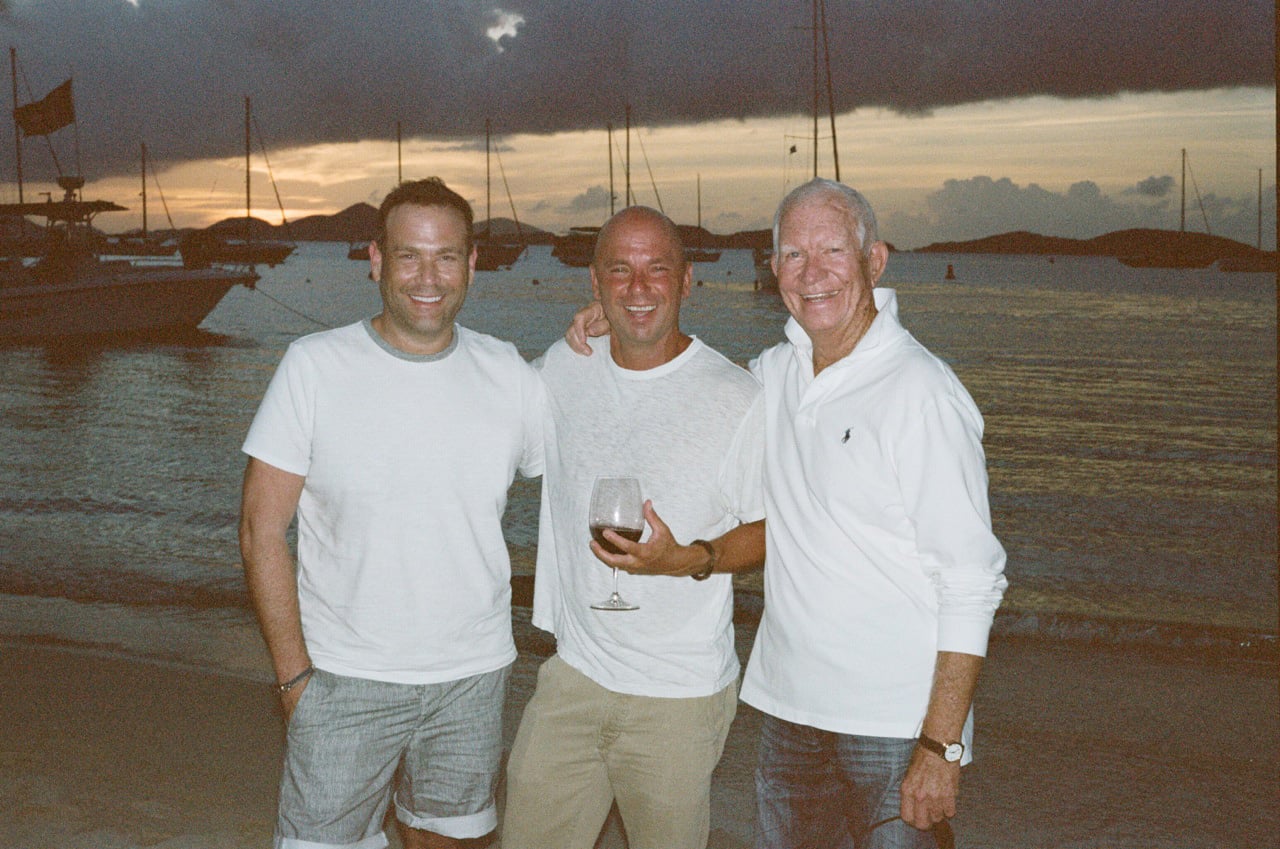
Always one to nurture and build, Kenny Chesney and now Morris Higham Management co-head and Chesney’s current manager Clint Higham were kids with a dream when Morris introduced them. Chesney, signed to Capricorn Records, needed a manager when Muscle Shoals legend Barry Beckett suggested Dale Morris.
“He asked me if I knew who Dale was,” Chesney begins. “All I said was, ‘Can you get me a meeting?’ When Beckett said he could, I knew that was the only person I wanted to meet with. He was the fifth person getting out of that helicopter at Red Gate, so I knew he had the map to make something I didn’t know how to dream happen…
“What I wasn’t prepared for was how much he was going to teach me about life, about how to enjoy where you are, to build something to last, to always make sure people feel like you treated them right and to remember there’s more to this than any one goal. Dale was a real people person; he loved people, who they were, what they loved – and that made all of us successful.”
In York, Pennsylvania, during an early run with Alabama, Morris walked a young Chesney into George Moffatt’s office, and said, “Put him to work.” Suddenly, Chesney, who had yet to hit paydirt in terms of name recognition, was booked wall-to-wall doing all those fairs and regional festivals. Those dates gave Chesney the ability to keep his band paid, his bus note covered and a grassroots fan base that drove his first greatest hits collection to triple platinum before his breakthrough No Shoes, No Shirt, No Problems ever landed.
“Dale saw the value of people right where they were,” Variety Productions’ Todd Boltin, who jokes he’s driven 3 million miles covering dates, says. “One year at Country Festival in Fort Laramie, I remember Lady A were on the bus talking to Kenny, and everyone was really happy. Kenny asked, ‘Where you playing tomorrow?’
“Their heads kinda fell, and one of them said, ‘Elinor, West Virginia.’ Kenny got the biggest smile on his face, ‘Wow! The Putnam County Fair!’ They were shocked, but you could see their mood light up when they saw his response.
“One of them asked, ‘Howd’d you know that?’ Kenny didn’t blink, just said, ‘Oh, I played all those fairs for George Moffatt, for a lot of years.’ You could see they suddenly realized it was good work, great people… It was how fanbases were built, because Kenny was as big as it got when they had that talk.”
The common touch with the impossible dreams. That might be the single greatest truth about who Dale Morris was, what made him such a singular talent manager. As Higham, who went from booking Chesney while still on college to being the company’s co-owner, reflected on what his mentor meant to the music business, “Dale thought bigger than most Nashville people. He was the first manager to bring a rock mentality to touring and production. He also understood the art of a deal, how to get creative and structure something to get things done.
“Even though he swam with Nashville’s people, he also knew the Doug Morrises, the Ahmet Erteguns of the world, which mattered. Dale introduced me to Louie Messina, Joe Galante; it seems like everyone. Dale could get anyone on the phone.
“Narvel (Blackstock) sent me a text that Dale was his mentor, that he modeled what they did [with Reba, Blake Shelton] after Dale. Erv (Woolsey) took what Dale did and applied to George Strait, and we see how that worked. Heck, people don’t know that Dale booked Strait when they were starting out. And we all compete and competed, but we all also work together. That comes from Dale.”
When Morris, who’d been approached many times over the years, decided to sell the Dale Morris & Associates Agency to Paradigm, the man who’d built cutting-edge staging, lighting and sound companies recognized the world was moving so fast, he wanted his people to have every advantage. Not only did he negotiate ongoing representation by Mike Betterton and Nate Ritches into the deal, he found ways to use the larger firm to power 21st century opportunities.
Morris Higham Management President Clint Higham recognizes it’s the ability to look ahead that ensures an artist’s career and their company’s future. “Dale was always willing to consider the risk, manage what we could to maximize what would happen. He really loved music and artists, people who wanted to chase this dream like me.
“When he received the Country Music Association’s Irving Waugh Award, Old Dominion presented it – and he was just delighted to see the guys, to spend time with them. That award is given for how his ideas and actions broadened and improved country nationally in a way that benefits the industry as a whole. And you know, he didn’t set out to do that, but that’s what happened. Whether it was Kenny going into stadiums or Sphere, starting a SiriusXM radio station or even his island records, empowering his artists — and rising business people like me — to chase their dreams wasn’t business as usual.
“Typical Dale, he was happy to get the award, but he wanted to hear what the guys had been doing. Old Dominion got in a van and built a career; that’s everything Dale loved.”
Randy Owen agrees. Calling from a hotel room on a mid-tour day off, he says, “I was in the airport in Tyler, Texas, in 2005, and Dale called. He said, ‘Randge, remember that thing you and I used to talk about…’ And I went, ‘Yeah…,’ only it hit me what he was saying as he said, ‘Well, guess what? You made it.’
“I just broke down, crying for joy ‘cause Dale told me we were going into the Hall of Fame. So many dreams had come true, but this? This was all that hard work from all of us all these years later – and it had borne fruit.
“In a lot of ways, it was God’s plan. We were all willing to work our tails off, Dale included. But to put him in our path, to have him believe the way he did. It’s hard to imagine a world without him.”
Certainly Earline, his wife of 68 years, daughter-in-law Jennifer, their grandchildren Zack, Colton and his wife Mary Blair, Nick and his Shelby, and Kendall, as well as great-grandchildren Mary Dee and Gus understand most of all. Beyond asking for donations to St. Jude’s Children’s Research Hospital in lieu of flowers, their statement upon his passing says everything about the love and presence he enjoyed in so many lives.
“Nobody loved life, people, the chase more than Dale.
But above all that, he loved his family most of all.
As a husband, father, grandfather and great-grandfather,
he created a world where we felt safe, supported and ready to shine…
We will miss him every day and carry his love with us always.”
— the Family of Dale Morris
FREE
 Daily Pulse
Subscribe
Daily Pulse
Subscribe
 Daily Pulse
Subscribe
Daily Pulse
Subscribe